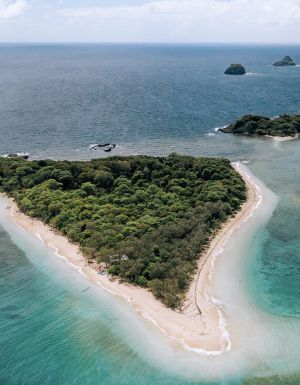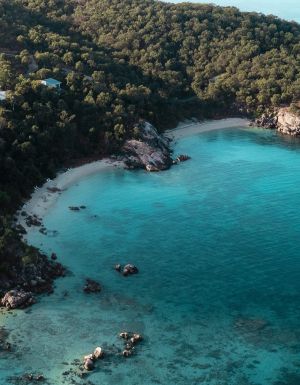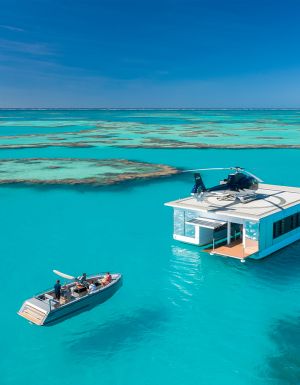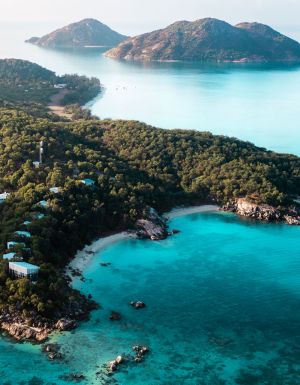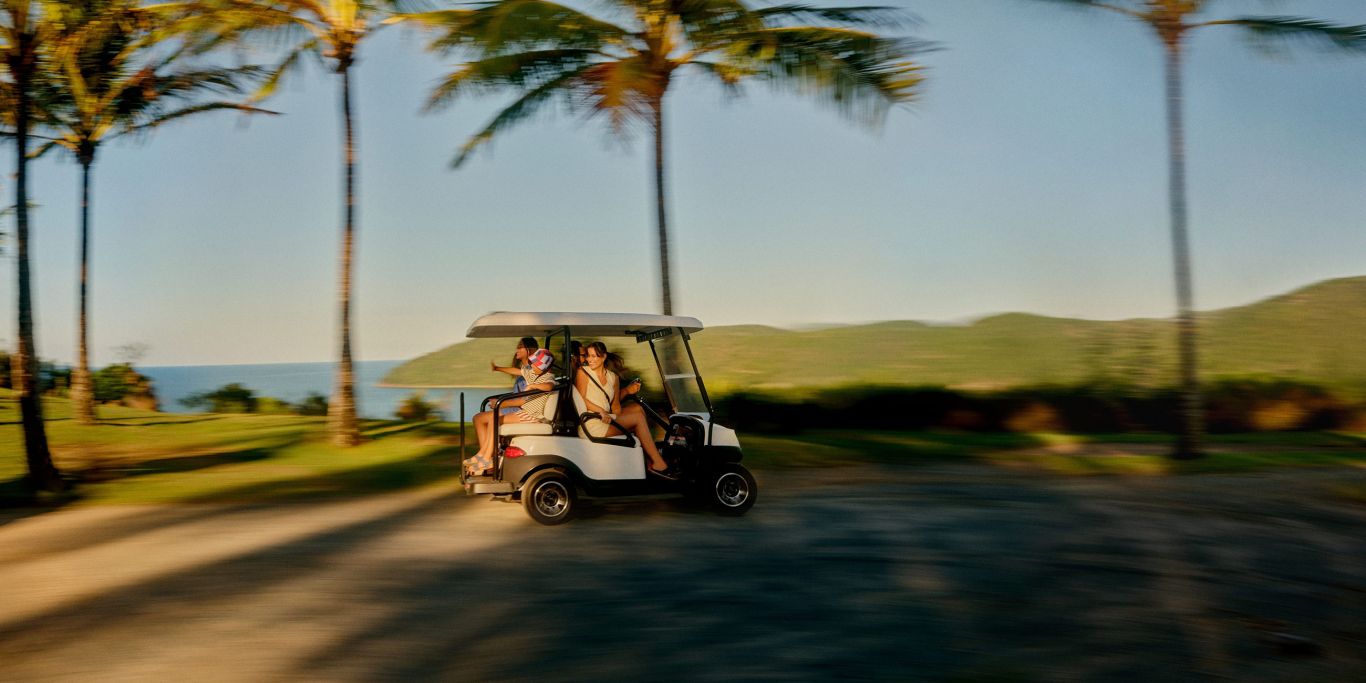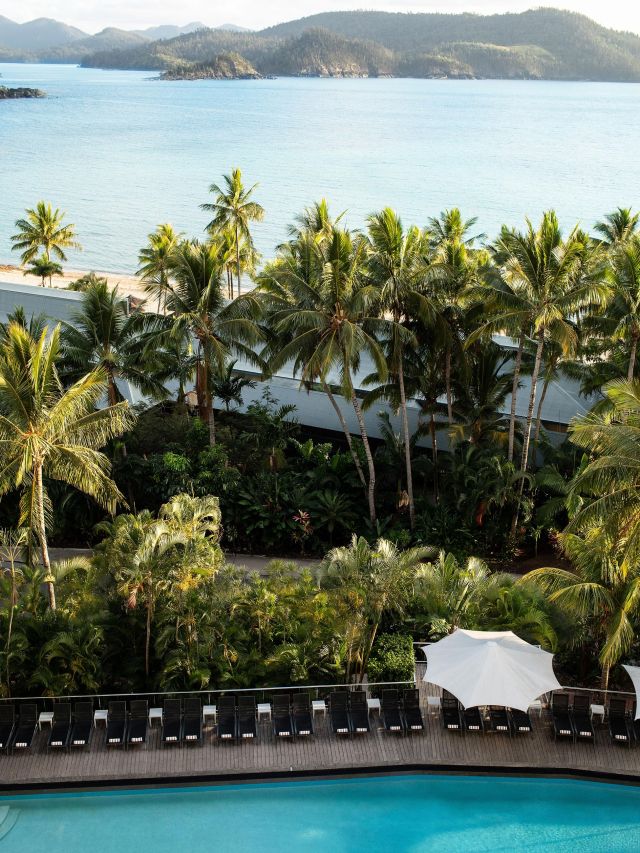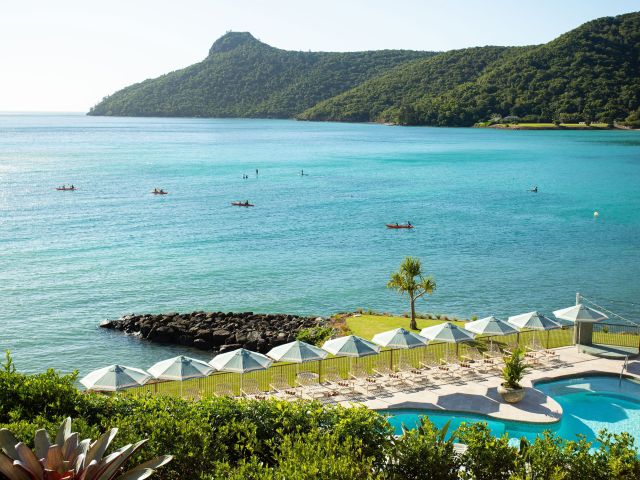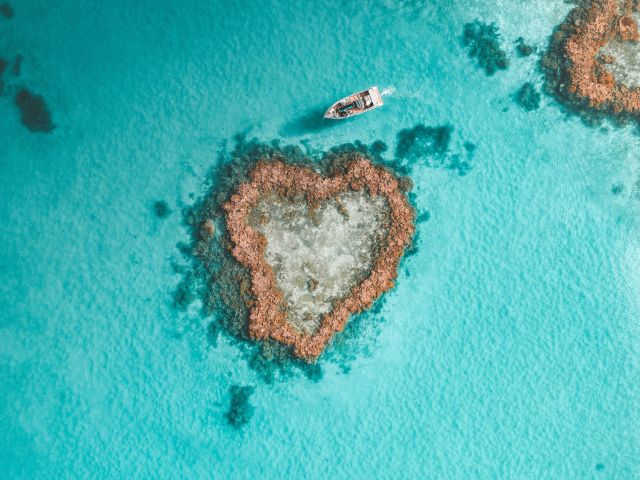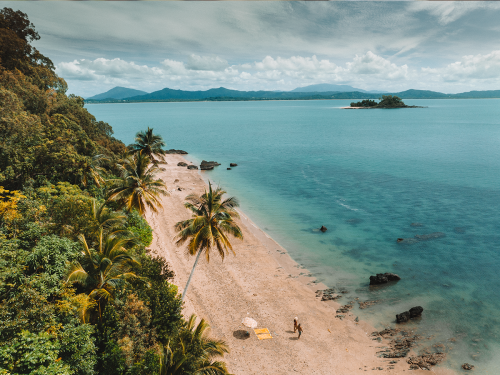
Your access-all-areas pass to a spectacular natural wonder is up for grabs at the best spots to go camping on the Great Barrier Reef.
The world’s largest coral reef system, flowing with vivid colour and thriving marine life, the Great Barrier Reef is one of Australia’s most breathtaking attractions. But while sprawling resorts and luxury lodgings offer good access to its beauty, nothing screams multi-sensory immersion like camping in the thick of it.
From remote beach campgrounds to facility-flanked powered sites enveloped in lush rainforest, camping in the Great Barrier Reef is always in good proximity to unforgettable holiday activity. Here, we round up what to know and where to go.
How to book camping in the Great Barrier Reef
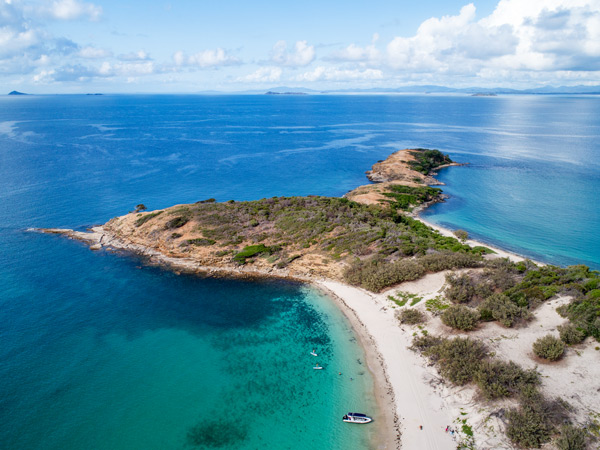
The key to any Great Barrier Reef adventure is preparation, so book well in advance, particularly during peak periods when camping numbers are typically capped. Sites are mostly scattered throughout national parks (except for Dunk Island Spit Camping, Fitzroy Island Resort, Great Keppel Island Holiday Village and Woodgate Beach Holiday Park) and part of the wider World Heritage Area, and they’re usually available to book 12 months in advance. Take note of school holiday periods, which see sites snapped up rapidly.
The other crucial factoid for national park campers is that all of its sites require a permit from the Queensland Parks and Wildlife Services, who unveiled an easy-to-navigate online booking system in February. Once you decide on the park of your dreams, jump on the website to lock in that permit, which must be displayed on your tent. It might feel dorky, but if a ranger can’t see it, you’ll likely attract a fine, so wear it proud.
How much does it cost to go camping in the Great Barrier Reef?
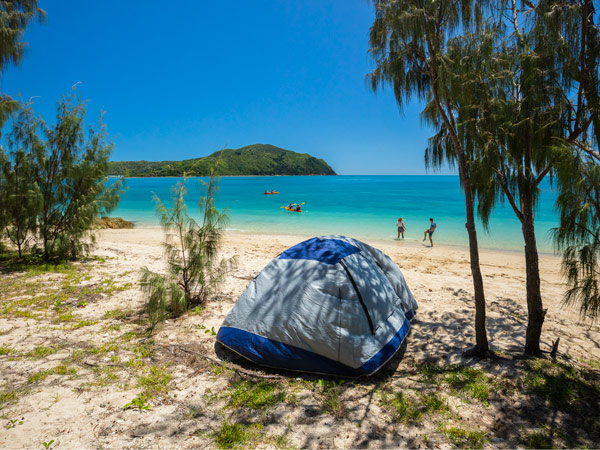
As of July 2024, Queensland National Parks sell camping permits from $7.25 per person, per night. For families consisting of one or two adults and multiple children to make seven individual campers or less, you’re looking at $29 per night. Prices include GST.
As for Fitzroy Island Resort camping, each site welcomes up to four people and is priced at $39 per night, while Dunk Island Spit Camping (yet to formally open its doors) prices are best found via the website.
Great Keppel Island Holiday Village camping starts from $30 per night with a three-night minimum, while Woodgate Beach Holiday Park prices start from $41 per night.
How to protect the Great Barrier Reef while you camp
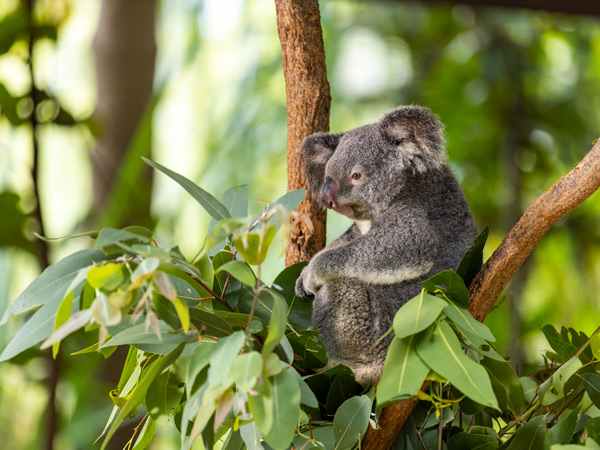
Looking after this extremely special corner of the world during your visit is simple — make sustainable choices, support the community you visit and be kind to wildlife and the environment. There are a few small ways that campers can tangibly work to preserve the beauty for future generations:
- Camp in marked areas, ensuring you inspect your surroundings for nests and eggs before you set up or start an activity.
- Check your camping gear, tent itself and clothing for any soil, weeds, seeds and pests to ensure you get rid of it all before you arrive.
- Check zoning information in advance for restrictions on fishing and collecting shells.
- If you’re boating, don’t damage the coral by anchoring into sand or mud using a lightweight reef pick with plastic over the anchor chain.
- Avoid getting too close to seabirds, or any other wildlife. Disturb the animals as little as possible.
- Stay on the walking tracks.
- Don’t go looking for firewood. Stick to a fuel stove when cooking as open fires are rarely allowed.
- Leave pets at home.
- Be careful using lights and torches on beaches during turtle breeding season (November to March).
- Don’t feed seagulls, whose population is increasing, and threaten the survival of other birds.
- Don’t dump plastic. This is illegal and can be fatal for aquatic animals and birds. Take your rubbish with you.
- If there are no toilets, bury human waste below high tide level. Do not bury rubbish.
The best campsites in and near the Great Barrier Reef
Need tips, more detail or itinerary ideas tailored to you? Ask AT.
AI Prompt
1. Whitehaven Beach
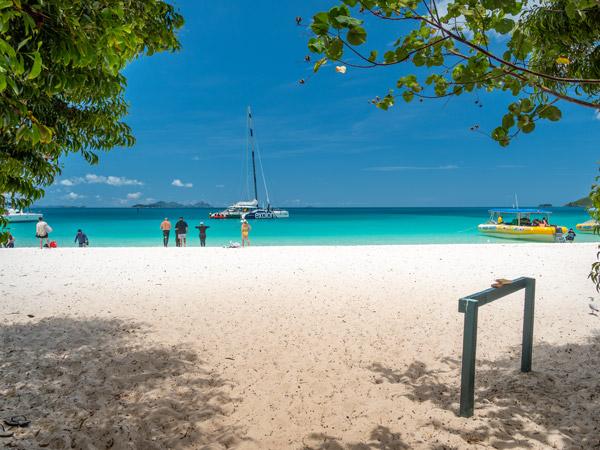
Location: On Whitsunday Island, near Airlie Beach
Renowned as one of Australia’s best beaches, Whitehaven Beach is also one of the most picturesque places to camp in the country. There are 11 defined sites, right behind the beach’s famed white silica sands, amid tranquil vine forests and eucalypt woodland. Facilities are basic with no flush toilets and just a few picnic tables, but the kayaking, canoeing, snorkelling and swimming conditions (plus that view) more than make up for it. There are also walking tracks, rated Moderate and ranging from 40 minutes to three hours, if lazing about in pure paradise grows tiresome.
2. Dunk Island Spit Camping
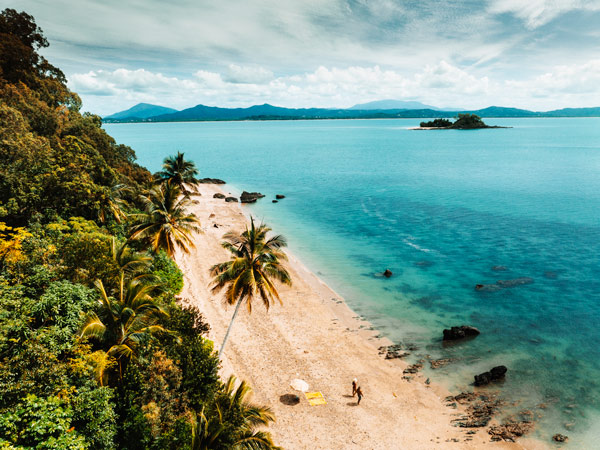
Location: On Dunk Island, near Mission Beach
The first thing to note about this Great Barrier Reef camping option is that it isn’t run by Queensland Parks and Wildlife Services, so be sure to reach out to the team well ahead of your visit to get accurate pricing and additional information on the new glamping tents that have been promised. Located four kilometres off Mission Beach, Dunk Island Spit Camping is right near the jetty, so if you’re boating in, it’s a cinch to spy. Walking trails vary from 20-minute rapid runs to multi-hour expeditions, while swimming and snorkelling is best enjoyed at Brammo Bay’s Muggy Muggy beach, around the corner from the campsite’s main stretch of sand.
Former facilities spanned flushing toilets, hot showers, gas barbecues, picnic tables and drinking water, however the early 2025 relaunch hint towards a new bar and restaurant in addition to those glamping experiences and more. Stay across the website for the latest updates.
3. Fitzroy Island Resort
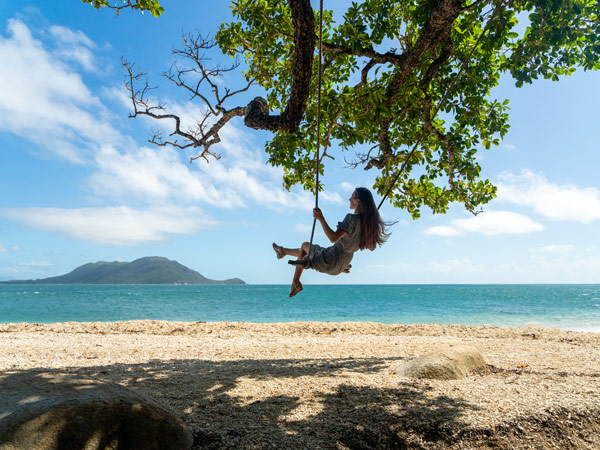
Location: Fitzroy Island, near Cairns
The gorgeous, and often-overlooked, Fitzroy Island forms part of the Great Barrier Reef Marine Park and is only a 45-minute ferry ride from Cairns. The island itself is comprised of 97 per cent rainforest, creating a natural haven for water sports and rainforest walks, and enticing campers with endless activity. Fitzroy Island Resort manages the island’s only camping sites, located just a few minutes’ walk from the jetty where all ferry transfers drop off.
Offering 20 tent sites in total, the Great Barrier Reef camping experience is firmly focused on embracing nature’s handiwork, all while remaining close to the resort’s extensive facilities (you can purchase a pool day bar to access its wonderful swim-up bar, FYI). Campers will find a cold-water shower block, a grassy camping area, a shaded rest area and a barbecue, however no open flames are allowed.
4. Lady Musgrave Island Campground
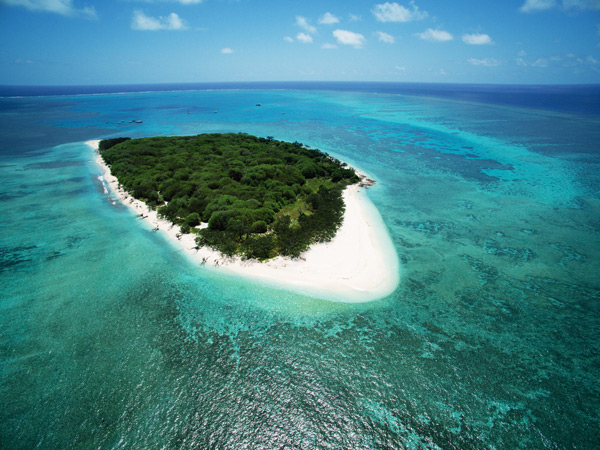
Location: Lady Musgrave Island, near Bundaberg
Entirely uninhabited and accessible only by boat transfer from either Bundaberg or Seventeen Seventy, Lady Musgrave Island is the kind of desolate, deserted paradise that fills your 9-5 daydreams. It has an 8 kilometre circumference and measures in at just 19.45 hectares in size, evoking Castaway feels the moment you spy it. To reach the Lady Musgrave Island campground, an open area with a capacity for 40 tent campers, follow a well-marked walking track from the northern beach. There you’ll find composting toilets, an emergency radio, fuel storage and a compressor bunker (it’s real hardcore, here), so you’ll need to BYO all food and drinking water and rubbish bags to settle in comfortably. Get set to spot brilliantly hued marine life right at your doorstep, including the odd sea turtle if you’re lucky.
Weekly travel news, experiences
insider tips, offers, and more.
5. Bungalow Bay Koala Village
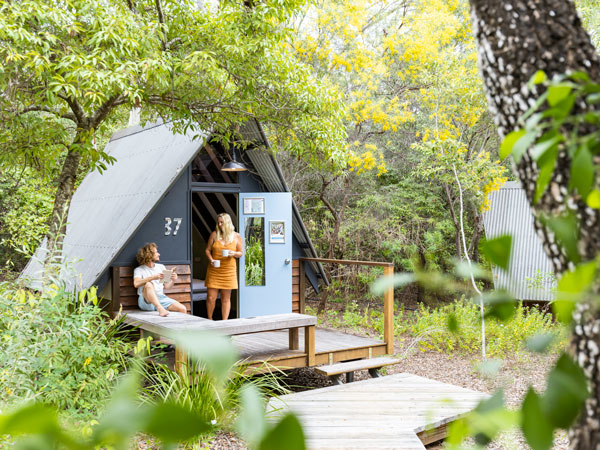
Location: Horseshoe Bay, Magnetic Island — near Townsville
A hop, skip and 20-minute ferry ride from Townsville will put you smack bang on Magnetic Island, just 11 kilometres in length and home to hundreds of koalas and wallabies, more than 25 kilometres of walking trails, and picturesque lookouts. The only place you can camp is at Bungalow Bay Koala Village, which offers powered sites. While the Great Barrier Reef accommodation is beloved for its bungalows and very own wildlife sanctuary, campers can take advantage of the property’s facilities which include a swimming pool and outdoor bar. A beautiful base camp for exploring the island’s unique beauty.
6. Lizard Island National Park
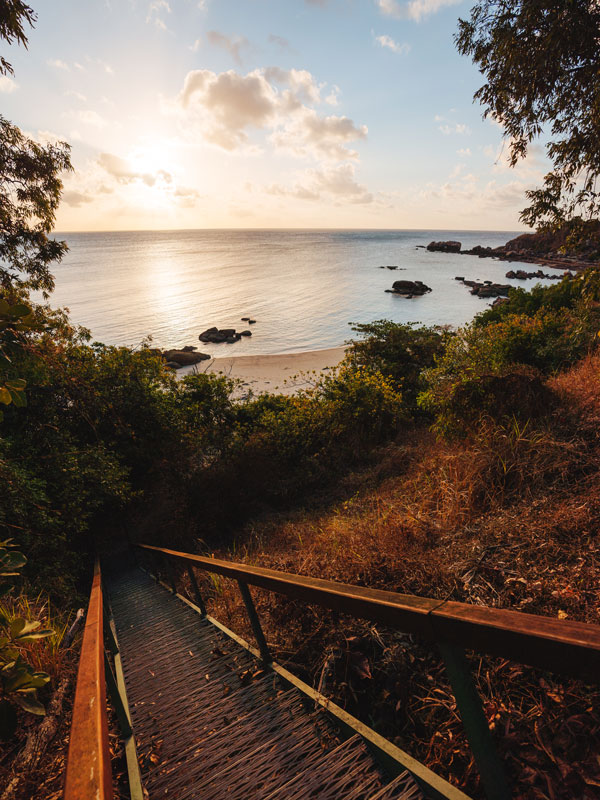
Location: Watsons Bay, Lizard Island — near Cairns
Lizard Island is one of the most unique Great Barrier Reef islands, remnant of a mountain range that wouldn’t look out of place in the Greek Islands — think rocky outcrops of granite and dry, sparsely vegetated hills. While Lizard Island Resort tends to steal the spotlight, camping at Lizard Island National Park’s Watsons Bay camping area is an extraordinary treat.
Most people arrive on the island via a small, 19-seater plane flown from Cairns airport, which you then leave behind to tackle a 1.2-kilometre walk to the campground. Once you’re here, just five campsites will greet you, suited to tents and situated on the sand. There is a composting toilet, picnic tables, gas barbeque, poles for putting up shade cloths and water via a hand pump 250m from the campground (but you’ll need to treat it before drinking).
7. Great Keppel Island Holiday Village
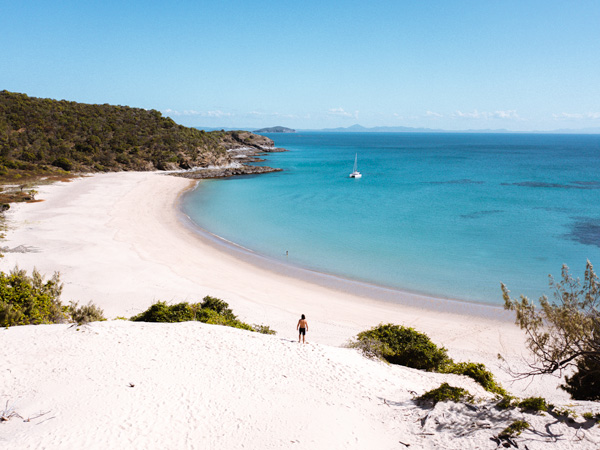
Location: Great Keppel Island, Keppel Islands — near Yeppoon
A tropical hideaway engulfed in turquoise waters, coral gardens and quiet beaches, Great Keppel Island Holiday Village’s camp sites are mostly visited by the savviest of explorers, so get moving before the secret’s out. The island itself boasts 17 beaches, plus unique birdlife and frequent turtle sightings. Four sites are available for two-person tents, plus there are glamping tents that start from $130 per night. Campers are invited to use all the accommodation’s facilities, including a fully equipped kitchen, a barbecue, a toilet and shower block, and gas cookers. Snorkelling gear is also included with every stay, as is filtered drinking water, but you’ll need to BYO water bottle to keep refilling.
8. Woodgate Beach Holiday Park
Location: Woodgate, near Bundaberg
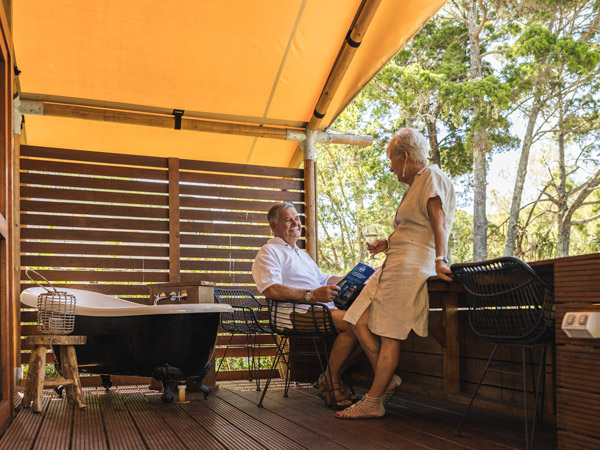
In Woodgate, a 40-minute drive from Bundy, it’s all about long lazy laps along the shoreline, stand-up paddle-boarding atop turtle-dotted waters and wallaby spotting — and the best place to soak it all up is from Woodgate Beach Holiday Park. There’s only one road in and one road out of the 16-kilometre strip of sand, which is exactly where the Great Barrier Reef camping hot spot is located. Facilities include the property’s Salty Seas Cafe and Servo, kiosk, toilets and showers, a camp kitchen, picnic tables, barbecues, a laundry, dump point and more. There are also glamping tents to investigate if you feel like splashing out in style.
Discover how to pick the right Great Barrier Reef Island for you
Want to see more stories from Australian Traveller in your Google search results?
- Click here to set Australian Traveller as a preferred source.
- Tick the box next to "Australian Traveller". That's it.