A road trip itinerary from Sydney to Byron Bay

hero media
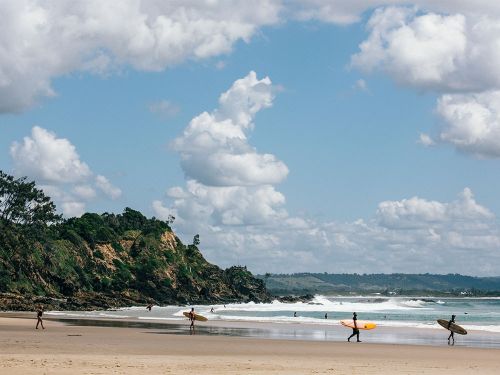
Driving from Sydney to Byron Bay is one of the most iconic drives in Australia. Here’s how to make the most of the route over four days.

The kind climes, relaxed vibes and picture-perfect surrounds of Byron Bay put it high on the holiday hit list.


The coastal idyll is within easy reach of both Ballina and Gold Coast airports, but taking flight means bypassing some of New South Wales’ greatest treasures.


Sydney to Byron Bay is a 766-kilometre road trip flanked by incredible towns and landscapes. Soak it up with this four-day itinerary.


You can also follow along on the map below.


Day 1: Sydney to Newcastle

2 hours, 17 minutes/163 kilometres (or 3 hours, 18 minutes/215 kilometres via Patonga)

Grab your snacks and jump in the car, we’re headed for the Pacific Highway. Newcastle is our day-one destination, but since it’s only a couple of hours up the road, you might be inclined to swing by the Central Coast for an early injection of beach culture.


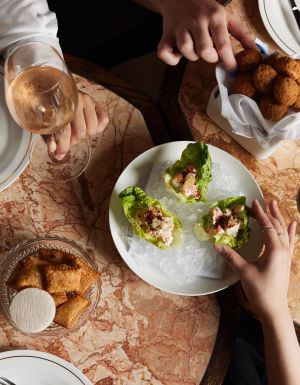
Take your pick from the glut of cute villages and golden beaches that make the region so appealing. If you’ve timed your arrival to dine, why not try Patonga where The Boathouse Hotel has recently moved in?
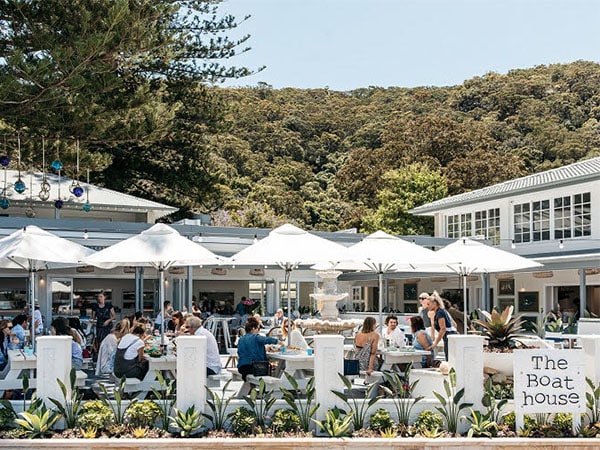
The Boat House Patonga
Take a seat at Patonga’s Boat House

Up the road, Newcastle is home to smart cafes, pubs, and bars, and fantastic boutique shopping, all underpinned by a thriving creative scene. And bonus points for being surround by water: Hunter River to the north; coastal beauty to the south.


If a one-stop-shop is your kind of outing, hit up the Darby Street precinct and enjoy the vibrant village feel. If you didn’t have lunch on the Central Coast, you won’t have any trouble finding it here.


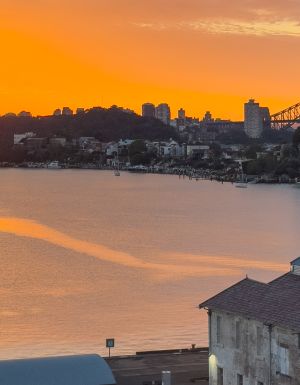
The Newcastle Memorial Walk, a 450-metre clifftop path, is a beautiful way to take in this part of the coast, and even better if you can make it at sunset. For dinner with a seriously social vibe, head to The Edwards.
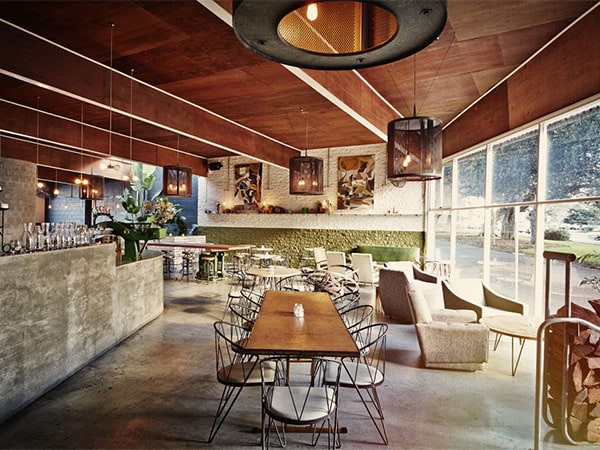
The Edwards Newcastle
Taking light-filled interiors to the next level

Where to stay

Rydges Newcastle – A contemporary hotel with sweeping harbour views.


The Lucky Hotel – A boutique hotel close to the action.

Need tips, more detail or itinerary ideas tailored to you? Ask AT.

AI Prompt

Day 2: Newcastle to Coffs Harbour

4 hours/385 kilometres (or 5 hours, 28 minutes/468 kilometres via Bellingen and Dorrigo)

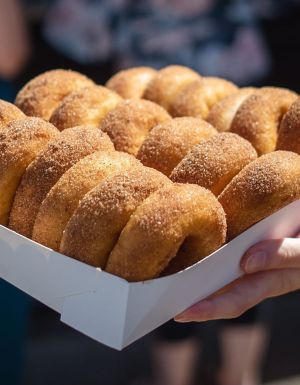
Donut leave Newy with a visit to Doughheads for the ultimate in road-trip snacks. Grab breakky just up the road at The Hood and then you’re back on the road.
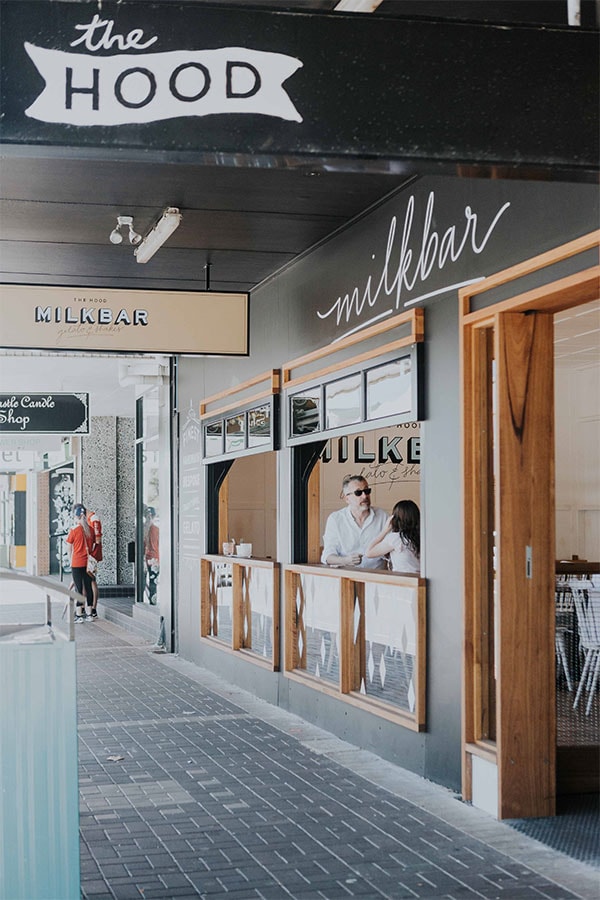
3The Hood Milkbar
Stop by The Hood

The Newcastle to Coffs Harbour leg is peppered with detour-worthy destinations: Forster, Port Macquarie, Crescent Head, South West Rocks, and then some. But for something a little different, let’s head inland, where ‘lush’ is spectacularly redefined.


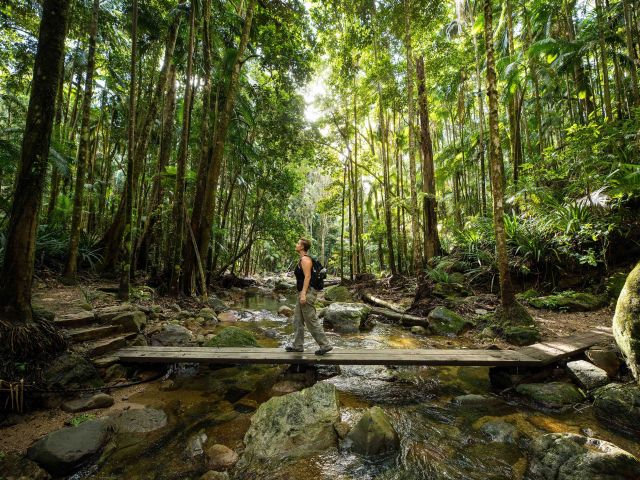
Just 10 minutes off the highway at Raleigh, Bellingen is all charm with its heritage streetscape and verdant rainforest. Another 30 kilometres west you’ll find Dorrigo National Park, where breathtaking heritage-listed rainforest awaits.
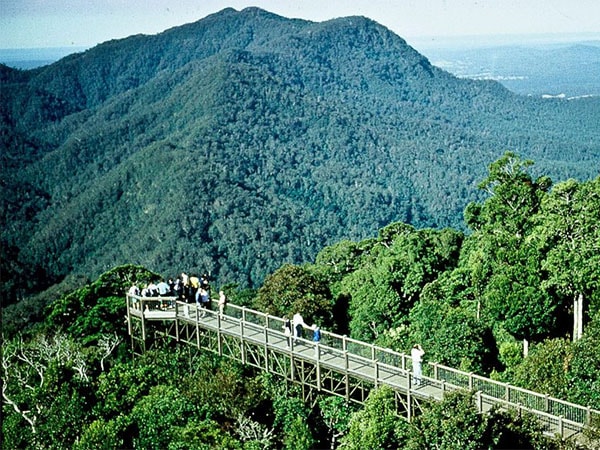
4bird watching in Dorigo National Park
Bird watching in Dorigo National Park

A long day’s driving calls for Netflix and chill… and pizza. For takeaway in Coffs, try Pizza Vino or Amalfi Pizzeria.

Where to stay

Sapphire Seas Beach House – A luxe holiday house on the beachfront; great for groups.


Opal Cove Resort – Absolute beachfront at a reasonable price.

Day 3: Coffs Harbour to Yamba

1 hour, 40 minutes/138 kilometres

Today’s drive runs along the state’s longest stretch of undeveloped coastline so prepare yourself for rocky headlands, towering cliffs, deserted beaches and hectare upon hectare of forests, wetlands and open country. This is Yuraygir National Park, where hiking opportunities abound.


But first, coffee. A micro-roastery, espresso bar and café, Supply Coffee has your breakfast sorted and, with a focus on wholefoods, it’s a fresh way to farewell Coffs Harbour.


If you’re travelling from mid- to late October, a stop in Grafton will put you under a glorious canopy of in-bloom jacaranda trees. The Grafton Jacaranda Festival runs from late October to early November each year. Otherwise, head straight on to Yamba, a charmingly sleepy town and surfers’ paradise.
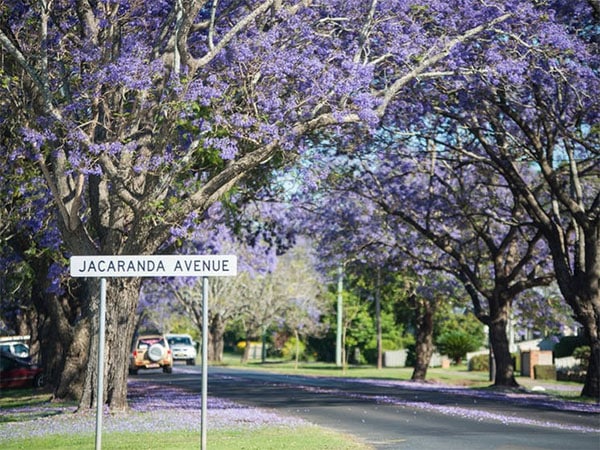
Grafton Jacaranda Festival
See Grafton come alive during Jacaranda season

An afternoon at Angourie Point, famous for its right-hand point break, would be a treat for surfers and spectators alike.


For dinner, Barbresco is a favourite, or try the Pacific Hotel for hearty pub fare and unbeatable views.
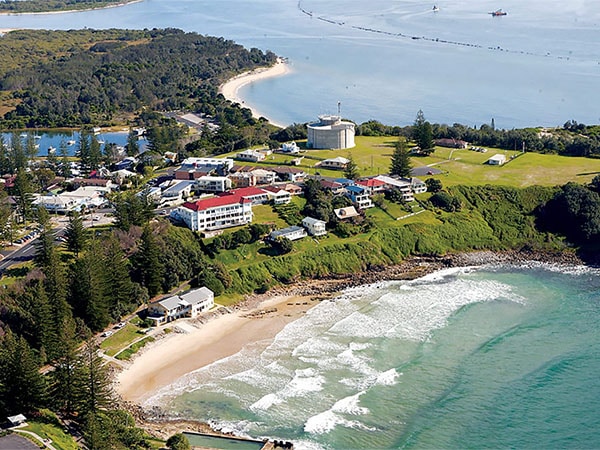
Pacific Hotel Yamba
Yamba’s famous Pacific Hotel

Hint:

Can’t find your feet on a surfboard? Try a lesson with Yamba-Angourie Surf School.

Weekly travel news, experiences
insider tips, offers, and more.

Where to stay

The Sands – A variety of accommodation styles complete with resort facilities.


The Black Ace – A fully restored 110-year-old cottage; great for large groups.

Day 4: Yamba to Byron Bay

1 hour, 42 minutes/124 kilometres

In a town like Yamba, the day surely starts in the ocean for a dip or, if talents permit, a surf. When in Rome, so they say. Next, hit up Beachwood Café, a much-loved eatery dishing up finger-licking Turkish flavours.


Before you head out of town, swing by the Island Collective for a peek at their beach-inspired homewares and a coffee for the road.
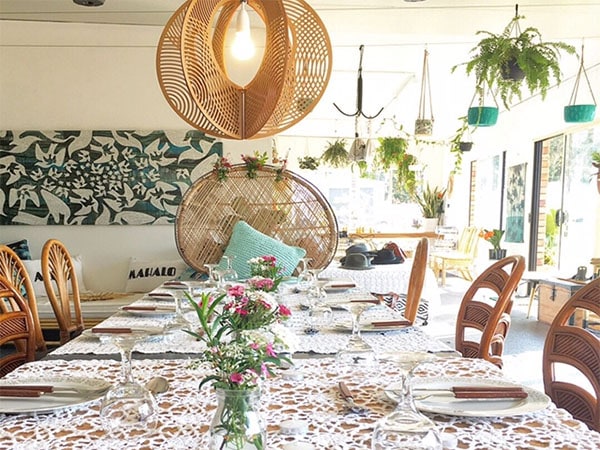
Island Collective
Swing by The Island Collective

For an epicurean treat, drop in on Newrybar for lunch at Harvest, the multi-ward-winning restaurant with creativity and sustainability at its heart. Bookings are recommended.


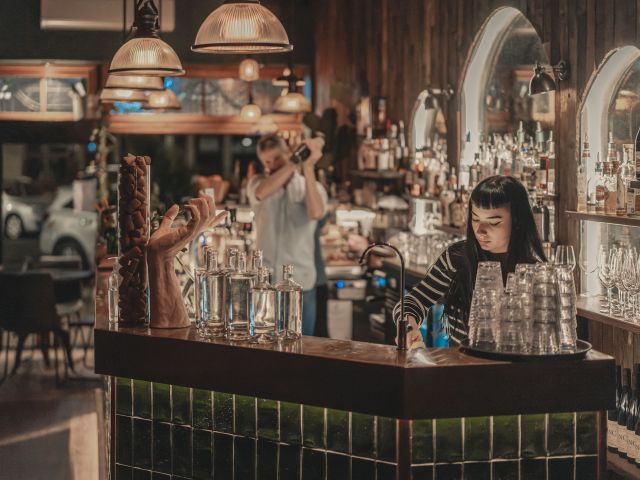
Just 10 more minutes on the road, and with a driver’s tan to boot, Byron Bay is your final playground. After settling in, jump straight into the beachside vibe with dinner and drinks at Loft on the main strip. Kick on at the iconic Beach Hotel. Just follow the noise across the road.
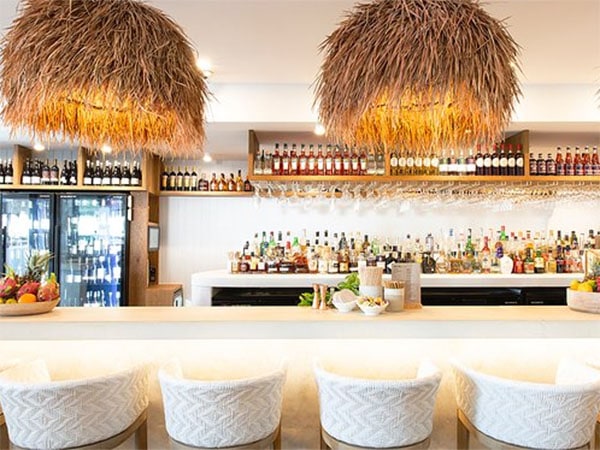
Dinner and drinks at The Loft Byron Bay

Must see

The view from Cape Byron Lighthouse, Australia’s most easterly point.

Where to stay

Elements of Byron – Beautifully sprawling beachfront property surrounded by nature.


The Atlantic – Ultra-trendy boutique hotel that puts Byron bay at your fingertips.
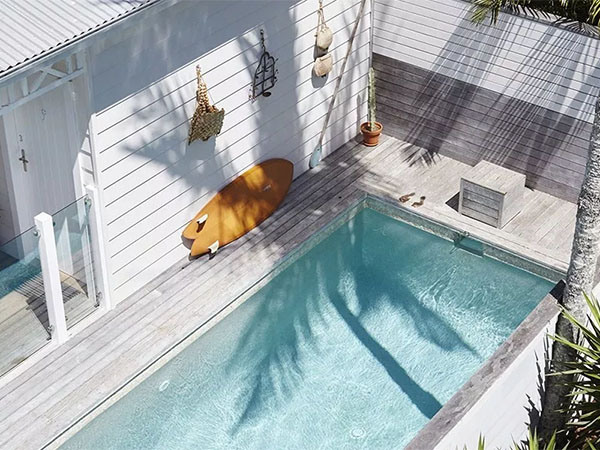
9check into The Atlantic
Check into The Atlantic

Want to see more stories from Australian Traveller in your Google search results?

  1. Click here to set Australian Traveller as a preferred source.
  2. Tick the box next to "Australian Traveller". That's it.
Kate Symons
Kate Symons is a freelance writer with a particular passion for uncovering the people that make the place. On assignments near and far, she observes and absorbs, waiting for that satisfying moment when the story lede - the tale that is sure to entice - presents itself.
View profile and articles
hero media

This surprising regional town is making its mark on the culinary world

(Image: Visit Griffith)

    Carla Grossetti Carla Grossetti
    With more than 60 nationalities calling it home and a century of Italian influence shaping its paddocks and plates, Griffith is a regional Australian town with serious culinary cred.

    It might feel surprising to learn that Griffith is one of Australia’s leading food destinations. In-the-know Italians have understood this for generations, drawn to the Riverina region’s fertile soils that reminded them of the terrain they’d left behind more than a century ago. These days, Griffith supplies much of the nation’s pantry: 95 per cent of Australia’s prunes come from the region, it’s the country’s largest citrus-growing area, and it’s a leading producer of almonds and walnuts. Even the pickles in every McDonald’s burger nationwide are produced in Griffith. This is not just a farming town; the Griffith food scene is leading the way.

    Here, culinary confidence is rooted in migration. Italian families began arriving from 1913, with a second wave settling after the Second World War. Today, Griffith has the highest proportion of Italian ancestry of any Local Government Area in Australia. Add to that more than 60 nationalities represented across the community and you have a town where food is driven not by trends, but by tradition. Griffith’s motto, ‘Taste our culture’, isn’t marketing spin; it’s the reality.

    Where the vines tell a story

    A hand pouring wine into a glass, with a table filled with food.
    Uncover the stories behind every glass. (Image: Destination NSW)

    The Riverina has long been dubbed the food bowl of Australia, but it’s also a wine region that remains largely under the radar. What sets Griffith apart is that every one of its wineries is family-owned, many spanning generations.

    Calabria Family Wines is one of the region’s standard-bearers. The Calabria story began in 1945 when Francesco Calabria planted his first vines; today, the family continues to shape the region’s identity while also stewarding the historic McWilliam’s Wines brand. McWilliam’s was the first winery to plant vines in the area, and its barrel-shaped cellar door – complete with a soaring stained-glass window – remains one of the most distinctive in regional NSW.

    Yarran Wines, run by the Brewer family, showcases estate-grown fruit across Mediterranean varietals that thrive in the warm climate. Expect bold reds and textured whites that reflect both heritage and innovation.

    Set inside the old ambulance station, Harvest HQ is owned and operated by the Riverina Winemakers Association and pours a rotating selection of local wines under one roof. It also features spirits from The Aisling Distillery, reinforcing the region’s collaborative approach to craft.

    At the table

    A flat lay of a steak.
    Dine where tradition meets a bold new generation. (Image: Visit Griffith)

    If the vineyards tell one story, the dining rooms tell another. Griffith’s restaurants are where tradition and next-gen confidence meet.

    Zecca Handmade Italian occupies the former Rural Bank building, an imposing Art Deco landmark from the late 1930s. ‘Zecca’ means money print, and the name is a nod to the Zecca di Venezia in Venice. Here, find the Riverina’s only producer of dried artisan pasta and traditional Italian recipes. Importantly, the growers and producers supplying the kitchen are listed on the menu as a transparent expression of the region’s farm-to-table ethos.

    Established in 1977 and still run by the Vico family, La Scala puts authentic Italian cuisine on centre stage. Expect handmade pasta, traditional wood-fired pizzas, slow-cooked sauces and dishes that follow recipes guarded like family heirlooms. For something more contemporary, Bull & Bell in Gem Hotel is a shrine to the Euro-style steakhouse that works closely with local farmers and artisans to showcase Riverina produce.

    And then there are the institutions. Bertoldo’s Pasticceria, now in its third generation, draws locals daily for cannoli, biscotti, crostoli and house-made gelato, alongside classic sausage rolls and potato pies. La Piccola Grosseria feels like stepping into an Italian alimentari, its shelves lined with continental goods that wouldn’t feel out of place in Puglia.

    Meanwhile, Limone celebrates local and seasonal produce across breakfast and lunch menus, enriched by the produce and stories of Piccolo Family Farm. Find pastries and sourdough baked daily, and pop into the onsite retail pantry for products from regional producers – including the Piccolo family’s own wine range, Caro Piccolo.

    From the source

    A plated Aquna Sustainable Murray Cod dish.
    Taste world-renowned Aquna Sustainable Murray Cod, straight from its source. (Image: Visit Griffith)

    Behind every menu is a producer. Aquna Sustainable Murray Cod is perhaps Griffith’s most high-profile export; the brand’s Murray cod and Aquna Gold Murray Cod Caviar have achieved global recognition. In October 2024, Aquna presented its products to King Charles III and Queen Camilla at the NSW Premier’s Community BBQ in Parramatta. Impressed by the producer’s sustainable farming practices, the King requested the cod be sent to Buckingham Palace – not bad for a fish farm in regional NSW.

    Mandolé Orchard champions almonds grown on a family-run farm, transforming them into almond milk and value-added products. At Morella Grove, olives are pressed into premium olive oil and pantry staples that speak to Griffith’s Mediterranean heart. These producers are not peripheral; they are central to the town’s culinary ecosystem. Learn about local sustainable farming practices during a farm tour.

    Mark your calendar

    A woman walking past a food mural, something you can spot during A Taste of Italy Griffith.
    Plan your visit around A Taste of Italy Griffith. (Image: Visit Griffith)

    For a town that helps stock Australia’s supermarkets, Griffith has remained curiously absent from the national dining conversation. That’s beginning to change. If you’ve been searching for a regional food destination with substance, heritage and a clear sense of identity, you’ll find it here in the Riverina, right under your nose.

    Time your visit to the Riverina region to coincide with A Taste of Italy Griffith, held every August. This week-long celebration of Italian heritage and culture offers a wide range of Italian-inspired events and experiences to enjoy. Expect long-table lunches, wine tasting experiences, cooking classes and a Makers in the Piazza market. The headline event is a ticketed long lunch – Festa delle Salsicce (Salami Festival) – where winners of the best salami are announced.

    Start planning your foodie getaway at visitgriffith.com.au.