Don’t let the city’s laid-back vibe tropical atmosphere fool you; when it comes to a healthy list of family-friendly activities, Darwin leads the charge.
DOWNLOAD YOUR FREE CITY BUCKET LIST FOR KIDS HERE
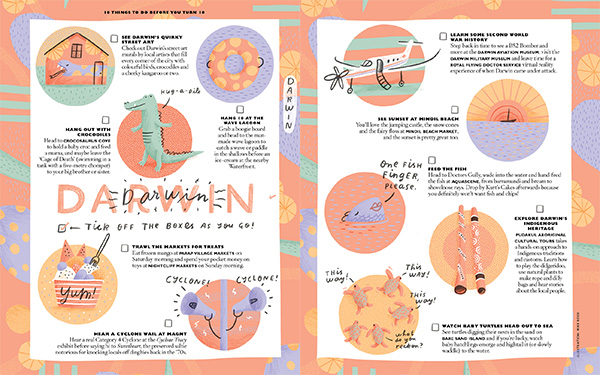
Illustration by Mike Rossi @micro.grafik
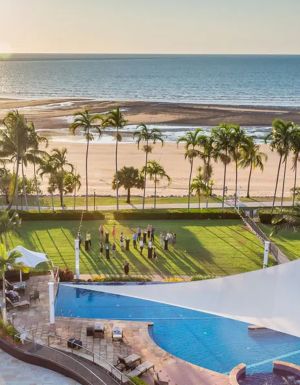
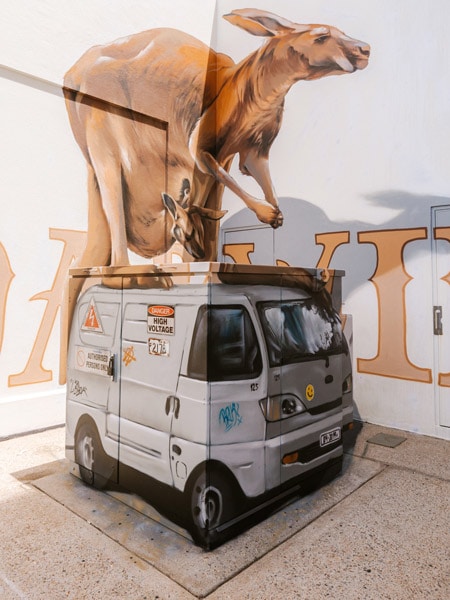
1. Explore the city’s creativity with Darwin Street Art Festival
Signing the kids up for art classes next term? Help them source inspiration by checking out the Darwin Street Art Festival. Held around the CBD, along the Waterfront and in Cullen Bay, the annual festival will take place in September this year and guarantees a fresh crop of murals by talented local street artists transforming walls with the theme of ‘journeys’. You don’t have to only focus on the festival of course; Darwin’s love affair with vibrant street art can be found in most corners of the city.
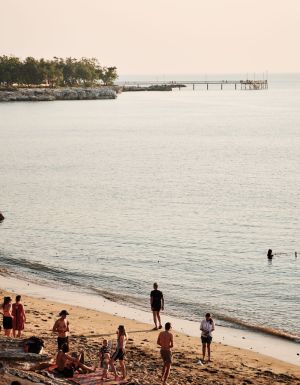
2. Enjoy sunset at Mindil Beach
Picture the most beautiful sunset you’re ever likely to see, then add a beachside setting, a couple of laughing clowns and a jumping castle. We’ve just (very badly) described the iconic Mindil Beach Sunset Market, which runs 4pm to 9pm every Thursday and Sunday during the dry season. Home to more than 200 vibrant stalls selling a range of cuisine, local handicrafts and souvenir items, kids will love oscillating between the beach, the market itself and the on-site kids’ entertainment which sees the likes of circus workshops, face painting and that aforementioned jumping castle. Fairy floss? It’s a given.
3. Hang 10 at Wave Lagoon
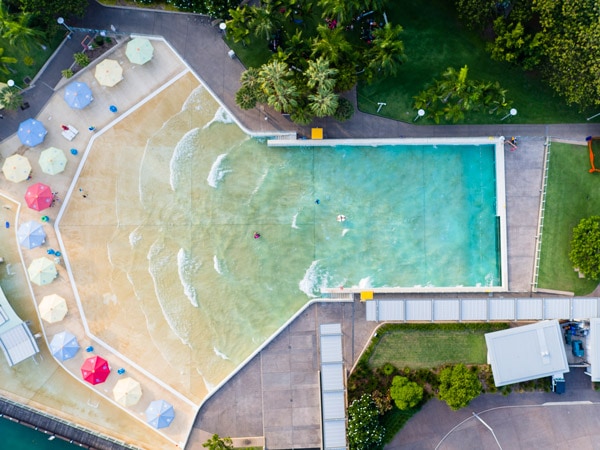
There’s no better place to ponder all things man versus nature than at one of Darwin’s most popular attractions, Wave Lagoon. Spanning more than 4000 square metres, this palm-fringed, man-made lagoon rolls out 10 different wave patterns with swells ranging from gentle to 1.2 metres – perfect to try out those boogie boards. Patrolled by lifeguards, the waters – including a shallow water play area for little ones – are croc- and stinger-free, and there are plenty of banana lounges and oversized umbrellas for you to have some downtime. Happily, family admission (two adults and up to three children) is only $18, leaving you plenty of change for a gelato or ice-cream from one of the parlours at the nearby Waterfront.
Need tips, more detail or itinerary ideas tailored to you? Ask AT.
AI Prompt
4. Observe baby turtles at Bare Sand Island
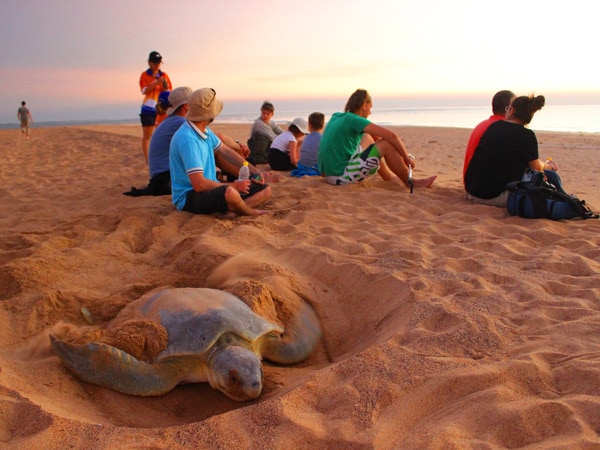
Experience sunset with the baby flatback and olive ridley sea turtles of Bare Sand Island on a Sea Darwin Turtle Tracks tour. The eight-hour tour includes a 90-minute fast boat ride from Stokes Hill Wharf (the open boat nature of the journey means this tour isn’t recommended for kids under four), dinner and drinks, plus plenty of time to watch our reptilian mates digging their nests. Come at the right time and you might even see some baby hatchlings emerge. Priced from $295 per adult, or $950 for a family (two adults and two children), tour dates are chosen in line with the lunar cycle.
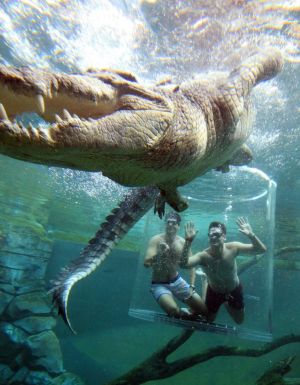
5. Hang with the Salties Crocosaurus Cove
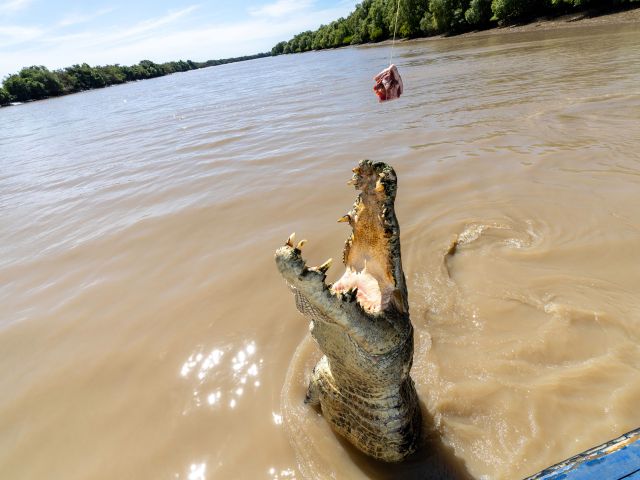
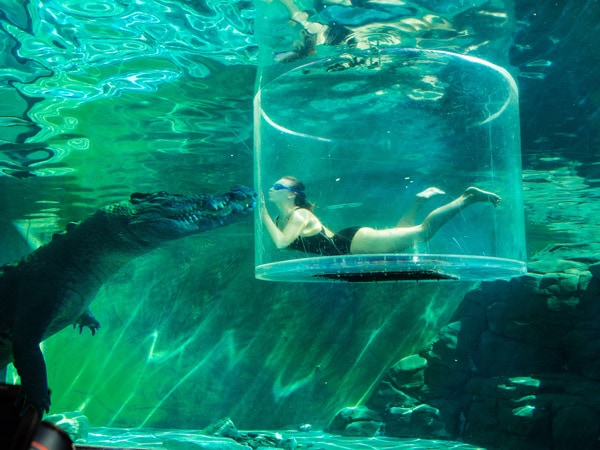
Why settle for seeing the odd croc lazing on a riverbank when you can head into the heart of Darwin city and see, hold, feed and even swim with some of the largest saltwater crocodiles anywhere in the world? The jewel of the Crocosaurus Cove crown is the Big Croc Feed VIP Experience, a 1.5-hour guided tour which serves as a saltie ‘best of ’, letting kids handle the babies, feed the mamas and everything in between. Of course if your family thinks nothing of climbing into a contraption titled ‘Cage of Death’, that’s an option too, but heads up: it involves swimming in a tank with a five-metre chomper. The VIP tour is priced from $85 for adults and $42 for children.
6. Trawl the Markets for Treats
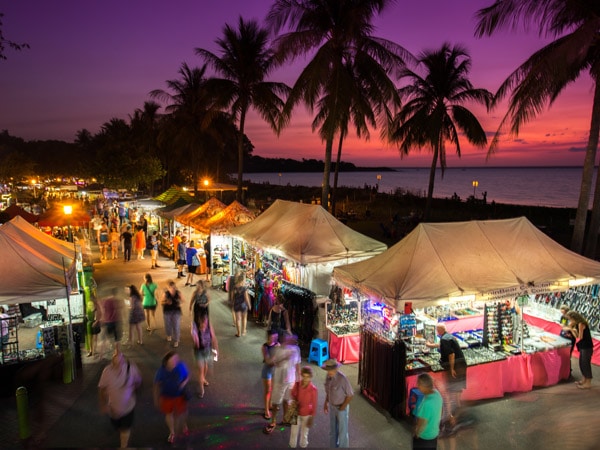
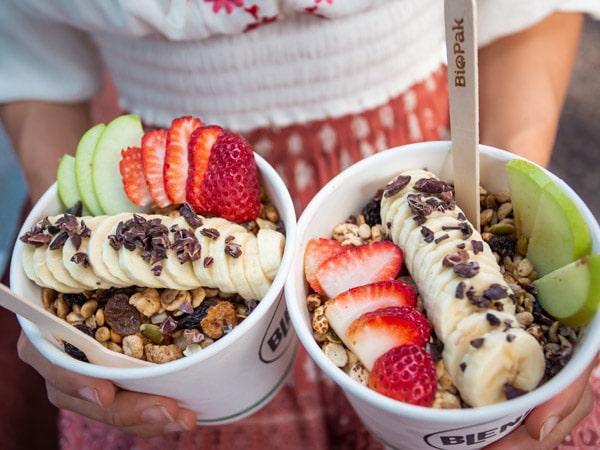
Darwin might be relatively compact, but it has a disproportionately large market landscape – each one with a slant to please every member of the family. Parap Village Markets (pictured), a Saturday morning institution since the 1980s, is particularly popular with its vast selection of tantalising street food (get in early to queue for Mary’s Laksa and don’t miss the tubs of frozen mango chunks: the perfect way for the kids to cool down on a hot day). You can follow it up with a 4pm to 9pm visit to Malak Marketplace and leave Sunday morning free for a visit to Nightcliff Markets, where the vibe is more about recycled fashion, vinyl, books and yep, toys.
7. Experience a cyclone at Museum and Art Gallery of the Northern Territory
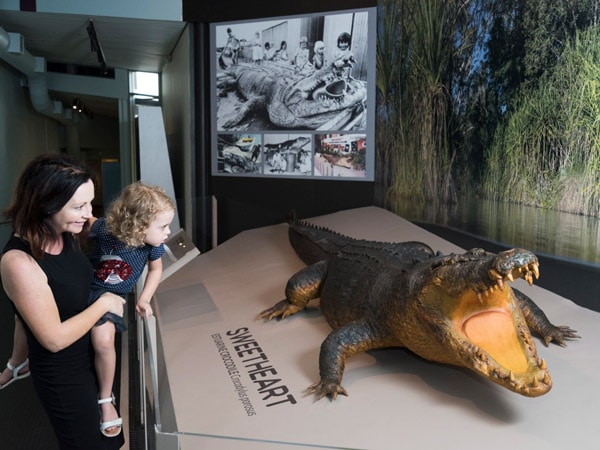
You’d never wish a real Category 4 Cyclone upon your children of course, but the terrifyingly realistic cyclone booth within MAGNT’s permanent Cyclone Tracy exhibit will give kids a clear understanding of the day that changed the lives of Darwin residents forever. Elsewhere at the gallery, Sweetheart, the preserved fi ve-metre saltie notorious for knocking locals o dinghies back in the ’70s, is hugely popular with kids, as is the Unruly Days exhibition which takes a look at Territory life between 1911 and 1921. Seize the opportunity to book the kids into the Discovery Centre (open 10.15am to 12.15pm Monday to Friday), a space that o ers supervised arts and crafts activities. Unlike the rest of the gallery, there is a small fee involved.
Weekly travel news, experiences
insider tips, offers, and more.
8. Get to know second World War history with a Heritage Link Attractions Pass
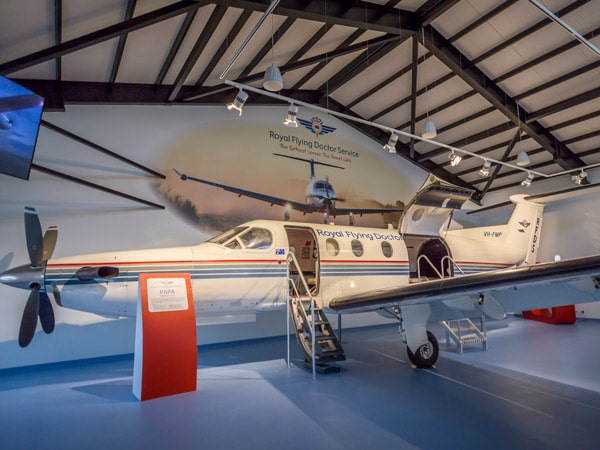
Darwin’s Second World War history is colourful, rich and, happily for little ones, often presented in a tangible way with plenty of cool planes and bombers to look at. Purchase a Heritage Link pass, an all-in-one ticket that helps you step back in time at four of Darwin’s major attractions. You can see the legendary B52 Bomber and more at the Darwin Aviation Museum, enjoy the Myilly Point Heritage Precinct and a visit to the Darwin Military Museum. Just remember to allow at least two hours to experience the Royal Flying Doctor Service Darwin Tourist Facility where a virtual reality experience of a re-enactment of when Darwin came under attack will serve to give everyone chills. A family pass (two adults and up to three kids via tourismtopend.com.au) is $165.
9. Explore Indigenous heritage with Pudakul Aboriginal Tours
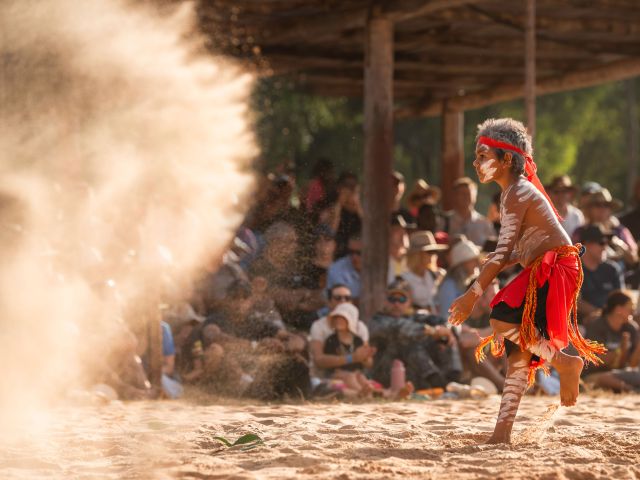
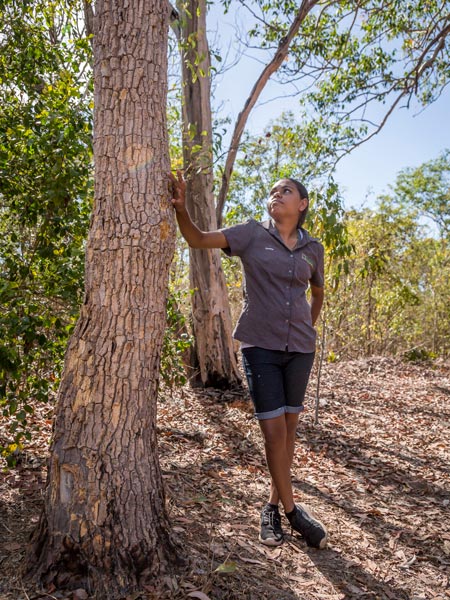
How do you pack over 65,000 years of history into a six-hour tour? It’s an equation the folks at Pudakul Aboriginal Tours have somehow solved, offering families a hands-on look into their traditions and customs across the course of a day. Pudakul’s Culture and Jumping Crocs tour takes in a one-hour cruise to visit the local crocs before heading to Pudakul for the cultural aspect. Kids will learn how to play the didgeridoo, use natural plants to make rope and dilly bags, and hear stories about the local people. A family ticket for the Aboriginal owned and operated tour is $820 including transfers and lunch.
10. Feed the fish at Aquascene
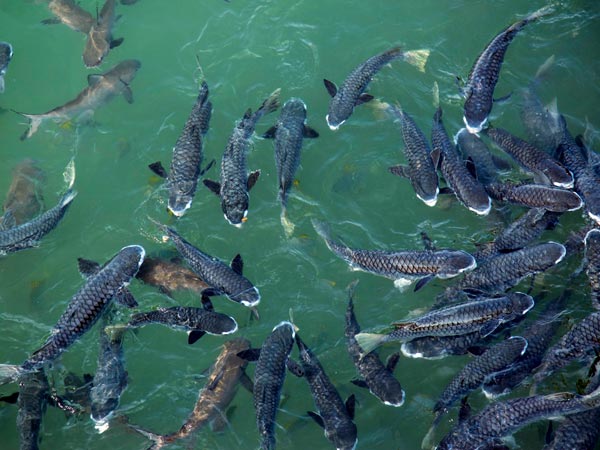
What better way to introduce the ‘circle of life’ concept than by taking the kids to the shoreline of Darwin’s Doctors Gully and hand-feeding the very fish you’ve spent a lifetime eating? (Heads up: there could be some di cult conversations ahead, so have them at KURT’S CAKES, if you can.) At Aquascene, hundreds of friendly local fish, from barramundi and bream to shovelnose rays, are keen to meet you for lunch so why not while away a lazy afternoon from the viewing platform or by wading in the shallows, feed in hand? The fish are always around, but numbers are at their highest between December and August. Family passes are $43.
Read more family travel tips on the Ultimate parents’ guide to our amazing Aussie cities.
Want to see more stories from Australian Traveller in your Google search results?
- Click here to set Australian Traveller as a preferred source.
- Tick the box next to "Australian Traveller". That's it.