Executive chef Shaun Presland (ex-Saké) has adopted and adapted food and flavours from hawker centres around Asia to inform the culinary direction of the new Tiger Lane dining precinct at the Canberra Centre.
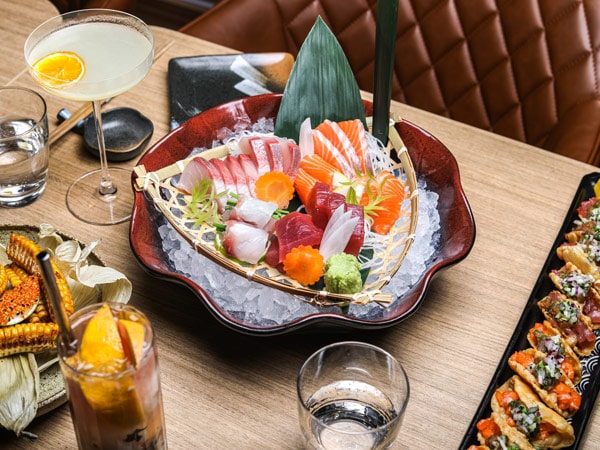
Satisfy your palate with a Japanese feast. (Image: Harry Chalker)
Expect the food and beverage options at the 12 eateries to nod to the neon-lit laneways in downtown Tokyo, the bustling riverside markets along the Mekong River and the diversity of the regional dishes of China for the final phased opening of the precinct mid-May.
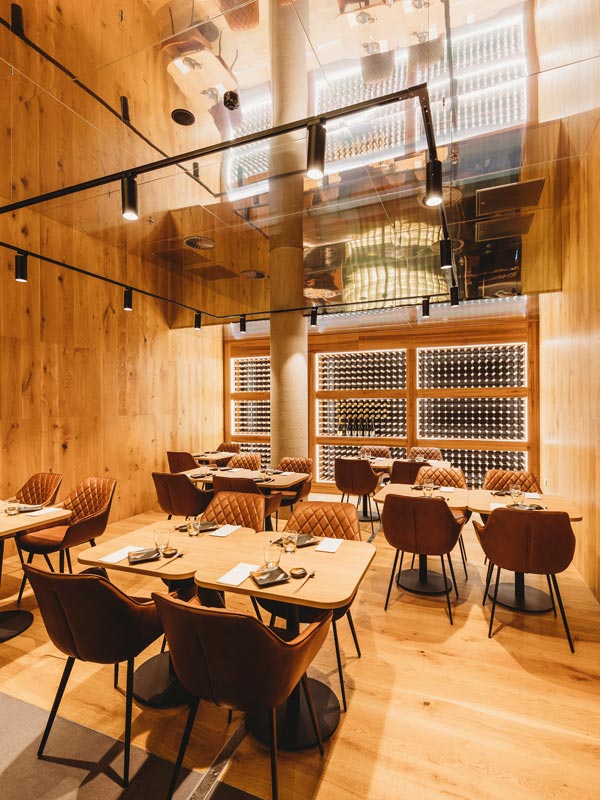
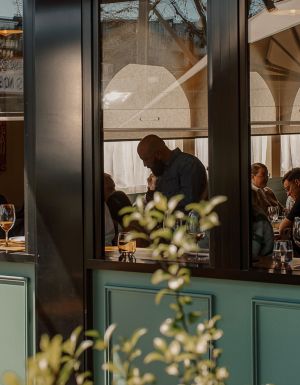
Snag a spot for a wine night. (Image: Ben Calvert)
Restaurants Taki and Inari opened in 2022 and trace Presland’s culinary journey back to the time the sushi master lived and worked in the Yamagata Prefecture in Japan.
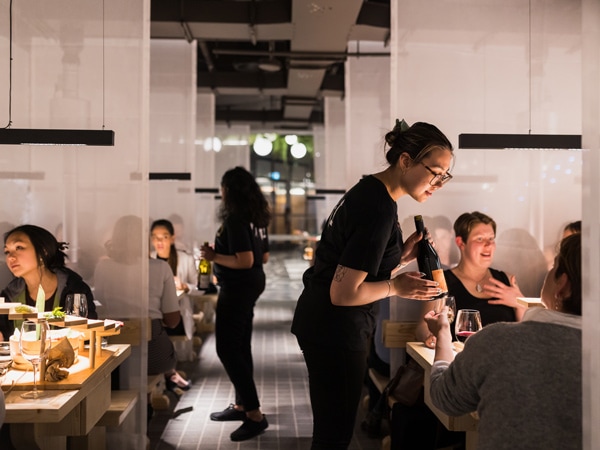
Dine at INARI. (Image: Ben Calvert)
2. Canberra’s newest village
Travelling with: Christine Aldred
On Ngunnawal Land in a place once reserved for car yards and industrial warehouses, Fyshwick’s Dairy Road precinct on the edge of Canberra has surfaced as a funky and fun place, rethinking how creative businesses and community can combine. A small village has been fashioned within transformed warehouses from the 1970s, alleyways with soaring ceilings and exposed timber trusses now leading the way through a string of eclectic enterprises, some with windows to peer through to witness the action.
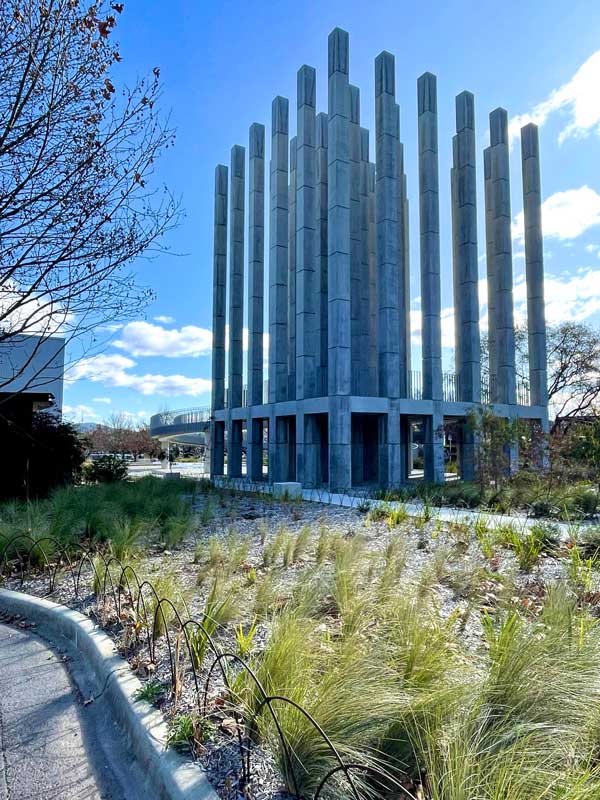
Soak up sky-high architecture at External Dairy Road. (Image: Christine Aldred)
Dairy Road is a place to gather with friends over coffees or craft beers, to pick up a freshly distilled gin, browse an art gallery or to pick up everything from mid-century treasures to chocolate treats. But it is also where business is done. You can test your muscles bouldering, reset with a yoga or wellness session or indulge in a night of drama at the tiny but thoroughly professional Mill Theatre. Perhaps top it off with pre-theatre dinner and drinks, belly-warming ramen and sake from Japanese-inspired Canteen or casual pizza by the fire in front of indoor ski slopes. It’s an intriguing mix.
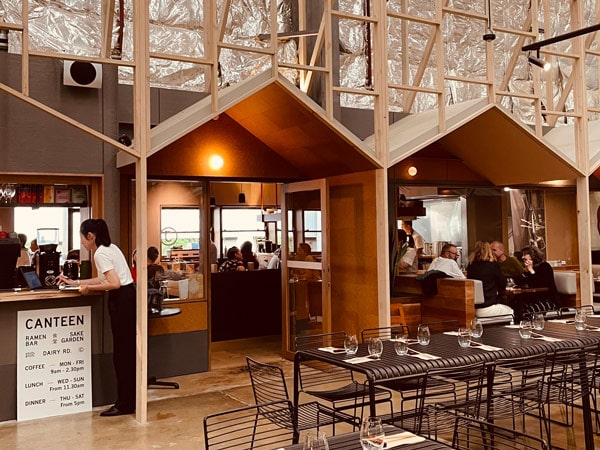
Order up a warm bowl of ramen at Outside Canteen. (Image: Christine Aldred)
Outside, the kids will relish exploring the running stream and garden spaces or run among a towering concrete art installation. If your timing is right, the professional entertainers employed on site may be around to inspire small people with open-ended and creative play while you relax. Watch out for regular community events and markets showcasing local produce. With planned residential accommodation, it’s a forward-thinking place worth visiting and watching.
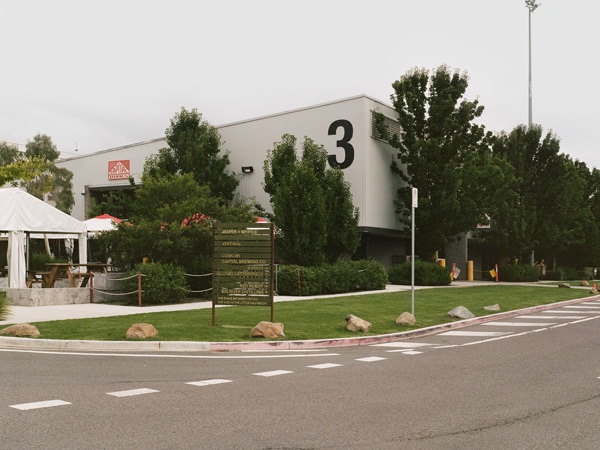
Mingle over a beer at Capital Brewing Co.
3. Canberra Wine District: a new stomping ground for oenophiles
Travelling with: Carla Grossetti
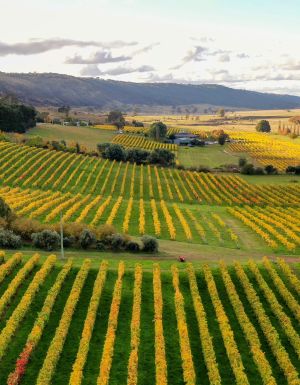
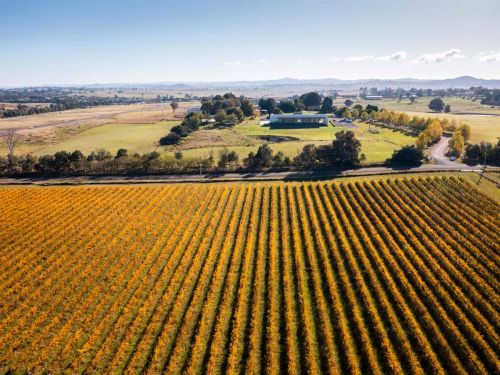
There are just too many cellar doors to squeeze into a weekend stay in the Canberra Wine District. Luckily, this year’s inaugural Stomp Festival made inroads into addressing this dilemma by showcasing more than 25 wineries and producers. Missed the 29–30 April event? No biggie. Just pore over the program and use it as a starting point to inspire your own itinerary. Book a table at Agostinis at Lark Hill, built into the side of Lake George Escarpment.
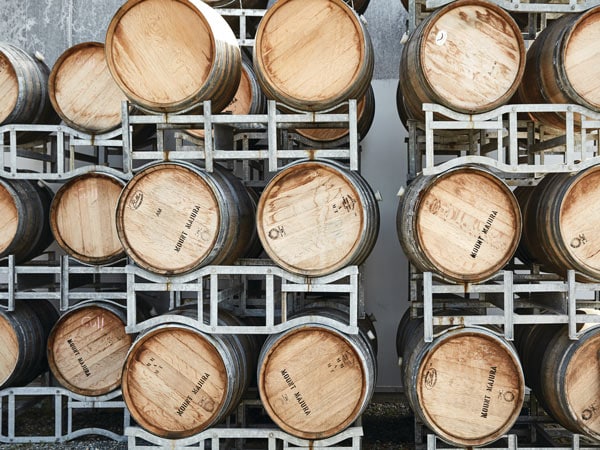
Plot a winery trail through Canberra’s wine region.
Grasp the allure of the region’s cool-climate syrah during a tasting at Eden Road Wines . Or order a tutored tasting at Mount Majura Vineyard and pop into boutique Dionysus Winery.
The Canberra region is divided into three distinct subregions, so be sure to book a few return visits to check out the 140-plus vineyards that make up this exciting cool-climate district.
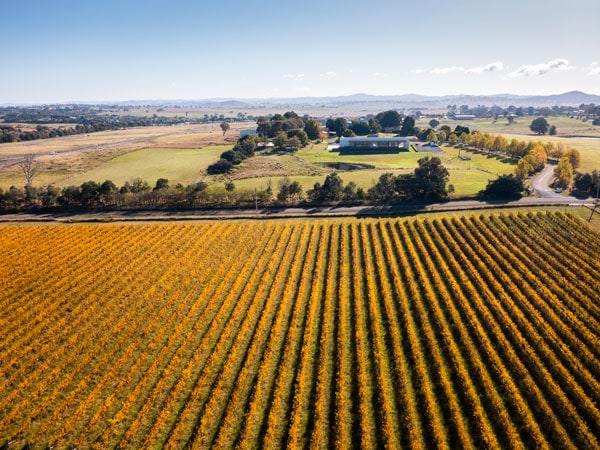
Don’t expect to see it all in one visit – there are over 140 vineyards. (Image: Tourism Australia)
From thundering waterfalls to ancient Indigenous art, Kimberley’s raw beauty will take your breath away.
Wild, pristine, and shaped by nature, the Kimberley Coast is one of Australia’s most spectacular landscapes. A remote and rugged frontier that remains a bucket list destination for many travellers. Its most breathtaking attractions – including Montgomery Reef, King George Falls and Horizontal Falls – are accessible only by sea or air, making a guided expedition cruise aboard Silversea’s luxury expedition ship, Silver Cloud, the ideal way to explore it.
From its intricate intertidal zones to ancient rock art, extreme tides and rare wildlife found nowhere else in Australia – or the world – this journey offers an unparalleled exploration of one of Earth’s last true wildernesses.
Why Silversea?
Silversea offers a 10-day expedition departing Broome, or an extended 16-day expedition voyage from Indonesia, including landings on the hidden gems of Palopo Sulawesi and Komodo. Accompanied by expert guides and specialists in marine biology, history and geology, guests gain a deeper understanding of the Kimberley’s dramatic landscapes, rich cultural heritage and extraordinary biodiversity.
Silversea offers one of the experiential travel industry’s leading crew-to-guest ratios. Along with all-suite accommodation (80 per cent with private verandah), 24-hour butler service, a swimming pool and four dining options. Silver Cloud also has an experienced crew of multilingual expedition guides and specialists in marine biology, history and geology to enhance your Kimberley Experience.
Take a dip in the pool deck.
1. Koolama Bay
Before visitors see King George Falls, they hear them – a growing rumble in the distance, steady and foreboding as the Zodiac glides through the gorge, the sound echoing off sheer rock formations. At 80 meters tall, the twin cascades carve through the red cliffs, churning the waters below in a spectacular finale – but Koolama Bay holds secrets beyond its striking scenery.
Named after a ship that beached here following an aerial attack by Japanese bombers in World War II, the bay may seem desolate, yet it teems with life. With Silversea’s expert guides on their 10-day Kimberley itinerary, guests gain a sharper eye for its hidden wonders – rock wallabies darting across the cliffs, crocodiles lurking among dense green mangroves, and high above, the silhouette of a bird of prey circling the sky.
Take a shore excursion to see King George Falls.
2. Freshwater Cove / Wijingarra Butt Butt
Connect with Country on a wet landing at Freshwater Cove, also known as Wijingarra Butt Butt. Considered one of the most special experiences on both the 16-day and 10-day Kimberley cruises, Silversea guests are welcomed by the traditional Indigenous custodians of the land, painted with traditional ochre, and invited to take part in a smoking ceremony.
Located on the mainland near Montgomery Reef, Wijingarra Butt Butt holds deep cultural significance to the local Indigenous community. Here, rock formations along the shore represent spiritual ancestors, and guests are guided to a nearby rock overhang filled with ancient art, where traditional owners share the stories and meaning behind these sacred paintings.
Take part in a smoking ceremony. (Image: Tim Faircloth)
3. Vansittart Bay (Jar Island)
Modern history, ancient culture and mystery converge in Vansittart Bay, which is also known as Jar Island. Here, the first thing to catch the eye is the dented, silver fuselage of a World War II-era C-53 plane – a striking relic of the past. Yet, the true cultural treasures lie just a short hike away where two distinct styles of Indigenous rock art – Gwion Gwion and Wandjina – can be found.
The Wandjina figures, deeply connected to Indigenous traditions, stand in stark contrast to the enigmatic Gwion Gwion (Bradshaw) paintings, which date back more than 12,000 years. Significantly different in form and style, the two different styles create a striking juxtaposition, offering a rare glimpse into the region’s rich and complex past.
Explore ancient Gwion Gwion rock art at Vansittart Bay. (Image: Janelle Lugge)
4. Horizontal Falls
Part illusion, part natural phenomenon, the Kimberley’s much-lauded Horizontal Falls aren’t a waterfall, but a tidal and geographic spectacle that visitors have to see to comprehend. Known as Garaanngaddim, the phenomenon occurs when seawater rushes through two narrow gaps- one just twenty metres wide, and the other seven metres in width, between the escarpments of Talbot Bay.
With each tidal shift,the force of the water creates whirlpools, furious currents and the illusion of a horizontal cascade as thousands of gallons of water are pushed and pulled in through the gap every six hours with relentless movement, making this one of the Kimberley ’s most mesmerising natural wonders.
Watch whirlpools and furious currents collide. (Image: Janelle Lugge)
5. Montgomery Reef
As the tide turns in Montgomery Reef, magic happens. With the Kimberley’s legendary tides varying up to ten metres, at low tide the submerged reef almost appears to rise from the depths: exposing up to four metres of the sandstone reef.
The impact is otherworldly: as the water drains, waterfalls cascade on either side of the channel,turtles left exposed scramble and dive, and fish leap in search of sanctuary in shallow pools. Meanwhile, the dinner bell rings for the migratory seabirds dugongs, reef sharks and dolphins that scavenge and feast in the area.
Using zodiacs, guests cruise through one of the world’s most significant inshore reef systems navigated by experienced guides, exploring the most intricate and fascinating parts of a 300-square-kilometre-wide biodiversity hotspot.
Witness seabirds, dolphins and reef sharks on the hunt.
6. Mitchell Falls by Helicopter
Experiencing the Kimberley by sea allows you to feel the power of the tides, but travelling by helicopter reveals the sandstone tapestry of the Kimberley, a landscape geologists believe is over 1.8 billion years old.
One of Silversea’s most popular optional excursions, guests who opt to fly into the interior from the onboard helipad soar up above the rust-coloured landscape of the Mitchell plateau, taking in one of Australia’s most scenic waterfalls: Mitchell Falls, a series of four emerald-coloured pools gently cascades into each other, before plunging down to the river below.
Seeing the landscape from above reveals a landscape weaved and shaped by the power of the freshwater wet season, juxtaposed to the constant lapping of the relentless and powerful tide on the coast.
See emerald pools cascade into the river below. (Image: Tim Faircloth)
7. Indigenous Art Caves, Wandjina Art
The Kimberley Region of Western Australia is home to some of the most striking and significant
Indigenous rock art in Australia. Dotted throughout the landscape are caves, cliffs and rock overhangs depicting the striking, ethereal image of Wandjina, the rainmaker spirit and creation being central to many of the Dreamtime stories in this region.
Some of the paintings are regularly repainted by traditional custodians, while others are believed to be over 4,000 years old. Each artwork serves as both a cultural record and a living connection to the past, offering a rare opportunity to engage with the enduring traditions of the Kimberley’s Indigenous communities.
Walk among cultural records preserved in stone. (Image: Tim Faircloth)