6 of the best wineries in Australia

hero media
Raise your glass to Australia’s best wineries where Old World expertise marries with New World innovation with beautiful results.


From meeting leading winemakers from each region to experiencing some of the country’s most beautiful places through their amazing wines, here are a few of the best wineries in Australia.  

1. Boydell’s, NSW 

The first-ever cellar door to open in Morpeth is housed in a historic slab hut near to vine-clad slopes on the banks of the Allyn River. Charles Boydell was one of the first to plant vines in the Hunter when he settled on the property in 1826.


The boutique vineyard in East Gresford is now run by Jane Maroulis and her vigneron husband Daniel Maroulis, who craft small-batch boutique wines made from grapes grown on the farm.


The cellar door will showcase these award-winning wines and in Boydell’s restaurant, where chef Sheldon Black oversees a seasonal menu focusing on local produce.


Boydell’s cellar door and restaurant also has a courtyard and log fire and a luxury safari-style glampsite built for two.
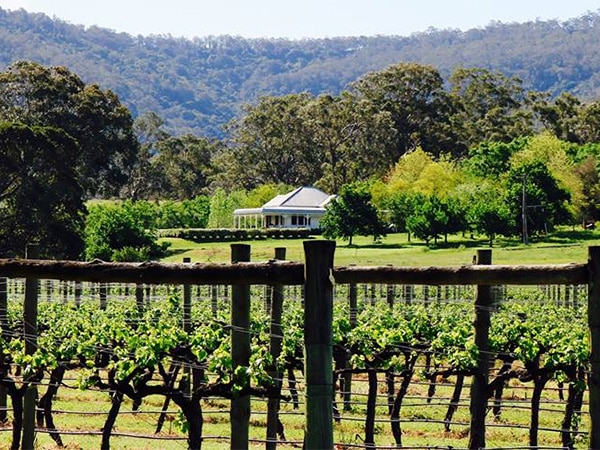
Charles Boydell was one of the first to plant vines in the Hunter

2. Tahbilk Winery, Victoria 

Wine tourists get a very special welcome when they leave the Tahbilk Winery after an Ultimate Winery Experience tour: a 750ml bottle of their own top drop after participating in a blending workshop.


In terms of quintessential Australian vineyard experiences, this place is up there and it’s all too easy to hang out here for a day: known as tabilk-tabilk ‘place of many waterholes’ in the language of the Daung-Daung-wurrung clans, the carbon-neutral winery comprises 1214 ha of rich river flats with a frontage of 11 km to the Goulburn River and 8 km of backwaters and creeks that spaghetti around the surrounds.


Tahbilk is somewhat of a tucked-away secret: located just 90 minutes from Melbourne on one of the nation’s premium viticultural areas. And, as the gnarled and twisted vines at Tahbik Winery attest, the vineyard and its varietals dates back about 150 years.
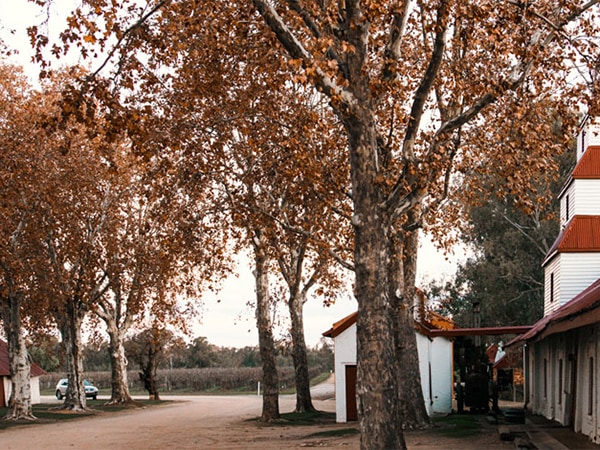
Tahbilk is somewhat of a tucked-away secret

Need tips, more detail or itinerary ideas tailored to you? Ask AT.

AI Prompt

3. Hahndorf Hill, South Australia 

The hills of Adelaide are indeed alive with the Sound of Music at this winery that celebrates the white wine grape grüner veltliner and blaufrankisch (the red version of this grape), which are grown primarily in Austria.


This part of South Australia was settled in the 19th century by Lutherans and Germans fleeing persecution: it is known for its range of quality cool-climate wines and its distinct European feel.


In addition to its pioneering plantings of Austrian grape varieties, the estate produces wines the region is renowned for such as pinot grigio, shiraz and a fresh and dry rosé.


Conscious travellers will appreciate the vineyard’s environmentally sustainable farming methods, which protects the heritage of the hills.


Book a ChocoVino experience, where you can learn about terroir through chocolate and wine matching.
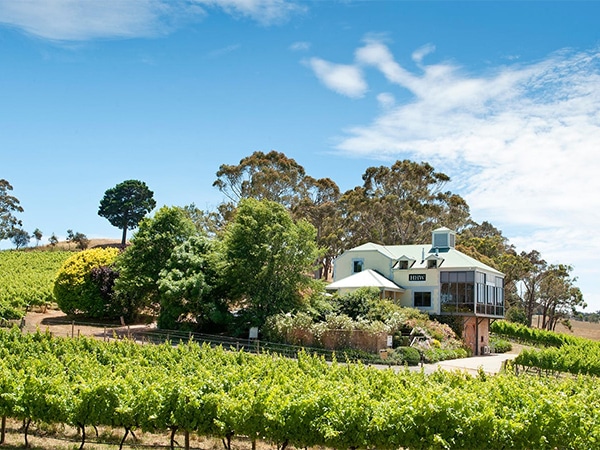
Handhorf seeks to protect the heritage of the hills

4. Bay of Fires, Tasmania 

Head to the north of Tassie past the Tamar River and east into the Pipers River region to find the Bay of Fires, a winery named after this particularly beautiful swathe of the State’s rugged east coast.


The area was named ‘Bay of Fires‘ in 1773 when the aptly named Captain Tobias Furneaux noticed a number of spot fires dotted along the coast, evidence of occupation of the traditional Indigenous owners of the land.


Fast forward a couple of hundred years and winemaker Penny Jones is one of many breaking down the State’s outdated reputation of insularity: Jones has travelled the world to better understand the lay of the land and her now exceptional winemaking knowledge has resulted in some exceptional pinot noirs being produced on the property.


The winery is now one of Tassie’s headline attractions, prompting patronage from local and international oenophiles.
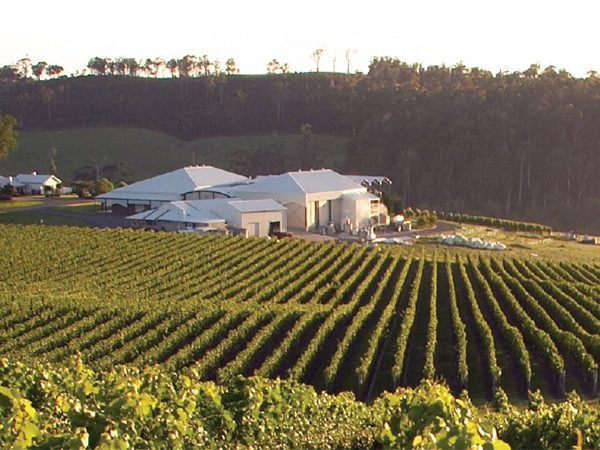
The Bay of Fires winery is named after this beautiful swathe of the east coast

Weekly travel news, experiences
insider tips, offers, and more.

5. Leeuwin Estate, Western Australia 

The cellar door at this family business is theatrically heavy on sandstone and wood, as is the restaurant, and art gallery, which have all been added to the original production facilities, which opened in 1978.


While terroir is said to determine the complexities of a wine and where it’s from, the estate in Margaret River in WA is also defined by its dedication to fine wine, food and art.


As well as producing wines ranked as some of the best in the world, Leeuwin Estate showcases its sense of place by staging world-class events.


It also embraces the arts by linking concerts and Art Series events back to its labels, which feature leading contemporary Australian artists.


Do a few hot laps of the gallery, which includes artworks from Lloyd Rees, Sir Sydney Nolan, John Olsen and Arthur Boyd.
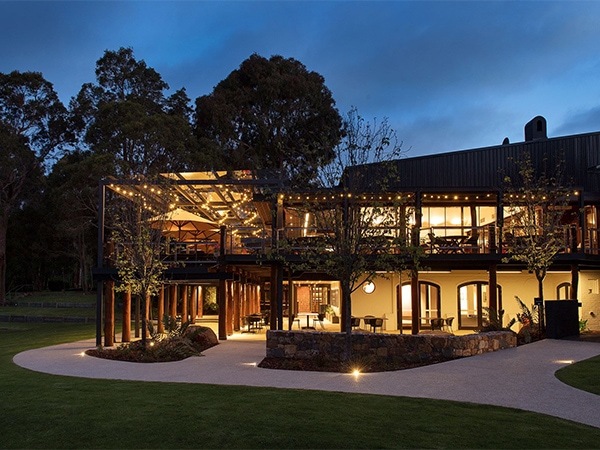
Leeuwin Estate showcases its sense of place by staging world-class events

6. Helm Wines, Canberra District 

The crisp, cool climate of the Canberra district enables winemakers in the region to craft complex wines of great subtlety and elegance.


A tutored tasting at Helm winery, housed in the original 1888 public school house, is a very intimate experience.


After 22 years of working as a horticulture scientist at the CSIRO, Helm purchased the 15 hectare property in 1973 and set up one of the district’s first wineries with wife Judith.


After his first wine, made in 1977, won first prize at the Forbes Wine Show, Helm figured he was onto a good thing: he is now credited with helping establish the Canberra District Wine Region’s reputation for producing world-class cool-climate wines. To go to the cellar door and find Helm himself there is a beautiful thing.
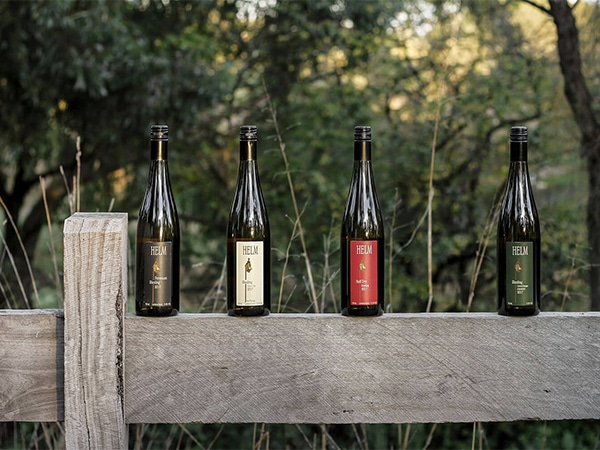
A tour of Helm wines is a very intimate experience
Carla Grossetti
Carla Grossetti has written across print and digital for Australian Traveller and International Traveller for more than a decade and has spent more than two decades finding excuses to eat well and travel far. A prestigious News Corp cadetship launched her career at The Cairns Post, before a stint at The Canberra Times and The Sydney Morning Herald gave way to extended wanders through Canada, the US, Mexico, Central America, Asia and Europe. Carla was chief sub editor at delicious and has contributed to Good Food, Travel & Luxury, Explore Travel, Escape. While living in London, Carla was on staff at Condé Nast Traveller and The Sunday Times Travel desk and was part of the pioneering digital team at The Guardian UK.
View profile and articles
hero media

From hot springs to tasty treats: your wellness guide to Gippsland Lakes

    Gemma Kaczerepa Gemma Kaczerepa
    Rest and recuperate in the East Gippsland region, a haven of natural hot springs, seasonal festivals and really tasty things to eat.

    It’s about this time of year that the buzz of the summer holidays is well and truly behind us, and the pressures of the day-to-day are starting to pile up. The solution? A proper weekend escape, ideally one with a focus on rest, relaxation and total reset.

    East Gippsland delivers all three in spades. Here, you’ll find charming towns, natural scenery alive with wildlife and easygoing experiences – think steamy hot springs and idyllic lakefront stays that practically force you to unwind.

    The Gippsland Lakes are one of the region’s highlights, a sprawling network of glassy waterways with a seriously calming atmosphere. Spend a few days here, and you’ll be well and truly recharged.

    Here’s where to eat, stay, explore and unwind for a wellness-focused weekend in this gorgeous region.

    Getting there

    aerial of lakes entrance
    Visit lakeside villages like Lakes Entrance.

    East Gippsland is a patchwork of towns, each with its own personality: coastal gems like Marlo and Mallacoota, lakeside villages including Metung, Paynesville and Lakes Entrance and a smattering of inland communities.

    From Melbourne, getting to each is easy. The region can be reached by car in around four hours, just a smooth drive along the Princes Highway.

    If you’re driving to or from Sydney, many of the towns sit along the legendary Sydney to Melbourne coastal drive, which winds its way through Lakes Entrance, Orbost, Marlo and Mallacoota.

    Having a car makes exploring the region a breeze, as you can pull over at farm gates, take scenic detours and go at your own relaxing pace.

    Winter delights

    Bruthen Medieval event at East Gippsland Winter Festival
    Experience that East Gippsland Winter Festival. (Credit: Naomi Rahim)

    Winter is a particularly good time to visit. The East Gippsland Winter Festival is a raucous celebration of wintery food, drink, music and experiences, taking place over an entire month and in different towns.

    Expect re-enactments, games, roving performances and fiery displays at the Bruthen Medieval event. Feast your way through regional bites and watch live wood carving and a hotly contested dumpling-eating competition in the waterside town of Metung. Head to Lakes Entrance for one of the festival’s signature events, Lakes Lights: Gardens of the Galaxy – a slightly cosmic and totally mesmerising display of lights. Or book a seat at the Nicholson River Trestle Bridge Long Lunch. This long-table feast stretches across the entire bridge, with sweeping river views and top-tier local produce.

    Where to stay

    Metung Hot Springs
    Rejuvinate at Metung Hot Springs.

    Metung is also a much-loved destination for natural hot springs – warm mineral pools believed to restore and detoxify the system. Here, you’ll find a network of tranquil springs fed with water sourced 500m below the surface, all at varying temperatures but with a healthy mix of soothing minerals and trace elements. Each looks over the stunning surrounding lakes, only adding to the sense of serenity.

    Extend the relaxation by booking into Metung Hot Springs. The property is home to a collection of glamping tents – either perched on the hillside or overlooking the lagoon – that deliver after-hours access to the springs. These are no ordinary tents; expect plush linens, beautifully curated furnishings, warm service and a complimentary gourmet breakfast delivered daily.

    Alternatively, book a night or two at Idle Lake House – a gorgeously appointed hideaway in Lakes Entrance. The aesthetic is moody, modern and very cool, and the property is situated right on the water’s edge with floor-to-ceiling windows that immerse you in the surroundings.

    Where to eat

    table spread at Sodafish in east gippsland victoria
    Sit down at the floating restaurant, Sodafish. (Credit: We Are Explorers)

    Given its wealth of fresh seafood and exceptional produce, East Gippsland is home to a vast selection of eateries, with options to suit all tastes and budgets.

    For something a little bit fancy, Sardine Dining in Paynesville is a must-visit. The hatted restaurant serves a seasonal seafood-focused menu made with premium local ingredients, while the adjoining wine bar is a top spot for a regional drop and a light snack.

    If you’re after a relaxed bite, Sodafish in Lakes Entrance is your best bet. This floating restaurant sits right atop the water, with a vibrant and fresh menu centred on locally caught seafood. Anything off the menu is delicious, but the whole roasted snapper and locally sourced fish and chips are standouts.

    Or luxuriate with a long afternoon at the nearby Slipway. This waterfront dining precinct hosts a mix of vendors serving casual food, craft drinks and regionally made goods.

    Exploring the great outdoors and local culture

    wild koala in the tree
    Keep an eye out for the locals. (Credit: Tyson Mayr)

    No wellness weekend would be complete without immersing yourself in the beauty and tranquillity of East Gippsland’s outdoors.

    Head to Raymond Island – a small island just off Paynesville – to spot local koalas along the Koala Trail. This two-kilometre stretch is one of the few places where you can see koalas doing their thing in their natural habitat, with more than 200 living on the island. Leave the car in Paynesville; the trail can only be accessed on foot.

    Next, explore the Gippsland Lakes Discovery Trail, which starts in Colquhoun and ends in Lakes Entrance. Across 23 kilometres, you’ll spot native flora and fauna (including lace goannas) and pass by remnants of the tramway that once serviced timber workers in the area.

    Finish up your East Gippsland jaunt with a visit to Gunaikurnai Cultural Hub. The centre houses an Aboriginal Art Gallery displaying contemporary works by Aboriginal artists, and a Bush Cafe serving breakfast and lunch classics and excellent cakes. Pick up a slice and a coffee for your trip back to the city.

    Start planning the ultimate wellness escape in Gippsland Lakes at visitgippsland.com.au.