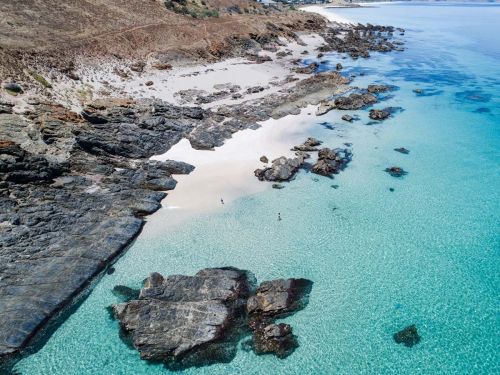
The awkward moment when you realise you’ve been mispronouncing a place your whole life…
In Australia, our place names often originate from First Nations languages that have unique phonetic structures and sounds that are uncommon in English. Unfortunately, that means they are often mispronounced.
New research by language learning and culture experts Preply has analysed Australian place names and revealed the biggest tongue twisters.
Sylvia Johnson, head of methodology at language learning and culture experts Preply, says Australian place names are a clue to the country’s unique cultural heritage.
“While accurate translations and spellings may have been lost to time, many Australian place names are emblematic of those who have existed before," she says.
“When it comes to pronouncing long or unfamiliar place names, my advice is to speak the name slowly and sound out each syllable. Hearing the name phonetically can help imitate the native pronunciation."
How many of these places can you pronounce correctly on the first try?
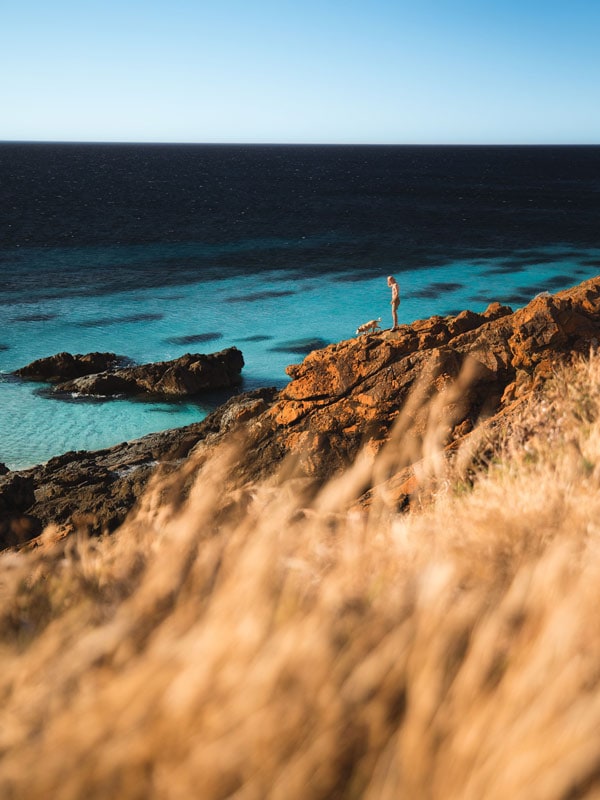
10. Albury-Wodonga, NSW/Victoria
The border city of Albury-Wodonga is separated by the Murray River with Albury in NSW and Wodonga in Victoria. The Albury-Wodonga area was known as Bungambrawatha, or ‘Homeland’, by the Wiradjuri people, until 1838 when colonisers decided ‘Albury’ was easier to pronounce. Wodonga, meaning ‘bulrushes’, still retains its Aboriginal name.
Pronunciation: Al-buh-ree-Wod-on-gah
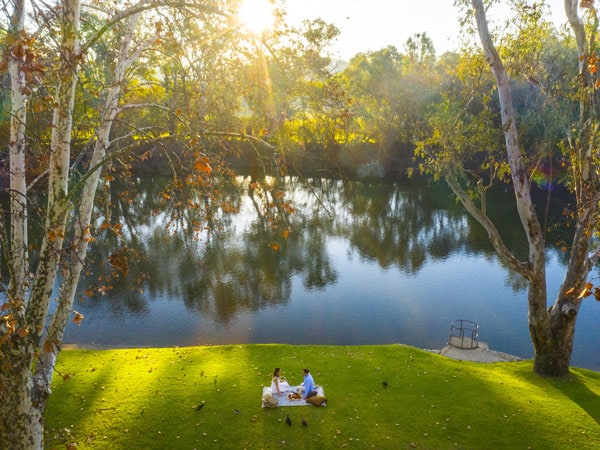
9. Widgiemooltha, Western Australia
An abandoned town in Western Australia, Widgiemooltha is not quite a ghost town, but it was once a thriving mining community found on the southern shoreline of Lake Leffroy. Located on Kalaako land, Widgiemooltha is believed to be derived from a word meaning ‘beak of an emu’.
Pronunciation: Wid-gee-mool-tha
Need tips, more detail or itinerary ideas tailored to you? Ask AT.
AI Prompt
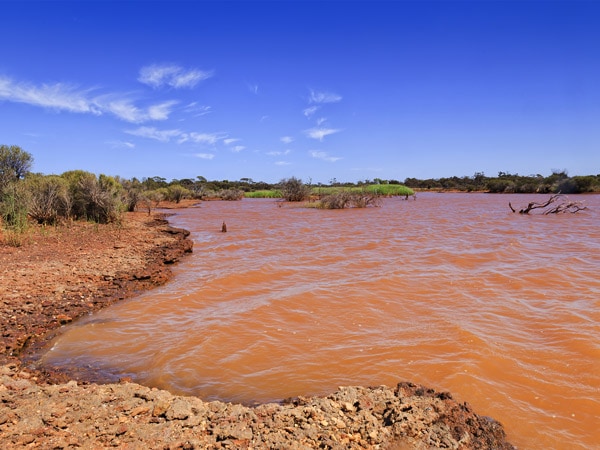
8. Koolyanobbing, WA
Meaning ‘place of large rocks’, Koolyanobbing is an iron ore mining town between Perth and Kalgoorlie on Kapurn Country. Salt is also harvested from nearby Lake Deborah, a five-million-year-old salt lake.
Pronunciation: Kool-yah-nob-ing
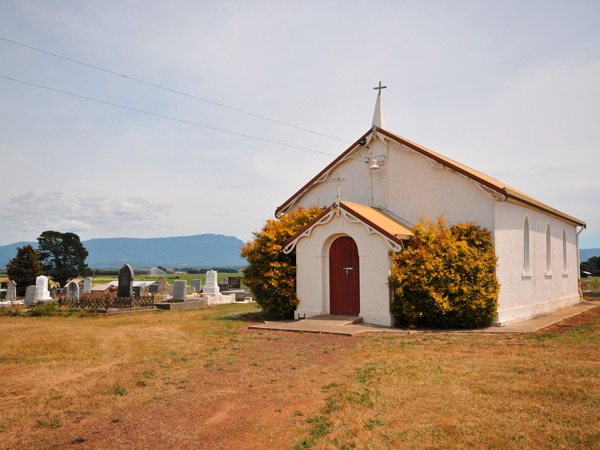
7. Bishopsbourne, Tasmania
Bishopsbourne, or The Bourne as it’s called by the locals, is a tiny rural town (only 137 residents were recorded in the 2021 census) in northern Tasmania around half an hour from Launceston. The 13-letter place name is the easiest one for me on this list!
Pronunciation: Bish-ops-bourne
6. Carrickalinga, South Australia
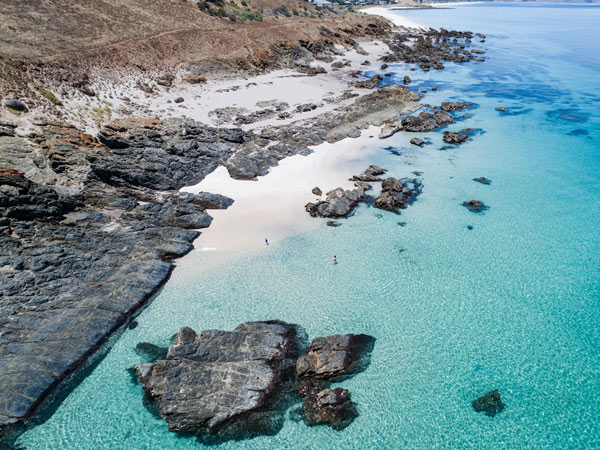
Carrickalinga – or Karrakardlangga/Karragarlangga in Kaurna, a branch of the Pama–Nyungan languages – is a small, coastal town on South Australia’s Fleurieu Peninsula, on Kaurna land. The name is reportedly a corruption of the name given to a former Aboriginal camp meaning ‘place of redgum firewood’.
Pronunciation: Ka-ruh-kuh-ling-guh
5. Coonabarabran, NSW
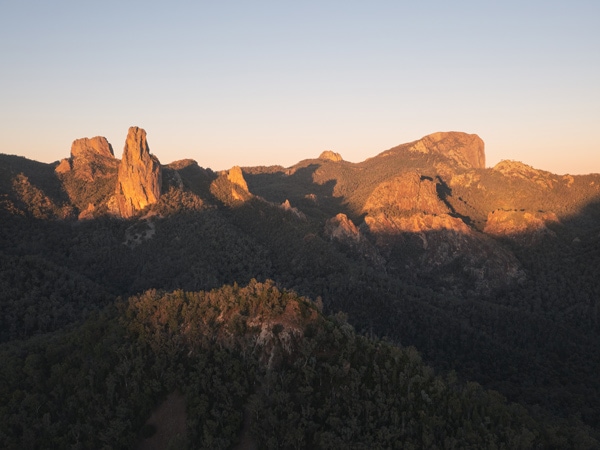
On Wiradjuri Country, Coonabarabran is a small town that sits on the divide between the Central West and the North West Slopes regions of NSW. Meaning ‘inquisitive person’, Coonabarabran is actually the stargazing capital of Australia! The town is right beside Warrumbungle National Park, Australia’s first International Dark Sky Park.
Pronunciation: Koo-nuh-ba-ruh-bran
Weekly travel news, experiences
insider tips, offers, and more.
4. Nowra-Bomaderry, NSW
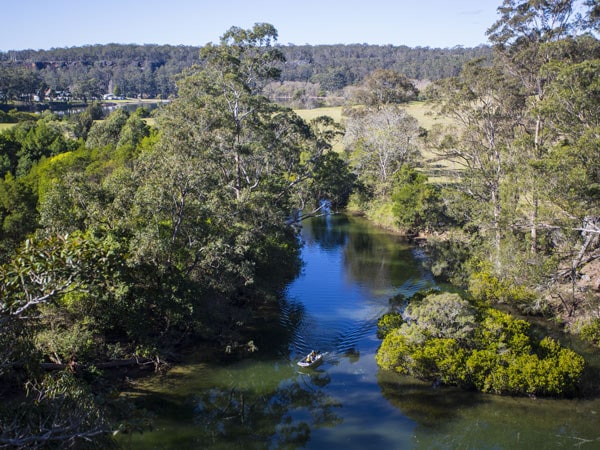
Nowra-Bomaderry is one of the easier place names to say on this list, but it does have 14 letters in its name. Nowra-Bomaderry sits on either side of the Shoalhaven River on the NSW South Coast. The land to the north of the river is Dharawal Country, and the land to the south is Yuin Country. Nowra means ‘black cockatoo’ and Bomaderry means ‘fighting ground’ or ‘running water’ in the native languages.
Pronunciation: Now-rah-bow-ma-de-ree
3. Boomahnoomoonah, Vic
Containing 15 letters, Boomahnoomoonah comes in third for Australia’s longest place names. Boomahnoomoonah is located roughly three hours’ drive from Melbourne, in the Shire of Moira in Victoria, an area known for its agriculture. Sitting between Yarrawonga and Wangaratta in north-eastern Victoria, Boomahnoomoonah is said to mean ‘big water’ in the local Yorta Yorta language.
Pronunciation: Boo-mah-noo-moo-nah
2. Cadibarrawirracanna, SA
Lake Cadibarrawirracanna is one of Australia’s beautiful salt lakes located near the well-known Kati Thanda–Lake Eyre in South Australia. It’s also the second biggest tongue twister when it comes to Australian place names with 19 letters. Often referred to as Lake Cadi, Cadibarrawirracanna means ‘the stars were dancing’ in the Arabana language.
Pronunciation: Cad-i-bar-rah-wir-a-can-nah
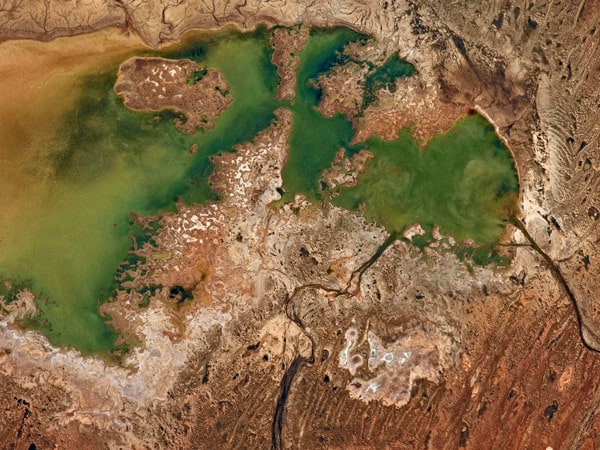
1. Mamungkukumpurangkuntjunya, SA
Taking out the top spot is Mamungkukumpurangkuntjunya, a hill in the Aṉangu Pitjantjatjara Yankunytjatjara lands of South Australia. With 26 letters, Mamungkukumpurangkuntjunya translates to ‘where the devil urinates’.
Pronunciation: Ma-mung-koo-kum-pu-rang-kunt-jun-ya
Want to see more stories from Australian Traveller in your Google search results?
- Click here to set Australian Traveller as a preferred source.
- Tick the box next to "Australian Traveller". That's it.