Australia is blessed with more than 8000 stunning islands – from the remote and rugged to the ultimate in luxury destinations. But exactly which island is best for you?
Christmas Island
Located in the Indian Ocean 2600 kilometres north-west of Perth and closer to Asia than to mainland Australia, Christmas Island is unlike anywhere you’ve ever visited before – and might just be one of the country’s best-kept secrets.
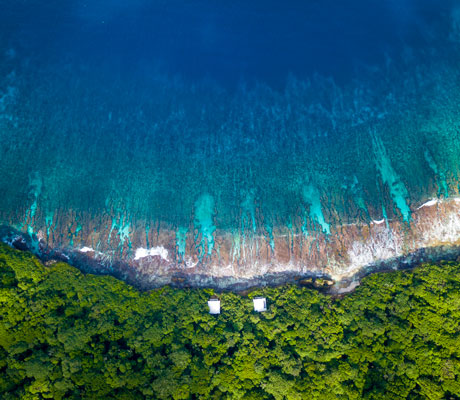
It’s a true island paradise of tropical jungle fringed by turquoise waters that has so much more to offer than the headlines would lead you to believe – even beyond the staggering number of endemic wildlife species that gave rise to the nickname ‘Galápagos of the Indian Ocean’.
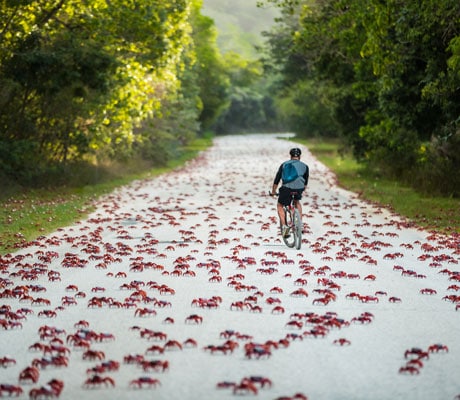
Come for the crabs made famous by Sir David Attenborough and stay for the luxury eco retreat Swell Lodge, secret swimming spots, snorkelling and an intriguing melting pot of cultures.
Cocos Keeling Islands
Like Christmas Island, the Cocos Keeling Islands is another external Australian territory in the Indian Ocean, and together they’re known collectively – and rather romantically – as Australia’s Indian Ocean Islands.
About halfway between Perth and Sri Lanka, this is a tranquil and unspoilt atoll of 27 islands where days are spent lazing on long stretches of white-sand beaches, visiting uninhabited islands by canoe (only two are inhabited), kite surfing, fishing and snorkelling.
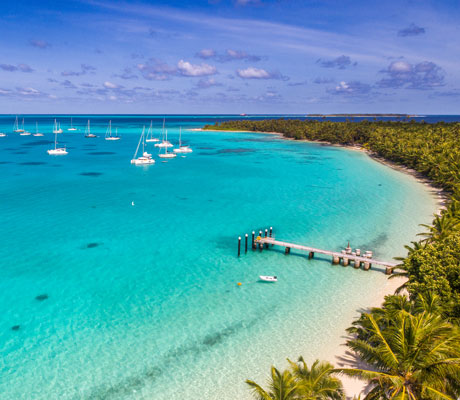
You can also catch a ferry to Home Island to learn about the culture and traditions of the Coco Malay people.
Need tips, more detail or itinerary ideas tailored to you? Ask AT.
AI Prompt
Tiwi Islands
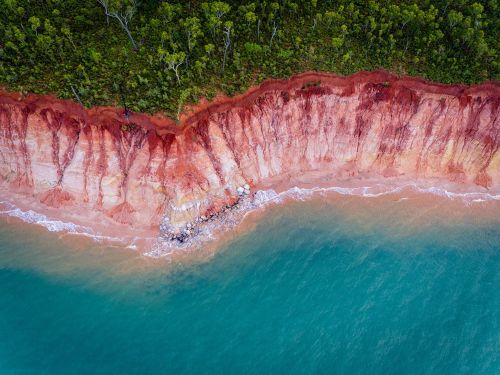
Course across the water from Darwin to soak in the rainbow of landscapes and culture that is the Tiwi Islands: with its tropical rainforests, clay-like cliffs and white-sand beaches matched in colour by its residents’ artistic flair and passion for sports. This strong pulse can be felt across the Tiwis’ two main islands, Bathurst and Melville, and culminates each year in the Tiwi Islands Football Grand Final and Art Sale (the one time when you can visit without a permit).
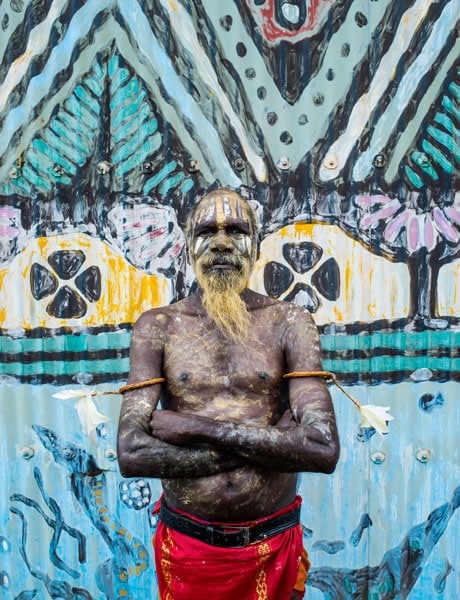
But you can experience this pulse year round: join a cultural tour to witness the distinctive fabric prints, pottery and sculptures the Tiwi people are renowned for and get to know a lifestyle that’s at once ancient and modern. Be sure to stay at a beachside fishing lodge to see sunsets like no other.
Norfolk Island
Resting between New Zealand and New Caledonia, Norfolk Island is – geographically speaking – closer to Auckland than Sydney (600 kilometres in fact), yet it is officially part of NSW.
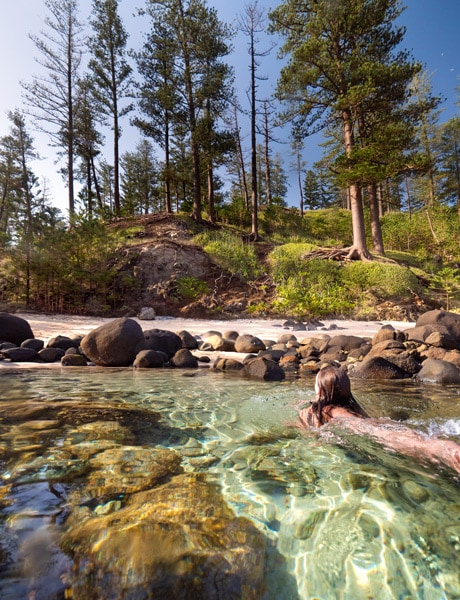
A sub-tropical South Pacific island of rolling plains and dense pine forests – the iconic Norfolk Pine – with a craggy coastline that gives way to sparkling bays and world-class dive sites, it’s full of surprises. Chief among them is the local tongue. Norfolk’s islanders are descendants of the mutineers from the Bounty who once upon a time outgrew their home on Pitcairn Island and moved here, and the language, as a result, is a beguiling mix of 18th-century seafarer’s English and Tahitian.
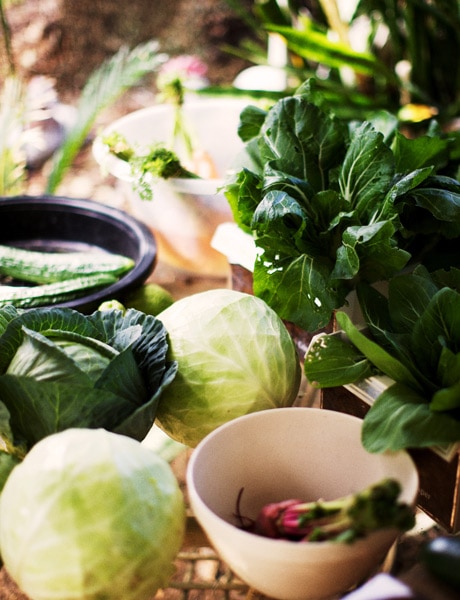
Then there’s its growing reputation as a food-lover’s destination. Harnessing the abundance of homegrown produce, from fresh fish and beef to honey and cheese, Norfolk Island excels in the paddock-to-plate philosophy, and visitors can experience everything from progressive dinners at locals’ homes to simple but superfresh sunset fish fries.
Weekly travel news, experiences
insider tips, offers, and more.
Lord Howe Island
Like its ‘neighbour’ Norfolk Island (900 kilometres to the north-east), Lord Howe Island is World Heritage listed and the remnant of a volcano that was active two to three million years ago.
A tiny island in the Tasman Sea, east of Port Macquarie, it is characterised by sandy beaches, subtropical forests and clear waters surveyed by the impressive Mt Gower, standing tall at 875 metres and rated as one of Australia’s best day walks.
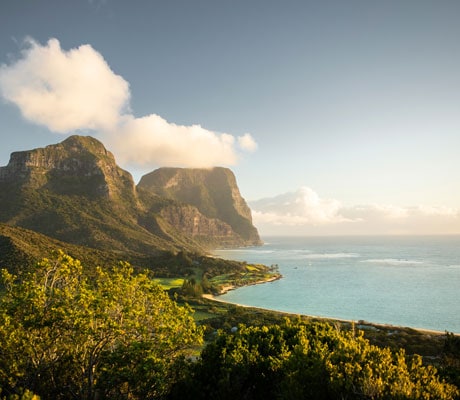
Less than a two hour flight from Sydney and Brisbane, Lord Howe is also synonymous with luxury. And not just barefoot luxury or the luxury of only 400 guests being permitted onto the island at any one time, but the ‘I never want to leave’ kind of luxury in the shape of Capella Lodge.
This Luxury Lodge of Australia boasts spectacular views over emerald ocean and awe-inspiring peaks, which are best gawped at while floating in the horizon pool, dining at its destination restaurant, or from the absolute serenity of your suite – one of just nine.
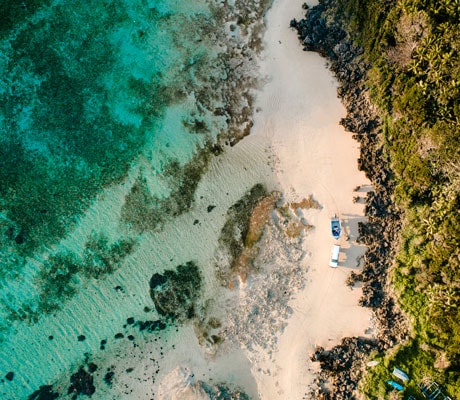
And when you’re not busy doing not much at all, see how many of the 500 species of fish and 90 species of coral you can spot while snorkelling the Lord Howe Island Marine Park, catch some fish, or dabble in some citizen science.
Discover the other destinations and experiences that made it into our Top 100 Ways to Holiday Here This Year special edition of Australian Traveller.
Want to see more stories from Australian Traveller in your Google search results?
- Click here to set Australian Traveller as a preferred source.
- Tick the box next to "Australian Traveller". That's it.

Australian Traveller
View profile and articles