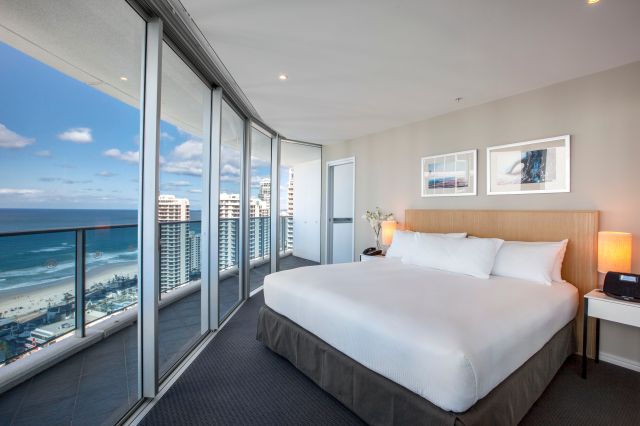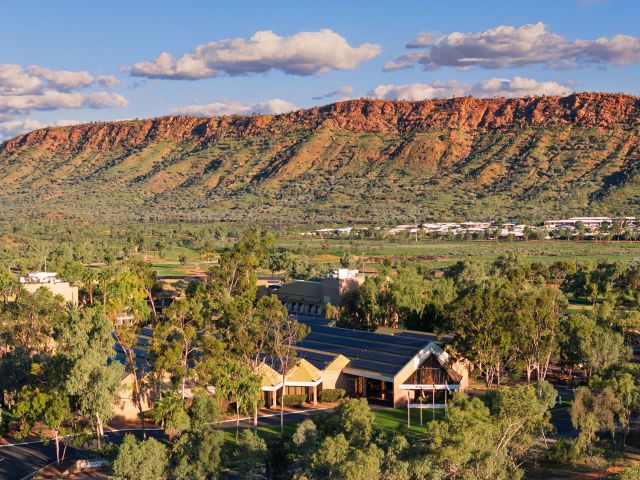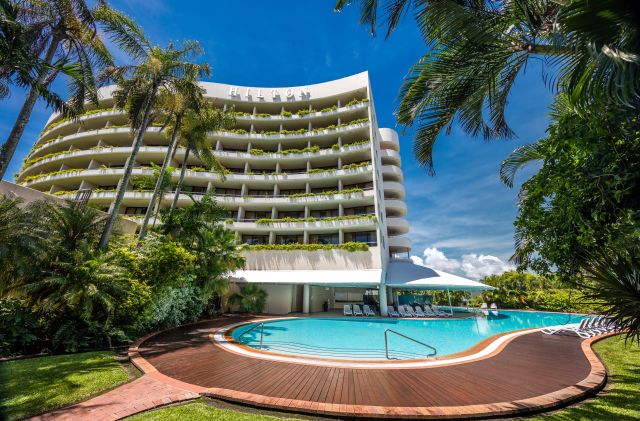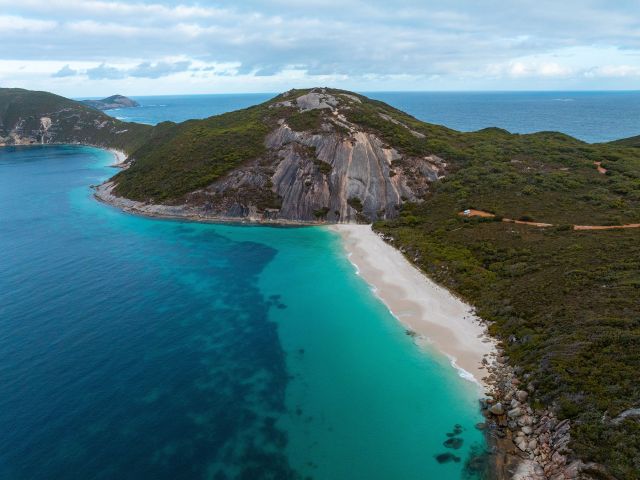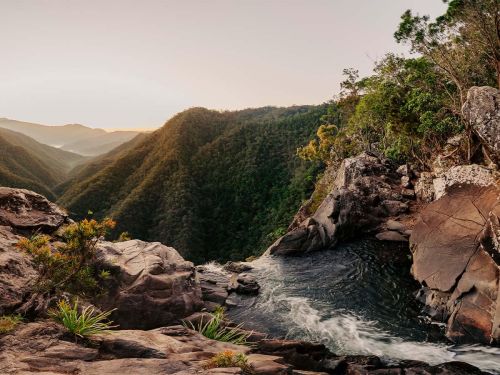
Taking in the best views around Australia is a study in colour, from the red outback to the emerald rainforests and waterways that span the spectrum of blue.
There are so many exquisite scenic lookouts in Australia, each one as unique and breathtaking as the last. And although we think there is a near-infinite number of magnificent views, we’ve rounded up our picks for the top 10.
Some are iconic, immortalised on postcards sent around the world. Some are lesser-known gems, well worth going off the beaten track for. But all illustrate just how beautiful and diverse Australia’s landscapes are. Without further ado, these are the most scenic lookouts in Australia.
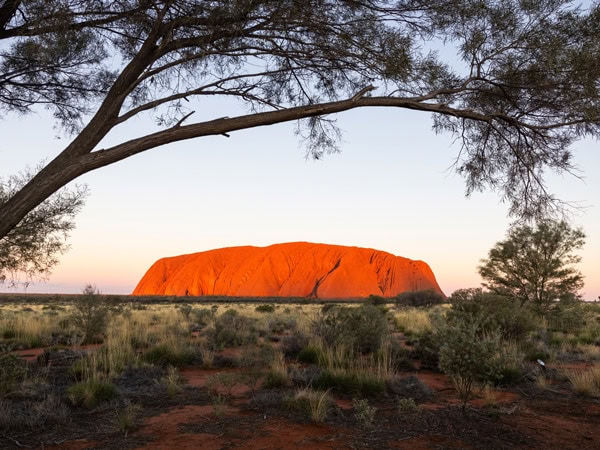
1. Uluru observation deck, NT
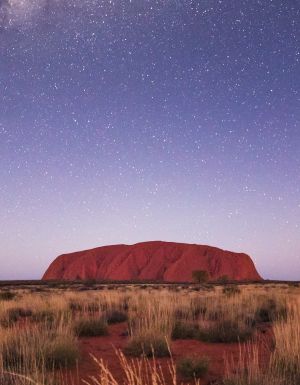
Uluṟu punctuates the nation’s centre like a navel, mysteriously bursting from the sprawling plains of the Red Centre and rising 348 metres into the air. The rock acts like a projection screen for the sun and shadows that dance across the rock face throughout the day, changing colour like a giant mood ring. There’s no better place to take it all in than at Uluṟu’s observation deck. Head there at sunrise or sunset to witness the show of a lifetime.
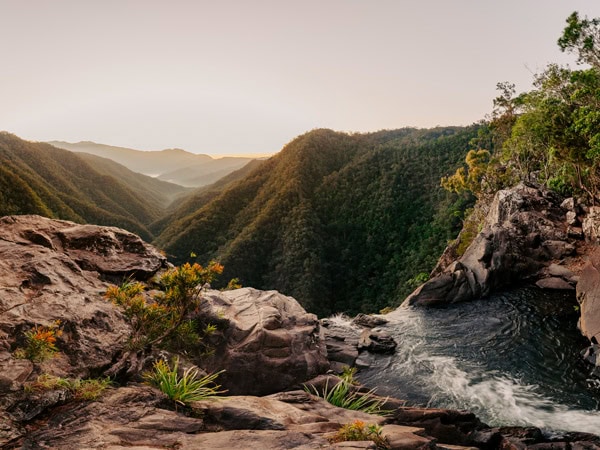
2. Windin Falls, Tropical North Queensland
Not every scenic lookout offers a natural infinity pool to soak in while you admire the landscape. But from the top of Windin Falls, you can take in the emerald rainforests of Tropical North Queensland as you soak in the freshwater. This one is off the beaten track – you’ll need to drive offroad and hike 45 minutes. But you’ll be well rewarded when you reach the top.
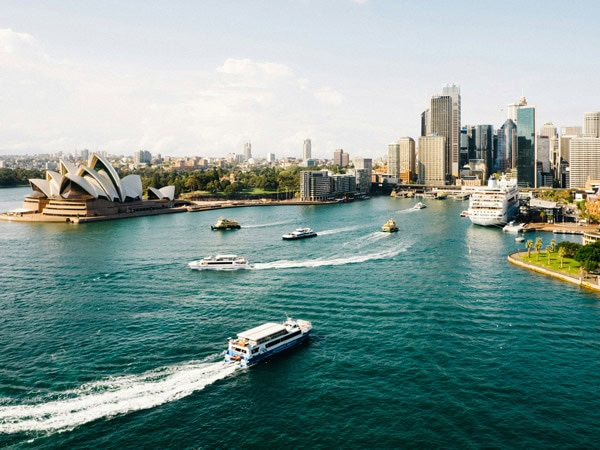
3. Sydney Harbour Bridge, Sydney, NSW
Sydney Harbour is one of the most identifiable landmarks in the world. This is due to the unmistakable nested shells of the Sydney Opera House, the boat-and-ferry-flecked water and the sandstone embankments that radiate gold in the summertime.
A walk across Sydney Harbour Bridge is a must-do, transporting pedestrians over the glossy water to reveal glorious views of the inlet. The 1.4-kilometre walk across is flat, easy and made accessible with lifts at either end. If you’re not afraid of heights, opt to climb the Harbour Bridge with Bridge Climb to arrive at the ultimate vantage point.
Need tips, more detail or itinerary ideas tailored to you? Ask AT.
AI Prompt
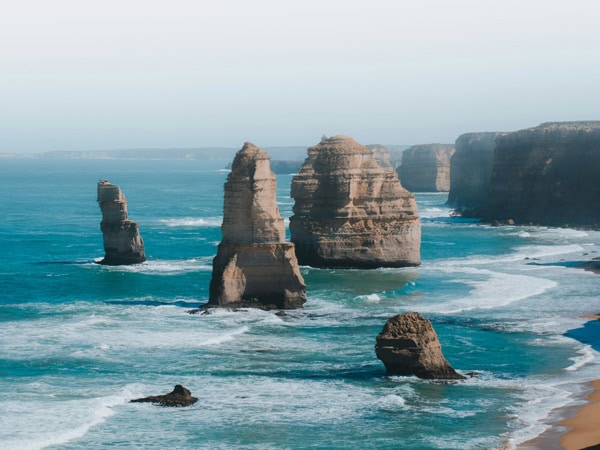
4. Twelve Apostles, Great Ocean Road, Vic
There may only be eight apostles left standing. But that doesn’t make Victoria’s natural rock formations any less striking.
These limestone stacks by the iconic Great Ocean Road can be viewed from several lookouts, but the most famous one takes in six. It’s a beautiful view enjoyed by millions of people, and ultimately, an ephemeral reminder of the impermanence of nature.
5. Echo Point, Blue Mountains, NSW
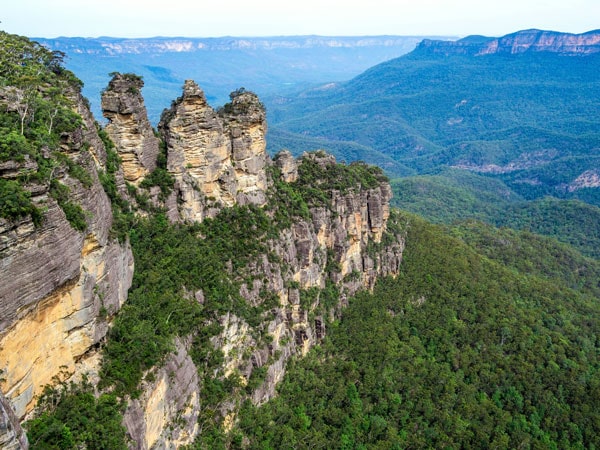
The Three Sisters is immediately what comes to mind when most people think of the Blue Mountains. This iconic rock formation was formed over 200 million years ago and is steeped in thousands of years of Gundangurra, Wiradjuri, Tharawal and Darug lore and history.
Here, you can feel the primordial essence, especially when evening sets in, and the landscape begins to shimmer beneath an intense purply-blue haze.
6. ‘The Neck’, Bruny Island, Tas
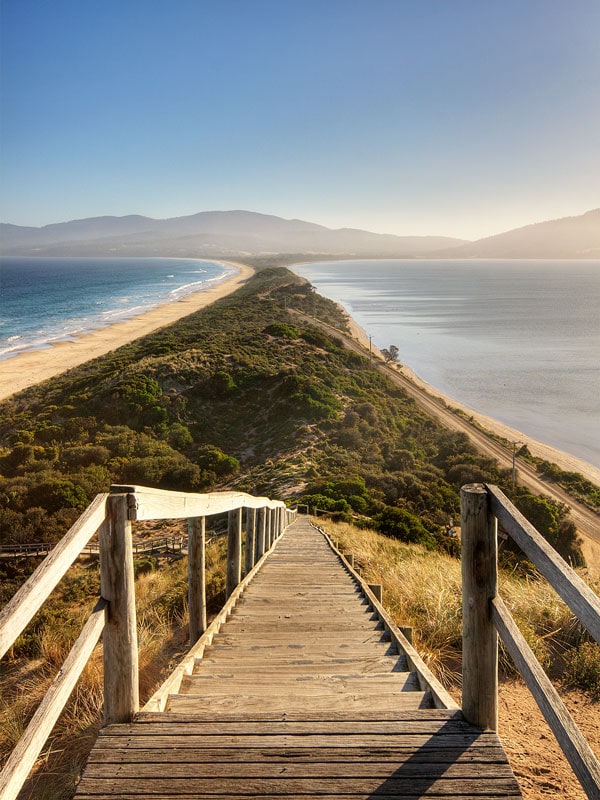
Bruny Island is full of spectacular views, from waddling little penguins to the ribbons of the beach that fringe this petite islet off the coast of Tassie.
The most spectacular spot to snap a picture, though, is at ‘The Neck’, which looks out to the narrow isthmus that connects North and South Bruny Island. It’s quite a sight to see the two bays converging so close that they almost touch.
7. Marion’s Lookout, Cradle Mountain, Tas
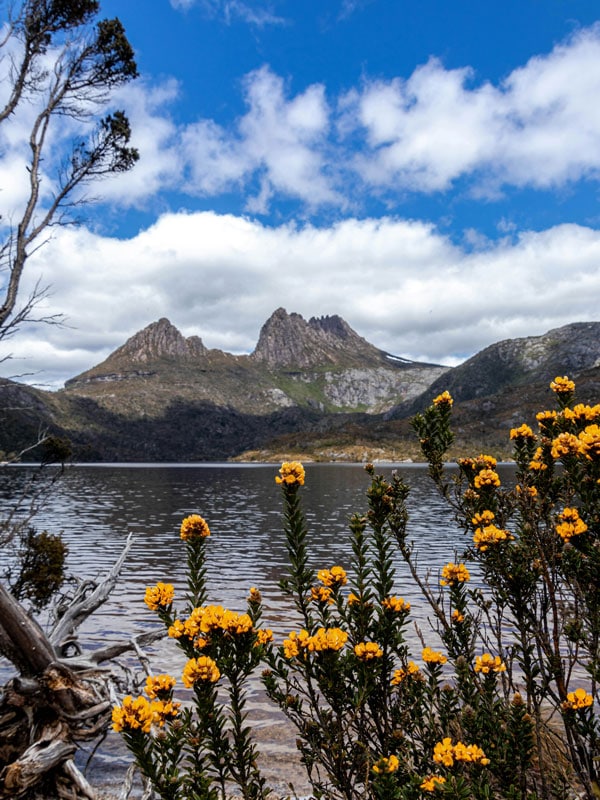
It’s hard to pick just one viewpoint in Cradle Mountain National Park. Marion’s Lookout is rather spectacular for its unspoiled views of Cradle Mountain’s iconic peaks, as well as a view of Dove Lake and Crater Lake.
It’s a steep climb to reach the lookout, but don’t stress if you’re not a fan of tough hikes. One of the best views of Cradle Mountain can be enjoyed from the base at Dove Lake. On a clear day, the glassy waters reflect the mountains above, doubling the spectacle.
Weekly travel news, experiences
insider tips, offers, and more.
8. Razorback Lookout, Ikara-Flinders Ranges National Park, SA
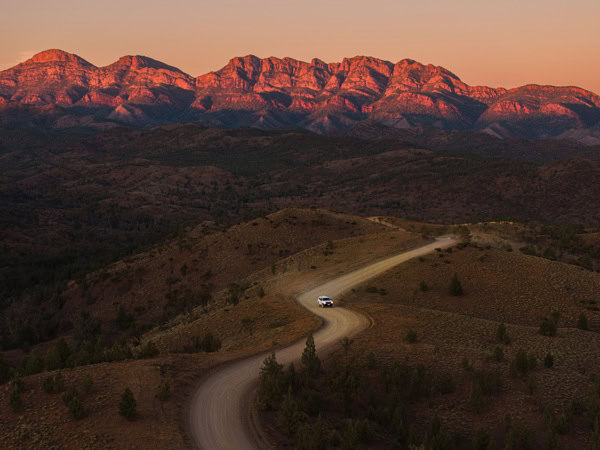
The Flinders Ranges are an unsung outback icon located 500 kilometres north of Adelaide. This mountain range is approximately 800 years old, and a sacred place to the Adnyamathanha Traditional Owners. Razorback Lookout takes it all in, a lonely road drawing the eye to the majestic mountains in the distance.
9. Oxer Lookout, Karijini National Park, WA
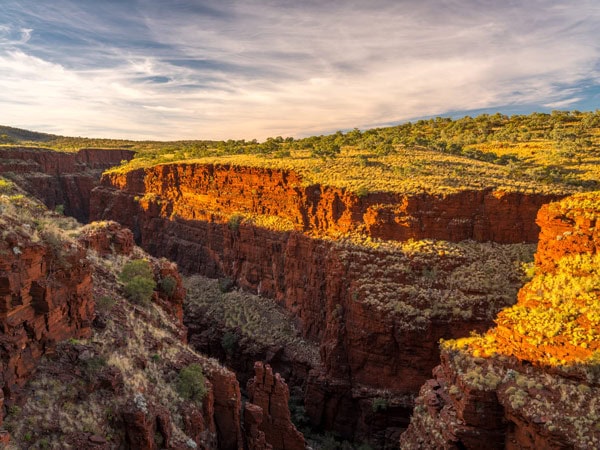
Oxer Gorge is one of the most magnificent lookouts in Karijini National Park, due to its location on the convergence point of four gorges.
Here, you’ll gaze 100 metres into the chasms below into the teal water that beautifully contrasts the russet-red rocks. This view isn’t for the faint-hearted!
10. Cape Du Couedic, Kangaroo Island, SA
Kangaroo Island is known for its striking blue waters and abundance of wildlife.
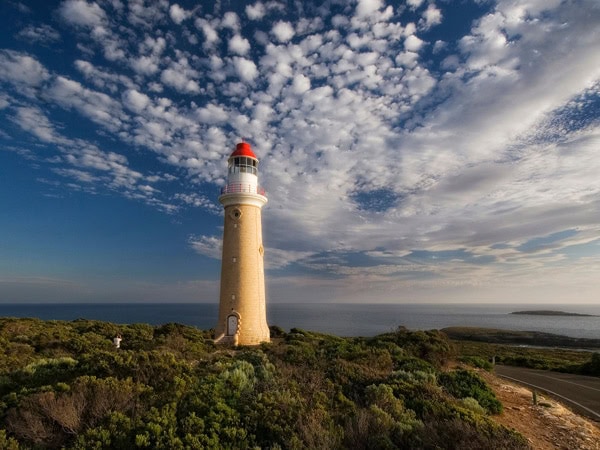
You can’t really go wrong with a coastal view here, but one of the most charming places to get a glimpse out at the endless blue is Cape du Couedic Lighthouse, a red-capped relic of the early 1900s that still lights up today.
Want to see more stories from Australian Traveller in your Google search results?
- Click here to set Australian Traveller as a preferred source.
- Tick the box next to "Australian Traveller". That's it.