From ocean to plate: catch and cook on the South Coast

hero media
Elisha Kennedy dives into the catch-and-cook philosophy, literally, by taking a hands-on tour through the bountiful waters of NSW’s Far South Coast.

We had always planned to make our road trip to the base of the New South Wales south coast our ‘seafood holiday’. As city-dwellers, my partner and I relished the opportunity to cast our phones aside and drive to a place where the ocean is sapphire blue and you can pick up a dozen delicious oysters from a roadside stall for under $10.


That is our idea of heaven, but we wanted more than just buying our meals – we wanted to physically catch our own. We’re both competent at fishing and were keen to try something more hands-on, but how would we know where to look? What to bring? Or what to do with it when we found it? Easy – ask a local.


Scott Proctor grew up on the Sapphire Coast and has spent a large portion of his life either in the ocean, or learning about it. After studying marine science at the University of Wollongong, he returned to his hometown of Pambula, deciding to share his passion for the sustainable seafood that is available there through his tour company, Australia’s Coastal Wilderness Adventures (ACWA).


Through ACWA, Scott offers small-group marine experiences including snorkelling, prawning and ocean to plate. We chose the ocean-to-plate experience, which incorporates a targeted dive for abalone, lobsters, mussels, crayfish and sea urchins followed by a cook-up of the seafood harvest for lunch. The market value alone to buy this produce is hundreds of dollars, but it was the opportunity to pick the brains of a local marine expert that really had us hooked.


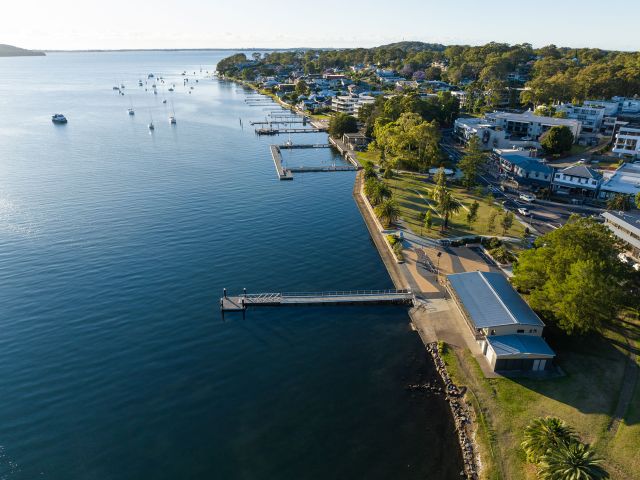
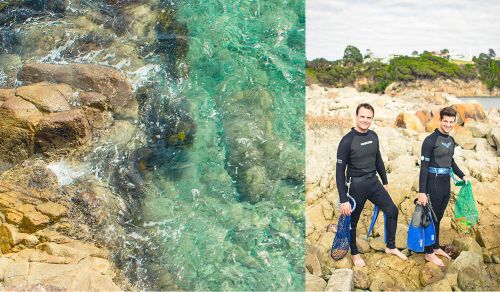
We met Scott at the Eden Visitor Information Centre, and from here he drove us to a remote access point to Twofold Bay. All necessary gear, equipment and a fishing licence is provided and, after kitting up, we clambered over rocks to the shore.


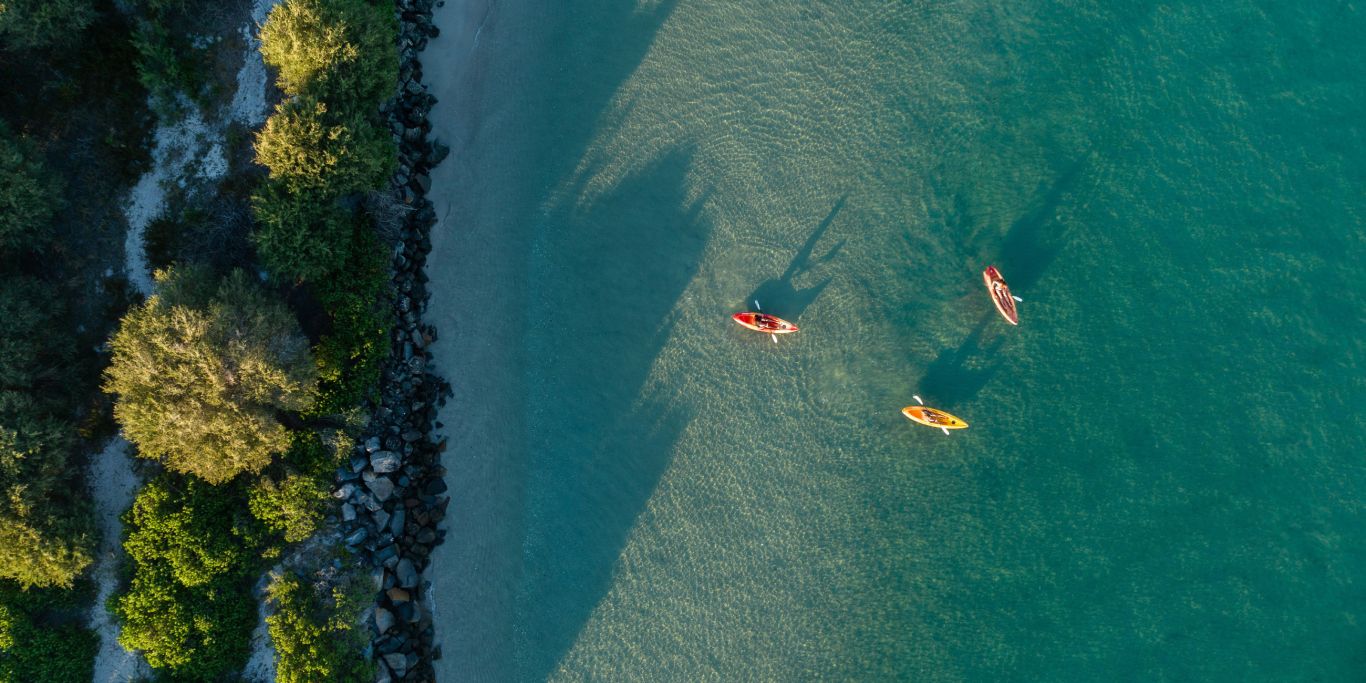
A quick verbal run-through from Scott on snorkelling and breathing techniques, and we were in practising our dives. It doesn’t take long to get the hang of it, and we improved with each resurfacing. When we felt comfortable in depths of several metres, Scott led us further offshore to begin ‘the hunt’. We snorkelled through a changing ocean landscape: rocky walls, seagrass beds and shallow reefs.


The bay was teeming with marine life. On our two-hour dive we encountered wobbegong sharks, eastern rock lobsters, black and red spined urchins, starfish, abalone, blue mussels and a variety of fish species. But only some of those are good eating, and we were after a meal.


The prized abalone hide in crevices, cementing themselves between the curves of rocks in the deep. The smaller ones are plentiful here in the bays of Eden, but the minimum legal size to keep is 11.7 centimetres, and finding the larger ones takes patience. What we were really after were lobsters, and finding them is no easy feat. They’re extremely well camouflaged and surprisingly strong. Scott’s well-trained eye spots them, lying low in the crayweed – given away only by their thin and reddish antennae. A quick and agile grab secured them, and we kept them in netted bags attached to our weight belts. Deeper offshore we found mussel beds, easy enough to twist off the rocks – if you can hold your breath long enough to do so.


Between the three of us we bag two crayfish, four abalone and 40 mussels. Scott chats about the importance of bag limits, encouraging you to take “just enough for lunch", and he always varies dive locations. “It’s crucial not to harvest too much from the same area," he tells us. “It might be tempting but it’s not sustainable, for you or the ecology."


We carted our harvest up the hill to Eden’s Rotary Park lookout, to cook what we would go on to confidently claim as the best meal of our lives. After two hours of intense swimming and diving in the salty ocean we had worked up a healthy appetite and, as we readied lunch together, Scott demonstrated the best ways to prepare and cook our catch.


We couldn’t believe the immense satisfaction and overall sense of wellbeing we gained from a single meal. You haven’t tasted fresh until you’ve eaten seafood that your own hands have plucked out of the ocean and thrown into the frypan in a matter of minutes. Our catch is paired with a local sourdough from Wild Rye’s Baking Co in Pambula and oysters fresh from the Merimbula leases. “It’s so important for me to support the local producers," Scott explains. “In this way, we’re working together." Everything we ate for lunch came from the local region – even the tomatoes were grown in Scott’s family’s backyard.


At the end of our ocean-to-plate experience, our bodies felt fit and full. In such a short amount of time we had gained a skillset that could feed us for many meals to come, and that is an invaluable experience.


hero media

Red earth, light shows and ancient culture: discover the ultimate NT road trip

(Credit: Tourism & Events NT/ Ben Savage)

    Kassia ByrnesBy Kassia Byrnes
    The Northern Territory is made for road trips, and this one hits all the highlights.

    Craggy mountain ranges, inviting waterholes, ochre soil: the landscape of the Northern Territory is asking to be explored by road and foot. There are many iconic road trips to choose from here, but none so all-encompassing than the roughly 3000 kilometres of sealed road that make up Explorer’s Way.

    Spend 14 days (or more, to really make the most of it) driving this route from Adelaide, hitting the NT near the small settlement of Kulgera before later finishing in Darwin. Along the way, you’ll find nearly all the territory’s most iconic sights.

    Discover some of the top highlights that make Explorer’s Way one of Australia’s most incredible road trips.

    1. Alice Springs

    echidna at Alice Springs Desert Park
    See the locals at Alice Springs Desert Park. (Credit: Tourism & Events NT)

    Recently hitting the big screen again with the story of The Kanagroo Sanctuary , there’s a lot to surprise you in Alice Springs.

    Three distinct desert habitats – desert rivers, sand country and woodland – are recreated over 1300 hectares at Alice Springs Desert Park . Time your visit for a presentation or a free bird show.

    Later, turn your attention to the skies above, taking a dive into local astronomy at Earth Sanctuary . You’ll find a range of experiences, from a 90-minute toe-dip into the stars through to an overnight adventure.

    Alice Springs packs a surprising punch with its tasty dining options, including pub grub and unique brews at Alice Springs Brewing Co , tapas and pizza at Epilogue Lounge and tasty cafe fare at the quirky Page 27 .

    2. Tjoritja/West MacDonnell National Park

    woman standing at Ormiston Gorge
    Dive into Ormiston Gorge. (Credit: Tourism & Events NT/ Dom and Jesso)

    Beginning 15 minutes from Alice Springs and stretching across 161 kilometres, Tjoritja/West MacDonnell National Park is packed with striking ancient landscapes and inviting water holes.

    Visit Standley Chasm – traditionally known as Angkerle Atwatye, meaning ‘Gap of Water’ – to take in its bold red and orange hues, and to observe the diverse bird species, lizards and wallabies that call it home.

    Cool off in one of several picturesque natural swimming holes, like Ellery Creek Big Hole and Ormiston Gorge.

    3. Uluru & Kata Tjuta

    three women looking at Kata Tjuta at sunset
    Explore Kata Tjuta. (Credit: Tourism & Events NT)

    Visiting the Cultural Heart of Australia is something everybody should experience. There are so many side trips in the Red Centre you could easily spend a week here, but to get the most out of a short time, park the car then get out on foot.

    Take the 10-kilometre Base Walk around the entirety of Uluru or join a free, ranger-guided Mala Walk along part of the base, learning about Tjukurpa (creation stories) and geology as you go.

    For a change of pace, wait until nightfall and wander through the iconic Field of Light display by celebrated artist Bruce Munro, or see the Wintjiri Wiru lightshow that shares the ancient Mala story using drones, lasers and projections.

    4. Tennant Creek

    pson looking at Karlu Karlu (Devils Marbles) northern territory
    See the ancient granite boulders of Karlu Karlu (Devils Marbles). (Credit: Tourism & Events NT/ Dom And Jesso)

    Tennant Creek was Australia’s third-largest gold mining town in the 1930s, and visitors can discover that history at Battery Hill Mining Centre – and even try their own hand at gold fossicking.

    For a completely different side of history, pop into Nyinkka Nyunyu Art & Culture Centre , which preserves and shares Warumungu culture through art, performance, a museum and more.

    Just outside town, find the ancient granite boulders of Karlu Karlu (Devils Marbles). A site integral to important stories held by the Warumungu, Kaytetye, Warlpiri and Alyawarra peoples, the boulders appear to almost have dropped out of the sky and seemingly continue to defy gravity.

    5. Mataranka

    aerial of people swimming in bitter springs northern territory
    Dive into Bitter Springs. (Credit: Tourism & Events NT/ Ben Savage)

    A town made famous by the novel We of the Never Never by Jeannie Gunn (and a movie of the same name), Mataranka is also known for its sandy-bottomed thermal pool, Bitter Springs , within Elsey National Park. Follow a 500-metre loop track around these spring-fed pools that stay a toasty 34°C year-round, before choosing your favourite spot to dive into. Enjoy the local birdlife while you relax.

    Elsewhere in the park, find historical sites, several scenic walks and Roper River, which is perfect for boating and fishing.

    6. Nitmiluk National Park

    Nabilil Dreaming Sunset Dinner Cruise
    Join a sunset cruise with Nabilil Dreaming. (Credit: Tourism & Events NT/ Lachlan Gardiner)

    Nitmiluk National Park is sandstone country, with 13 stunning gorges and plenty of waterfalls waiting to be explored.

    One of the most beautiful spots can be found along the 62-kilometre Jatbula Trail, a five-to-six day bushwalk that follows an ancient Jawoyn songline from Nitmiluk Gorge to Leliyn (Edith Falls). Numbers are restricted and book out quickly, so be sure to plan well ahead. Not up for the hike? Drive right up to the falls and enjoy a dip without the challenge.

    Elsewhere, explore Nitmiluk (Katherine) Gorge. Paddle a kayak through the river running through the canyon, or save your energy on a Nabilil Dreaming Sunset Dinner Cruise , discovering the stories and ways of the Jawoyn people while enjoying a candlelit dinner as the cliffs around you shift colour and glow with the changing daylight.

    Continue your cultural journey at local art centres like Godinymayin Yijard Rivers Art & Culture Centre or Mimi Aboriginal Art & Craft .

    7. Litchfield National Park

    cathedral termite mounds in Litchfield national park
    Be awed by giant cathedral termite mounds. (Credit: Tourism & Events NT/ As We Wander)

    Just over an hour’s drive from Darwin lies the beautiful Litchfield National Park. It’s famous for stunning waterfalls and swimming holes, including Buley Rockhole, Wangi Falls, Florence Falls and Tjaynera Falls.

    Here you’ll also find hundreds of giant – and magnetic – cathedral termite mounds that are truly a sight to see. Ageing up to 100 years old, you won’t find mounds like these outside the northern parts of Australia. Stroll along the accessible boardwalk to see them up close.

    8. Darwin

    darwin street art
    Darwin art is streets ahead. (Credit: Tourism & Events NT/ Mark Fitzpatrick)

    This list wouldn’t be complete without the territory’s capital city: Darwin. Situate yourself upon arrival with a stroll through the main streets, admiring the many art murals by local, interstate and international artists. They’re all remnants of the annual Darwin Street Art Festival , one of Australia’s longest running street art festivals.

    Stop to recharge along Darwin’s Waterfront Precinct , an area of delectable restaurants, public swimming pools and free events. And, of course, it would be wrong to leave the city without enjoying a bowl of laksa at Mindil Beach Sunset Market as the sun goes down.

    Learn more and start planning your Explorer’s Way road trip at northernterritory.com/drive.