Earthwatch Volunteer Travel

hero media

Go on holiday, save some lives!: Australian Traveller looks at some of the volunteer travel options offered by Earthwatch.

The good people at Earthwatch are offering all interested persons the chance to get up close and personal with some of Australia’s most fascinating – and vulnerable – creatures, all while immersing yourself in areas of the country you might never experience.

The not-for-profit environmental organisation whose mission it is to engage people in scientific field research is currently supporting more than 120 research expeditions around the globe – a dozen of which are right here on Australian shores. So if you’d like the chance to travel and work alongside some seriously dedicated field scientists and researchers, this could well be for you. So, which would you rather do: help the turtles of northwest WA, or look in on the echidnas of SA’s Kangaroo Island?

Turtles

In WA’sKimberley region, perhaps the least known ofAustralia’s turtles are the freshwater variety. And you’ll be camping out near stunning gorges, spending your days snorkelling and catching turtles, and your evenings measuring and examining them, then helping leading scientists process the data collected. The vital research you’ll be contributing to will help discover exactly how the population of this breed of turtle is managing in the wild, and whether or not measures are required to assist in their conservation.

Nights around the campfire, stunning Aboriginal rock art to contemplate, and a worthwhile cause to support. What could be better?

Echidnas

If you’re more keen to help out these spiky little fellows rather than their hard-shelled turtle cousins to the north, how does hiking aroundKangarooIsland sound?

On this expedition, Earthwatch volunteers will be continuing the work of a valuable 17-year look at the life histories and ecologies of individual echidnas on the island – so you’ll be helping to shed light on the fascinating biology of this species and how best to help protect the island ecosystem.KangarooIslandis teeming with an array of wildlife, so you’ll never be short of something interesting to get involved in there!

Costs range from $280 to $6000 to join an Earthwatch expedition, and each one lasts from two to 19 days. Your entry fee goes towards research costs, covers all lodging levies (accom, food, equipment), as well as on-the-job training – and even the costs of offsetting greenhouse gas emissions from travel. You don’t need any scientific skills at all to participate – just a sense of adventure, a passion for the environment and a willingness to help out.

So if you’re between the ages of 18 and 90, call (03) 9682 6828 or check out www.earthwatch.org.au and find out how you can do your part.

Want to see more stories from Australian Traveller in your Google search results?

  1. Click here to set Australian Traveller as a preferred source.
  2. Tick the box next to "Australian Traveller". That's it.
Australian Traveller

Australian Traveller

View profile and articles
hero media

7 Lake Macquarie secrets the locals don’t want you to know

Credit: Beau Pilgrim

An untapped side to this popular holiday spot is hiding in plain sight.

Laidback Lake Macquarie draws in holidaygoers and day trippers with its casual coastal allure and raw beauty. But even though it’s just 90 minutes from Sydney, most visitors have only scratched the surface of what this region has to offer.

Foodie hotspots, quaint towns, tranquil waterways and compelling art are all waiting to be discovered. You just need to know where to find them.

1. Most visitors don’t make it to the western side

Explore beyond the western side. (Credit: Beau Pilgrim)

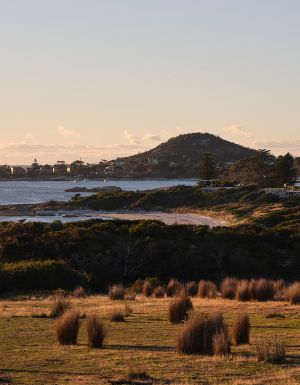
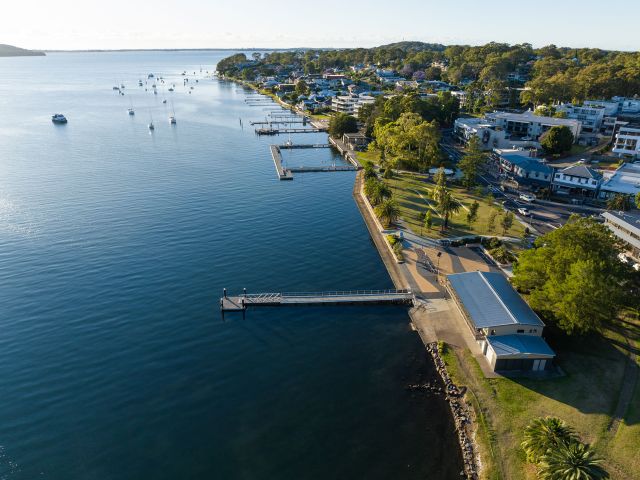
While there’s no harm in walking the well-worn path in this idyllic pocket of the world, the area west of Lake Macquarie is defined by stretches of ancient rainforests and quaint towns with a more local feel. Toronto is the largest town on this side and features a golf course and sailing clubs, while peninsula-based Wangi Wangi is fantastic for bushwalking and swimming.

2. There’s a booming arts scene

Museum of Art and Culture, YAPANG
Discover the Museum of Art and Culture, YAPANG.

Lake Macquarie is a must-visit destination for creatives. Discover the Museum of Art and Culture, YAPANG; this modern gallery is set on a five-hectare sculpture park and showcases a free rotating program of exhibitions and events, with a strong focus on contemporary Aboriginal art. In Wangi Wangi, explore the Wangi Owl Trail, which includes Dobell House, the preserved home of prolific artist Sir William Dobell. And enjoy live music every Saturday evening at the recently renovated Toronto Hotel.

3. It’s a nature lover’s paradise

three people swimming in lake macquarie
In and out of the water, find a natural paradise. (Credit: Beau Pilgrim)

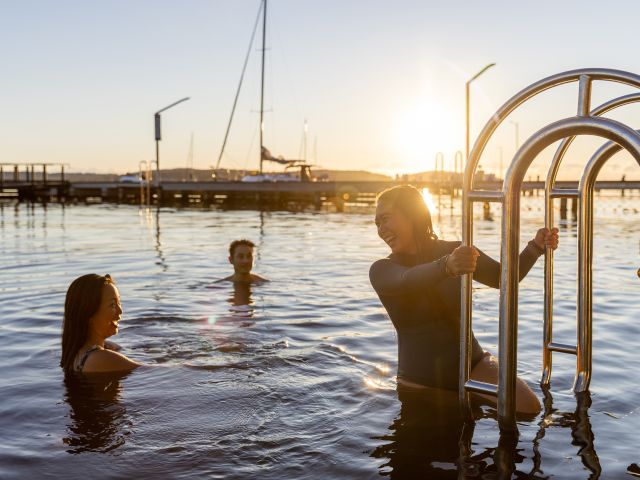
Lake Macquarie is a playground for nature lovers. It’s home to Australia’s largest saltwater lake, a 110-square-kilometre haven for swimming, fishing, boating and sunset views. Another oasis is the Lake Macquarie State Conservation Area, a 761-hectare protected reserve with wildflowers, Second World War heritage sites and spectacular views to Pulbah Island. The upgraded Toronto baths, complete with jetty decking and netting, make for a sheltered spot for a refreshing dip, while the Awaba Mountain Bike Park gives adrenaline junkies their fix.

4. The dining scene is unbeatable

8 at Trinity lake macquarie
Treat yourself to 8 at Trinity.

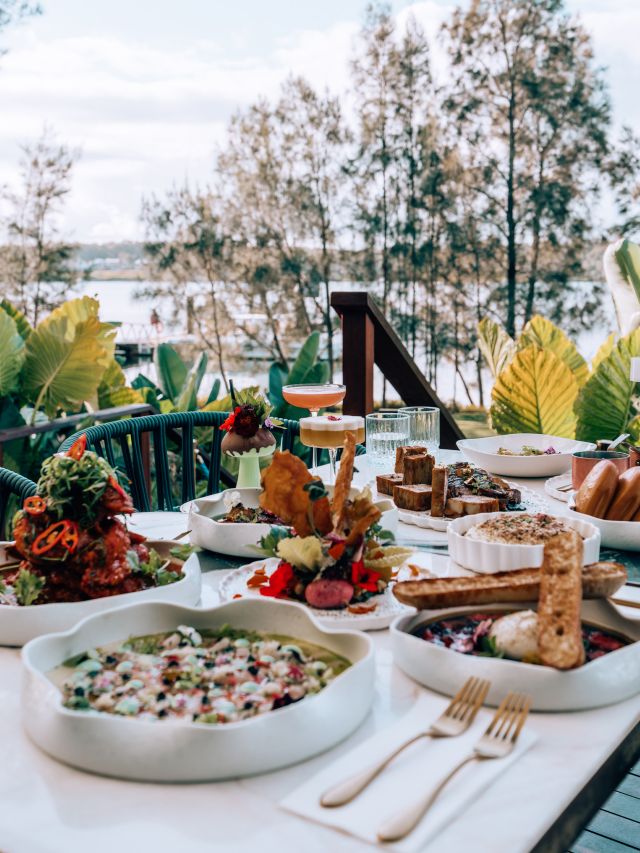
Gourmands are well looked after in Lake Macquarie. At Emerson’s on the Lake in Toronto, the modern Australian fine dining menu spoils seafood lovers with the freshest ocean produce and stunning lake views. Sitting on Trinity Point’s waterfront, 8 at Trinity is another standout offering, serving Mediterranean fare in an open-air setting. For a more relaxed affair, the microbrewery trail lets craft beer enthusiasts sip on inventive brews from The Yard, Lake Mac Brewing and Bread & Brewery.

5. There are hidden coves and waterways

kayakers on lake macquarie local secrets
Get out onto the lake. (Credit: Beau Pilgrim)

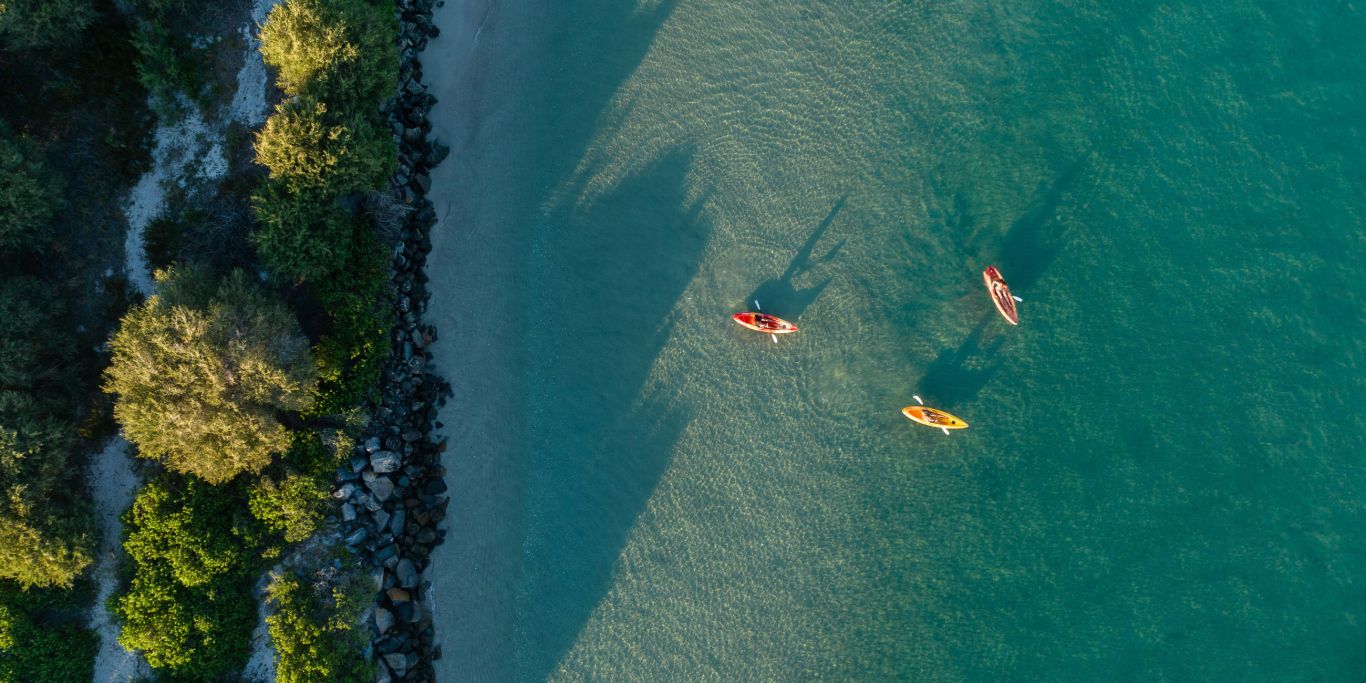
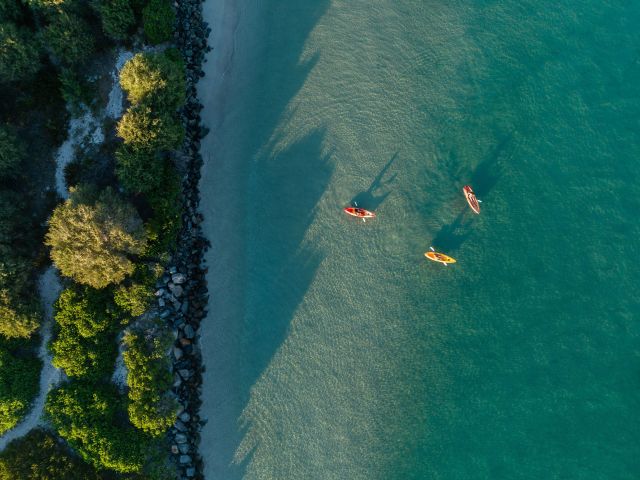
There’s no better way to experience Lake Macquarie than directly on its waters, and in doing so you’ll discover a world of hidden coves and secluded waterways. Jump in a kayak for a tour with the friendly team at School of Yak and paddle to Cockle Creek, Awaba Bay, Green Point and Fennel Bay, discovering underwater life along the way. Or go all in and stay the night on one of Lake Macquarie Houseboats’ spacious vessels or hire a BBQ pontoon boat for the day from Lake Macquarie Boat Hire to enjoy a feast in the sunshine while admiring the marine life and picturesque waterscape.

6. It’s a birdwatcher’s paradise

ll blue wren sitting on a tree branch
Keep an eye out for local birdlife. (Credit: Walter Coppola)

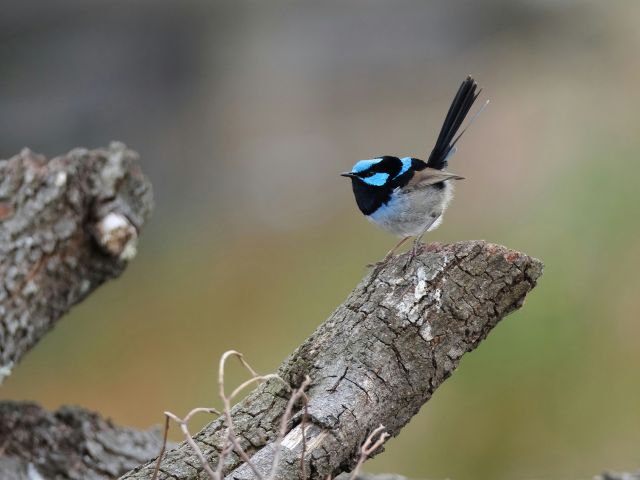
Twitchers are in for a real treat as hundreds of fascinating bird species such as Australian pelicans, black swans, white-bellied sea-eagles and superb fairy-wrens call this area home. Take a self-guided tour around top spots including Bird Cage Point and Lake Macquarie State Conservation Area (near Morisset) or be guided in a clear-bottom kayak through the waterways with Lake Macquarie Kayak Adventures, observing feathered friends as you go.

7. The lake has islands

sail lake macquarie
Charter a boat to see Lake Macquarie’s islands.

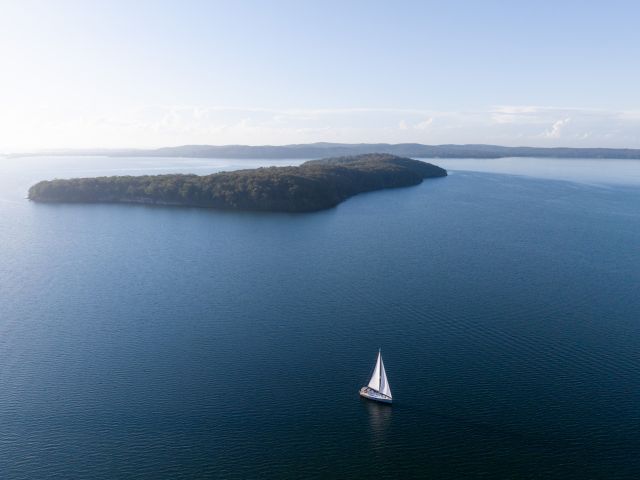
Hop on a private boat, kayak or charter around the lake to discover the plethora of small islands peppered around Lake Macquarie. The largest is Pulbah Island, a 69-hectare nature reserve home to goannas and sugar gliders with secluded beaches. Sandy islands such as Spectacle Island and Pelican Island have a tropical lagoon-like look to them as they sit in the tidal path of Swansea Channel, which filters the sand and creates a pristine environment. Stop by for a dip and a picnic.

Start living like the locals at visitlakemac.com.au.