How to be a better campfire cook

hero media
Seasoned camp cook Rachel Bartholomeusz shares her tips on making light work of good meals in the great outdoors.

I have never understood why camping is synonymous with bad food.Growing up, my favourite meal was the one my family always ate on the first night of our annual camping trip. A few days before we set off, Mum would prepare the smore.


Not s’more, the North American marshmallow dessert, but the Sri Lankan slow-cooked beef variety, which is equally at home around a campfire. A local take on the European beef pot roast, this pickled and curried hunk of meat is perfect for taking on long trips. The marinade acts as a preservative, and the dish improves with a few days’ rest.


After setting up our tent we would warm the smore, the smell of spices wafting over the other campers. The ubiquitous campground kids on BMX bikes would turn up their noses at its pungency while our mouths watered in anticipation of the fall-apart meat, of mopping up that gravy with fresh bread bought from a small town bakery. Needless to say, no one eats trail mix for dinner on my watch.


Holidays usually revolve around eating good food, and camping doesn’t have to be an exception. I like to approach a camping meal like a MasterChef mystery box challenge, but instead of a ticking clock and George Calombaris breathing down your neck, there’s a quickly setting sun.


Necessity forces creativity; new flavours come together simply because they’re swimming in the bottom of your esky. And the break from a kitchen full of gadgets is a reminder of just how little you need to cook a great dinner. Here are my tips for being a better camp cook.

Bring the basics

You don’t need a whole lot of equipment, but if you’re camping with a car then an esky, a portable gas cooker, a saucepan, a frying pan, a sharp knife, a wooden spoon, a chopping board and a can opener are a good place to start. A steamer basket that doubles as a strainer is really useful, and a stovetop coffee pot is a wonderful luxury. Ziplock bags are also incredibly handy for bringing small amounts of ingredients, and storing leftovers.

The pantry

Olive oil, salt and pepper, fresh garlic and ginger, dried chilli flakes, soy sauce, balsamic vinegar and a small selection of dried spices are my essentials. Beyond that, consider what you like to cook and pack ingredients that can be used in multiple ways, across cuisines, and are hardy – carrots, for instance. Space is usually at a premium, so think smart – buy a fresh chilli, rather than carrying a bottle of chilli sauce. Wraps can be eaten for lunch, used as tortillas, to substitute naan and mop up curry sauce, or used as pita for Middle Eastern and Mediterranean dishes.

Look to other cultures

Every culture has its own camping foods, so if you’re stuck for inspiration, look beyond your own backyard. Korean campers take over public barbecues to grill meats they then dip in sauces and wrap in lettuce leaves with kimchi. Middle Eastern families will often arrive with a container filled with marinated meat to cook over coals and eat with salad and flatbreads. Taiwanese friends take sticky rice parcels wrapped in lotus leaves on hikes, and we have Americans to thank for ‘cooler corn’ – cobs of corn cooked in an esky by pouring boiling water over the top, and closing the lid for half an hour.

Plan ahead (if you can be bothered)

Sauces, stews or curries made ahead of time and frozen in ziplock bags can double as ice bricks, and make excellent reheats. If that all sounds too ‘soccer mum’ for your liking, a simple curry paste or a pesto, a spice mix or a pickle made at home can have multiple uses and will make light work of impressive camping meals.

Pack a salami

A salami and a large wedge of hard cheese such as parmesan are indispensable. Both keep well, and can be eaten as a snack, sliced on sandwiches, or added to pastas, sauces or any dish that needs a savoury boost. The salami can also be fried and rendered for its fat.

Keep it simple

With limited burners at your disposal, one-pot dishes will often form the bulk of your camping repertoire – a pot of spicy mussels, for instance, is no harder to make indoors or out. Pasta is another camping classic, but getting it al dente can be hard on a camping stove. Opt for short pastas such as penne that are easier to cook in a smaller saucepan of water.

Get inspired by local produce

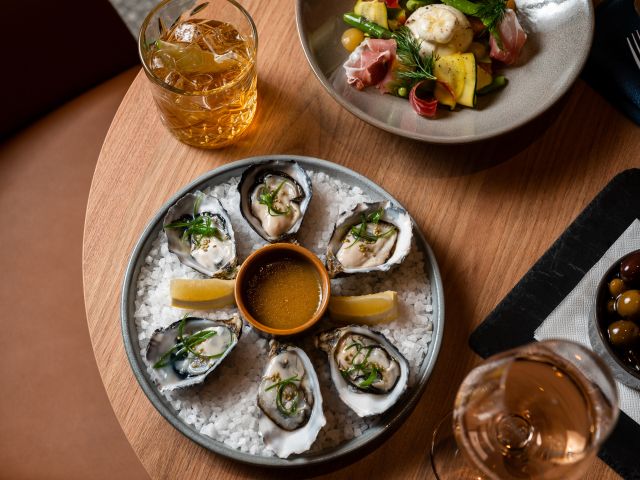
The secret to good, simple food, whether camping or otherwise, is to use good produce. Find the regional speciality, and eat it. If you’re driving through a wine region, you’re obliged to drink good wine from a tin mug and eat cheese for dinner. Buy roadside fruit for breakfast, or learn how to shuck fresh oysters.

A tinnie a day

Cooking with a drink in hand is a crucial element of camping, and a tinnie will prove your best friend: add a splash of beer whenever you’d normally use wine in a dish, such as deglazing a pan for a stir-fry, or in a pasta sauce. And there’s no reason you should feel limited to a tinnie: bring the makings of a negroni cocktail or a bottle of whisky if you really want to up the ante.


Love camping with the family? Check out Top 6 ‘camping with children’ commandments

hero media

What it’s really like to stay on the world’s largest sand island

Exploring the world’s largest sand island starts with the perfect K’gari homebase.

The morning light is still soft, but it’s already a perfect sunny day. We left our K’gari homebase at Kingfisher Bay Resort  with our guide, Peter Meyer, at 9 am to make the most of our time to explore all that the world’s largest sand island holds. The size of K’gari is hard to grasp until you arrive here. This is no sandbar. Stretching 120 kilometres, unique lakes, mangrove systems, rainforest, 75 Miles of beach, historic shipwrecks, small townships and even one of Queensland’s best bakeries are all hidden within its bounds.

But first, one of the island’s most iconic sights: the pure silica sand and crystal clear waters of Lake McKenzie.

Laying eyes on it for the first time, I’m finally able to confirm that the photos don’t lie. The sand is pure white, without the merest hint of yellow. The water fades from a light halo of aqua around the edges to a deeper, royal blue, the deeper it gets (not that it’s particularly deep, six metres at most). The surface remains surprisingly undisturbed, like a mirror.

Arriving with our guide before 10 am means that no one else is around when we get here. Which means we have the pleasure of breaking the smooth surface with our own ripples as we enter. As a self-confessed wimp with chilly water temperatures, my fears are quickly assuaged. Even in the morning, the water stays around 23 degrees – perfect for lazing about all day. But we have more sights to see.

Exploring K’gari

ariel of in lake mckenzie on k'gari fraser island
Relax in the warm waters of Lake McKenzie. (Image: Ayeisha Sheldon)

This was the Personalised 4WD tour offered by Kingfisher Bay Resort, and my absolute top pick of experiences. Over the course of the day, we had the freedom to create our own bespoke itinerary (plus a provided picnic lunch along the way), with an expert guide who had plenty of stories and local expertise to give context to what we were looking at. From the history of the SS Maheno shipwreck, which survived the First World War only to be washed ashore by a cyclone in 1935, to a detailed description of how an island made of sand could sustain such diverse flora.

If it’s your first time to K’gari, the Beauty Spots Tour is another great option. Departing daily from Kingfisher Bay Resort (you’ll start to notice a trend, as many of the tours do start and end here), an air-conditioned, 4WD bus takes guests to the island’s most iconic locations, including the best places to swim, like Lake McKenzie and Eli Creek. The latter offers a gentle current, perfect for riding with a blow-up tyre out towards the ocean.

The next day, for a look at a completely different side of K’gari, I joined one of Kingfisher Bay Resort’s Immersive Ranger-guided tours to kayak through the mangroves of Dundonga Creek. This long, snake-like stretch of creek winds its way inland from the ocean outlet we entered by, at times too narrow for three kayaks to be side-by-side. Small insects buzz from leaf to leaf, while birds call overhead. Occasional bubbles indicate we’ve passed some fish that call this place home.

kayak tour through the mangroves at k'gari island
Learn about the island’s mangroves from your Ranger. (Image: Reuben Nutt/ TEQ)

If kayaking isn’t for you – or if, like me, you simply want more – other ranger-led experiences include nature walks and a dedicated Junior Eco Ranger Program for kids ages five to 12 (these run every weekend, and daily over the peak December holidays). Just ask for a timetable of upcoming tours when you check in.

While during whale season, Hervey Bay Whale Watch & Charters operates tours from the hotel’s jetty to get up close to the famous Humpback Highway of Hervey Bay, from 7 November to 31 May, attention turns to the Aqua Oasis Cruise . Departing from the resort every Tuesday, Thursday, Saturday and Sunday for resort guests, adventure along the island’s remote western coast, pointing out wildlife like dolphins, turtles, flying fish and eagles along the way.

The cruise drops anchor so guests can jump into the water using the boat’s equipment – from SUP boards to inflatable slides and jumping platforms. Then refuel with a provided lunch, of course.

Unwind at sunset

two people drinking cocktails at sunset bar, kingfisher bay resort
Unwind at the Sunset Bar. (Image: Sean Scott)

As much as days on K’gari can be filled with adventure, to me, the afternoons and evenings there are for unwinding. Sunsets on K’gari are absolutely unbelievable, with Kingfisher Bay on the west side being the best spot to catch the colours.

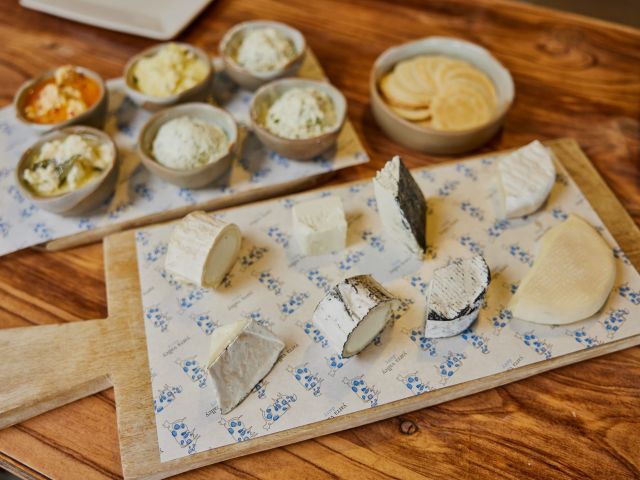
The Sunset Bar , located at the start of the resort’s jetty and overlooking the beach, is the ultimate location for sundowners. Let chill beats wash over you as you sip on cool wines, beers and cocktails in a relaxed, friendly vibe. Personally, a cheese board was also absolutely called for. As the sun sinks, the sand, sea and horizon turn a vibrant shade of orange, with the jetty casting a dramatic shadow across the water.

When the show is over, head back to the hotel for dinner at the Asian-fusion Dune restaurant, or the pub-style Sand + Wood. But if your appetite is still whetted for more lights and colours, the evening isn’t over yet.

Settle into the Illumina stage for Return to Sky, an immersive light and sound show leading viewers on a captivating journey through K’gari’s stories and landscapes.

Indulge and disconnect

woman setting up massage room at kingfisher bay resort Island Day Spa
Find bliss at Island Day Spa. (Image: Jessica Miocevich)

Of course, there is a type of traveller who knows that balance is important, day or night. While Kingfisher Bay Resort offers more than one pool for guests to spend all day lounging by (they’ll even serve you food and drinks while you do it), you’ll find me at the Island Day Spa.

The masseuses could match the magic hands of any big city spa, and I felt the warm welcome as I walked into the light, breezy reception. Choose from a range of botanical facials, beauty treatments and soothing massages using traditional techniques (obviously, I couldn’t go past a relaxing massage). All products used contain organic, native botanical ingredients with nutrient-rich plant extracts to soothe skin and mind. To really indulge, try out one of the packages, couples treatment or even a pre-wedding day offering.

Getting there

kingfisher bay resort 4wd tour driving passed ss maheno on k'gari island
The world of K’gari awaits. (Image: Jessica Miocevich)

Getting to K’gari is shockingly easy. Find daily flights into Hervey Bay from Brisbane, Melbourne and Sydney. Kingfisher Bay Resort offers a shuttle bus between the airport, their headquarters in Hervey Bay and the ferry to take you to K’gari.