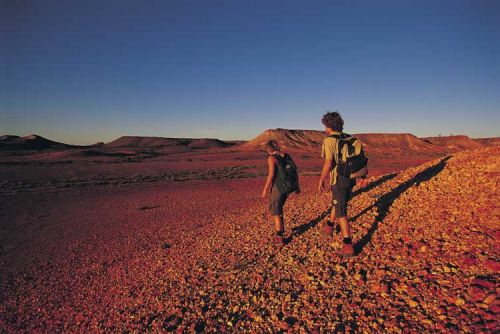
The many styles of accommodation in the Australian Outback

hero media
The Australian Outback caters to all travel habits, Peter Robinson explores the six star to the no star Outback accommodation options.

Driving your own 4WD to the outback (and back) is one of the great satisfactions in life.


Coming home with a filthy, dirty, mud-encrusted or animal-dented car also sticks it up those aforementioned do-gooders who want to run you out of town for owning a 4WD in the city. And, since water restrictions practically make it illegal to wash your car these days, you should feel free to let that outback style linger.


Surprisingly, much of the outback can be toured in total luxury. Try El Questro in the Kimberley for starters. Stay at the homestead and enjoy fine food, helicopter flights, barramundi fishing and a host of other treats. This is one of the most expensive and exclusive places in Australia.


Luxury tented camps with full amenities and ensuites are springing up. Shabby motels are giving way to luxury cottages or farmstays.


In the Flinders Ranges, try Wilpena Pound Resort and Rawnsley Park Station. At the Prairie Hotel in Parachilna there’s legendary bush food and great rooms. Bamurru Plains on the Mary River floodplains in the NT is luxury on a working buffalo station, and at Uluru, Longitude 131 has won international acclaim. At the other end of the spectrum, you can take a swag and sleep under the stars.


Adventure is out there for the taking, but first you should have a vehicle that’s suited to the job. A soft-roader or SUV isn’t up to the task if you want the freedom to travel to most great outback destinations.


You and your 4WD need to ford rivers, mount rich red dunes, climb giant sandhills and handle the tyre-shredding punishment that the worst tracks can present. On this score, a comprehensive 4WD training course (see previous page) is highly recommended – and don’t forget the co-driver. Emergency, safety and survival information is essential.


A turbo-diesel vehicle is best for the range and durability afforded; just make sure you don’t own a lemon. It’s a long way to the nearest dealer for warranty service. Plan your journey – it’ll take longer than you think.


Grey Nomads take a year or more for their retirement lap of Australia, then come home to prepare another trip to fill in any gaps. At the other end of the scale, parents of young children should think carefully about long weeks on outback roads (you might have to wean them off TV first).


It’s a huge country out there, and almost all of it is outback. You don’t need to embark on the expedition of a lifetime to unleash the pioneering spirit – this is a pilgrimage we all need.


Just grab your Akubra, camera, Red Centre map and be prepared to get your 4WD dirty . . .


Need tips, more detail or itinerary ideas tailored to you? Ask AT.

AI Prompt

Want to see more stories from Australian Traveller in your Google search results?

  1. Click here to set Australian Traveller as a preferred source.
  2. Tick the box next to "Australian Traveller". That's it.
Australian Traveller

Australian Traveller

View profile and articles


How a $1 deal saved Bendigo’s historic tramways

The passionate community that saved Bendigo Tramways has kept the story of this city alive for generations.

It was an absolute steal: a fleet of 23 trams for just $1. But such a fortunate purchase didn’t happen easily. It was 1972 when the Bendigo Trust handed over a single buck for the city’s historic collection of battery, steam and electric trams, which had transported locals since 1890.

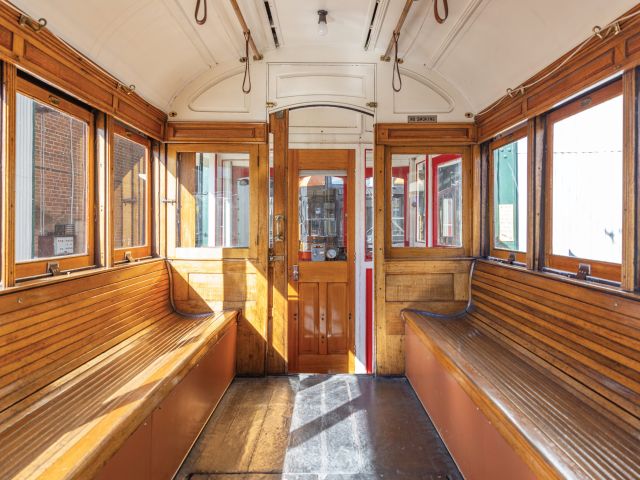
inside the historic Bendigo Tram
Bendigo Tramways is a historic transport line turned tourist service. (Image: Bendigo Heritage)

The city’s tram network had been declared defunct since 1970 due to post-war shortages in materials to upkeep the trams and declining passenger numbers as motor vehicles were increasing. However, determined locals would not hear of their beloved trams being sold off around the world.

The Bendigo Trust was enlisted to preserve this heritage, by converting the trams into a tourist service. The Victorian government approved a trial, however news spread that the Australian Electric Tramways Museum in Adelaide had acquired one of the streetcars for its collection.

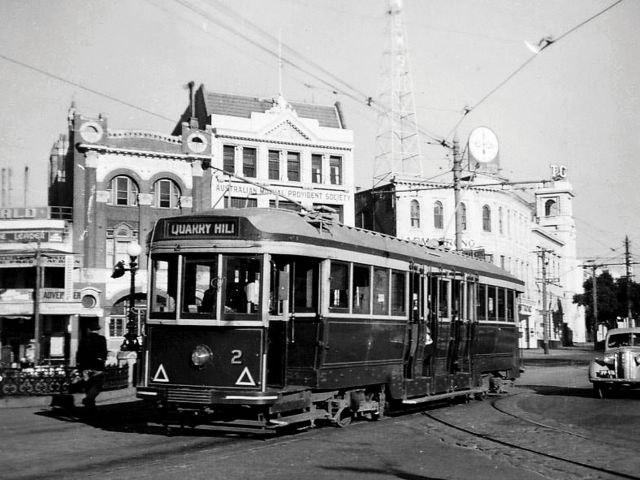
a tram heading to Quarry Hill in 1957
A tram on its way to Quarry Hill in 1957. (Image: Bendigo Heritage)

An impassioned group rallied together to make this physically impossible. Breaking into the tram sheds, they welded iron pipes to the rails, removed carbon brushes from the motors, and formed a blockade at the depot. The community response was extraordinary, and a $1 deal was sealed.

A new chapter for the city’s fleet

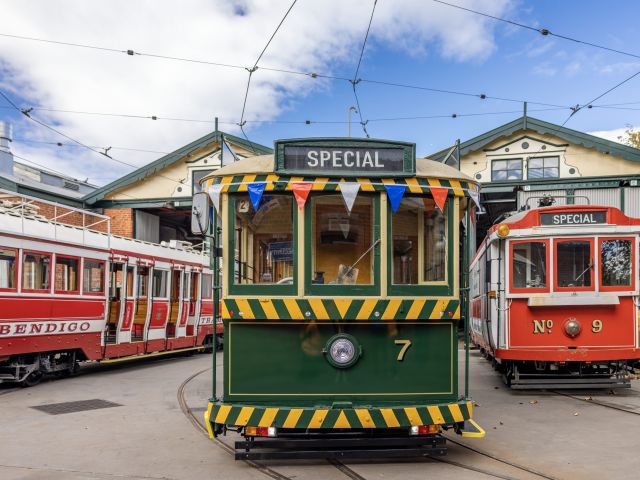
the old Tramways Depot and Workshop
The old Tramways Depot and Workshop is one of the stops on the hop-on, hop-off service. (Image: Tourism Australia)

Today, Bendigo Tramways welcomes some 40,000 passengers annually, operating as a hop-on, hop-off touring service aboard the restored trams. Fifteen of the now 45-strong fleet are dubbed ‘Talking Trams’ because of the taped commentary that is played along the route. The trams loop between Central Deborah Gold Mine and the Bendigo Joss House Temple, which has been a place of Chinese worship since 1871, via other sites including the old Tramways Depot and Workshop.

a Gold Mine Bendigo Tram
The fleet comprises 45 trams that have been restored. (Image: Visit Victoria/Robert Blackburn)

Keeping things interesting, throughout the year visitors can step aboard different themed trams. Tram No. 302 becomes the Yarn Bomb Tram, decorated both inside and out with colourful crochet by an anonymous group of locals.

During the festive season, Tram No. 15 operates as a tinsel-festooned Santa Tram, and the big man himself hides out somewhere along the route for excited children to find. And on selected dates, the adults-only Groove Tram runs nighttime tours of the city, accompanied by local musicians playing live tunes and a pop-up bar.

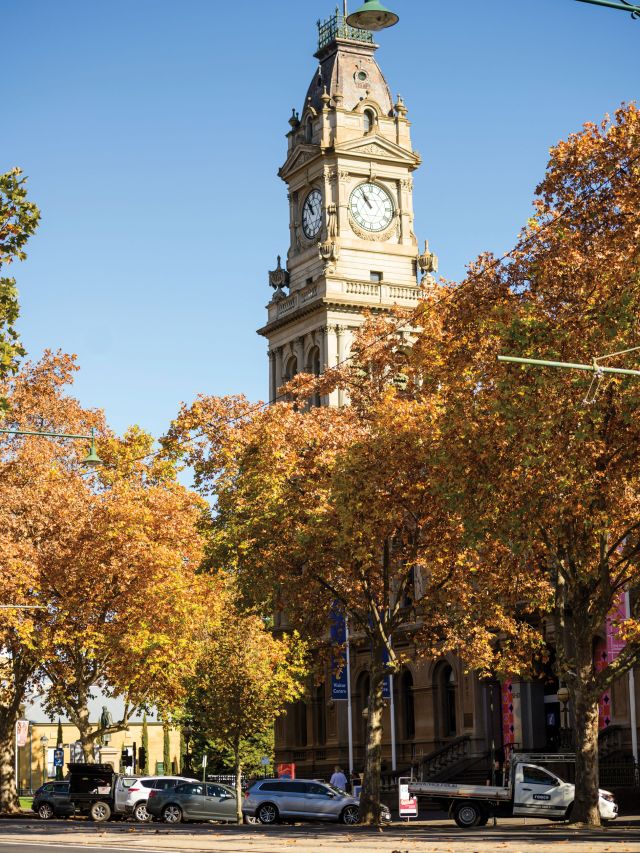
the historic post office turned visitor centre in Bendigo
Visitors can hop on and off to see the city’s sites such as the historic post office turned visitor centre. (Image: Tourism Australia)

As well as preserving the city’s history, however, the continuation of the tram service has kept the skills of tram building and craftsmanship alive in a practical sense. Bendigo’s Heritage Rail Workshop is world-renowned for restoring heritage trams and repurposing vehicles in creative ways.

Locally, for example, Tram No. 918 was transformed into the Dja Dja Wurrung Tram with original Aboriginal artworks by emerging artist Natasha Carter, with special commentary and music that shares the stories and traditions of Bendigo’s first people. You can’t put a price on preserving history. Nonetheless, it was a dollar very well spent.