Take the kids wild swimming, croc-spotting and waterfall chasing with our guide to the best of the Top End for families.
There are a tonne of activities to do in the NT’s Top End, so it’s important to have a plan before you arrive. To help make things easier, here’s our seven- to 14-day itinerary for families on a self-drive holiday.
Darwin – Days 1 & 2
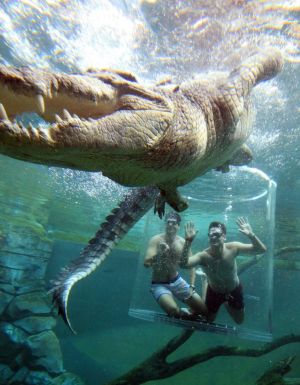
Start your visit to Darwin with a trip to the popular Crocosaurus Cove. The Cage of Death – Australia’s only ‘crocodile dive’ – is bound to get the adrenaline pumping, with parents and kids aged 15 and older able to descend into a pool with a saltie. If you have younger children, there’s still plenty of things to do, including holding a baby croc. Meantime, if your stay includes a Thursday or Sunday, take the kids to the famous Mindil Beach Sunset Market. Operating during the dry season (April–Oct), arrive when the markets open at 4pm to avoid the crowds and sample plenty of Asian cuisine.
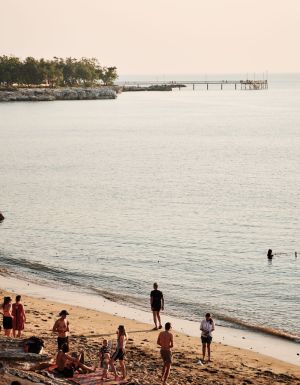
Don’t miss: Finishing your night with mango, coconut or dragon fruit sorbet on the beach.
Darwin to Litchfield National Park – Day 3
120 kilometres
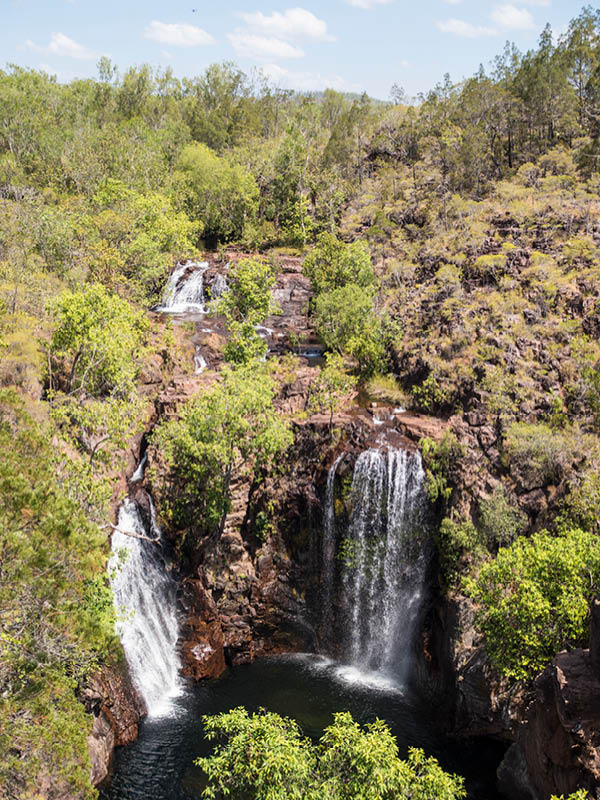
You could spend days exploring the delights of Litchfield National Park but if you only have a week, the two highlights are spring-fed Florence Falls and Wangi Falls. Florence is a good spot to start as it gets busy and is relatively small. It’s also easy to reach via a staircase from a car park.
Wangi Falls is much larger and although it, too, gets busy there is a lot more room for floating around. There are campsites within strolling distance of Florence, but if your family doesn’t camp, book a room in nearby Batchelor.
Don’t miss: Buley Rockhole, if you can squeeze in one more natural attraction. The rock hole is a series of tiered pools, with the shallow top pool great for toddlers and the lower, deeper pools fun for teens.
Litchfield to Mataranka – Day 4
422 kilometres
Hit the road early so you arrive in Elsey National Park with plenty of time, ready for a dip in the relaxing Mataranka Thermal Pool. In the dry season (winter), the place can get crowded with grey nomads but it’s still a great spot for families, with the water temperature around 34 degrees.
Follow the path through towering palms until you reach the spring with its clear, aqua water (entry is free). Camp in the park or stay at Mataranka Homestead.
Don’t miss: Bitter Springs (two kilometres away from Mataranka town), where the current will whisk you down the impossibly blue creek to a timber walkway that takes you back to the starting point. It’s like a lagoon ride at a theme park, only natural.
Mataranka to Katherine, via Cutta Cutta Caves – Day 5
106 kilometres
Around 15 metres below the earth are Cutta Cutta Caves, formed millions of years ago. Located in a 1499-hectare nature park of the same name, the caves are open year-round but can close due to weather conditions. Follow the Tropical Woodland walk, which takes around 20 minutes (return). Keep your eyes peeled for the rare orange horseshoe bat and blind shrimps. Yep, you heard right.
Don’t miss: An hour-long guided tour of the caves with Nitmiluk Tours.
Need tips, more detail or itinerary ideas tailored to you? Ask AT.
AI Prompt
Katherine to Darwin – Day 6
316 kilometres
Stock up on healthy car snacks in Katherine before you hit the road for the drive back to Darwin. Once you reach the city, call into Leanyer Recreation Park, which has free entry.
Families can easily pass a few hours here, with toddlers enjoying the splash area, mini waterslides and playground, older kids flying down the bigger slides and hitting up the skate park, and parents soaking in the lagoon-style pool. You can picnic here or buy an easy lunch from the kiosk.
Darwin – Day 7
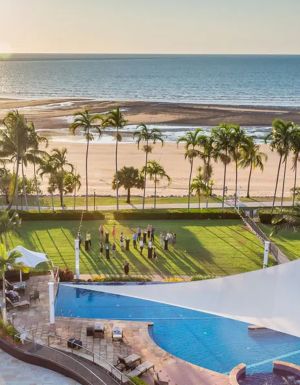
Round out your Top End trip by spending a morning or afternoon at Darwin Wave Lagoon. Parents will be transported back to their youth as they splash about in rings and push the kids on bodyboards at this fantastic attraction (children under three are free). Afterwards, let teenagers test their balance on the inflatable obstacle course in the Recreation Lagoon, while little ones enjoy the nearby playground.
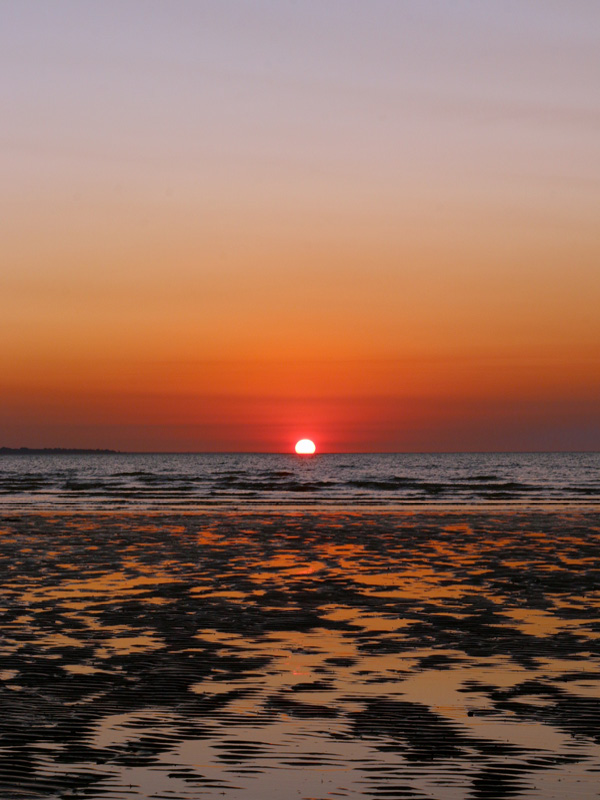
Don’t miss: An ice cream under the palms on the foreshore or a seafood lunch at Stokes Hill Wharf, within strolling distance.
If you have 14 days…
Add these destinations to your itinerary.
Darwin to Cooinda Lodge, Kakadu National Park – Day 8
305 kilometres
A trip to the Top End wouldn’t be the same without calling into UNESCO World Heritage-listed Kakadu National Park, which is surprisingly child-friendly. Hit the road early and enter Kakadu via the sealed Kakadu Highway.
Your first stop should be Bowali Visitor Centre, where you can get a lay of the land and talk to the park rangers about what waterholes and roads are open. Then you’ll want to check into Cooinda Lodge and Campground, where you can while away the rest of the day swimming in two resort pools and enjoying the playground.
Don’t miss: a night off cooking with a meal of barramundi, pizza or fish ‘n’ chips at Cooinda’s Barra Bistro.
Cooinda Lodge to Maguk (Kakadu) – Day 9
62 kilometres (approx. one hour, one way)
Don’t underestimate Kakadu – there’s a lot to see and the driving distances are considerable. Instead of trying to squeeze in too much and exhausting the entire family, pick a few of the main attractions and pace your days out. One of the best places to take children of any age is Maguk Waterfall. It’s about an hour’s drive along a 4WD-only dirt road and then a 2km (return) walk to the swimming hole and waterfall.
Don’t miss: A tour with Yellow Water Cruises on Yellow Water Billabong and South Alligator River. There are tours from sunrise to sunset and you’re guaranteed to see crocodiles.
Cooinda Lodge to Jim Jim Falls (Kakadu) – Day 10
42 kilometres (approx. one hour, one way, depending on road conditions)
This is one older kids and parents will especially appreciate, although it’s doable for little ones, too, just expect the hike to take longer and that you may need to carry them for part or all of it, depending on their age. But it would be a shame to skip Jim Jim Falls. It is one of the most spectacular natural landscapes in Australia, with a 900-metre monsoon forest walk over tree roots and large boulders leading to an amphitheatre of towering stone walls and two natural pools. This is a dry season (May–October) excursion. If you visit during the wet season, ask the rangers at Bowali Visitor Centre which waterfalls are accessible by foot.
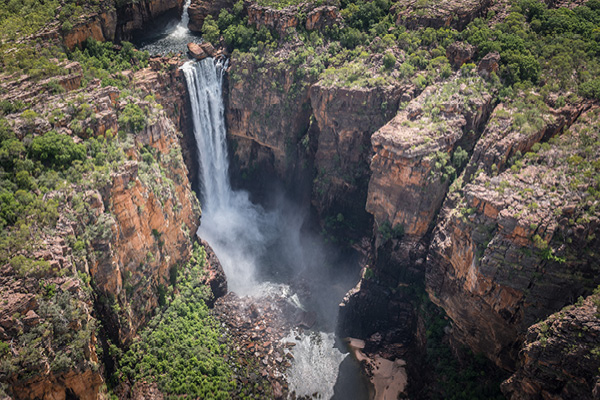
Don’t miss: Swimming to the small sandy cove around the corner of the main beach at Jim Jim.
Weekly travel news, experiences
insider tips, offers, and more.
Cooinda Lodge to Berry Springs – Day 11
293 kilometres
Say goodbye to Kakadu National Park and make your way to Territory Wildlife Park, about an hour from Darwin. Check out the nocturnal house, where you can meet rare and endangered native animals, as well as the aquarium, home to crocodiles, turtles and barramundi. There are also aviaries and a bird show.
Don’t Miss: The wildlife park is next to Berry Springs Nature Park, a fantastic natural waterhole families will love. Pack a pool noodle and a picnic, and spend a couple of hours here.
Berry Springs to Pudakul Aboriginal Cultural Tours, Adelaide River – Day 12
43 kilometres
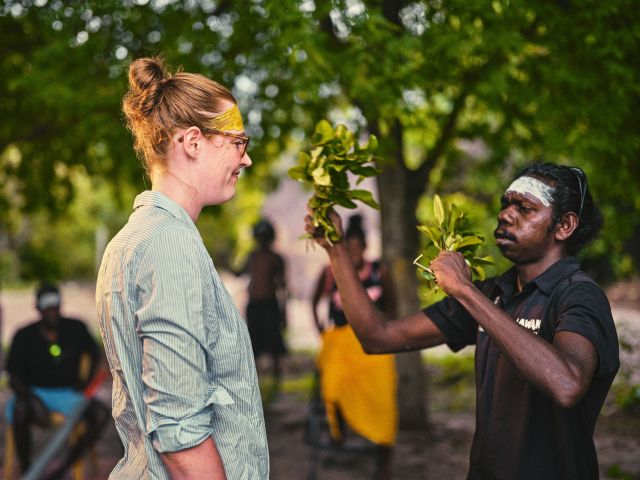
Before arriving back into Darwin, join a tour of Adelaide River wetlands, on the Aboriginal-owned and operated Limilngan-Wulna Land. The majority of Pudakul Aboriginal Cultural Tours operate from the Adelaide River and guests learn about didgeridoo playing, spear making and basket weaving. You can also sign up for guided walks and talks. Stay overnight in nearby Humpty Doo.
Don’t miss: The two-hour daily Aboriginal Cultural Tour, available May–October. Children aged under five are free when on self-driving trips.
Humpty Doo to Darwin – Days 13 & 14
38 kilometres
As you make your way back to the capital, stop into Darwin Aviation Museum, where you can introduce the children, young and old, to the city’s fascinating history. They’ll learn about the bombing of 1942 and see plenty of cool aircraft on display.
It’s also worth spending your final days getting up close to the NT’s most famous reptile – the crocodile – at Crocodylus Park and Zoo, about 15 minutes from the CBD. It’s a great place to expand everyone’s understanding of crocs, with hundreds of hatchlings and adults at the zoo.
Don’t miss: One of the daily croc feeding tours and the chance to hold a baby croc.
*If you don’t want to drive, you can piece together a few tours, including Kakadu Tourism Adventure Tours’ Spirit of Kakadu adventure (suitable for children eight and over).
For more information on things to do in the Top End, visit the official Northern Territory website at northernterritory.com
Want to see more stories from Australian Traveller in your Google search results?
- Click here to set Australian Traveller as a preferred source.
- Tick the box next to "Australian Traveller". That's it.