Hiking the serpentine trails of Wadjemup Bidi on Rottnest Island

hero media
They’re cute, they’re cuddly and they even smile for the camera, but quokkas are far from the only attraction on Rottnest Island.

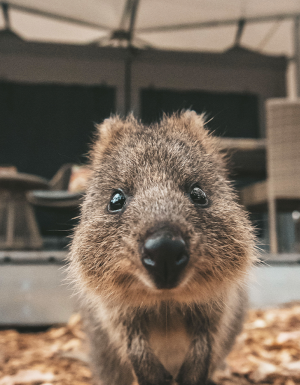
There’s a man on the floor, contorting himself at strange angles under a pub table. It would be an alarming sight anywhere else, but on Wadjemup/Rottnest Island you get accustomed to people pulling questionable moves in pursuit of that prized holiday souvenir: a quokka selfie. The fuzzy marsupials reign ‘Rotto’, as WA locals fondly refer to it, and yes, their fathomless eyes and cheesy grins are irresistible. But I suspect their spell may also be Machiavellian: perhaps their charms are purposefully deployed to distract from Rottnest’s other natural beauties?
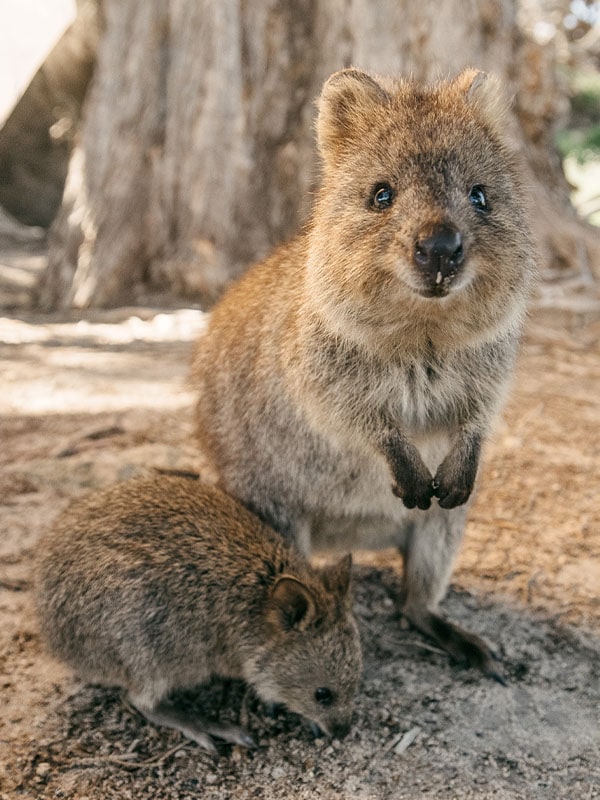
Quokka in Rottnest Island, Western Australia
Resist the urge to pat a quokka. (Image: Tourism Western Australia)

Being a seasoned Rotto fan, I’m all but immune to the ways of the quokka. I raise my eyebrows at a seagull, who’s also (fruitlessly) posing inside the glass at the beach-facing Hotel Rottnest. We share a look that says, “Aren’t humans nuts?" This trip, I’m swapping selfies for car-free Rottnest’s serpentine walking trails that trace some 45 kilometres of barely peopled parts of Wadjemup – the Whadjuk Noongar name for the island.

Hiking the trails of Wadjemup Bidi

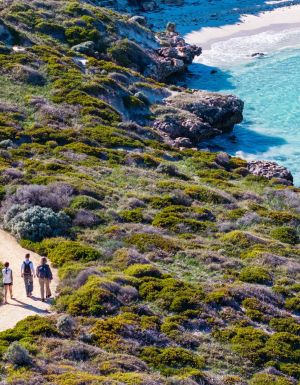
The low-impact Wadjemup Bidi – bidi meaning track – is split into five sections that roam along sandy beaches and tranquil lagoons, push up scrubby hills to lighthouses and lookouts, and weave around scratchy rocks with views of fur seals, whales and dolphins.

It’s impressive, packing that much trail into an island only 11 kilometres long, not least because its creation came after significant cultural collaboration. I’m tackling the 9.7-kilometre Gabbi Karniny Bidi leg, which takes in samphire heaths, arching woodlands and boardwalks seeming to levitate over pancake-flat salt lakes. I could do it alone, but local experts The Hike Collective has guided options, so I join a small group of enthusiastic explorers.

Quietly launched in 2018, the trail is still very much under the radar. We see less than a handful of other souls on our four-hour journey. Lissa Rossetti leads the way. Once a home economics assistant, she says a health scare led to an epiphany and hiking was the answer. “I watched an indie film on the Camino Trail in Spain and came out and said, ‘I think I need to walk’," she says. “When I’m in nature, I connect with it. I say hello to the birds and I whisper to the wind."
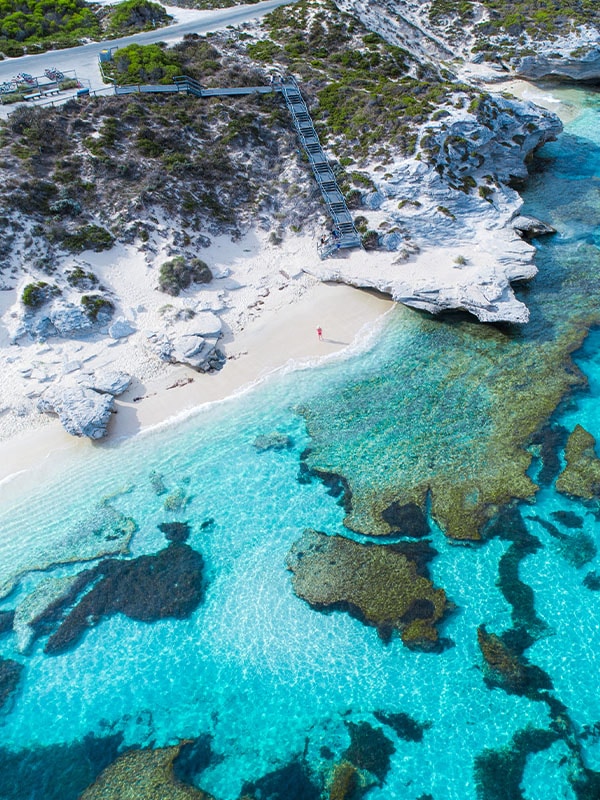
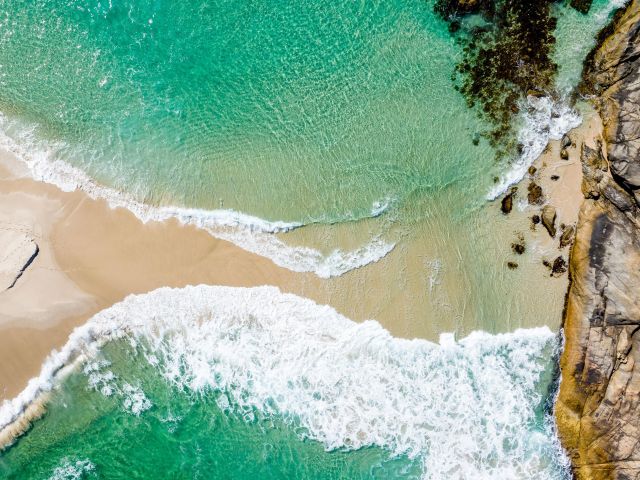
Henrietta Rocks, Rottnest Island, Western Australia
Walking the beach next to turquoise waters at Henrietta Rocks. (Image: Tourism Western Australia)

Need tips, more detail or itinerary ideas tailored to you? Ask AT.

AI Prompt

Learn the island’s history

It’s a poetic introduction as we puff up a steep rise, rewarded with a periphery-pushing outlook of the island’s untrammelled interior. A monument details the island’s early visitors, Dutch navigators who came, saw and departed. “The first sailors reported good woodland and lots of bush cats," says Lissa. “Then, in 1696, Willem de Vlamingh and his crew stopped in. They said it was full of rats and faeces and ‘Let’s get out of here’."

The rats, as you’ve probably guessed, were actually quokkas, but the name stuck and Rottnest it is today. But well before then – artefacts suggest at least 27,000 years back – Aboriginal people walked these lands. Even after its separation from the mainland about 7000 years ago, the connection is strong. “Aboriginal culture believes Wadjemup is a place of transition between the physical and the spiritual world," says Lissa, as we move through low coastal scrub where scents waft from grassy to saline and sugary honey blossom. “Once someone has died, their spirit comes to the island, then it’s taken by whales to its final resting place." In keeping, the word Wadjemup translates to ‘place across the water where the spirits are’.
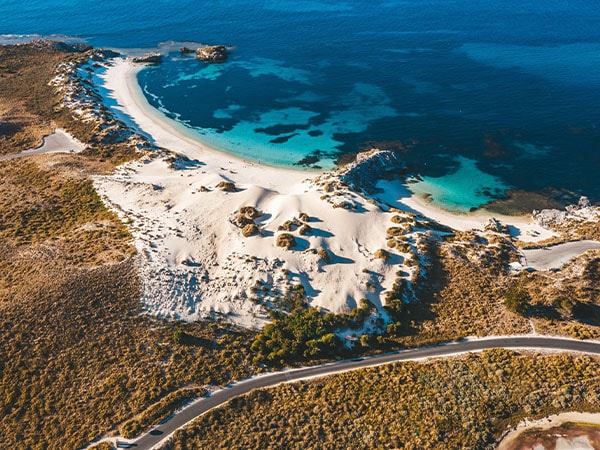
Rottnest Island, Western Australia
Heighten your appreciation for Wadjemup/Rottnest Island by going on an eco-friendly tour. (Image: Tourism Western Australia)

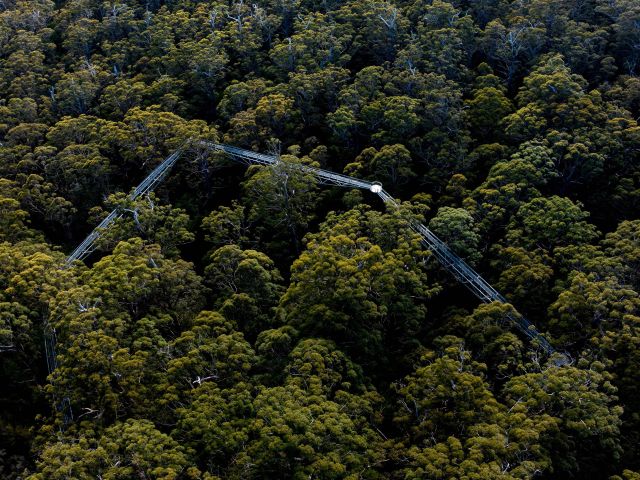
We take a lake-rim boardwalk that’s made from single-use plastic bags, one of many sustainability efforts incorporated into the Class A nature reserve. Within view is a wind turbine generating green energy – part of a plan to have renewables power 75 per cent of the island’s energy needs. Even the trail’s signposts are fashioned from recycled waste.

See Wadjemup Lighthouse

We reach Wadjemup Lighthouse, perched at the island’s highest point and pause for breath before staggering to Signal Ridge. During the Second World War, the Women’s Royal Australian Naval Service would relay light-flashed messages from surrounding vessels to the mainland. Rottnest was twice transformed into a defence base during global wartimes; historical army barracks and guns can still be seen today.
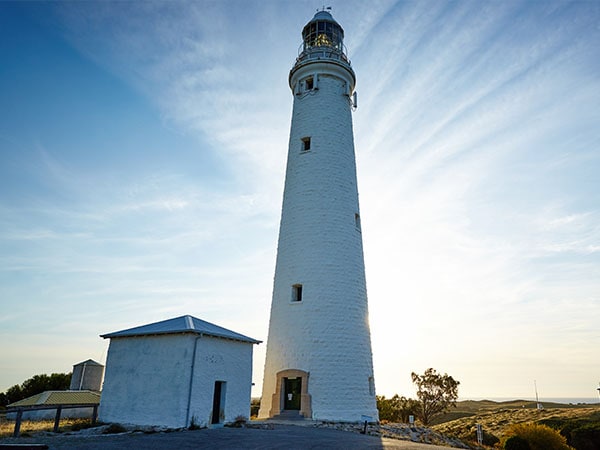
Rottnest Island, Western Australia
There are incredible views to be had when walking to locations such as Wadjemup Lighthouse. (Image: Tourism Western Australia)

Cool off at pretty beaches and bays

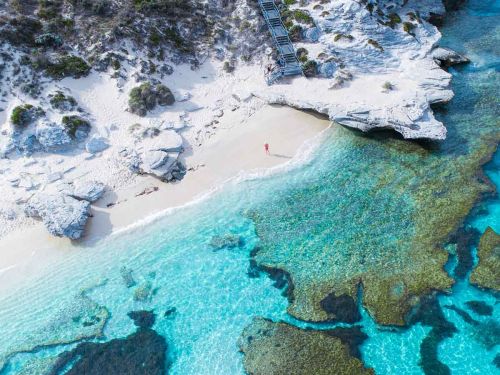
With our calf muscles enjoying the descent, we take a bend towards what I reckon is Rottnest’s most idyllic beach – and there are 63 to choose from. Little Parakeet Bay is a secluded pocket edged with limestone cliffs in tones of grey and ivory that plunge towards pale sands. Our coastal route leads to other little finds – bijou bays I’ve never laid eyes on – and I mentally bookmark them for future dips.
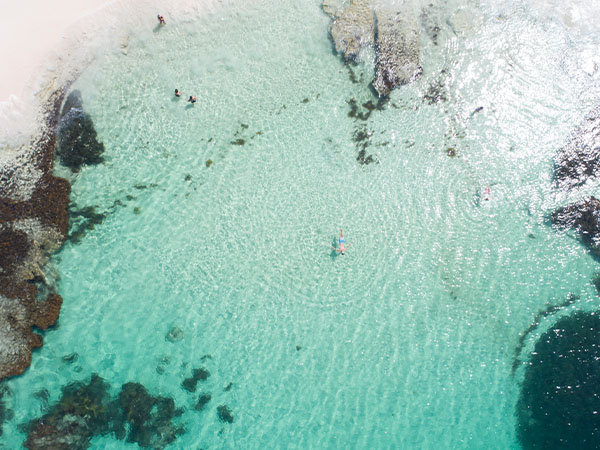
Parakeet Bay, Rottnest Island, Western Australia
Postcard-pretty Little Parakeet Bay. (Image: Tourism Western Australia)

Weekly travel news, experiences
insider tips, offers, and more.

Retreat to Samphire Rottnest

I’m feeling very much in holiday mode by the time we return to the main settlement, Thomson Bay (named after the island’s first European residents who arrived in 1831, Robert Thomson, his wife and eight of their 12 children). Perth’s CBD skyline sits on the horizon, hazy across the ocean. “The tranquillity of Rotto is what I love," says Lissa. “Sometimes you only have a night here and you get that rested feeling. It’s a place of restart, of refresh."

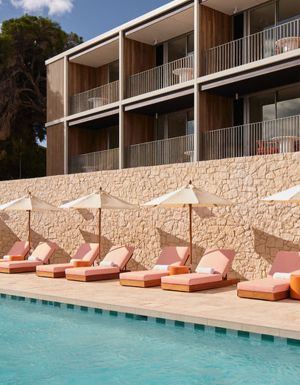
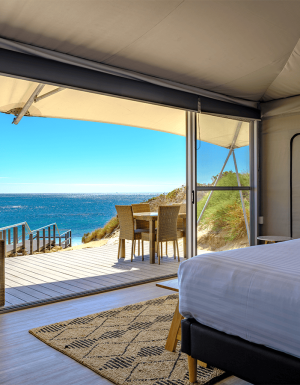
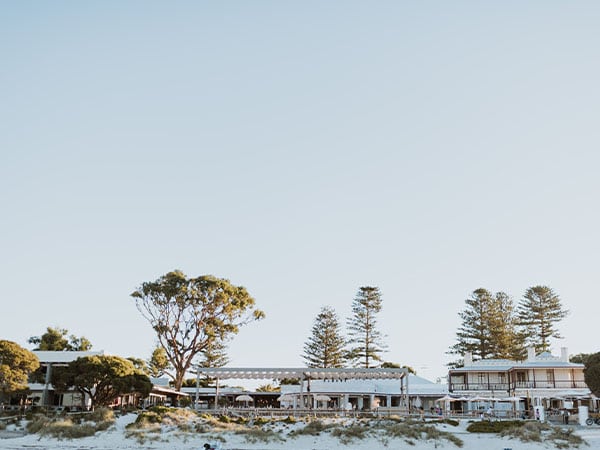
It seems as good an excuse as any for a pick-me-up nap, after I retreat to the balcony of my room at the island’s newest accommodation, Samphire Rottnest. Following a rocky opening in 2020, the coastal-glam resort has settled into its skin. Dressed in beach tones, airy rooms are lulled by bubbling pool sounds below, with native plant gardens and retained mature trees hugging the day beds and cabanas. Its mod-Asian restaurant Lontara is so good people ferry across just to dine there (and hey, it’s only a 19-kilometre jaunt).

I rise at dawn for a jog which, like eschewing the quokkas, is a very un-Rottnest thing to do. I circle around a tall woodland that holds the graves of hundreds of Aboriginal people: leaders, warriors and lawmen who had been sent to the island’s penal settlement for about 100 years from the late 1830s. Put to hard labour, they built stone walls and colonial buildings, yet many never made it home. I pay my respects to the souls laid here, one of 17 protected Aboriginal heritage sites.

I cool off with a plunge into Samphire’s pool, then whoosh, onto the ferry with a renewed bounce in my step, marvelling at what a difference only 24 hours on Rottnest Island can make – even without a quokka selfie.
Samphire Rottnest Island Western Australia
Stay at Samphire Rottnest. (Image: Jillian McHugh)

Conscious Traveller tip

Rottnest Island may well be WA’s most sustainable place. As the only EarthCheck Certified Sustainable Destination in the state, the solar and wind-powered holiday isle (which also produces its own desalinated water) has just committed $62 million to upgrade its water and energy infrastructure. With plans to double the existing solar farm’s capacity and expand wind turbine power, it’s projected some 4000 tonnes of carbon emissions will be cut each year.
Cycling Trail, Rottnest Island, Western Australia
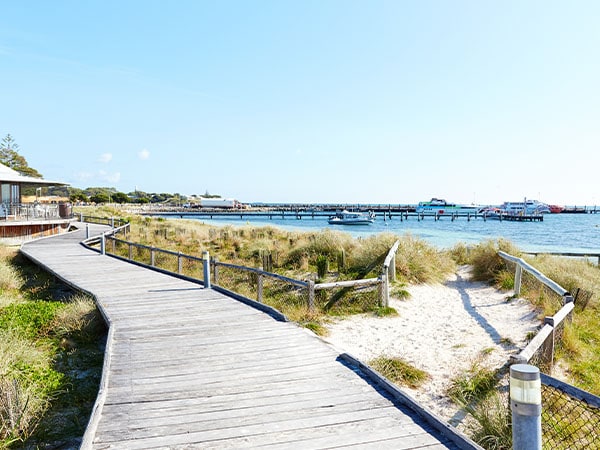
Rottnest Island has a wonderful network of walking and cycling trails. (Image: Tourism Western Australia)

Want to see more stories from Australian Traveller in your Google search results?

  1. Click here to set Australian Traveller as a preferred source.
  2. Tick the box next to "Australian Traveller". That's it.
Fleur Bainger
Fleur Bainger is a freelance travel writer and journalism mentor who has been contributing to Australian Traveller since 2009! The thrill of discovering new, hidden and surprising things is what ignites her. She gets a buzz from sharing these adventures with readers, so their travels can be equally transformative.
View profile and articles
hero media

Exploring an icon: inside the massive upgrade to Broome’s famous Cable Beach

(Credit: Tourism WA)

    Lucy Cousins Lucy Cousins
    With unhurried mornings, long, sun-filled afternoons, evenings shaped around sunset, this iconic beach offers an all-day experience (and it’s about to get even better).

    As the sun slowly rises over the languid waves and fine sand of Broome’s Cable Beach, the morning colours shift from rich apricot to pale gold and frosty pearl. Remnants of life reveal themselves in the subtle shadows – crab claw marks, towel impressions, footprints. Life here is unhurried, but don’t be fooled. This town is continually shifting like the desert dunes that surround it.

    And with a $75 million upgrade – offering easier and more inclusive access for people of all abilities – it’s getting even better.

    Cable Beach upgrade foreshore redevelopment stage 1
    Discover the Cable Beach redevelopment.

    The addition of comfortable and welcoming spaces has begun (and will continue). This means visitors will be able to spend longer enjoying this beautiful environment, while knowing that the upgrade will create a more environmentally protected setting that preserves the natural character visitors come for. Come sunset, soak it in all the better thanks to the already improved foreshore areas, made for lingering while the light changes. And for the kids, a new splash park and accessible dry playground will make it easy to while away the hours.

    Think you know what a day at this beach is like? Think again.

    Morning colours

    car on cable beach at sunrise
    Cable Beach comes alive after sunrise. (Credit: Tourism WA)

    As the sun colours the sky, Cable Beach shows signs of life (and not just the aquatic kind). Locals and visitors alike float in the cool water as it laps the shore, landlubbers explore the coast on foot, runners pace and beachside yoga classes bring quiet movement to the day.

    When the sky is blue and the sun is firmly in position, head down to the well-known Cable Beach House for a long, slow breakfast overlooking the ocean. Think fresh tropical fruit, eggs cooked your way and strong coffee in the warm morning breeze.

    Afternoon adventures

    camel train on cable beach in broome at sunset
    Join a camel train at sunset. (Credit: C J Maddock)

    When you’re ready to explore, carve a path along the Minyirr Park Trail – a gentle 1.5-2km track through coastal bushland with spectacular views of the dunes. Refuel at the nearby Spinifex Brewery for lunch with its low-key, outdoor beer garden. There’s even an outdoor playground if you’re travelling with young humans.

    Walk off your lazy lunch by watching (or joining) one of the beach soccer or volleyball games, or even try Silent Beats Broome – a silent walking disco through the dunes. Or book a spot on the famous camel trains, watching the sun drop below the horizon along the way. They’re a constant reminder of the fascinating history, landscape and cultural mix in this part of the country.

    Evening degustation

    server at Cable Beach Club
    Stop into the Cable Beach Club. (Credit: Tourism WA)

    As the day closes, watch the world-famous Cable Beach sunset from the appropriately named Sunset Grill at Cable Beach Club. This open-air terraced dining spot overlooking the beach is the kind of place where the view takes centre stage.

    While you sip on a lychee, lime & lemonade mocktail or a local beer, enjoy the bustle of life and nature outside as the day comes to an end.

    For dinner, nab a table at the Bali Hai Cafe, where they offer pan-fried crispy barramundi, Abrolhos Island scallops and deep-sea snow crab. When you’re ready for bed, check in to Pinctada Hotel Broome – a lush, tropical resort with palm-dotted gardens and a large, lagoon-style pool to cool off in.

    Beyond the beach

    Beyond the wide, open beach and never-ending sky of Cable Beach, there are many more reasons to visit North West Australia. These are just a few.

    Unmatched experiences

    Shinju Matsuri Festival's popular Long Table Dinner on cable beach
    Join Shinju Matsuri Festival’s popular Long Table Dinner. (Credit: Tourism WA)

    Engage with the history of the land and its people on an Indigenous cultural tour exploring everything from the local wildlife to the tastes of bush tucker. To understand the importance of pearling to this town, take a tour of Chinatown, or head outside of town to the live pearl harvests at Willie Creek or Cygnet Bay Pearl Farm, one of Australia’s oldest pearl farms.

    Learn why Japanese pearlers were central to Broome’s pearling success and visit the largest Japanese cemetery in Australia, where 900 Japanese pearlers were buried – a testament to the risks and rewards of this dangerous profession.

    And book ahead every spring for when communal tables, freshly cooked local fare and festoon lighting fill the beach for the extremely popular Long Table Dinner on Cable Beach. It’s a highlight of the Shinju Matsuri Festival, along with the Floating Lanterns Matsuri, where you can personalise a lantern and gently release it into the sea to honour those you love.

    Dining discoveries

    Matso’s Broome Brewery
    Settle in for Matso’s famous ginger or mango beer. (Credit: Tourism WA)

    Further your culinary adventure at the laid-back Sunday Sesh at Matso’s Broome Brewery. Chow down on smoked crocodile or Aussie barramundi while kicking back to a local DJ as the heat of the day fades.

    For more tunes, the beautiful outdoor Bay Club at the Mangrove Hotel is a great choice for dinner with live music, DJs or an event that stretches on into the early hours. Still hungry? Pop by Johnny Sausage for Italian-influenced meals paired with impeccable wines.

    Natural beauties

    Gantheaume Point cabnle beach broome
    Experience the striking colours of Gantheaume Point. (Credit: Tourism WA)

    Avoid the crowds and head to Town Beach for a quieter vantage point to see the phenomenal Staircase to the Moon – a natural illusion where the rising full moon is reflected on the tidal flats, creating a shimmering ‘staircase’ stretching up to the sky.

    Just south of Cable Beach are the deep red cliffs and dramatic ocean views of Gantheaume Point, where 130-million-year-old dinosaur footprints can be seen, revealed at low tide. Or head to Roebuck Bay to visit the internationally significant wetlands, where vast tidal flats are home to shorebirds and coastal fauna.

    Between October and March, watch turtles nesting and hatchlings emerge from the sand. You’ll be holding your breath as they make their way down to the shoreline, ready to start their life in one of Australia’s most beautiful landscapes.

    For more on Cable Beach and Australia’s North West, visit australiasnorthwest.com.