All the questions you have ever wanted to ask about taking a cruise

hero media
As part of our ‘Everything you need to know about cruising‘ series, we went straight to the experts to get their insider tips on booking and taking a cruising holiday.

When considering a cruise holiday for the first time, the volume of cruise lines, types of cruises, destinations, shore excursions and everything in between can be overwhelming. We’ve answered the most commonly asked questions about cruising to help you book the right cruise for you.

More from our ‘Everything you need to know about cruising’ series:
Cruise vs Resort: the pros and cons of the different types of holidays
Which cruise line? The dummy’s guide to choosing a cruise
Everything a first-time cruiser should know
How to book your first-ever cruise

What size cruise ship is right for me?

Large cruise ships

Cruise expert Louise Goldsbury says a large cruise ship is 1750 passengers or more.

“These are mega-resorts at sea, with a lot going on," she says.

“Large ships offer a huge variety of dining options, kids’ activities and the most lavish entertainment productions you can get (there’s even a Cirque du Soleil show on-board one international ship).

“Also, they almost always sail well – regardless of bad weather. The catch: their sheer size means service can lean towards one-size-fits-all."
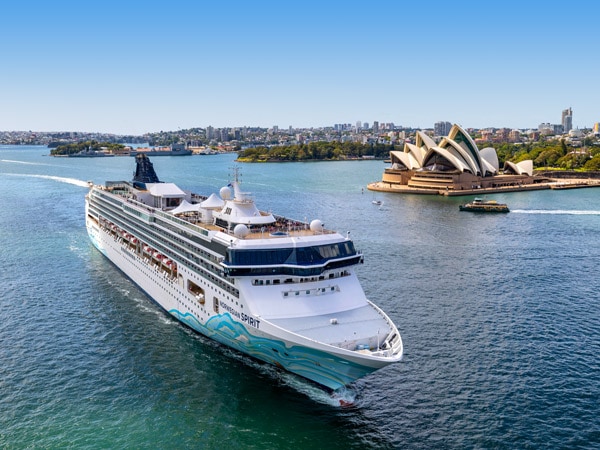
the Norwegian Spirit in Sydney Harbour
NCL’s Norwegian Spirit departs in Sydney.

Mid-sized cruise ships

“A mid-sized cruise ship is approximately 750 – 1749 passengers. A mid-sized ship is a happy medium between the benefits of a large hotel and the intimacy of a smaller one," Goldsbury says.

“Mid-sized ships mightn’t have the huuuuuge entertainment and dining options of their super-sized sisters, but they generally offer a more laidback atmosphere, still with a generous amount of variety (and without the queues)."
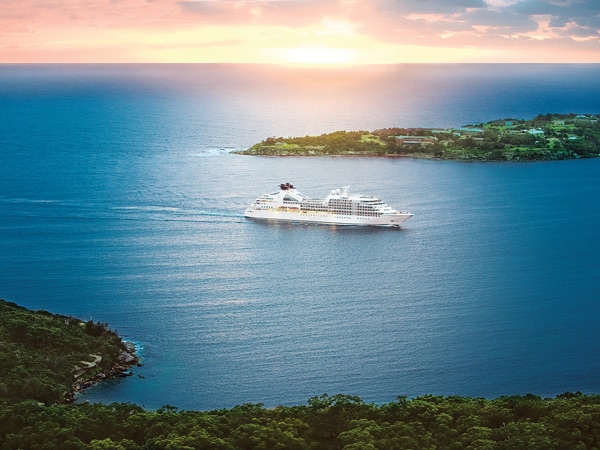
Seabourn Odyssey at sea in Australia
Seabourn Odyssey is a modern yacht-style ship.

Small cruise ships

“A small ship is 749 passengers or less," Goldsbury says.

“Now it is more like a lavish boutique hotel. Internationally, some small ships can be rather downmarket, but in Australia small ships tend to be all about luxury: cooked-to-order cuisine, highly personalised service and a day-to-day structure free from the rigidity of larger ships. They are best in calm seas."
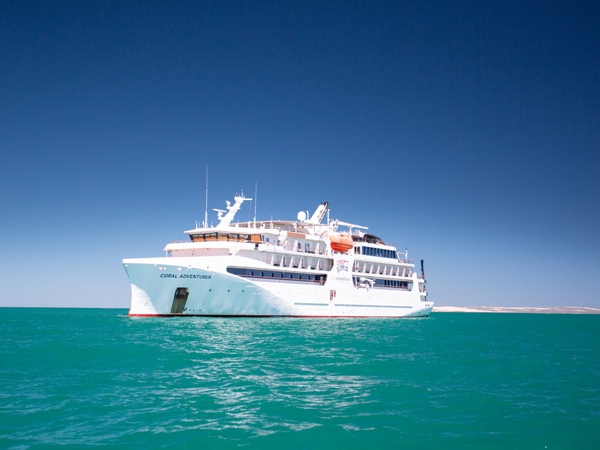
the Coral Adventurer at sea
Coral Adventurer can carry a maximum of 120 passengers.

When’s the best time of year to take a cruise holiday?

Brett Dudley, founder and former owner of ecruising.travel, says the best time to cruise depends on the destination you choose.

“The best time to cruise around Australia is between late October and March," he says.

“However, there are some cruises that operate all year round. Asia and the USA have cruising all year round as well.

“In Alaska, you can cruise between April and August, in Europe the season runs May to September, and in Canada and New England, cruise from September to November."
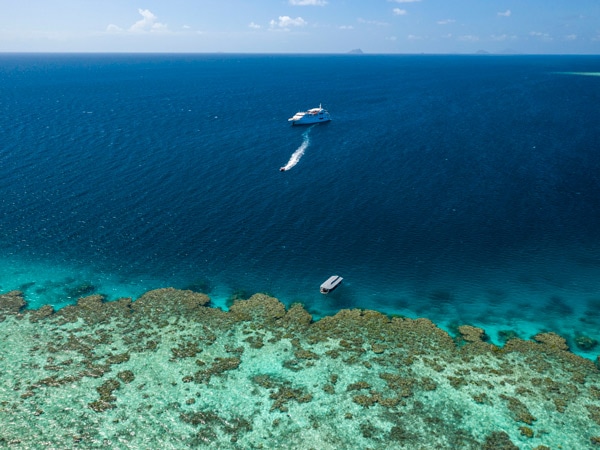
an aerial view of the Great Barrier Reef, Coral Expeditions
Embark on a tropical escapade to the Great Barrier Reef with Coral Expeditions. (Image: Phlipvids)

Is cruising expensive or is it value for money?

Jan Harrington, former general manager of product and business development for Cruise Guru, says cruising offers unbeatable value for money.

“The great thing about taking a cruise is that you have your hotel-style accommodation and transport combined as well as meals and entertainment. In general, you can also choose your style of meal. You will never go hungry," she says.

“Most entertainment such as group activities, classes and theatre shows are included in the cruise fare. And don’t forget the access to the gym and pools. The ship also takes you from port to port, cutting out on the cost of transportation items such as airfares and taxis, so effectively you are saving a lot!"
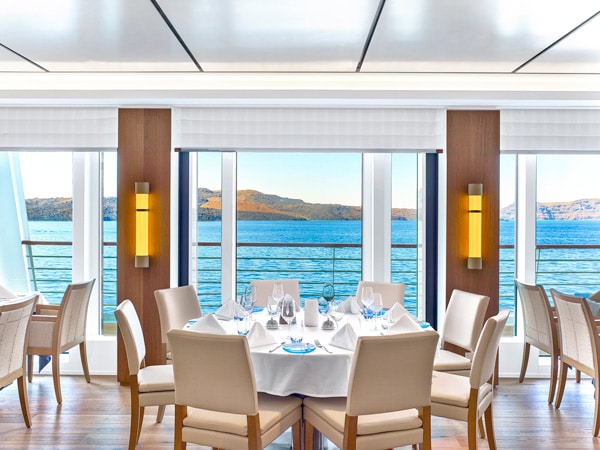
an elegant dining venue onboard Viking Cruises
Viking Cruises offers elegant dining options.

What time of year will I get the best price?

Joel Katz, managing director of Cruise Lines International Association (CLIA) Australasia, says cruise lines release their itineraries at various times throughout the year, often depending on the seasons and the different regions of the world they operate in.

“It’s a good idea to book as far ahead as possible. Booking early also gives you the best chance of securing your preferred cabin options and dates," he says.

“A good CLIA-accredited travel agent will be aware of the best specials available at any particular time."
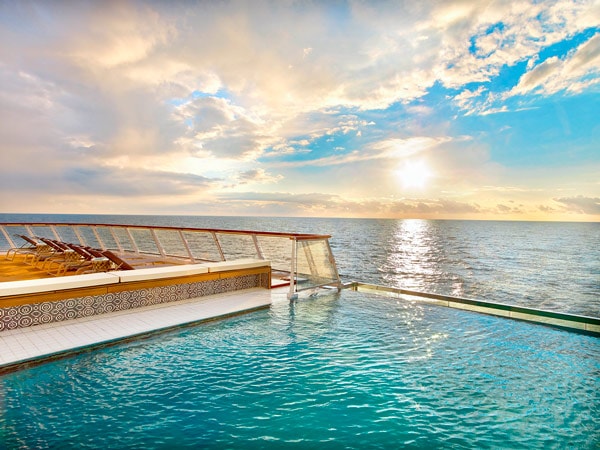
the infinity pool onboard Viking Cruises
Lounge by the edge of the infinity pool onboard Viking Cruises.

Am I going to be the youngest person on board?

“No, cruising is incredibly diverse. There is something out there for everyone, you just need to find what suits you," Breeanna Perez, former groups coordinator of Clean Cruising, says.

“From my experience, you will find many people in the younger generation gravitate to the ships with the bells and whistles such as waterslides, indoor sky diving and dodgem cars where the ship is a destination in itself. These ships have a broad variety of entertainment from the high tech evening shows to nightlife, deck parties and movie theatres to appeal to those audiences.

“The cruising industry is innovative when it comes to technology on board and these generations absolutely love this. You just need to pick your ship."
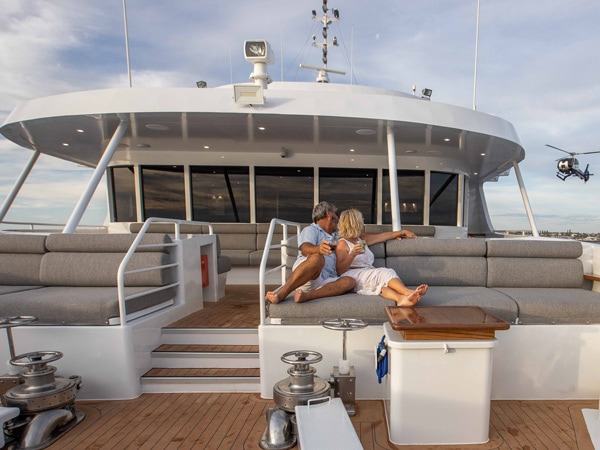
an old couple relaxing onboard True North
Curl up with a drink in hand onboard True North.

Do I need to pack any essentials?

“As well as packing for the weather in your cruise destination, you should also think about the excursions and activities you’ll take part in," Katz says.

“Consider whether you’ll need walking shoes, wet-weather protection or other outdoors gear. It’s also important to check on the on-board dress requirements – are there formal nights that require black tie, or theme nights involving party wear?

“Check to see if you need a passport. If your cruise includes an international port like the Pacific Islands, New Zealand or Bali, even for the day, you will need one – regardless of whether you plan to stay on board. Also, don’t forget at least one power adaptor – some ships only have US sockets."
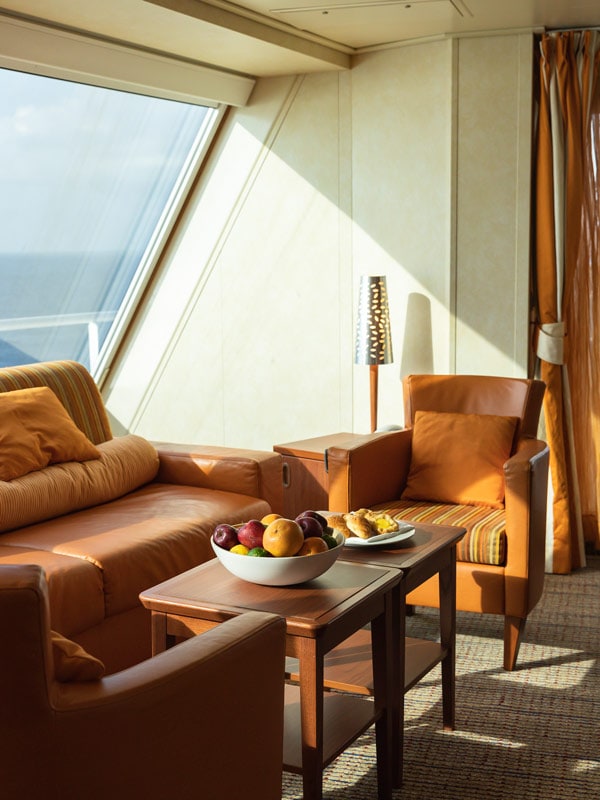
the seating area at Carnival Captain's Suites
Carnival Captains Suites are decked out with premium comforts.

What’s different about expedition cruises?

“Adventure cruising combines an adventure/expedition experience with a leisure cruise," Harrington says.

“You can explore remote regions of the world, often only accessible by the sea and learn about the history and culture of places off the beaten track. Zodiac inflatable rafts are often used to get passengers onshore where you can take part in activities such as hiking, kayaking and bird watching to name a few. The ships are generally smaller and offer a more intimate atmosphere onboard.

“Many adventure or expedition cruises will have lecturers or an expedition team onboard who give presentations on the culture, history and geography of the destinations."
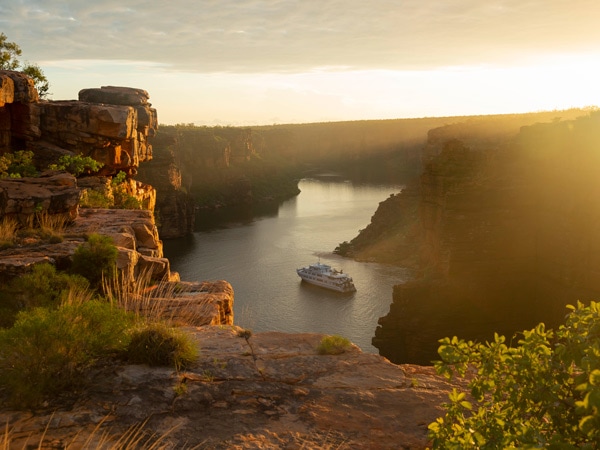
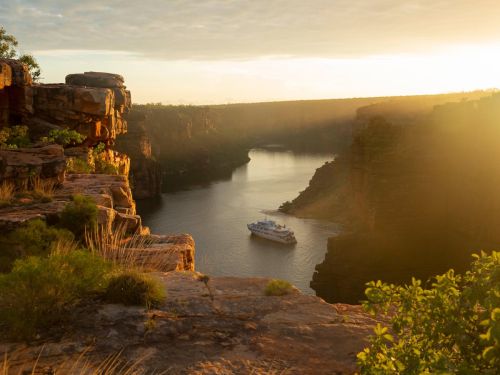
True North cruise ships in the Kimberley
True North takes you right into the Kimberley.

How do I score an upgrade on a cruise?

“The most common way is to book a Guarantee cabin. Guarantee means you book a spot on the ship but the cruise line chooses the cabin number for you," Perez says.

“These fares tend to be the cheapest in the category type, but there are pros and cons to this so depends on the type of sailor you are and whether you get seasick or not.

“For example, people have booked an obstructed ocean view guarantee and when their room is assigned it can be a non-obstructed ocean view, it’s not always the case but if the ship needs to fill a space they will just move you.

“I tell my clients if you don’t get seasick and don’t mind which deck you are on, take the luck of the draw!"
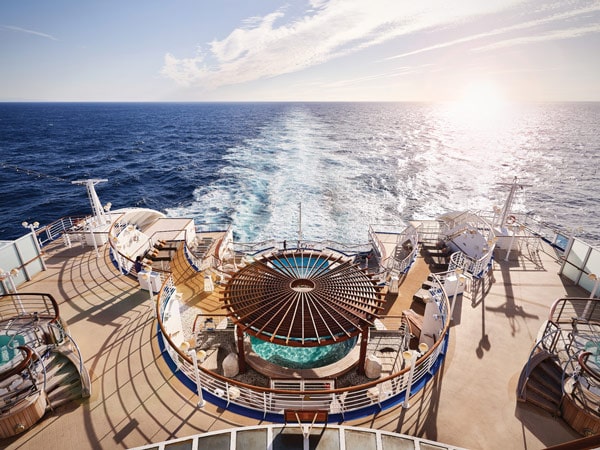
the pool deck onboard Princess Cruises
Cool off in the shimmering pool deck of Princess Cruises.

What is good about river cruising?

“River cruise operators offer a very different style of cruising to their ocean-going counterparts. A river cruise often involves much more time on land – every day is a port day and there are lots of towns and villages to explore along the waterways. A river cruise is often a good option for anyone who isn’t sure about going to sea, or who prefers smaller travelling groups," Katz says.
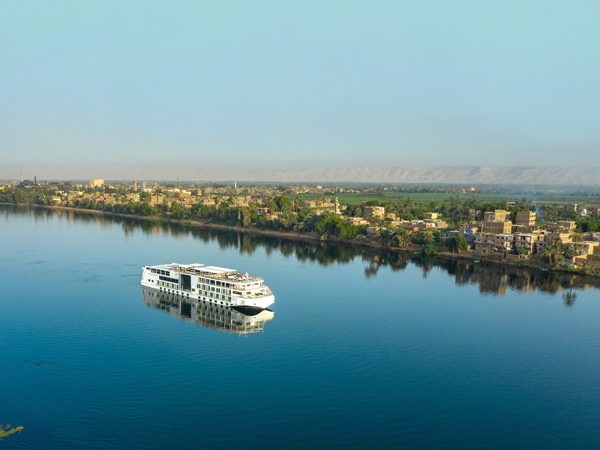
Viking Osiris along the Nile River
Viking Osiris cruises along the Nile River.

What are cruise lines doing to limit their environmental impact?

“The cruise industry worldwide has committed to sustainable practices. Cruise Lines International Association (CLIA) recently announced a historic agreement among cruise lines to reduce emissions by 40 per cent by 2030, through initiatives including new fuels and advanced exhaust cleaning systems," Katz says.

“Cruise lines are also leaders in other initiatives like recycling systems, waste reduction and sewage treatment technologies that protect the oceans. The aim of CLIA cruise lines is not only to meet environmental requirements worldwide, but wherever possible to exceed them."
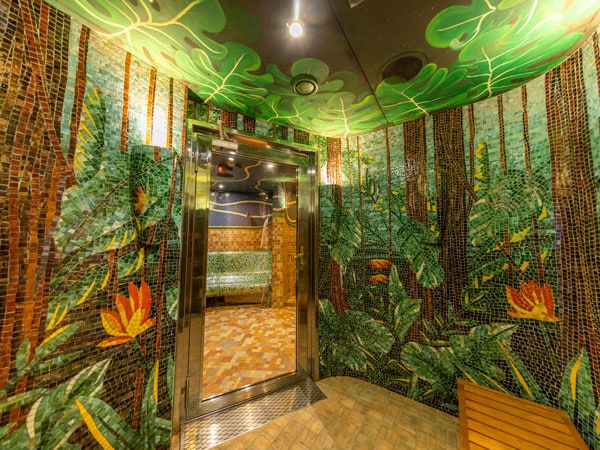
the Cloud 9 Spa at Carnival Cruise Line
Experience next-level indulgence at the Cloud 9 Spa onboard Carnival.

Will I get seasick?

“Every person is different, and some cruisers find their sea legs pretty quickly," Dudley says.

“There are many tips and tricks to help reduce the chances of seasickness like having ginger sweets and drinks, or some cruisers try over-the-counter preventatives suggested by their medical practitioners or even patches or wristbands that are said to work very well.

“When choosing it is important to consider the location of your cabin and the size of the ship as these factors influence your overall experience."
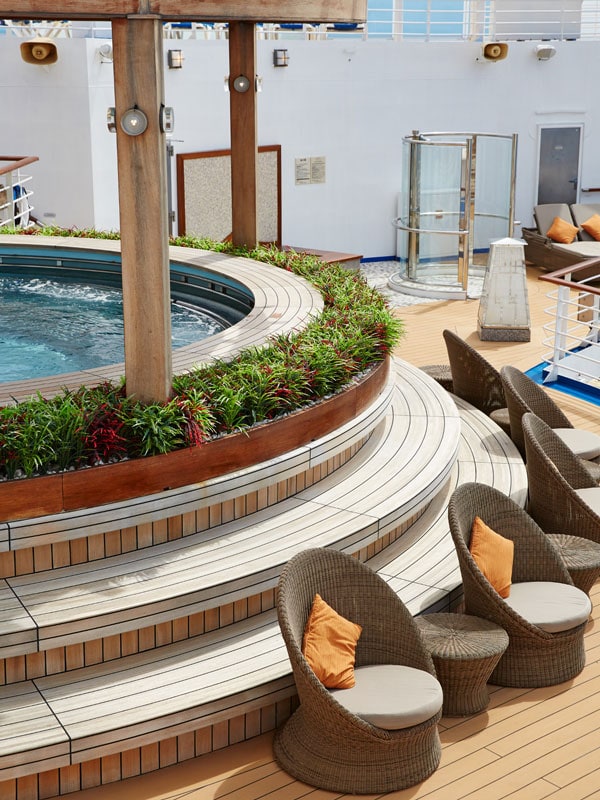
the Izumi Spa at Princess Cruises
Unwind at the Izumi Spa onboard Princess Cruises.
Helen Hayes
Helen Hayes has been a travel writer and editor for decades and has never lost her sense of wonder for discovering a new destination or revisiting an old favourite; whether it be a ski resort, a country town, a Neon-clad city, or a journey by train, car or ship.
See all articles
hero media

8 Northern Territory secrets the locals don’t want you to know

    Lee MylneBy Lee Mylne
    Summer transforms the Northern Territory into a lush paradise of colour and life, as a visit during the ‘low-season’ reveals secrets the locals willingly share.

    Waterlilies bloom, floodplains are alive with birdlife, waterfalls are gushing, and everywhere the green is dazzling. Summer in the Top End and the Red Centre is a kaleidoscope of unexpected wonders that delight and surprise visitors. Of course, the locals know only too well that the Northern Territory low season is often the best time to see and experience this amazing part of Australia.

    Here are some of the reasons why savvy travellers – avoiding the crowds – are discovering a new dimension to the Territory. Remember that you’ll need a Parks Pass to visit national parks.

    1. Take a dip in the Florence Falls waterhole

    Wander through savanna woodland and monsoon forest to discover the perfect place to cool off – the waterhole at the base of spectacular Florence Falls in the magnificent Litchfield National Park , just 90 minutes’ drive from Darwin. The falls flow year-round but are most spectacular during the summer. Camping is available nearby but bookings are essential and must be made online before you visit.

    Surrounded by lush forest, a woman cools off in Florence Falls, just one of many incredible things to do in the Northern Territory.
    Cool off beneath the cascading waters of Florence Falls. (Image: Joshua Griffin)

    2. Wind down at Buley Rock Hole

    Another popular local swimming spot in Litchfield National Park is Buley Rock Hole , open year-round. This is a great place to wind down after exploring everything the park has to offer, including towering termite mounds. Wade through the rock pools, soak up the scenic bush or just lie back and relax as the cool water rolls over you.

    Buley Rockhole, Litchfield National Park
    Let the cool water wash over you. (Image: Tourism Australia)

    3. Tour the Tiwi Islands

    The Tiwi Islands , a scenic 80km flight from Darwin across the narrow Clarence and Dundas Straits, reveal a different side to the Territory, with their own distinctive culture. Take a day tour with Tiwi by Design to visit Bathurst Island and learn about creation stories, the Mission days, World War II history and the islanders’ obsession with AFL!

    Take a ‘behind-the-scenes’ tour of Tiwi Design’s screen-printing workshop and pick up a great souvenir in the form of art. Choose from contemporary or traditional Tiwi designs and a wide range of work including carvings, paintings, pottery, printmaking, bark paintings and tunga (bark baskets).

    A creative moment shared inside Tiwi Design’s screen-printing space.
    Take a peek inside Tiwi Design’s screen-printing studio. (Image: Tourism NT)

    4. Dine in Darwin

    Foodies are spoilt for choice in multi-cultural Darwin. Try Sri Lankan flavours at Ella by Minoli, where Masterchef contestant Minoli De Silva creates delectable dishes, or head to Charlie’s of Darwin for gin-tasting, cocktails and more. Bowls of fragrant laksa, excellent coffee, fresh vegetables and authentic crafts are all part of a weekend visit to Darwin’s Parap Markets , Rapid Creek Markets and the Nightcliff Markets .

    Prefer to catch your own dinner? Book a Top End fishing charter to bag a barramundi – and from October register for the annual Million Dollar Fish competition. Hooking one of the tagged barra released each year in waterways across the Territory could win you up to $1 million.

    A bowl of Laksa.
    Eat your way through multicultural Darwin. (Image: Tourism NT)

    5. Up close with Uluṟu

    The magnificent monolith Uluṟu is even more magical when the summer rains fall. When it rains on The Rock, the locals come out to watch – consider yourself lucky if that happens when you visit. Waterfalls cascading off the sides of Uluṟu is a sight that relatively few tourists see.

    There’s so much to do at Uluṟu, from guided walks to learn the stories of the Aṉangu people and the ancient landscape they live in to scenic flights for a bird’s-eye view or a leisurely walk around the base of Uluṟu. Book ahead to spend the evening wandering through the Field of Light installation by Bruce Munro.

    A closer look at Uluru and uncover its ancient stories, sacred sites, and striking natural beauty – one of the most iconic things to do in the Northern Territory.
    Discover the details that make Uluṟu truly sacred. (Image: Tourism NT)

    6. Drive the Red Centre Way

    From Alice Springs, take an epic road trip along the Red Centre Way, taking in Uluru and Watarrka National Park, home to the magnificent Kings Canyon. Allow at least a week to drive through the red heart of Australia by 4WD, a little longer on the sealed road by 2WD vehicle, travelling through ochre deserts, palm-lined valleys and dramatic gorges. Stop off at waterholes for a refreshing dip along the way.

    Kings Canyon offers hiking options for all levels of fitness, from the three-hour Rim Walk atop soaring sandstone walls to the gentler Kings Creek Walk. Either way, you’ll have breathtaking views.

    SEIT Outback Australia is a small group touring specialist offering exciting, adventurous, exclusive and specialised iconic, pioneering and cultural touring in the Red Centre of Australia, giving you the time to learn, absorb and relax in the heart of Australia.<br /><br />This innovative tour company focuses on providing clients with the ultimate interpretive touring experiences with a range of products and customised touring itineraries for small groups and bespoke private charters.<br /><br />The company bases its philosophies from the key words of Spirit, Emotion, Intellect and Task (SEIT).
    Drive through Australia’s heart. (Image: Outback Australia Tours)

    7. Take a walk at Kata Tjuṯa

    Head out early to tackle the Valley of the Winds Walk at Kata Tjuṯa . This natural wonder, also known as The Olgas, is a labyrinth of soaring ochre domes that glow golden at sunrise and sunset (the walk may be closed during the middle of the day as temperatures rise).

    Walking trails range from easy to longer, more difficult tracks. At the Kata Tjuṯa dune viewing area, take in the panoramic view of the domes. The longest of the trails is the Valley of the Winds Walk, a 7.4km circuit that winds between the domes and through creek beds. It’s moderately difficult and steep in places, but offers stunning views – and occasional encounters with kangaroos.

    The Valley of the Winds Walk at Kata Tjuta is one of the most awe-inspiring things to do in the Northern Territory, especially at sunrise when the domes glow golden.
    Step into the golden light of Kata Tjuṯa. (Image: Tourism NT)

    8. Explore Tjoritja/West MacDonnell Ranges

    Tjoritja/West MacDonnell National Park lies 135km west of Alice Springs, with many fascinating natural features to beguile visitors. The ‘West Macs’ formations include chasms, gorges and waterholes – take your swimsuit for a dip at Ormiston Gorge waterhole, open year-round. The Ormiston Pound Walk is a three to four-hour circuit that leaves from the visitor centre and loops back along the gorge via the main waterhole. Other places of interest in the park include Simpsons Gap , Standley Chasm , Ellery Creek Big Hole and Glen Helen .

    Soaking in the serenity of Ormiston Gorge, these two travellers enjoy one of the most scenic things to do in the Northern Territory.
    Take the plunge at Ormiston Gorge waterhole. (Image: Joshua Griffin Litchfield)

    Start planning the NT road trip of a lifetime at northernterritory.com