The top 9 emerging sustainable experiences in Australia

hero media
Choose responsible tour operators and destinations, check into eco-conscious stays and take care of yourself, too.

Journey with our writers as they take you into Australia’s top emerging sustainable experiences from our 100 Emerging Destinations and Experiences series.

1. Find new connections at a biodynamic McLaren Vale winery

Travelling with: Alexis Buxton-Collins

Clusters of juicy shiraz and tempranillo grapes poke out beneath extravagant garlands of leaves as I drive through the vineyard at Gemtree Wines to a restored wetland that has been planted with 50,000 trees and shrubs. For custodians Mike and Melissa Brown, this is a labour of love that began when they bought the South Australian property in 1998. For Ngarrindjeri Elder Mark Koolmatrie, the connection goes back far longer.
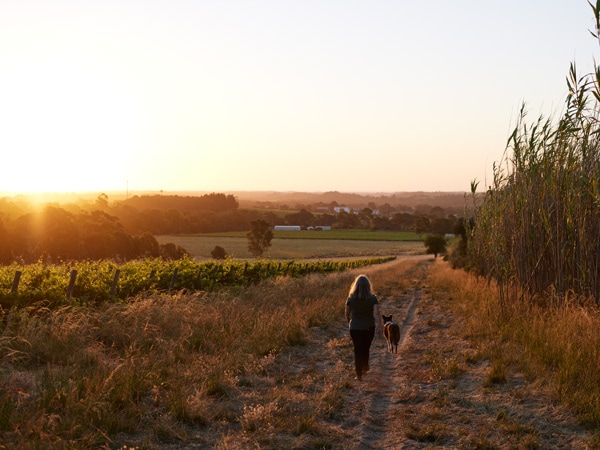
a woman walking around the vineyard
Make your way to a restored wetland at Gemtree Wines. (Image: South Australian Tourism Commission)

“This is Kaurna Country, but the same values exist as in Ngarrindjeri Land, which is just over that hill," he tells our small group on the Wuldi Cultural Experience. “Our people have a concept called ngartji that means everyone has to look after something. It could be a wombat or an emu or a waterway, but if we all play our role, together we look after the planet."

High above us, several sleepy rescue koalas are perched in the treetops. But Mark is just as excited about what’s going on at ground level. “These old logs don’t seem like much, but they create a habitat for beetles and bugs and lizards. And plants that look like weeds might provide food and shelter for a whole range of critters. Everything here plays its role."

wine glasses on the table at Gemtree Wines
Sample the range of Gemtree Wines. (Image: South Australian Tourism Commission)

It’s a holistic approach that resonates with the biodynamic winemaking philosophy at Gemtree Wines, where soil, fruit, minerals and even the planets interact in a sublime cosmic dance. As the shadows grow longer, Mark leads us to a shed where glasses are filled with crisp fiano, juicy GSM and peppery shiraz.

We tuck into platters of food inspired by native ingredients such as crunchy macadamia and desert lime pesto wrapped in warrigal leaves. “Life can get pretty busy and it’s easy to forget what’s important," Mark says as the conversation steadily grows louder. “But everything seems simpler when you can get back to nature in a place like this."
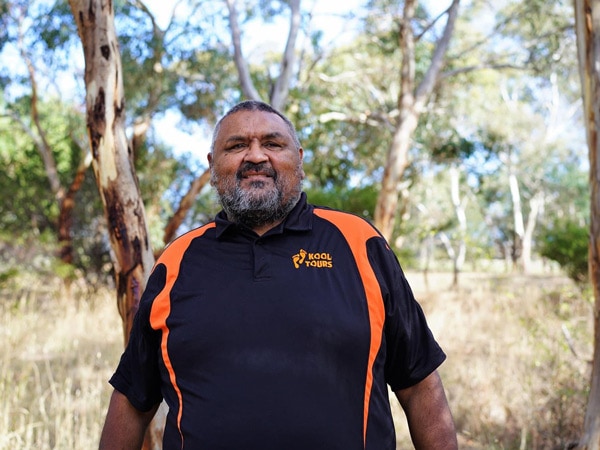
a photo of Mark Koolmatrie
Mark Koolmatrie to host Wuldi at the Gemtree Eco Trail. (Image: South Australian Tourism Commission)

2. Go with the flow in Shoalhaven

Travelling with: Carla Grossetti

It takes just a few hours from Sydney to arrive in Berry, where I find a group of women aged between 20 and 60 arranged artistically on lounges waiting for the fun to begin. Excited chatter ricochets all around the space after Stand Tall Retreats’ founder Amy Manton outlines the three-day itinerary she has curated.
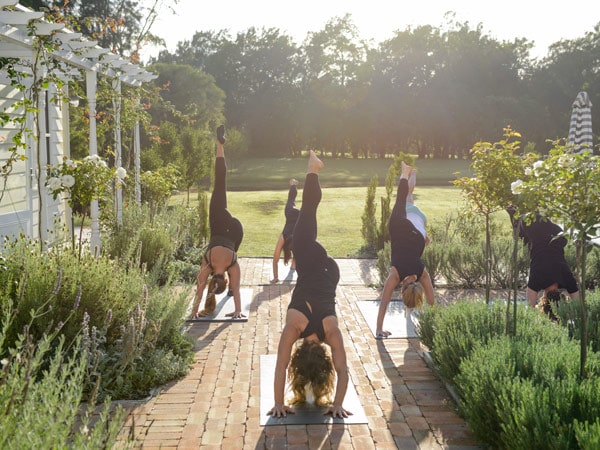
a group of women taking a yoga class
A yoga class is the perfect addition to your time at Stand Tall Retreat. (Image: Katie Rivers)

There’s a horse named Bill with my name on it. A surf lesson. My first reformer Pilates class. Some scheduled relaxation around the infinity pool looking out over green fields and brown cows. There’s hula hooping, a nutrition workshop and a relaxing reiki experience.

A vast sky full of stars also beckons each night after wholefood feasts shared around the communal table at Sinclairs of Berry . The Global Wellness Institute recently named Australia as the No. 1 wellness destination in the world. And Shoalhaven is shaping up as an emerging destination in that space.
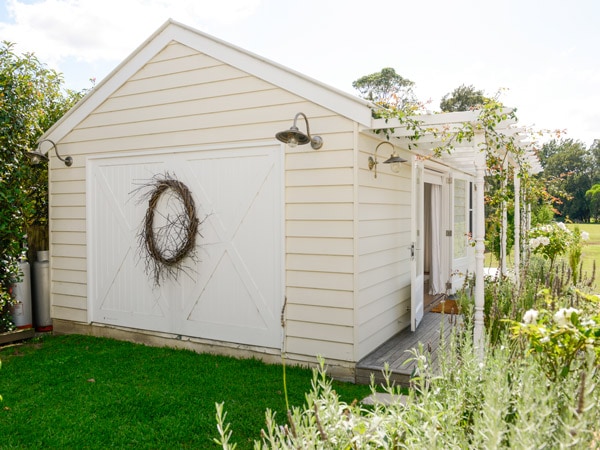
a quaint abode at Stand Tall Retreats at SIinclair of Berry
Get cosy in this quaint abode. (Image: Katie Rivers)

This is thanks in part to its proximity smack bang between Sydney and Canberra and a roster of retreats designed to support meaningful connections between places and people. Being given those moments to sit and just be against a backdrop of beautiful beaches, unspoilt coastal villages and sun-lit escarpments provides us all with new ways of looking at the world and working out our place in it.

Sinclairs of Berry is one of several new retreats that revolve around wellness in the Shoalhaven. Tailor your retreat to suit by requesting everything from a weekend of Wim Hof-inspired ice baths to an Indigenous-led cultural experience, art therapy or a nature-focused retreat.
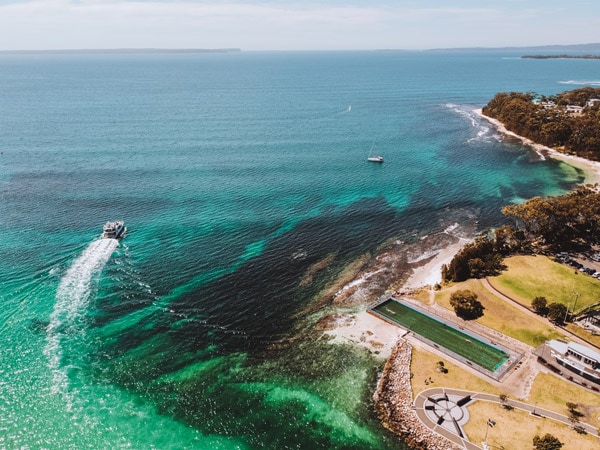
an aerial view of the beach
Soak up tropical vibes. (Image: Destination NSW)

3. A different school of thought on the Coffs Coast

Travelling with: Lara Picone

Gumbaynggirr Country as seen through the lens of Indigenous culture is a significant part of the Coffs Coast journey as NSW’s first ECO Destination. The region recently placed third at the prestigious 2023 Global Green Destinations Story Awards in the Culture and Tradition category thanks to the work being done by the trailblazing Bularri Muurlay Nyanggan Aboriginal Corporation. Indigenous Australians are the ultimate pioneers in conservation.
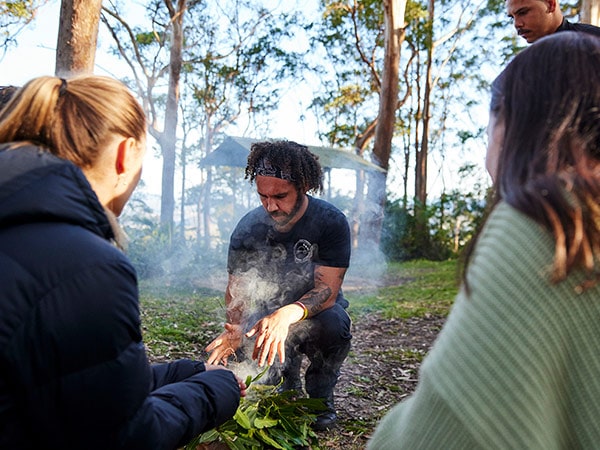
Giingan Gumbaynggirr Cultural Experience
A wealth of Indigenous cultural experiences are on offer in Coffs. (Image: Destination NSW)


The Giingan Gumbaynggirr Cultural Experience is a celebration of Gumbaynggirr culture, people and language. It’s also a great example of ecologically sustainable tourism, as support of BMNAC helped fund the first bilingual language school in NSW.
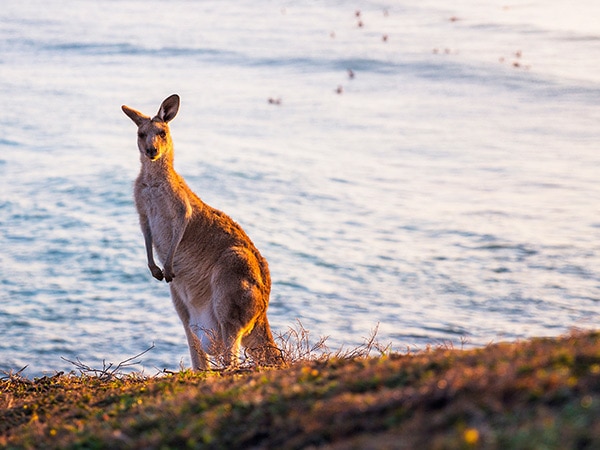
Look At Me Now headland, Emerald Beach
Experience Coffs Coast nature in NSW’s first eco-destination. (Image: Destination NSW)

4. Regenerative adventures on the Gold Coast

Travelling with: Taylah Darnell

If you’re looking for adventure, ditch the theme parks for a Gold Coast dive trail, which showcases 11 dive sites that remain hidden in plain sight. Check out Kirra Reef, protected on three sides by land for macro marine life or Southport’s Seaway, which has three unique spots flaunting everything from seahorses to sharks.
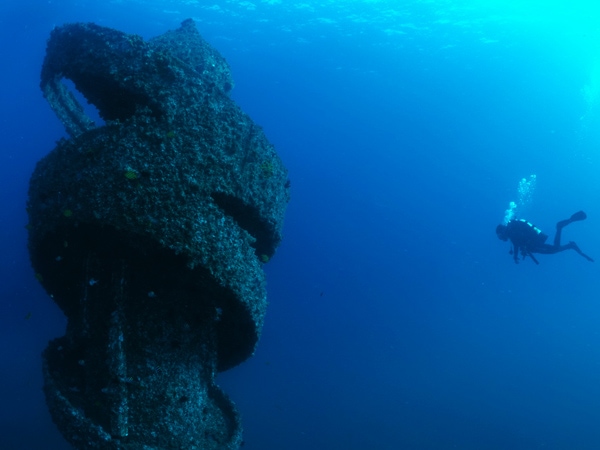
diving the wonder reef
Dive underneath the Wonder Reef. (Image: Set in Stone Media)

The golden child of dive spots, however, is Wonder Reef off the coast of Main Beach, which was opened in June 2022. The $5 million site features nine enormous regenerative structures anchored to the ocean floor that sway in the current like kelp. Known as the world’s first buoyant reef, the site has eight, 18 and 30-metre descents for divers of all abilities.
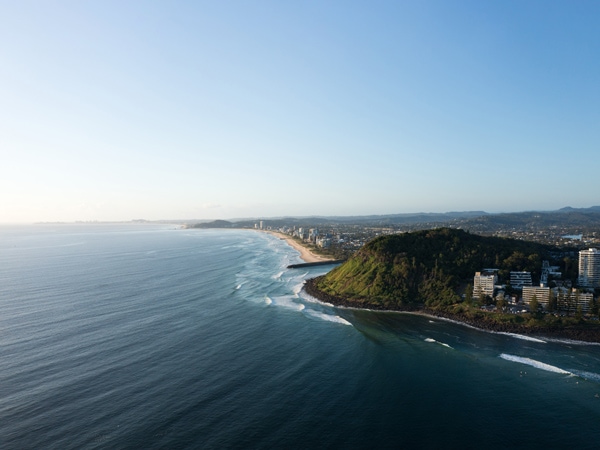
Burleigh Heads in the Gold Coast
Ditch the theme parks for a Gold Coast dive trail. (Image: Tourism and Events Queensland)

5. Bundaberg is an ECO Destination on the rise

Travelling with: Elizabeth Whitehead

Bundaberg is best known as Australia’s rum capital. Surrounded by swathes of sugarcane, there’s plenty of things about Bundy, as it’s known among locals, that are totally sweet. For one, as of January this year, the Queensland region has been certified as an ECO Destination, meaning it offers up quality nature tourism experiences with a commitment to sustainability.
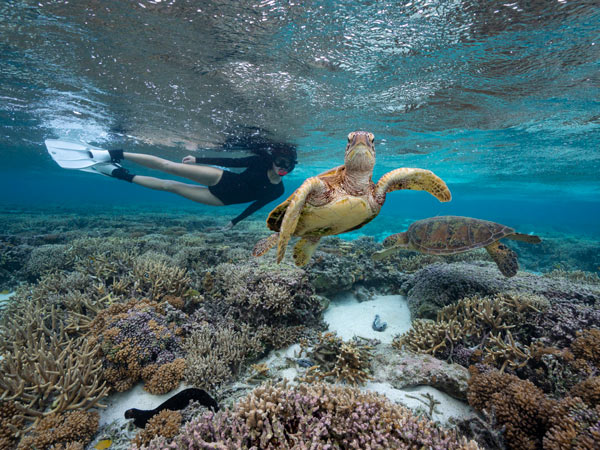
swimming with sea turtle at Mon Repos
See sea turtles up close. (Image: Tourism and Events Queensland)

Just a 15-minute drive from town, Mon Repos Turtle Centre supports the largest concentration of nesting marine turtles on the eastern Australian mainland. And from next year, visitors will be able to stay at the Mon Repos Turtle Sands Nature Retreat, a new ecotourism experience that will immerse guests in the world of turtle conservation.
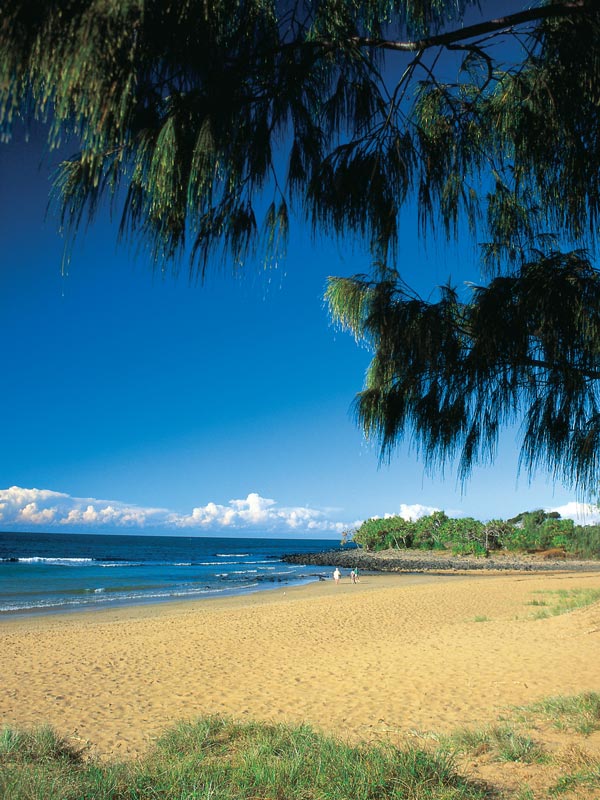
beach at Mon Repos
Stay close to the beach. (Image: Tourism and Events Queensland)

6. A new way of being in Margaret River

Travelling with: Fleur Bainger

The working lives of bees have inspired the design and function of six, boxy eco pods by the coast in WA’s Margaret River. Positioned only one kilometre from the salty spray of Smiths Beach, Barn Hives is the vision of Lithuanian beekeeper Egis Rusilas and his wife, Raminta – yet there’s nothing twee or Pooh Bear about them. Black and sleek, each one is raised up on stilts, just as commercial beehives are (to hinder critters).
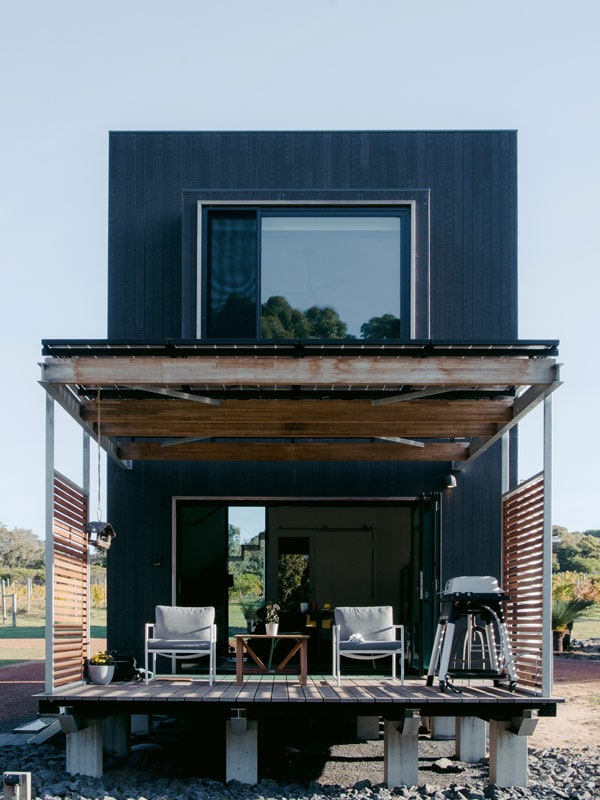
a barn hive accommodation in Margaret River
Bask in tranquillity at this barn hive. (Image: Bianca Kate Photography)

The front deck overlooks vines, mimicking a bee’s preference for a clear flight path and a platform for landing. The minimalist luxe interiors are split into two levels, the top reserved for honey-making (it is the bedroom, after all) while the lower floor is the living area: this division is just the way hive bees have it.
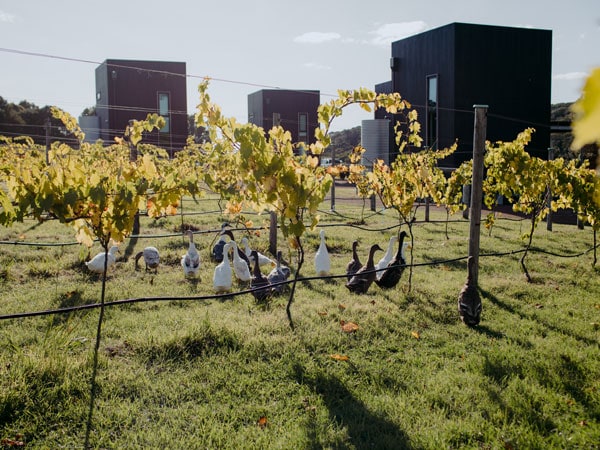
a gaggle of geese
Stumble upon a gaggle of geese. (Image: Bianca Kate Photography)

In addition, each pod leverages natural elements, with native jarrah wood cladding, solar power, rainwater and cooling, cross-ventilation airflow. Impressively, not a skerrick of plastic was used during the 2020 construction. Rusilas’ actual bees supply the pods with a jar of unprocessed, raw honey – also found in the property’s restaurant kitchen, Barnyard 1978.
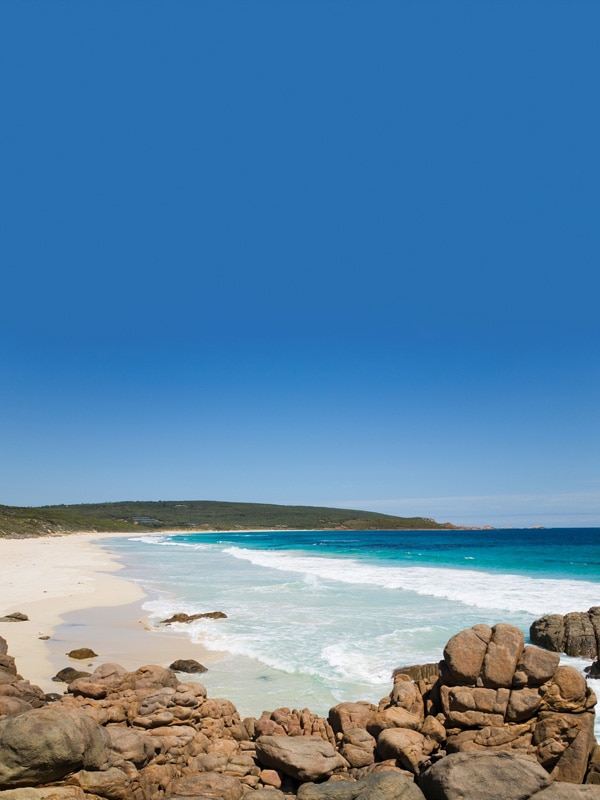
view of Smiths Beach on a sunny day
Cool off at Smiths Beach.

7. Walk into wellness with Positive Energy Adventures and Retreats

Travelling with: Taylah Darnell

Journey 34 kilometres from Settlement Point in Port Macquarie to Crescent Head on Birpai and Dunghutti Country with Positive Energy Adventures and Retreats to clear your thoughts and move your body. Experience the benefits of hiking without added stress; replace a rucksack and swag with yoga, Pilates or meditation, hot breakfasts, glamping tents and sunset drinks.
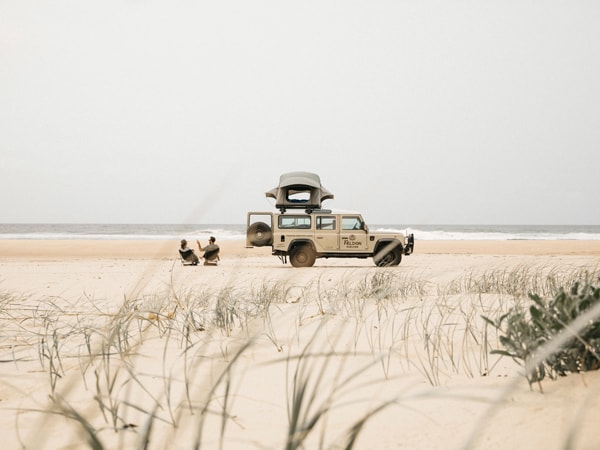
a 4WD journeying along the coastal path
Embark on a three-day coastal adventure. (Image: Alexandra Adoncello)

Like-minded locals Peta Alexopoulos and Belinda Johnson noticed a gap between wellbeing retreats and sustainability and launched their hikes in March to remedy this. The pair invite guests to connect with themselves as well as the land. You’ll wrap up this three-day adventure feeling healthier in mind, body and spirit knowing you haven’t left a heavy footprint, except for just a few in the sand.
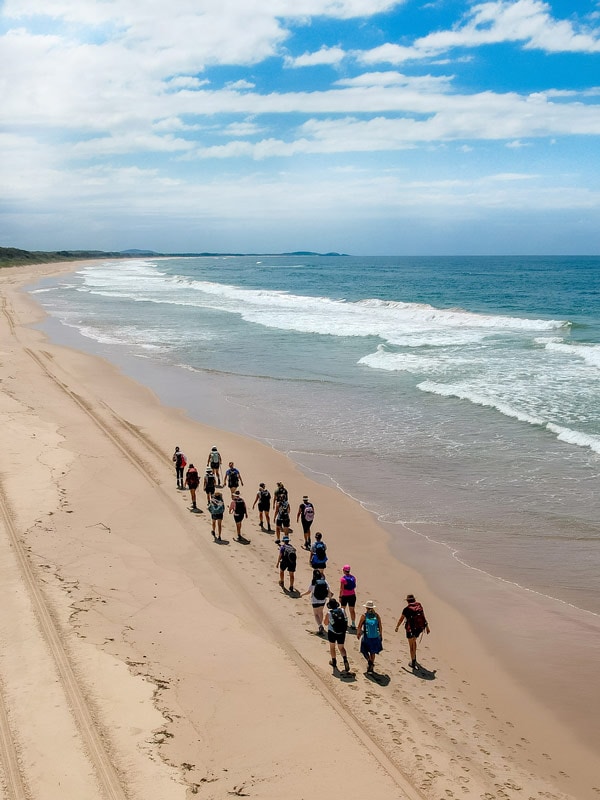
a group of people walking along the coastal path with Positive Energy Adventures and Retreats
Walk from Settlement Point in Port Macquarie to Crescent Head on Birpai and Dunghutti Country with Positive Energy Adventures and Retreats. (Image: Lindsay Moller Productions)

8. Spotlight on inclusive travel

Travelling with: Elizabeth Whitehead

An estimated 1.3 billion people around the globe living with a disability, accessible tourism is a fast-growing area. Sydney was recently ranked by the Valuable 500 – a business collective striving for disability inclusion – as one of the top 10 most accessible cities in the world. While features such as public transport, wheelchair accessibility at attractions and the 2100-plus Braille street signs across the city were highly rated, there’s still plenty of room for improvement – in Sydney and beyond.
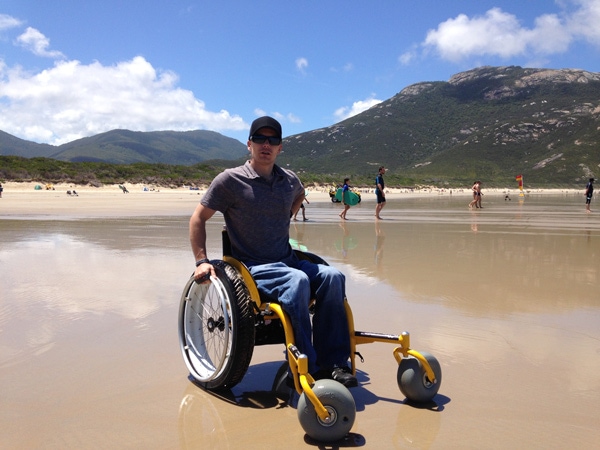
a person on a beach wheelchair
Sustainable travel must also cater to differently-abled people. (Image: Parks Victoria)

Luckily, technology is changing the face of travel by providing tools that allow people with disabilities to better navigate the world. One example is Vacayit, an app that uses compelling, high-quality audio stories to help blind and low-vision visitors connect to place with more than 120 guides around Australia. The app is compatible with assistive technology such as screen readers, transcripts and voice search to be more accommodating to users.

The tourism industry is also becoming more mindful of the diverse needs of visitors. The result is a more inclusive range of offerings, such as the beach wheelchairs available in Victoria’s coastal national parks, and thoughtful touches such as free sensory backpacks at WA Museum Boola Bardip in Perth to help accommodate children prone to overstimulation. Ultimately, inclusive travel recognises that we are all unique and that the joys of travel should be accessible to all.
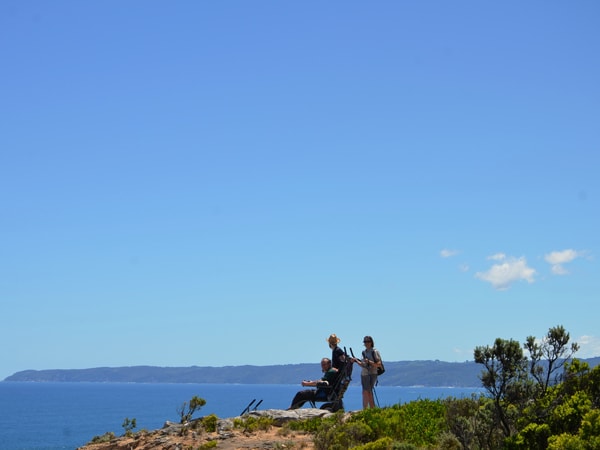
a person on a wheelchair overlooking the vast seascape
See the beauty of the world from a different perspective. (Image: Parks Victoria)

9. Fraser Coast is recognised as a Marine Mecca

Travelling with: Carla Grossetti

Queensland’s Fraser Coast is being billed as a Marine Mecca in a bid to highlight the wide range of magical experiences to be had around its pristine and protected waterways. The Fraser Coast has in recent years evolved into a prime spot for whale watching.
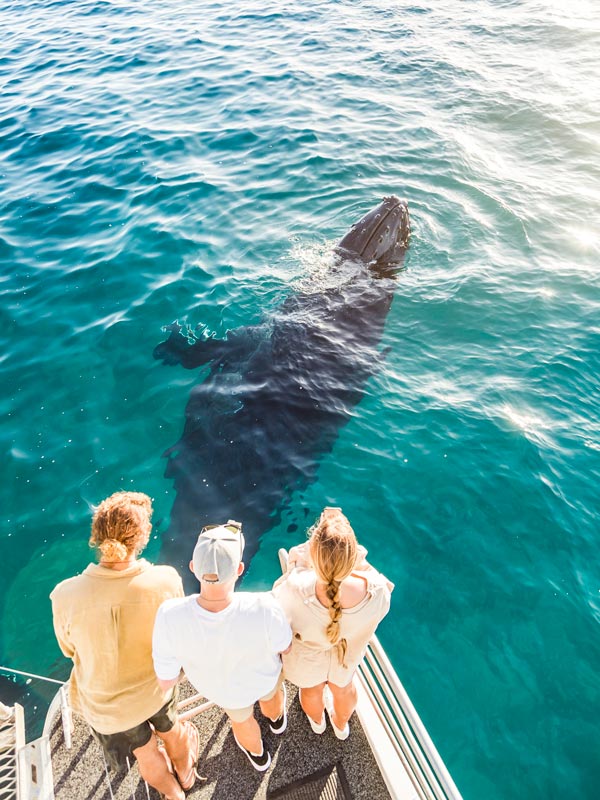
three people whale watching at Hervey Bay
Go whale watching at Hervey Bay. (Image: Tourism and Events Queensland)

But the potential of this ancient meeting place puts everything from wreck and reef diving to bareboat sailing charters, fishing adventures, jet-ski tours, K’gari Adventures’ eco excursions and Indigenous cultural adventures in the limelight. The temperate subtropical climate also establishes this section of Australia’s East Coast as a year-round holiday destination.
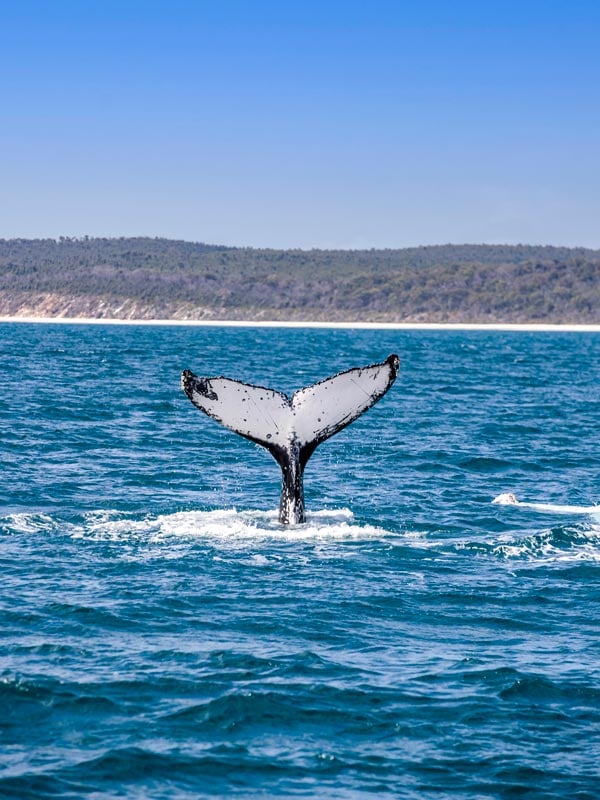
tail of a whale gracefully moving
Witness whales dance gracefully. (Image: Tourism and Events Queensland)
Keep reading our 100 Emerging Destinations and Experiences series for more.

This scenic Victorian region is the perfect antidote to city life

Video credit: Visit Victoria/Tourism Australia

The Grampians just might be the ultimate antidote for the metropolis, writes one returning Aussie ready to disconnect from the modern world and reconnect to the Great outdoors.

There are no kangaroos back in Chicago: they’re all here in the Grampians/Gariwerd . In the heart of the Grampians National Park’s main gateway town, Halls Gap, pods of eastern greys are eating grass beside my parked rental car beneath the stars. Next morning, when I see the backyard of my rented villa on the edge of town for the first time, there are kangaroos feeding beside a slow-moving creek, lined with river red gums.

Five hundred metres up the road, 50 or so of them are eating by the side of the road in a paddock. I pull over to watch and spot three emus. Yellow-tailed black cockatoos fly overhead towards the tall green mountains just beyond town.

‘Kee-ow, keee-oww’… their calls fuse with the maniacal cackle of a kookaburra (or 10). Gawd, how I’ve missed the sound of them. Far above, a wedge-tailed eagle watches, and there you go: the ‘great birds of Australia’ trifecta, all half a kay from the town limits.

Exchanging city chaos for country calm

kangaroos near Halls Gap, Grampians National Park
The park is renowned for its significant diversity of native fauna species. (Image: Visit Victoria/Robert Blackburn)

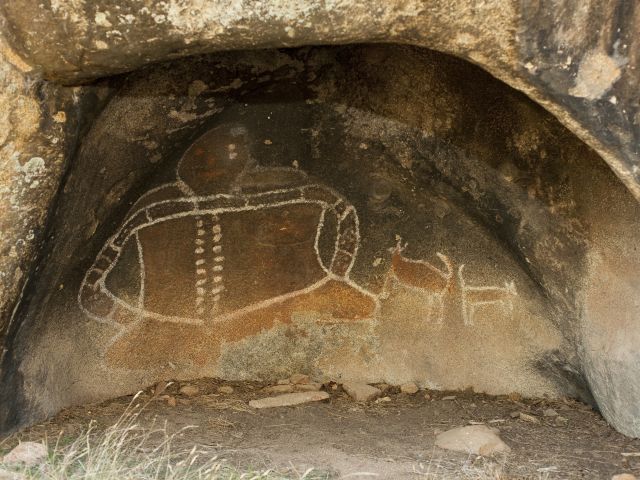
I’ve come to the Grampians to disconnect, but the bush offers a connection of its own. This isn’t just any bush, mind you. The Grampians National Park is iconic for many reasons, mostly for its striking sandstone mountains – five ridges run north to south, with abrupt, orange slopes which tumble right into Halls Gap – and for the fact there’s 20,000 years of traditional rock art. Across these mountains there are more than 200 recorded sites to see, created by the Djab Wurrung, Jardwadjali and Gunditjmara peoples. It’s just like our outback… but three hours from Melbourne.

I’ve come here for a chance at renewal after the chaos of my life in America’s third-largest city, Chicago, where I live for now, at the whim of a relative’s cancer journey. Flying into Melbourne’s airport, it only takes an hour’s drive to feel far away from any concept of suburbia. When I arrive in Halls Gap two hours later, the restaurant I’m eating at clears out entirely by 7:45pm; Chicago already feels a lifetime ago.

The trails and treasures of the Grampians

sunrise at Grampians National Park /Gariwerd
Grampians National Park /Gariwerd covers almost 2000 square kilometres. (Image: Ben Savage)

Though the national park covers almost 2000 square kilometres, its best-known landmarks are remarkably easy to access. From my carpark here, among the cockatoos and kangaroos on the fringe of Halls Gap, it only takes 60 seconds’ driving time before I’m winding my way up a steep road through rainforest, deep into the mountains.

Then it’s five minutes more to a carpark that serves as a trailhead for a hike to one of the park’s best vantage points, The Pinnacles . I walk for an hour or so, reacquainting myself with the smells and the sounds of the Aussie bush, before I reach it: a sheer cliff’s edge lookout 500 metres up above Halls Gap.

walking through a cave, Hollow Mountain
Overlooking the vast Grampians landscape from Hollow Mountain. (Image: Robert Blackburn)

There are hikes and there are lookouts and waterfalls all across this part of the park near town. Some are a short stroll from a carpark; others involve long, arduous hikes through forest. The longest is the Grampians Peaks Trail , Victoria’s newest and longest iconic walk, which runs 160 kilometres – the entire length of Grampians National Park.

Local activities operator Absolute Outdoors shows me glimpses of the trail. The company’s owner, Adrian Manikas, says it’s the best walk he’s done in Australia. He says he’s worked in national parks across the world, but this was the one he wanted to bring his children up in.

“There’s something about the Grampians,” he says, as he leads me up a path to where there’s wooden platforms for tents, beside a hut looking straight out across western Victoria from a kilometre up in the sky (these are part of the guided hiking options for the trail). “There are things out here that you won’t see anywhere else in Australia.” Last summer, 80 per cent of the park was damaged by bushfire, but Manikas shows me its regrowth, and tells me of the manic effort put in by volunteers from town – with firefighters from all over Australia – to help save Halls Gap.

wildflowers in Grampians National Park
Spot wildflowers. (Image: Visit Victoria)

We drive back down to Halls Gap at dusk to abseil down a mountain under the stars, a few minutes’ walk off the main road into town. We have headlamps, but a full moon is enough to light my way down. It takes blind faith to walk backwards down a mountain into a black void, though the upside is I can’t see the extent of my descent.

Grampians National Park at sunset
Grampians National Park at sunset. (Image: Wine Australian)

The stargazing is ruined by the moon, of course, but you should see how its glow lights up the orange of the sandstone, like in a theme park. When I’m done, I stand on a rocky plateau drinking hot chocolate and listening to the Aussie animals who prefer nighttime. I can see the streets of Halls Gap off in the distance on this Friday night. The restaurants may stay open until 8pm tonight.

What else is on offer in The Grampians?

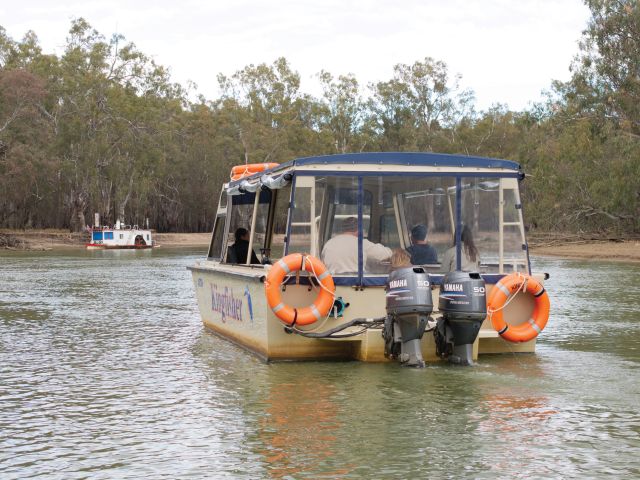
a boat travelling along the Wimmera River inDimboola
Travelling along the Wimmera River in Dimboola. (Image: Chris McConville)

You’ll find all sorts of adventures out here – from rock climbing to canoeing to hiking – but there’s more to the Grampians than a couple of thousand square kilometres of trees and mountains. Halls Gap may be known to most people, but what of Pomonal, and Dimboola, and Horsham? Here in the shadow of those big sandstone mountains there are towns and communities most of us don’t know to visit.

And who knew that the Grampians is home to Victoria’s most underrated wine region ? My disconnection this morning comes not in a forest, but in the tasting rooms and winery restaurants of the district. Like Pomonal Estate, barely 10 minutes’ drive east of Halls Gap, where UK-born chef Dean Sibthorp prepares a locally caught barramundi with lentil, pumpkin and finger lime in a restaurant beside the vines at the base of the Grampians. Husband-and-wife team Pep and Adam Atchison tell me stories as they pour their prize wines (shiraz is the hero in these parts).

dining at Pomonal Estate
Dine in a restaurant beside vines at Pomonal Estate. (Image: Tourism Australia)

Three minutes’ drive back down the road, long-time mates Hadyn Black and Darcy Naunton run an eclectic cellar door out of a corrugated iron shed, near downtown Pomonal. The Christmas before last, half the houses in Pomonal burnt down in a bushfire, but these locals are a resilient lot.

The fires also didn’t stop the construction of the first art centre in Australia dedicated to environmental art in a nature-based precinct a little further down the road (that’s Wama – the National Centre for Environmental Arts), which opened in July. And some of the world’s oldest and rarest grape vines have survived 160 years at Best’s Wines, outside the heritage town of Great Western. There’s plantings here from the year 1868, and there’s wines stored in century-old barrels within 150-year-old tunnels beneath the tasting room. On the other side of town, Seppelt Wines’ roots go back to 1865. They’re both only a 30-minute drive from Halls Gap.

Salingers of Great Western
Great Western is a charming heritage town. (Image: Griffin Simm)

There’s more to explore yet; I drive through tiny historic towns that barely make the map. Still part of the Grampians, they’re as pretty as the mountains behind them: full of late 19th-century/early 20th-century post offices, government offices and bank buildings, converted now to all manner of bric-a-brac stores and cafes.

The Imaginarium is one, in quirky Dimboola, where I sleep in the manager’s residence of an old National Australia Bank after a gourmet dinner at the local golf club, run by noted chef and teacher, Cat Clarke – a pioneer of modern Indigenous Australian cooking. Just south, I spend an entire afternoon at a winery, Norton Estate Wines, set on rolling calico-coloured hills that make me think of Tuscany, chit-chatting with owners Chris and Sam Spence.

Being here takes me back two decades, when I lived here for a time. It had all seemed as foreign as if I’d driven to another planet back then (from Sydney/Warrane), but there seemed something inherently and immediately good about this place, like I’d lived here before.

And it’s the Australian small-town familiarity of the Grampians that offers me connection back to my own country. Even in the better-known Halls Gap, Liz from Kerrie’s Creations knows I like my lattes with soy milk and one sugar. And while I never do get the name of the lady at the local Ampol station, I sure know a lot about her life.

Kookaburras on a tree
Kookaburras are one of some 230 bird species. (Image: Darren Donlen)

You can be a local here in a day; how good is that? In Chicago, I don’t even know who my neighbour is. Though each day at dusk – when the kangaroos gather outside my villa, and the kookaburras and the black cockatoos shout out loud before settling in to sleep – I prefer the quieter connection I get out there in the bush, beneath these orange mountains.

A traveller’s checklist

Staying there

Sleep beside the wildlife on the edge of Halls Gap at Serenity .

Playing there

abseiling down Hollow Mountain
Hollow Mountain is a popular abseiling site.

Go abseiling under the stars or join a guided hike with Absolute Outdoors . Visit Wama , Australia’s first environmental art centre. Check out Dimboola’s eccentric Imaginarium .

Eating there

steak, naan bread and beer at Paper Scissors Rock in Halls Gap
Paper Scissors Rock in Halls Gap serves a great steak on naan bread.

Eat world-class cuisine at Pomonal Estate . Dine and stay at much-revered icon Royal Mail Hotel in Dunkeld. The ‘steak on naan’ at Halls Gap brewhouse Paper Scissors Rock , can’t be beat.

Dunkeld Arboretum in Grampians National Park
The serene Dunkeld Arboretum.

For Halls Gap’s best breakfasts head to Livefast Cafe . Sip local wines at Great Western’s historic wineries, Best’s Wines , Seppelt Wines and Norton Estate Wines .

two glasses of beer at Paper Scissors Rock in Halls Gap
Sink a cold one at Paper Scissors Rock.