The biggest mistakes to avoid on an outback road trip

hero media
Steve Madgwick has made the outback road trip blunders so you don’t have to…

It’s lucky no one can hear you swear halfway along the Oodnadatta Track. I gingerly shimmy under the stricken Nissan Patrol for my third attempt to jack it up on the soft track. The passenger-side rear tyre has a gaping hole in it, thanks to a sharp rock that must have been lurking under the red dirt.

This was my first ‘real’ middle-of-nowhere outback road trip, last decade. The 4WD had threatened to fall on me twice as I tried to raise it. I hadn’t seen another vehicle in hours. And I knew that even if I did manage to change the wheel before wedge-tailed eagles snacked on my entrails, I would be sans spare tyre for the next few hundred kilometres.
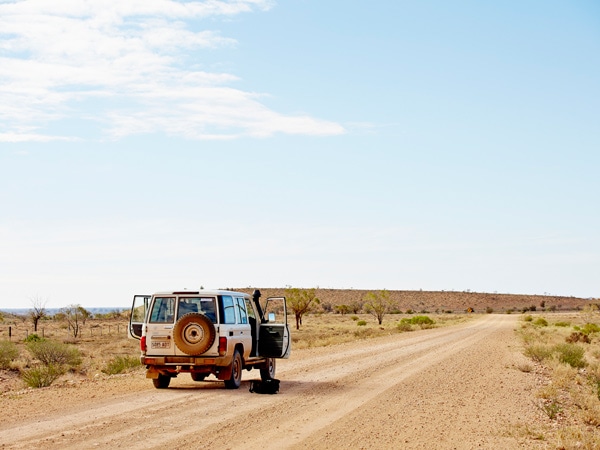
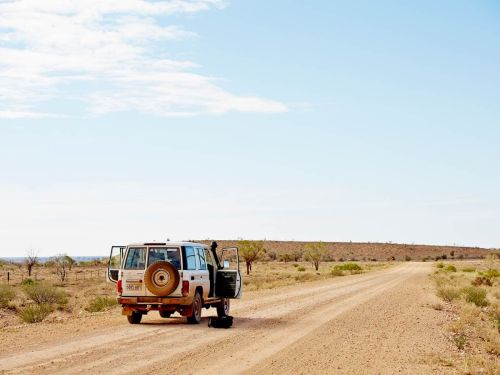
a 4WD driving on the road
Be prepared before you set off with ample provisions and knowledge. (Image: Maxime Coquard)

It’s obvious now that my hour-long obscenity-fest was driven by fear and should have been directed at my own ineptitude, complacency and ill-preparedness instead of inanimate objects. But lessons were learned.

Don’t learn the hard way if you don’t have to

My Oodnadatta Track shemozzle boils down to two factors. Number one: I ignored advice from locals and people who had gone before me. Number two: I began my journey with niggling, unanswered questions.
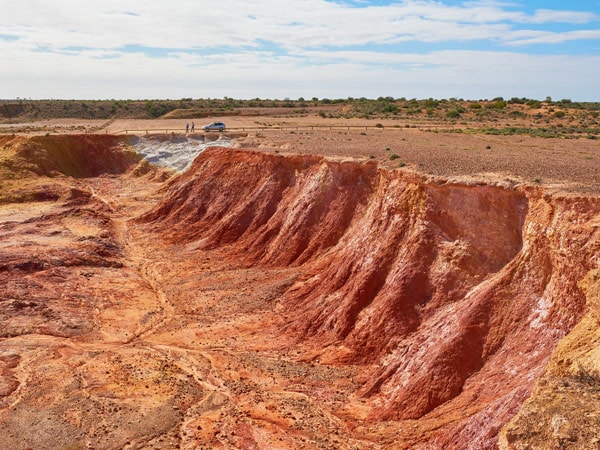
an overhead shot of the Ochre Cliffs, Oodnadatta Track
See the Ochre Cliffs of the Oodnadatta Track. (Image: South Australian Tourism Commission)

If I’d deflated my tyres appropriately for that section of track – as advised by a servo attendant and bush-hotel publican the day before – they would have been much more likely to ‘spread’ than shred.

The 4WD rental company had offered to give me a thorough once-over of the vehicle and its features, but I’d man-bluffed my way through: “I’ll work it out if I need to." (It took me 10 minutes just to find and extract the jack from under a seat.)
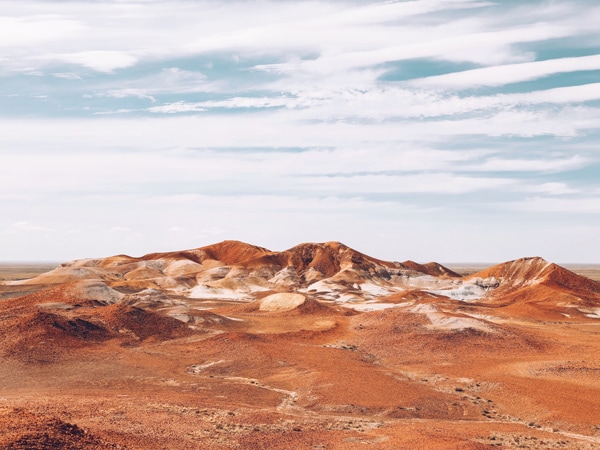
an aerial view of the rugged landscape in outback South Australia
Condition your vehicle before navigating the rough terrain. (Image: South Australian Tourism Commission)

I’d also left Adelaide still wondering to myself if I would need a second spare tyre and tyre pressure gauge. Fail. Fail. Fail. Recently, I applied lessons learned from the Oodnadatta Track and other outback near-misses to my most challenging road trip yet: a 2000-kilometre drive from Adelaide to Birdsville, via the Strzelecki Track and smaller, remote roads.

Coincidentally, I picked up my rental Toyota HiLux from the same place in Adelaide, but this time I owned my ignorance and popped all niggling thought bubbles. Naturally, I’d pre-ordered a second spare wheel and tyre gauge. I’d also rented a satellite phone because I’d had pre-trip daymares about the consequences of taking a simple but life-changing wrong turn and/or rolling the 4WD 500 kilometres from assistance.
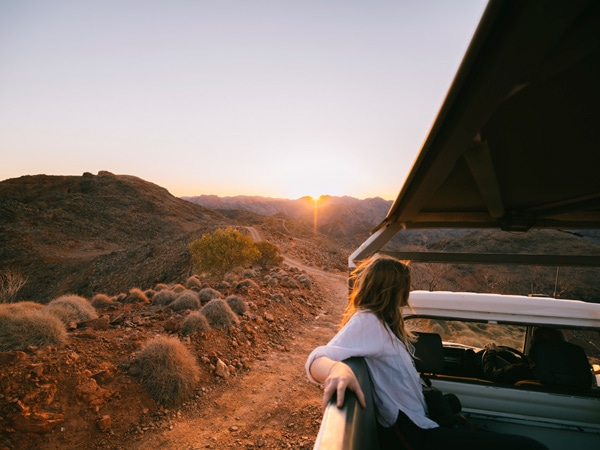
a girl in the car driving along the outback South Australia
Driving the rugged roads of the South Australian outback. (Image: Tourism Australia)

Stock up on old-school maps and a compass

I now treat outback journeys as analog rather than digital experiences. You simply cannot trust the internet to save your frying bacon out in the boondocks, especially if Telstra is not your service provider. Any country boy or girl worth their salt won’t trust Google Maps once the tarmac ends (even pre-downloading the maps).
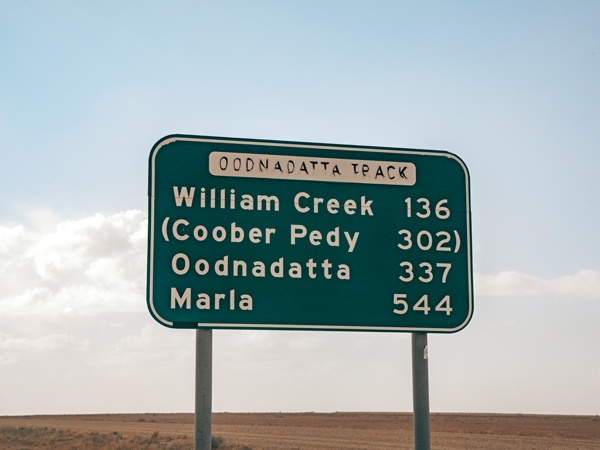
a photo of Oodnadatta Track road sign
It’s a long drive between stops on the Oodnadatta Track. (Image: South Australian Tourism Commission)

Consider buying/hiring a dedicated GPS navigator (Navman, Garmin or Hema, for example) or even stocking up on old-school maps and a compass (and learn how to use them). Deferring to local knowledge extends to chinwagging with oncoming drivers – because they have been where you want to go.
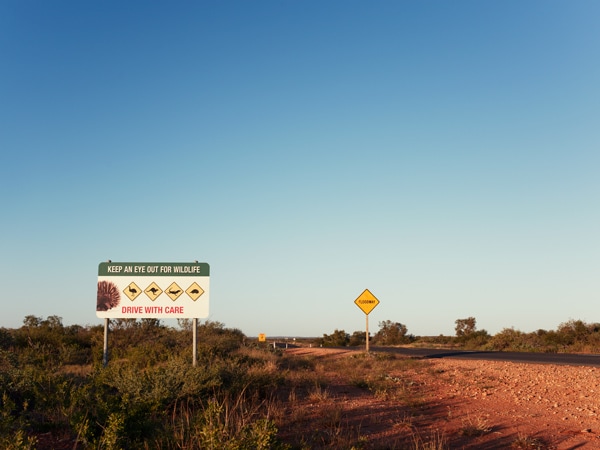
desert road signs in outback South Australia
Prepare for a desert road-trippin’. (Image: Jonathan Cami)

Do your research

On side tracks especially, I stopped and swapped anecdotes on upcoming track conditions, badly signed turn-offs and opening hours of fuel stops (which I’d already researched). I chatted about tyre pressure like pensioners converse about the weather. There are various schools of thought regarding when you should/shouldn’t deflate tyres to reduce the chance of a flat and increase your purchase in sand.

Suffice to say, this should be a well-researched decision that can be re-confirmed with your local peers, just as you drive headlong towards that gnarly sandy section or crawl across that naturally booby-trapped dry creek bed. Ultimately, the best advice I can offer is to read much, much more than just this when planning a jaunt along the Birdsville Track, Gibb River Road et al.

Embrace being a beginner; trawl 4WD blogs and gear review sites; dive deeply into YouTube wormholes on soft-sand driving techniques, tyre-pressure tutorials and low-range gear masterclasses. Never, ever be left wondering, “What does this button do?" You can’t bluff your way out of strife in the outback. But with some solid prep work, any foul-mouthed fool can do it. I am living proof of that.
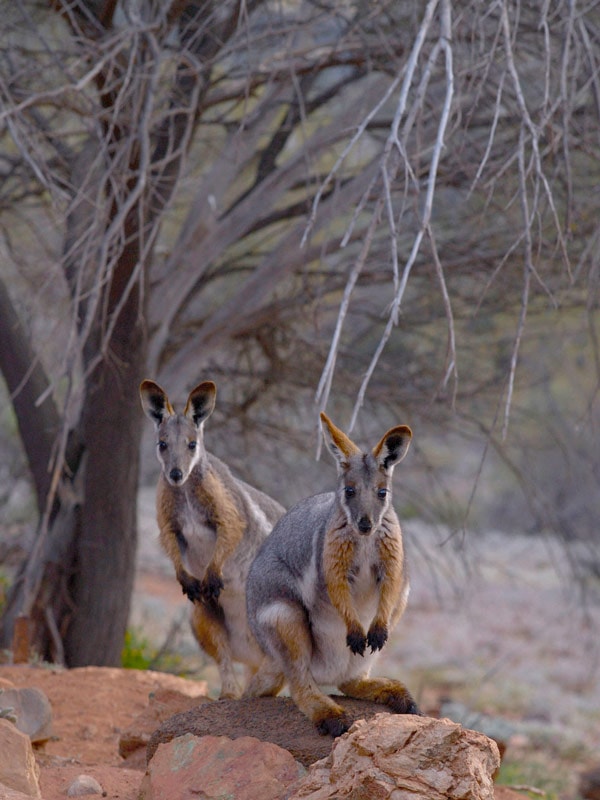
two rock wallabies sitting side by side
The distinctive rock wallabies reside in the outback. (Image: Jonathan Cami)

Last-minute tips and reminders

  • Carry plenty of drinking water (three litres per person per day, as a guide).
  • Buy in bulk beforehand.
  • Check current and recent weather conditions. As a rule, don’t plan outback trips in peak summer or after heavy rain.
  • Never cross a flooding river.
  • Tell someone where you are going and when you’re due to arrive. Update them about sudden itinerary changes.
  • Take your sweet time and drive to the conditions. The outback can quickly turn small mistakes into serious ones.
  • Give road trains a very wide berth, at least for your windscreen’s sake.
  • Pack a ‘what-if ’ kit for longer trips: basic spares, jerry can, first-aid kit etc.
hero media

8 Northern Territory secrets the locals don’t want you to know

Summer transforms the Northern Territory into a lush paradise of colour and life, as a visit during the ‘low-season’ reveals secrets the locals willingly share.

Waterlilies bloom, floodplains are alive with birdlife, waterfalls are gushing, and everywhere the green is dazzling. Summer in the Top End and the Red Centre is a kaleidoscope of unexpected wonders that delight and surprise visitors. Of course, the locals know only too well that the Northern Territory low season is often the best time to see and experience this amazing part of Australia.

Here are some of the reasons why savvy travellers – avoiding the crowds – are discovering a new dimension to the Territory. Remember that you’ll need a Parks Pass to visit national parks.

1. Take a dip in the Florence Falls waterhole

Wander through savanna woodland and monsoon forest to discover the perfect place to cool off – the waterhole at the base of spectacular Florence Falls in the magnificent Litchfield National Park , just 90 minutes’ drive from Darwin. The falls flow year-round but are most spectacular during the summer. Camping is available nearby but bookings are essential and must be made online before you visit.

Surrounded by lush forest, a woman cools off in Florence Falls, just one of many incredible things to do in the Northern Territory.
Cool off beneath the cascading waters of Florence Falls. (Image: Joshua Griffin)

2. Wind down at Buley Rock Hole

Another popular local swimming spot in Litchfield National Park is Buley Rock Hole , open year-round. This is a great place to wind down after exploring everything the park has to offer, including towering termite mounds. Wade through the rock pools, soak up the scenic bush or just lie back and relax as the cool water rolls over you.

Buley Rockhole, Litchfield National Park
Let the cool water wash over you. (Image: Tourism Australia)

3. Tour the Tiwi Islands

The Tiwi Islands , a scenic 80km flight from Darwin across the narrow Clarence and Dundas Straits, reveal a different side to the Territory, with their own distinctive culture. Take a day tour with Tiwi by Design to visit Bathurst Island and learn about creation stories, the Mission days, World War II history and the islanders’ obsession with AFL!

Take a ‘behind-the-scenes’ tour of Tiwi Design’s screen-printing workshop and pick up a great souvenir in the form of art. Choose from contemporary or traditional Tiwi designs and a wide range of work including carvings, paintings, pottery, printmaking, bark paintings and tunga (bark baskets).

A creative moment shared inside Tiwi Design’s screen-printing space.
Take a peek inside Tiwi Design’s screen-printing studio. (Image: Tourism NT)

4. Dine in Darwin

Foodies are spoilt for choice in multi-cultural Darwin. Try Sri Lankan flavours at Ella by Minoli, where Masterchef contestant Minoli De Silva creates delectable dishes, or head to Charlie’s of Darwin for gin-tasting, cocktails and more. Bowls of fragrant laksa, excellent coffee, fresh vegetables and authentic crafts are all part of a weekend visit to Darwin’s Parap Markets , Rapid Creek Markets and the Nightcliff Markets .

Prefer to catch your own dinner? Book a Top End fishing charter to bag a barramundi – and from October register for the annual Million Dollar Fish competition. Hooking one of the tagged barra released each year in waterways across the Territory could win you up to $1 million.

A bowl of Laksa.
Eat your way through multicultural Darwin. (Image: Tourism NT)

5. Up close with Uluṟu

The magnificent monolith Uluṟu is even more magical when the summer rains fall. When it rains on The Rock, the locals come out to watch – consider yourself lucky if that happens when you visit. Waterfalls cascading off the sides of Uluṟu is a sight that relatively few tourists see.

There’s so much to do at Uluṟu, from guided walks to learn the stories of the Aṉangu people and the ancient landscape they live in to scenic flights for a bird’s-eye view or a leisurely walk around the base of Uluṟu. Book ahead to spend the evening wandering through the Field of Light installation by Bruce Munro.

A closer look at Uluru and uncover its ancient stories, sacred sites, and striking natural beauty – one of the most iconic things to do in the Northern Territory.
Discover the details that make Uluṟu truly sacred. (Image: Tourism NT)

6. Drive the Red Centre Way

From Alice Springs, take an epic road trip along the Red Centre Way, taking in Uluru and Watarrka National Park, home to the magnificent Kings Canyon. Allow at least a week to drive through the red heart of Australia by 4WD, a little longer on the sealed road by 2WD vehicle, travelling through ochre deserts, palm-lined valleys and dramatic gorges. Stop off at waterholes for a refreshing dip along the way.

Kings Canyon offers hiking options for all levels of fitness, from the three-hour Rim Walk atop soaring sandstone walls to the gentler Kings Creek Walk. Either way, you’ll have breathtaking views.

SEIT Outback Australia is a small group touring specialist offering exciting, adventurous, exclusive and specialised iconic, pioneering and cultural touring in the Red Centre of Australia, giving you the time to learn, absorb and relax in the heart of Australia.<br /><br />This innovative tour company focuses on providing clients with the ultimate interpretive touring experiences with a range of products and customised touring itineraries for small groups and bespoke private charters.<br /><br />The company bases its philosophies from the key words of Spirit, Emotion, Intellect and Task (SEIT).
Drive through Australia’s heart. (Image: Outback Australia Tours)

7. Take a walk at Kata Tjuṯa

Head out early to tackle the Valley of the Winds Walk at Kata Tjuṯa . This natural wonder, also known as The Olgas, is a labyrinth of soaring ochre domes that glow golden at sunrise and sunset (the walk may be closed during the middle of the day as temperatures rise).

Walking trails range from easy to longer, more difficult tracks. At the Kata Tjuṯa dune viewing area, take in the panoramic view of the domes. The longest of the trails is the Valley of the Winds Walk, a 7.4km circuit that winds between the domes and through creek beds. It’s moderately difficult and steep in places, but offers stunning views – and occasional encounters with kangaroos.

The Valley of the Winds Walk at Kata Tjuta is one of the most awe-inspiring things to do in the Northern Territory, especially at sunrise when the domes glow golden.
Step into the golden light of Kata Tjuṯa. (Image: Tourism NT)

8. Explore Tjoritja/West MacDonnell Ranges

Tjoritja/West MacDonnell National Park lies 135km west of Alice Springs, with many fascinating natural features to beguile visitors. The ‘West Macs’ formations include chasms, gorges and waterholes – take your swimsuit for a dip at Ormiston Gorge waterhole, open year-round. The Ormiston Pound Walk is a three to four-hour circuit that leaves from the visitor centre and loops back along the gorge via the main waterhole. Other places of interest in the park include Simpsons Gap , Standley Chasm , Ellery Creek Big Hole and Glen Helen .

Soaking in the serenity of Ormiston Gorge, these two travellers enjoy one of the most scenic things to do in the Northern Territory.
Take the plunge at Ormiston Gorge waterhole. (Image: Joshua Griffin Litchfield)

Start planning the NT road trip of a lifetime at northernterritory.com