22 secret beaches to visit in Australia

hero media
Escape the crowds this summer at these 22 secret beaches in Australia.

You can’t get more fun than surf, sand and sun. With more than 25,000 kilometres of coastline on offer, there’s no shortage of places to enjoy Australia at its best. But some beaches are wilder than others, plenty are inaccessible, and at this time of year a fair few are too darn overpopulated.

Here’s our exclusive list of Australia’s best secret beaches by state – just don’t tell anyone, will you?

1. Garie Beach, NSW

Where is it?

It’s in a remote coastal valley in the Royal National Park, 40 kilometres south of Sydney. Best access is via the Princes Highway, south of Loftus, or via McKell Avenue at Waterfall.

the shores at Garie Beach, NSW
Garie Beach is a great spot for hiking. (Image: Nick Cubbin/DPE)

Why you’ll love it

Garie is supposedly an Aboriginal word for sleepy, and on most days, especially during the week, it lives up to its name. It’s a great spot for hiking and is terrific for a surf. Come winter, the whales are out to play up and down this part of the coast, making Garie a perfect place from which to spot them. Don’t forget the binoculars!
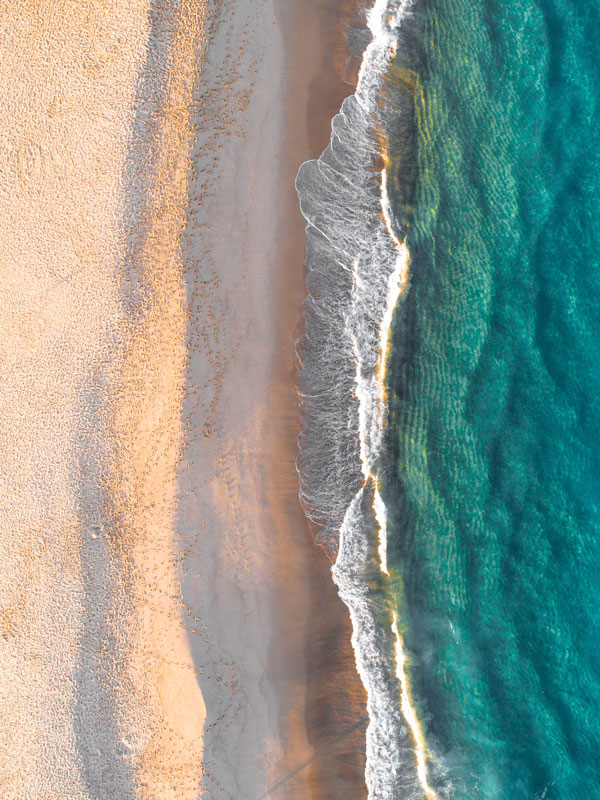
a drone shot of the shore at Garie Beach, NSW
Wriggle your toes in the salty sand at Garie Beach. (Image: Adam Krowtiz)

2. Maitland Bay, NSW

Where is it?

Secluded, calm and great for families, Maitland Bay Beach is in Bouddi National Park, 20 kilometres southeast of Gosford. It’s a 20-minute walk from the Maitland Bay information centre on Maitland Bay Drive, downhill through a eucalypt forest.
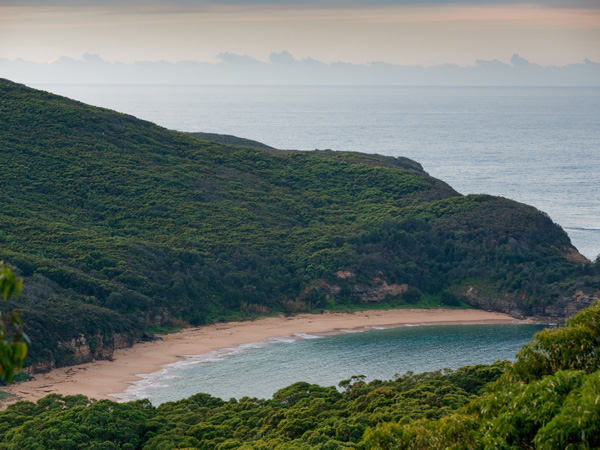
a secluded cove at Maitland Bay, NSW
Maitland Bay is nestled within a eucalypt forest. (Image: Nick Cubbin/DPE)

Chill out on the sand and enjoy a picnic – but conserve a bit of energy because it’s a steep slog on the way back up (If it took you 20 minutes on the way in, allow about 40 to get back out.)
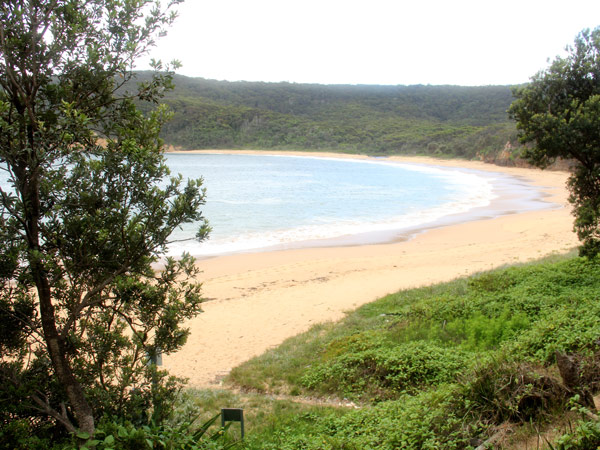
a scenic view of Maitland Bay, NSW
Lay your picnic blanket on the sand at Maitland Bay. (Image: John Yurasek/DPE)

Alternatively, if you’re feeling fit, you can head on to Putty Beach via Gerrin Point lookout and arrive back at your car along the Bulimah Spur Track. The circuit is six kilometres long and will take about two hours and 15 minutes to walk if you don’t stop to take in the beautiful scenery. The nearest campgrounds are also at Putty Beach.

a beautiful scenery at Maitland Bay, NSW
Nature meets serenity at Maitland Bay. (Image: Destination NSW)

Why you’ll love it

The bushwalking here is half the fun. Be sure to take pause at Maitland Bay beach, however, because it truly is a sensational spot. At low tide, you can see the wreck of the paddle steamer Maitland, which ran onto the rocks in 1898. Also great for snorkelling!

3. Resolute Beach, NSW

Where is it?

Located in the Ku-ring-gai Chase National Park, the remote Resolute Beach is a 45-minute drive north of the Sydney CBD.

Why you’ll love it

Combine your love of adventure with your desire to get away from it all at Resolute Beach. Accessible via the steep Resolute Track (starting at the Resolute Picnic Area), while you might arrive at this secret beach panting, you’ll soon be happy you’ve made the effort.

The small beach is lined with dense bushland, with views over the emerald water of Palm Beach, and the Pittwater and Barrenjoey Headland.

On your way here, make sure to put time aside to stop at the Red Hands Cave with its red ochre Aboriginal stencil art.

a man enjoying his morning walk along Resolute Beach, Ku-ring-gai Chase National Park
Enjoy some alone time at Resolute Beach, Ku-ring-gai Chase National Park. (Image: Destination NSW)

4. Dreamtime Beach, NSW

Where is it?

Just south of Tweed Heads in northern NSW, near Fingal Head. Follow the walking track that leads through the Fingal Headland Reserve from the end of the Lighthouse Parade or walk north from the Surf Lifesaving Club at Kingscliff.
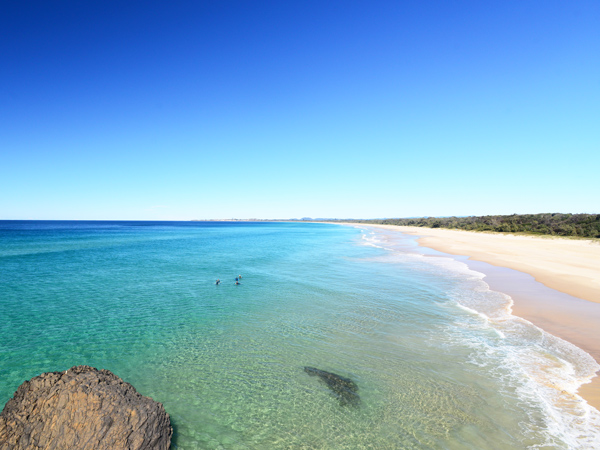
the pristine waters of Dreamtime Beach, NSW
Walk along the fine white sand of Dreamtime Beach.

Why you’ll love it

Twenty million years ago Mount Warning erupted, producing the current dramatic backdrop of black cliffs and unique formations such as the Giant’s Causeway out in the bay. Combined with stretches of fine white sand and lush green foliage, it’s pretty close to paradise.
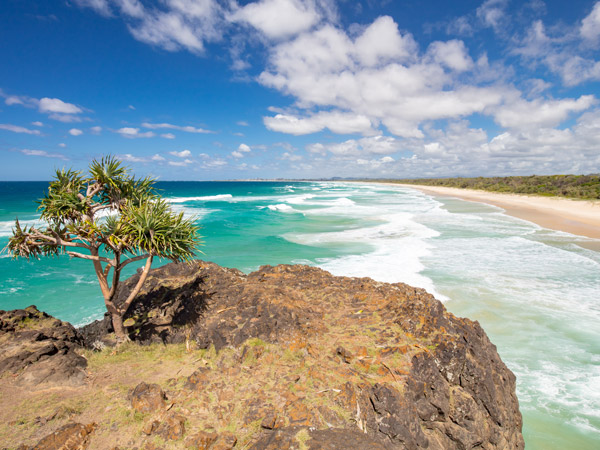
a rock formation on the side of Dreamtime Beach
You’ll find lush green foliage and rock formations on Dreamtime Beach.

5. Store Beach, NSW

Where is it?

A stone’s throw from Manly, but the only way to get there is by water. Hire a kayak at Manly Wharf – it will take you about 20 minutes to paddle to the beach. Just ask the kindly kayak keepers which way to point your nose.

Why you’ll love it

There’s hardly ever anyone there on weekdays and it’s a breeding ground for little penguins. Bliss out in the sun before heading back. You’ll feel like you’ve done your exercise for the day, too.
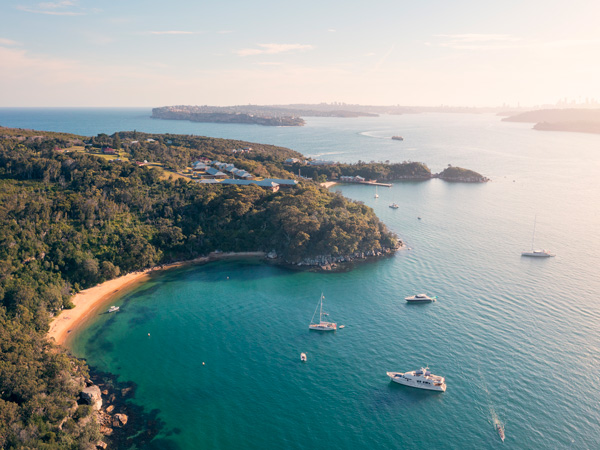
an aerial view of Store Beach, NSW
Store Beach is a stone’s throw from Manly. (Image: Destination NSW)

6. Camel Rock Surf Beach, NSW

Where is it?

The geological dream that is the Camel Rock Formation is found on Camel Rock Surf Beach, six kilometres from Bermagui on the NSW Sapphire Coast.

Why you’ll love it

Taking a photo of the unusual rock, of course! It was created by underwater avalanches over 450 million years ago. The result is that today, Camel Rock looks very much like a sitting camel. In addition, the rocky headland and the rock formation known as Camel Rock are a place of significance to the local Yuin people.

To get here, you can either park up at the Camel Rock Beach car park or at Wallaga Lake Reserve, from which you can take the 1.5-kilometre walking track from Murunna Point to the beach. Once here, snorkel, swim and fish in its rock pools to your heart’s content!
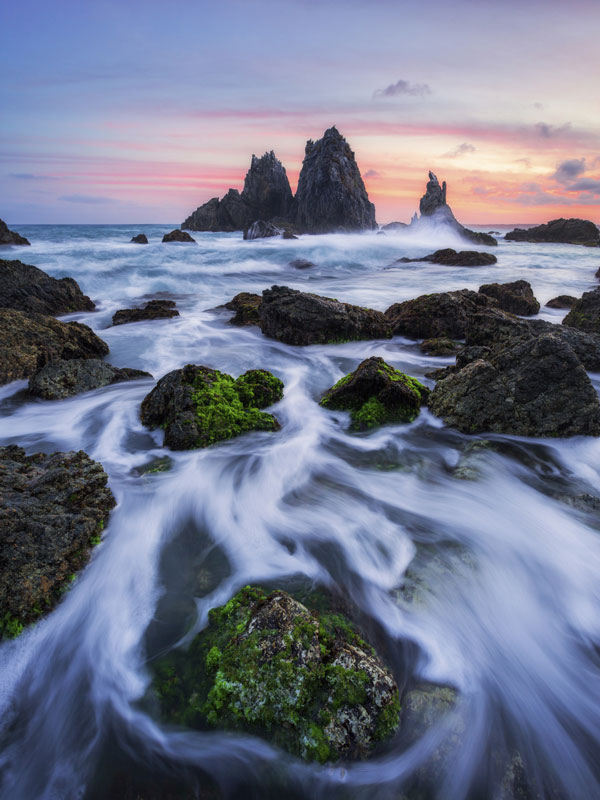
Sun setting over Camel Rock Bermagui
Camel Rock Formation is a geological dream. (Image: Destination NSW)

7. Mungo Beach, NSW

Where is it?

Mungo Beach stretches for more than 20 kilometres on the ocean side of Myall Lakes National Park, near Bulahdelah. It’s about 235 kilometres north of Sydney via the Pacific Highway and The Lakes Way. To access the beach, you will need a 4WD.
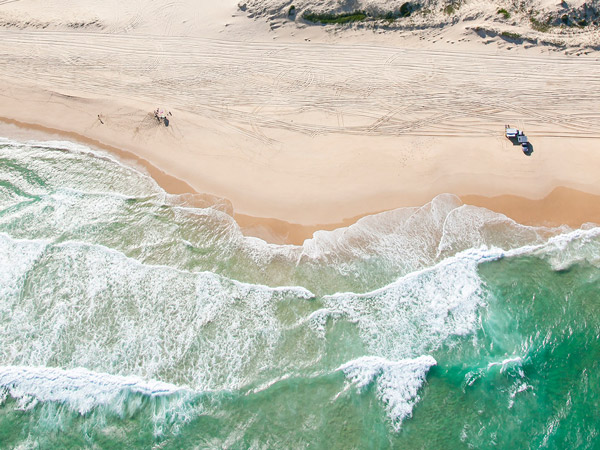
a drone shot of the shore at Mungo Beach, NSW
Spend laid-back days in the incredibly beautiful Mungo Beach. (Image: Destination NSW)

Why you’ll love it

If you’re into fishing and four-wheel-driving, this is the perfect place for you. Powerful rips and deep drop-offs mean this is not a beach for swimming, but the area is full of lakes to cool off in, too.

an aerial view of Mungo Beach, NSW
Drive a 4WD to access Mungo Beach. (Image: Destination NSW)

8. Kitty Miller Bay, Vic

Need tips, more detail or itinerary ideas tailored to you? Ask AT.

AI Prompt

Where is it?

You’ll find the beach off Kitty Miller Rd, on the southwestern side of Phillip Island. Phillip Island is 140 kilometres southeast of Melbourne (a 90-minute drive).

Why you’ll love it

This secluded cove at the base of an extinct volcano not only has great surf, but it boasts that windswept and interesting, rugged appeal you look for in a Victorian beach (well, more northerly Australian dwellers might, anyway).

the Kitty Miller Bay, Vic a sunset
Head to Kitty Miller Bay for an unpretentious beach retreat.

Strong rips and the odd shark sighting mean surfers should take care, and swimmers should look elsewhere for a dip. Go beachcombing instead. Also, keep an eye out for the shipwrecked remains of the SS Speke at low tide.
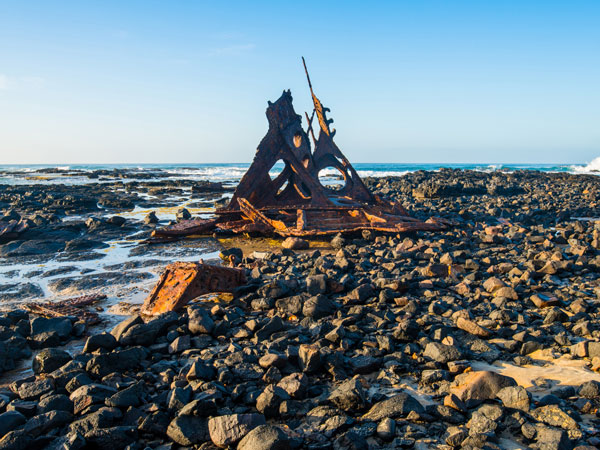
the shipwrecked remains of the SS Speke at Kitty Miller Bay
Spot SS Speke at low tide.

9. Golden Beach, Vic

Where is it?

Golden Beach is near Sale, 252 kilometres from Melbourne, and is just one of the delightful spots along Ninety Mile Beach – which is, of course, 90 miles (145 kilometres) of golden sand and rolling surf that stretches almost the entire length of Gippsland from Port Albert, near Yarram, north to Lakes Entrance.

a beach walk at Golden Beach, Vic
Venture a little further to the glowing sands of Golden Beach.

Why you’ll love it

You could find a spot to yourself anywhere along Ninety Mile Beach, but we rate Golden Beach for its great ocean fishing, surfing and wildlife. Be prepared to see heaps of kangaroos, native birds and even emus and echidnas – the reputed recluses of the animal kingdom – from the coastal tracks around here.
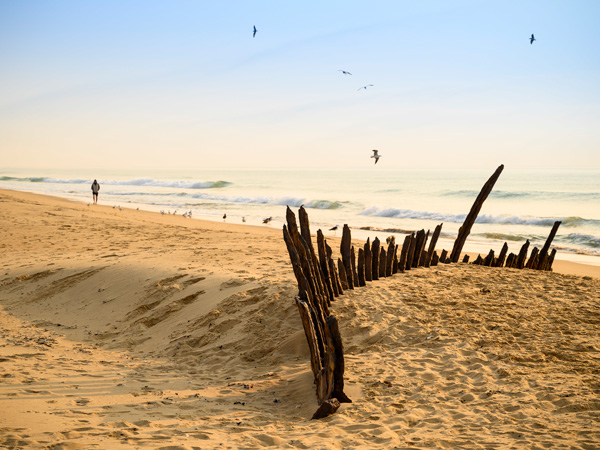
wood on the shore at Golden Beach, Vic
Keep your eyes peeled for native birds.

10. Sunshine Beach, Queensland

Where is it?

About seven kilometres south of Noosa, along David Low Way. It abuts Noosa National Park on the Sunshine Coast, so it’s a pristine environment well worth exploring.

Why you’ll love it

With 15 kilometres of sand stretching all the way down to Peregian Beach, there’s always somewhere to get away from the madding crowds. It’s one of those quintessentially Australian beaches that overseas guests go all open-mouthed about because it looks like it’s endless. It’s also got great surf and is dog friendly, and at the right time of year, you’re bound to spot a few dolphins and whales.
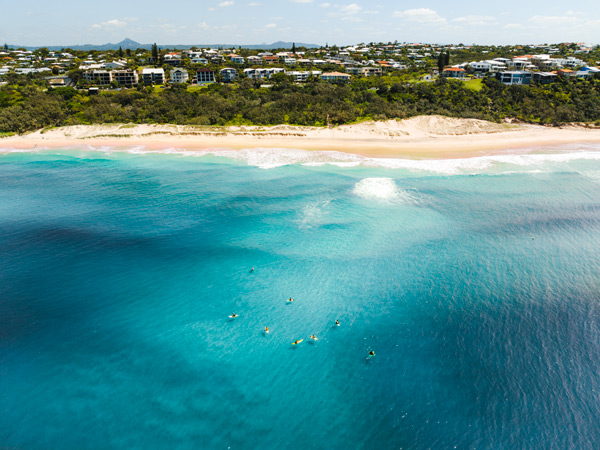
an aerial view of the Sunshine Beach, Queensland
Sunshine Beach is lapped by shimmering turquoise water. (Image: Tourism and Events Queensland; Reuben Nutt)

11. Nudey Beach, Qld

Where is it?

Nudey Beach is located on Fitzroy Island on the Great Barrier Reef, 45 minutes from Cairns by boat.

lush greenery on the shores of Nudey Beach, Qld
Nudey Beach is accessible from Cairns by boat. (Image: Tourism Tropical North Queensland)

Why you’ll love it

What beats a secret beach? A secret beach on a tropical island, of course. Nudey Beach – so named because of its ‘clothes optional’ past – is a fantastic option if you want to explore off the mainland of Tropical North Queensland.

Complete with sand so white it squeaks, turquoise waters and a lack of crowds, it’s no wonder that it was voted one of Australia’s best beaches. Need more time here? Fitzroy Island Resort has a range of options for overnighters, from camping to 4.5-star accommodation.

an aerial view of the stunning waters of Nudey Beach, Qld
The crystalline waters at Nudey Beach are perfect for a dip. (Image: Tourism Tropical North Queensland)

12. Agnes Water, Qld

Where is it?

Agnes Water is Queensland’s northernmost surf beach, about 485 kilometres north of Brisbane and halfway between Bundaberg and Gladstone in Central Queensland. While it’s no secret to locals, many out-of-towners have no idea this region is sitting here just waiting to be explored.

Why you’ll love it

What’s not to love about a pristine beach fringed by casuarinas and a ‘town’ (comprising a supermarket, couple of cafes, bakery, pharmacy, petrol station and not much else) that oozes laid-back charm?

Apart from Agnes Water’s main beach, there are loads of beaches nearby with hardly a soul on them. Because many are in the national park and only accessible by 4WD, you may find the only footprints on the sand are yours. It also makes a great starting point for a Great Barrier Reef visit and is great for diving, fishing and sailing.
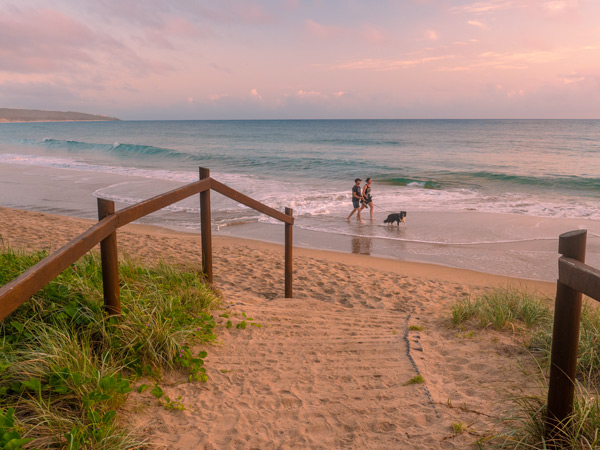
a beach walk along Agnes Water, Qld
Bask in the laid-back charm of Agnes Water Beach. (Image: Tourism and Events Queensland)

13. Maslin Beach, South Australia

Where is it?

Maslin Beach is on the Fleurieu Peninsula, about an hour’s drive from Adelaide, in South Australia.
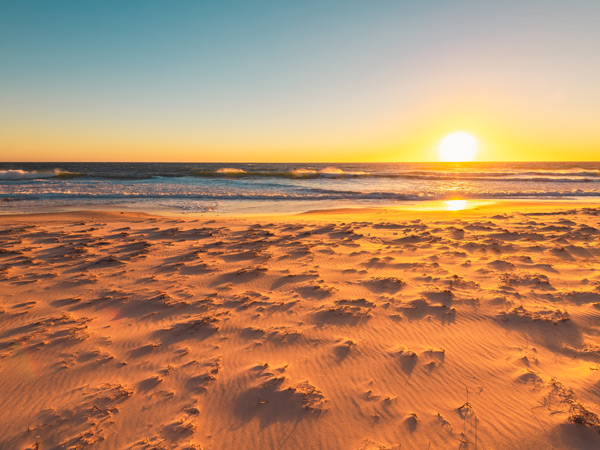
sunset at Maslin Beach, South Australia
Picture golden sunsets on Maslin Beach.

Why you’ll love it

In 1975 the southern section of the beach was declared Australia’s first official nude beach, but there’s plenty of room left over if you prefer swimming in Speedos.

Grab a snorkel and check out the leafy sea dragons (an actual creature, not a euphemism) or take a walk along the picturesque cliffs that flank the beach. You get a great view of the sunset from up there. Once you’ve had your fill of sun and sand, you can head off to sample what the nearby McLaren Vale wineries have to offer.

a woman admiring the views at Maslin Beach, South Australia
Soak up the scenic coast at Maslin Beach. (Image: Kristy Billing @gypsyandherwild)

14. Memory Cove, SA

Where is it?

It’s part of Lincoln National Park, 50 kilometres south of Port Lincoln and 650 kilometres south-west of Adelaide. Access to Memory Cove Wilderness Area is 4WD-only.

a group of people swimming in Memory Cove, SA
Spend the day frolicking in the blue waters of Memory Cove. (Image: Brad Griffin Photography)

Why you’ll love it

The five campsites here are right on the beach, the scenery is seriously stunning, the fishing excellent, and with no more than 15 vehicles allowed in at any one time, it’s never going to be crowded.

an aerial view of Memory Cove, SA
Breathtaking views of Memory Cove from above. (Image: SA Tourism Commission)

This is truly one of the most elite experiences you can have in Australia but without the five-star prices.
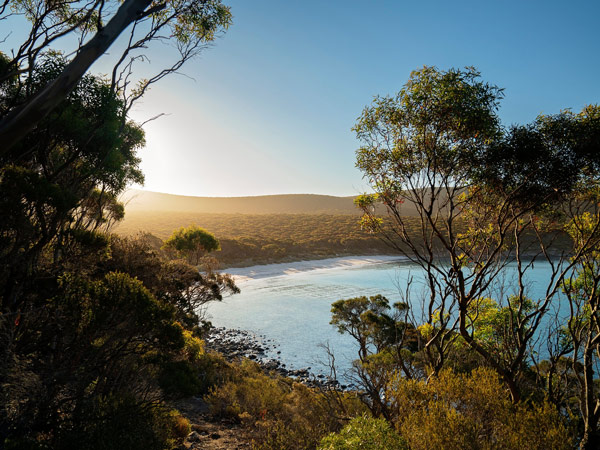
scenic nature views at Memory Cove, SA
Seek solitude in the uncrowded Memory Cove. (Image: Brad Griffin Photography)

15. Friendly Beaches, Tasmania

Where is it?

Within Freycinet National Park, Friendly Beaches are 20 kilometres south of Bicheno on Coles Bay Road.
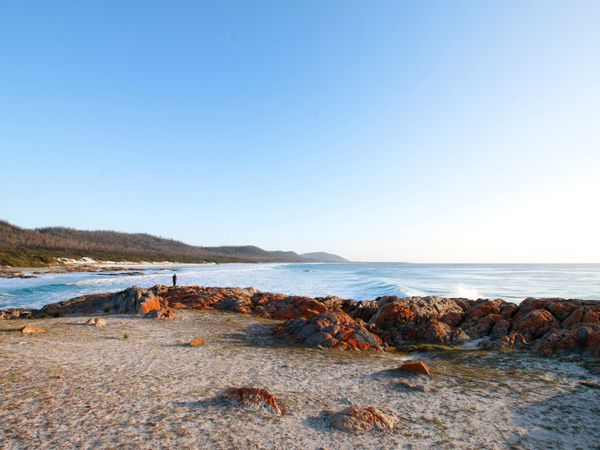
the scenic and quiet landscape at Friendly Beaches, Tasmania
Friendly Beaches are hidden away from the crowds. (Image: Kathryn Leahy)

Weekly travel news, experiences
insider tips, offers, and more.

Why you’ll love it

Freycinet is Tassie’s most popular coastal park, and the famous Wineglass Bay can get positively overrun (by Tasmanian standards) during summer holidays. Not so for Friendly Beaches, with their squeaky white silicone sand, crystal clear water and views that stretch forever.
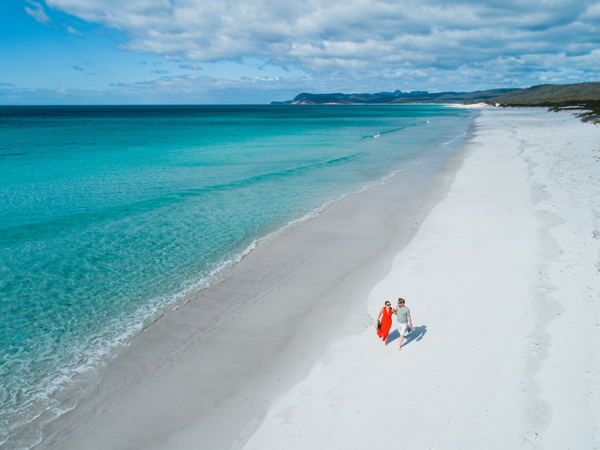
an aerial view of a couple walking along Friendly Beaches, Tasmania
Stroll along the long stretch of fine white sand and turquoise blue waters at Friendly Beaches. (Image: Stu Gibson)

With the pelican-covered Saltwater Lagoon at one end and Freshwater Lagoon at the other, in reality, Friendly Beaches are really just one very long stretch of pristine sand stroked by an aqua ocean. Because they’re so often completely people-free, it’s a good spot to try your hand (and the rest of your body) at skinny-dipping.

a rock-filled shore on Friendly Beaches, Tasmania
Friendly Beaches are completely people-free. (Image: Tourism Tasmania; Kathryn Leahy)

Just be careful of rips, because these are ocean beaches and at the mercy of strong tidal currents. That could get embarrassing for both you and the rescue party.

the rocky side of Friendly Beaches, Tasmania
The waves gently ripple on the rocks. (Image: Kathryn Leahy)

16. Lime Bay, Tas

Where is it?

This beautiful beachside camping spot is part of the Coal Mines Historic Site on the northeastern shore of the Tasman Peninsula, not far from Saltwater River, a 25-minute drive from Port Arthur.

Why you’ll love it

Leave behind the crowds of Port Arthur and wander freely through the evocative ruins of Saltwater River Convict Station with its dingy underground cells – and a waterfront view to die for. The beach is fringed by limestone rocks that have been sculpted by the wind, and there are ample opportunities for wildlife, wildflowers and bird spotting.

the Lime Bay, Tas fringed by limestone rocks
Lime Bay is perfect for beachside camping.

17. Ocean Beach, Tas

Where is it?

Six kilometres west of Strahan on Tasmania’s wild – and often wet – west coast.
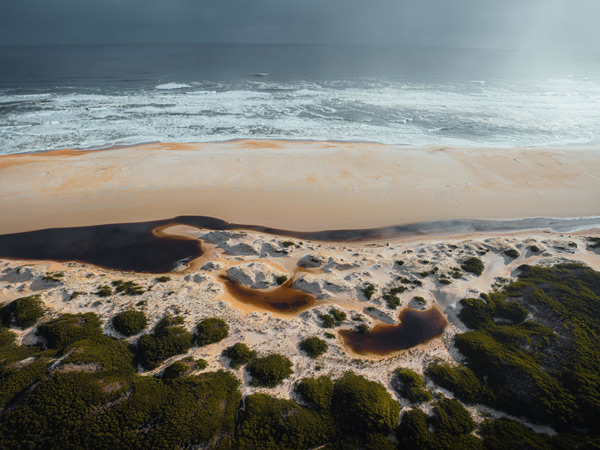
an aerial view of the shore at Ocean Beach, Tas
Ocean Beach is off the wild west coast of Tasmania. (Image: Jason Charles Hill)

Why you’ll love it

This 40-kilometre stretch of coast is Tasmania’s longest beach, with nothing but rolling waves and fresh air between you and the east coast of South America. Go horse riding along the beach, sandboarding on the dunes, or simply watch the sun sink into the sea at the edge of the world.

Sure, it might not be the best beach for swimming and sunbaking (you shouldn’t be doing the latter anyway!), but it is certainly one of the most beautiful and isolated beaches in the world.

a drone shot of people and a vehicle on the side of Ocean Beach, Tas
You’ll feel like you’re on the edge of the world at Ocean Beach. (Image: Jason Charles Hill)

18. Taroona Beach, Tas

Where is it?

Taroona is a mere 15-minute drive south of Hobart, via Sandy Bay Road.

Why you’ll love it

A great beach for rock hopping, the water is perfect for kids and there is a playground in the park nearby. It’s the ultimate spot to view the Sydney to Hobart yacht race when the participants come around Storm Bay and into the Derwent River.

You’ll find a wealth of shells and marine molluscs (anecdotally, Taroona is the local Aboriginal word for chiton, a type of mollusc). You’ll also see all sorts of birds such as cormorants, terns, gulls, herons and eagles.
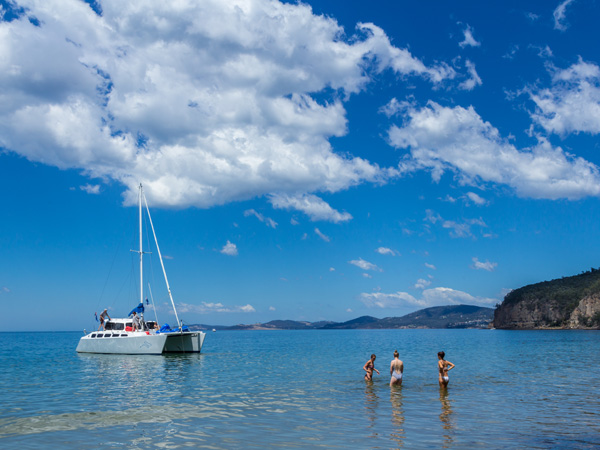
a group of people with a boat moored at Taroona Beach, Tas
Go rock hopping at Taroona Beach.

19. Cobourg Peninsula, Northern Territory

Where is it?

Garig Gunak Barlu National Park is around 570 kilometres (by road) northeast of Darwin and is accessible only by 4WD. It’s impassable during the wet season, November-April. Bring all your own food, unless you count on catching some fish (which practically jump onto your hook!).

an aerial view of a boat at the Seven Spirit Bay Cobourg Peninsula
Get whisked off to Seven Spirit Bay Cobourg Peninsula. (Image: Tourism NT; Tourism Australia)

Why you’ll love it

It’s a place of pristine beaches, carpeted in seashells, where turtles come up to lay their eggs and the world’s largest remaining herd of banteng (wild cattle) roam in the monsoon forests behind the high-tide mark. Even better, only 20 permits to enter the park are issued at any one time, so you know you’ve got the place pretty much to yourself. Forget about swimming though: this is saltwater crocodile country.

a piece of land at Cobourg Peninsula
Set up camp in your 4WD at Cobourg Peninsula. (Image: Tourism NT; Tourism Australia)

20. Bennion Beach, Western Australia

Where is it?

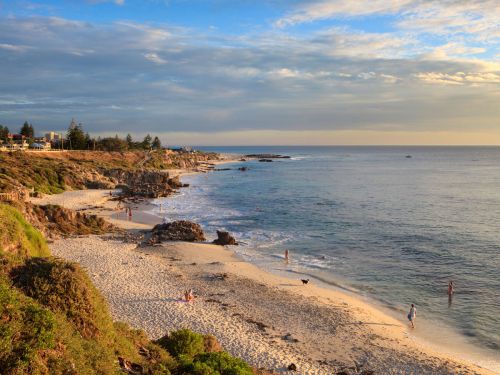
Bennion Beach is in the northern suburbs of Perth, about a half-hour drive from the centre of the city.

Why you’ll love it

You can stay in the heart of Perth and still savour the secluded nature of this incredible sheltered white-sand beach strewn with giant clusters of limestone. Most of the summer crowds hang at neighbouring Trigg Beach, so you can snorkel and explore the surrounding reef in peace.

People from the eastern states always get a kick out of a WA beach sunset, so stick around and watch the colours stain the sky.

a scenic view of Bennion Beach, Western Australia
Set foot on the secluded shores of Bennion Beach.

21. Point Ann, WA

Where is it?

Point Ann is in the western section of Fitzgerald River National Park, 180 kilometres northeast of Albany. The best access is via Bremer Bay; from the east, the best access is via Hopetoun or the Hamersley Drive from the South Coast Highway.

Why you’ll love it

It’s one of just two places in Australia (the other is Head of Bight in SA) where southern right whales come to calve in large numbers. There are two whale-watching platforms and the best time to go to make use of it is June through to October.

the grassy white-sand beach at Point Ann, WA
Watch out for whales at Point Ann, WA.

22. Lucky Bay, WA

Where is it?

Cape Le Grand National Park, 50 kilometres southeast of Esperance by sealed road.
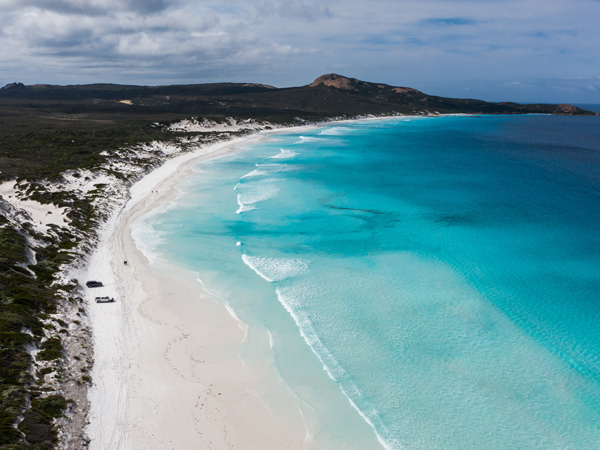
an aerial view of Lucky Bay, WA
Endless blues ripple across Lucky Bay. (Image: Tourism Western Australia)

Why you’ll love it

Breathtaking scenery, beachside camping and a fantastic 15-kilometre coastal walking trail from Le Grand Beach to Rossiter Bay along the edge of Cape Le Grand. You’ll find Lucky Bay at about the halfway point.
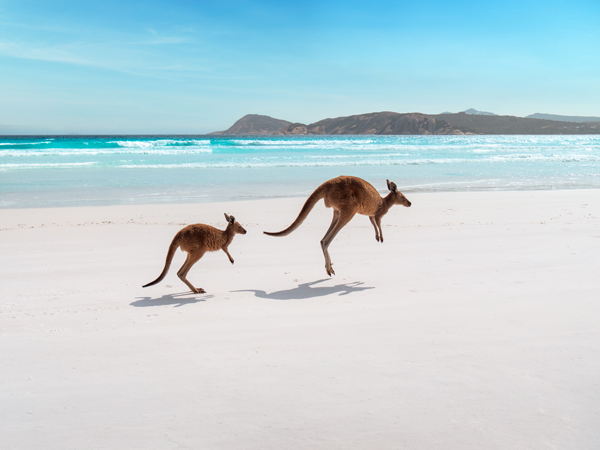
kangaroos on Lucky Bay, WA
Spot kangaroos happily hopping on the beach. (Image: Tourism Western Australia)

You’ll also find southern grey kangaroos sunning themselves on the beach. If there are too many fishermen here for your liking, head around the point to Thistle Cove, where you’re unlikely to find a soul.
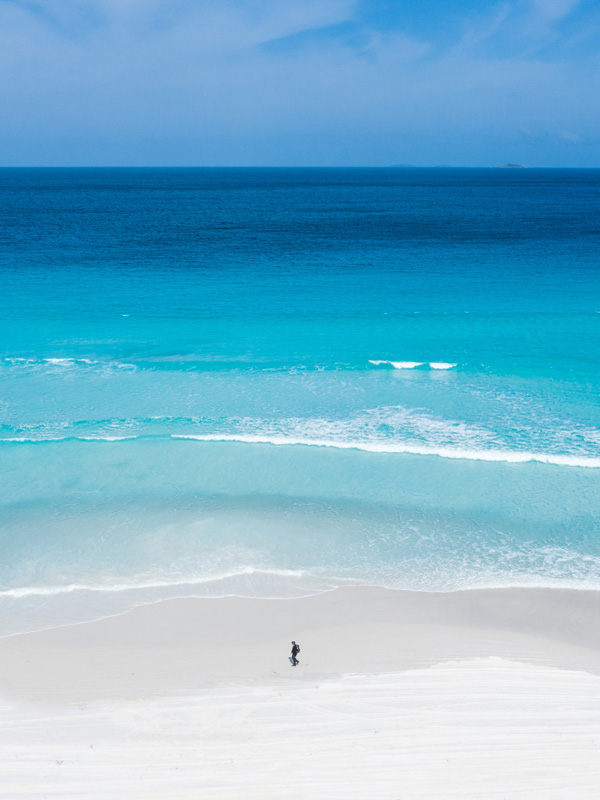
the pristine waters of Lucky Bay, WA
Go for a dip in the pristine waters of Lucky Bay.
Kate Bettes
Kate Bettes is a freelance travel writer. Whether having a picnic in Vietnamese jungle with new friends, or partying in the back of a limousine in Hollywood, Kate’s experiences have left her with the sneaking suspicion that the best travel memories happen when you least expect. It’s this feeling - and how to get it - that she loves to write about.
View profile and articles
hero media

Inside Geelong’s glow-up from factory town to creative capital

    Chloe Cann Chloe Cann
    Abandoned mills and forgotten paper plants are finding second lives – and helping redefine a city long underestimated. 

    Just 15 years ago, Federal Mills was a very different place. Once among the most significant industrial sites in Victoria, the historic woollen mill was one of a dozen that operated in Geelong at the industry’s peak in the mid-20th century, helping the city earn its title as ‘wool centre of the world’. But by the 1960s global competition and the rise of synthetic fabrics led to the slow decline of the industry, and Federal Mills finally shuttered its doors in 2001. Within a few years, the abandoned North Geelong grounds had become makeshift pastoral land, with cows and goats grazing among the overgrown grass between the empty red-brick warehouses. It was a forgotten pocket of the city, all but two klicks from the bustle of the CBD.  

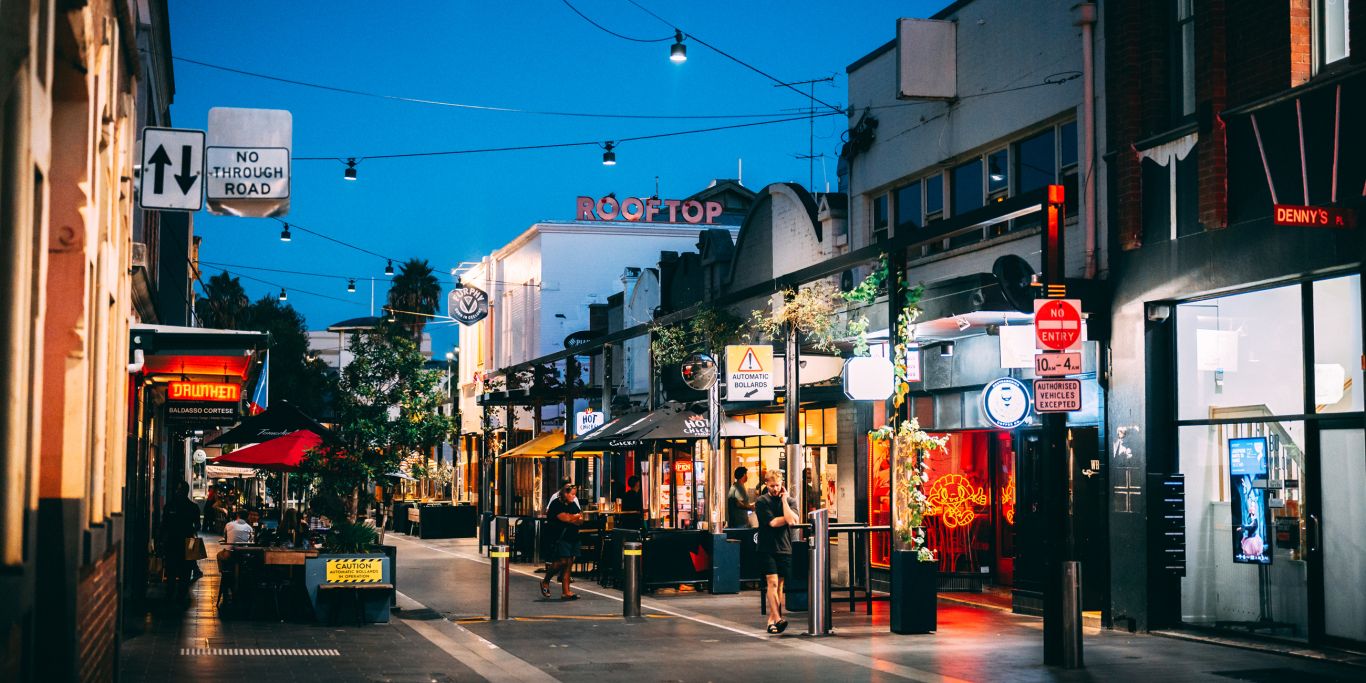
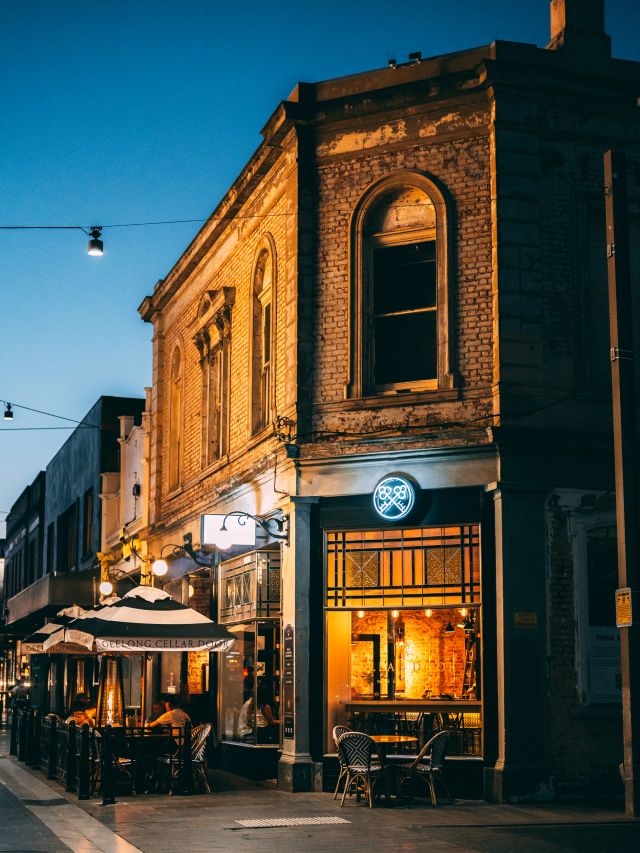
    Geelong cellar door wine bar
    Geelong has shed its industrial identity to become an innovative urban hub with reimagined heritage spaces. (Image: Ash Hughes)

    Federal Mills: from forgotten factory to creative precinct 

    Today, the century-old complex stands reborn. The distinctive sawtooth-roof buildings have been sensitively restored. An old silo is splashed with a bright floral mural, landscapers have transformed the grounds, and the precinct is once again alive with activity. More than 1000 people work across 50-plus businesses here. It’s so busy, in fact, that on a sunny Thursday morning in the thick of winter, it’s hard to find a car park. The high ceilings, open-plan design, and large multi-paned windows – revolutionary features for factories of their time – have again become a drawcard.  

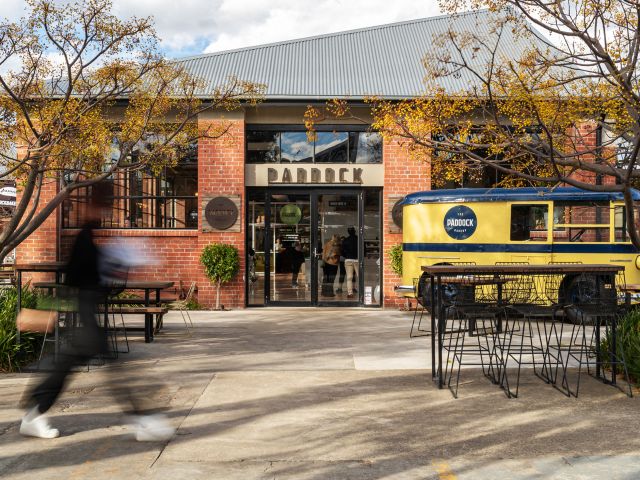
    Paddock Bakery andPatisserie
    Paddock Bakery and Patisserie is housed within the historic wool factory. (Image: Gallant Lee)

    At Paddock, one of the precinct’s newer tenants, weaving looms and dye vats have been replaced by a wood-fired brick oven and heavy-duty mixers. Open since April 2024, the bakery looks right at home here; the building’s industrial shell is softened by ivy climbing its steel frames, and sunlight streams through the tall windows. Outside, among the white cedar trees, families at picnic benches linger over dippy eggs and bagels, while white-collar workers pass in and out, single-origin coffee and crème brûlée doughnuts in hand. 

    Geelong: Australia’s only UNESCO City of Design 

    Paddock Bakery
    Paddock Bakery can be found at Federal Mills. (Image: Gallant Lee)

    “A lot of people are now seeing the merit of investing in Geelong,” says Paul Traynor, the head of Hamilton Hospitality Group, which redeveloped Federal Mills. A city once shunned as Sleepy Hollow, and spurned for its industrial, working-class roots and ‘rust belt’ image, Geelong has long since reclaimed its ‘Pivot City’ title, having reinvented itself as an affordable, lifestyle-driven satellite city, and a post-COVID migration hotspot.  

    And the numbers stand testament to the change. In March 2025, and for the first time in its history, Greater Geelong became Australia’s most popular regional town for internal migration, overtaking Queensland’s Sunshine Coast. Current forecasts suggest Geelong will continue to outpace many other Australian cities and towns, with jobs growing at double the rate of the population.

    Tourism is booming, too. The 2023-24 financial year was Geelong and The Bellarine region’s busiest on record, with 6.4 million visitors making it one of the fastest-growing destinations in the country. It’s not hard to see why: beyond the city’s prime positioning at the doorstep of the Great Ocean Road, Geelong’s tenacity and cultural ambition stands out.  

    As Australia’s only UNESCO City of Design, Geelong is swiftly shaking off its industrial past to become a model for urban renewal, innovation, sustainability and creative communities. The signs are everywhere, from the revitalisation of the city’s waterfront, and the landmark design of the Geelong Library and Heritage Centre and Geelong Arts Centre, to the growing network of local designers, architects and artists, and the burgeoning roster of festivals and events. That’s not even mentioning the adaptive reuse of storied old industrial buildings – from Federal Mills, to Little Creatures’ brewery ‘village’ housed within a 1920s textile mill – or the city’s flourishing food and wine scene.  

    The rise of a food and wine destination  

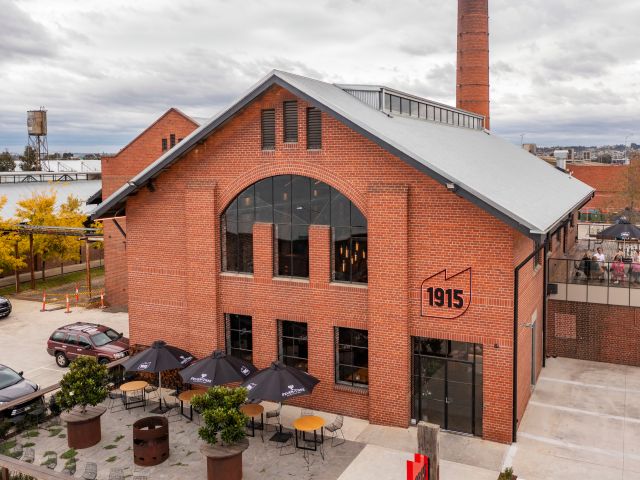
    boiler house
    Restaurant 1915 is housed within a restored former boiler house. (Image: Harry Pope/Two Palms)

    Traynor credits now-closed local restaurant Igni, which opened in 2016, as the turning point for Geelong’s hospo industry. “[Aaron Turner, Igni’s chef-patron] was probably the first guy, with all due respect, to raise the bar food-wise for Geelong,” he says. “People now treat it really seriously, and there’s clearly a market for it.” While Igni is gone, Turner now helms a string of other notable Geelong venues, including The Hot Chicken Project and Tacos y Liquor, all within the buzzy, street art-speckled laneways of the CBD’s Little Malop Street Precinct. Many others have also popped up in Igni’s wake, including Federal Mills’ own restaurant, 1915Housed within the cavernous boiler house, 1915’s interior is dramatic: soaring, vaulted ceilings with timber beams, exposed brick, a huge arched window. The share plates echo the space’s bold character, playing with contrast and texture, with dishes such as a compressed watermelon tataki, the sweet, juicy squares tempered by salty strands of fried leeks, and charred, smoky snow peas dusted with saganaki on a nutty bed of romesco. 

    Woolstore
    The Woolstore is a new restaurant and bar housed within a century-old warehouse. (Image: Amy Carlon)

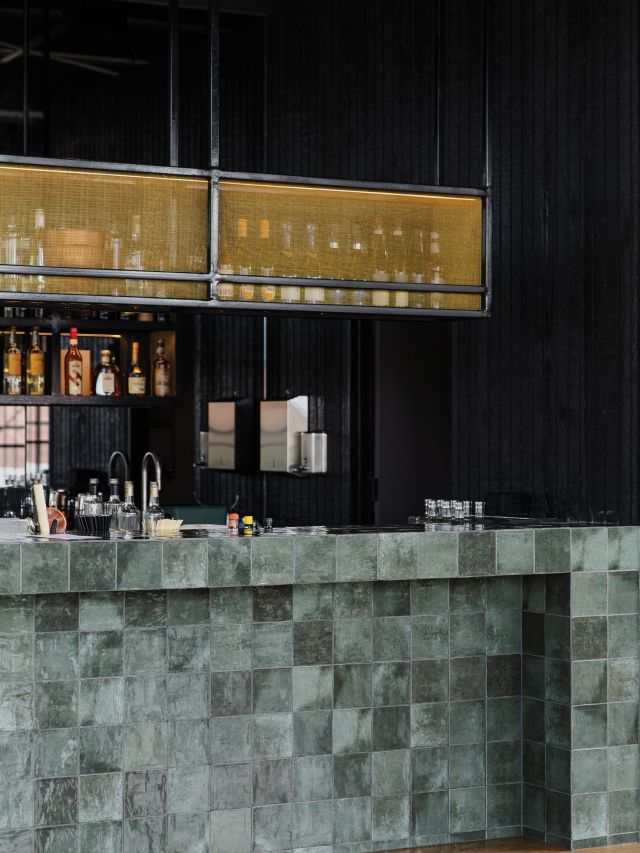
     The Woolstore, one of The Hamilton Group’s most recent hospo projects, opened in February. It occupies a century-old riverside warehouse and exudes a more sultry, fine dining ambience. Much like Federal Mills, the blueprint was to preserve the original brickwork, tallowwood flooring and nods to the building’s former life. That same careful consideration extends to the well-versed, affable waitstaff as well as the kitchen. Head chef Eli Grubb is turning out an eclectic mix of ambitious and indulgent mod Oz dishes that deliver: strikingly tender skewers of chicken tsukune, infused with hints of smoke from the parrilla grill, and glazed with a moreish, sweet gochujang ‘jam’; nduja arancini fragrant with hints of aniseed and the earthy lick of sunny saffron aioli; and golden squares of potato pavé, adorned with tiny turrets of crème fraîche, crisp-fried saltbush leaves, and Avruga caviar, to name but a few stand-out dishes.  

    Woolstore menu
    Woolstore’s menu is designed for sharing.

    Breathing new life into historic spaces  

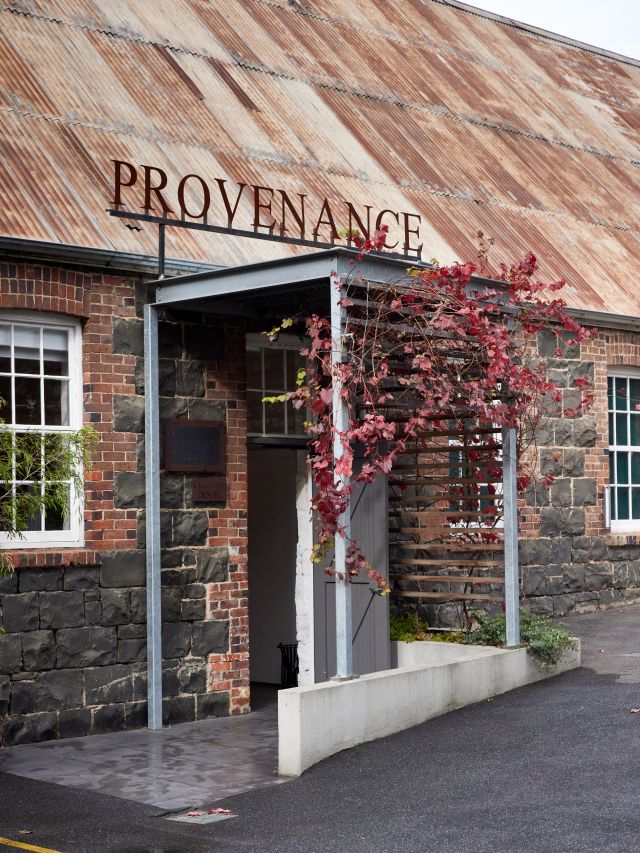
    On the city’s fringe, hidden down a winding side road with little fanfare, lies a long-dormant site that’s being gently revived. Built from locally quarried bluestone and brick, and dating back to the 1870s, the complex of original tin-roofed mill buildings is lush with greenery and backs onto the Barwon River and Buckley Falls; the audible rush of water provides a soothing soundtrack. Fyansford Paper Mill is one of few complexes of its time to survive intact. It feels steeped in history and spellbindingly rustic.  

    “We were looking for an old industrial place that had some charm and romance to it,” explains Sam Vogel, the owner, director and winemaker at Provenance Wines which moved here in 2018. When he first viewed the building with his former co-owner, it was in such a state of disrepair that the tradie tenant occupying the space had built a shed within it to escape the leaking roof and freezing winter temperatures. “To say it was run down would be an understatement,” he notes. “There was ivy growing through the place; the windows were all smashed. It was a classic Grand Designs project.” 

    Provenance Wines
    Provenance Wines moved to Fyansford Paper Mill in 2018. (Image: Cameron Murray Photography)

    The team has since invested more than a million dollars into their new home. Where paper processing machinery once sat, wine barrels are now stacked. Vaulted cathedral ceilings are strung with festoon lights, and hidden in plain sight lies a shadowy mural by local street artist de rigueur Rone – one of only three permanent works by the artist.

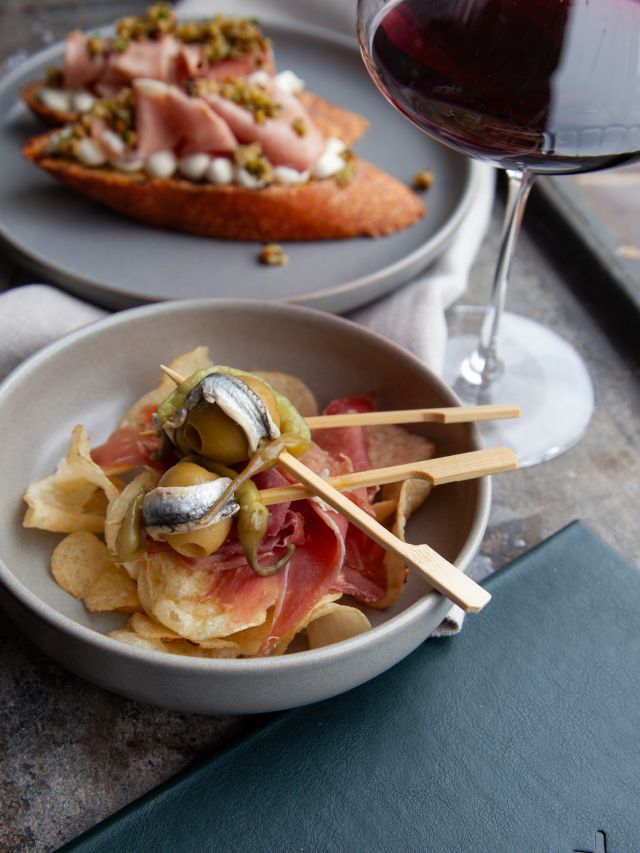
    While the award-winning, cool-climate pinot noir, riesling and chardonnay naturally remain a key draw at Provenance, the winery’s restaurant is a destination in itself. Impressed already by whipsmart service, I devour one of the most cleverly curated and faultlessly executed degustations I’ve had in some time. It’s all prepared in a kitchen that is proudly zero-waste, and committed to providing seasonal, ethical and locally sourced meat and produce under head chef Nate McIver. Think free-range venison served rare with a syrupy red wine jus and a half-moon of neon-orange kosho, shokupan with a deeply savoury duck fat jus (a modern Japanese take on bread and drippings), and a golden potato cake adorned with a colourful confetti of dehydrated nasturtiums and tomato powder, and planted atop a sea urchin emulsion.  

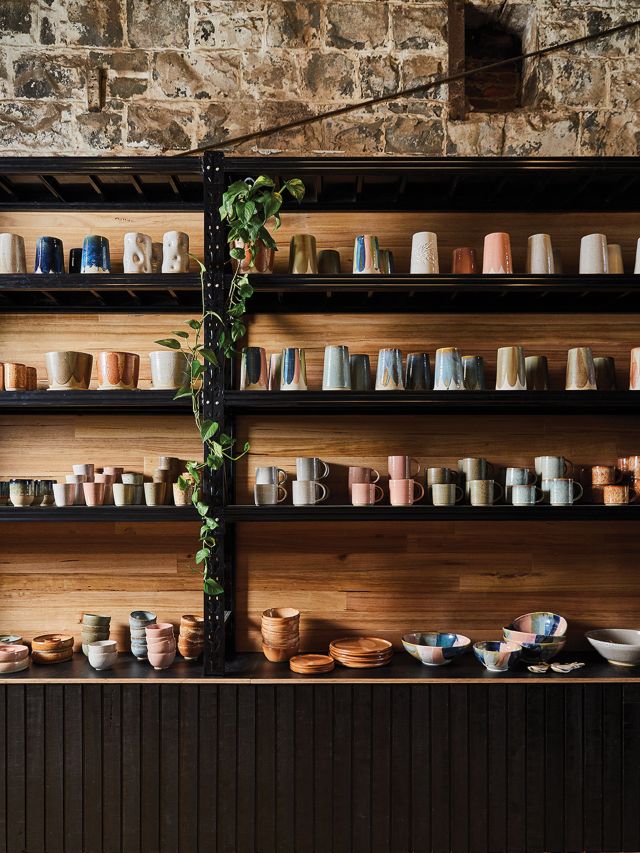
    handcrafted pieces
    Bell’s handcrafted functional pieces on display.

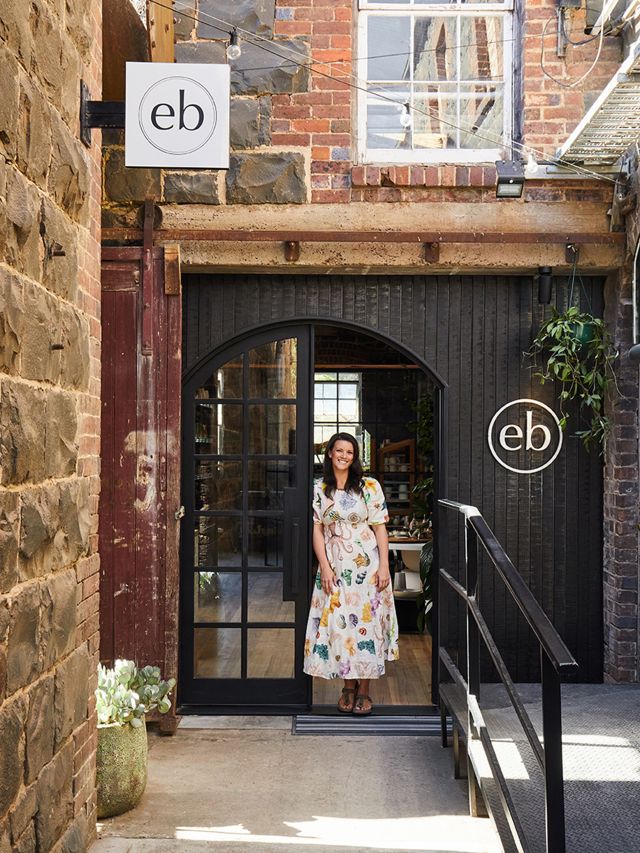
    The complex is home to a coterie of independent businesses, including a gallery, a jeweller, and its latest tenant, ceramicist Elizabeth Bell, drawn here by the building’s “soul”. “There’s so much potential for these buildings to have new life breathed into them,” says Bell, whose studio is housed within the old pump room. “Even people in Geelong don’t know we’re here,” she says. “It’s definitely a destination, but I like that. It has a really calming atmosphere.”  

    A Melbourne transplant, Bell now feels at home in Geelong, which offers something Melbourne didn’t. “If this business was in Melbourne I don’t think it would’ve been as successful,” she notes. “It’s very collaborative in Geelong, and I don’t think you get that as much in Melbourne; you’re a bit more in it for yourself. Here it’s about community over competition.”  

    Elizabeth Bell
    Ceramicist Elizabeth Bell has a store in Fyansford Paper Mill.