Go beyond cafe culture to connect with the natural wonders of Noosa National Park.
Noosa is not just a private playground for the rich. Some of its best assets are free to enjoy, and that includes Noosa National Park.
Here’s our guide to getting the best out of a visit, including information on how to get there (and where to park) and what to conquer. Split into three sections – Noosa Headland, Emu Mountain and Peregian – the park’s magical array of walking trails, ocean lookouts, and golden swimming and surfing spots are calling.
When to visit
Although visitors head to Noosa National Park all year round, there’s certainly a more comfortable time of year to get amongst it. Summer days range from 21 to 29 degrees Celsius and winter days range from 10 to 21 degrees Celsius, so milder climates make spring and autumn prime exploration time. September is also Noosa’s driest month so expect increased foot traffic then, too.
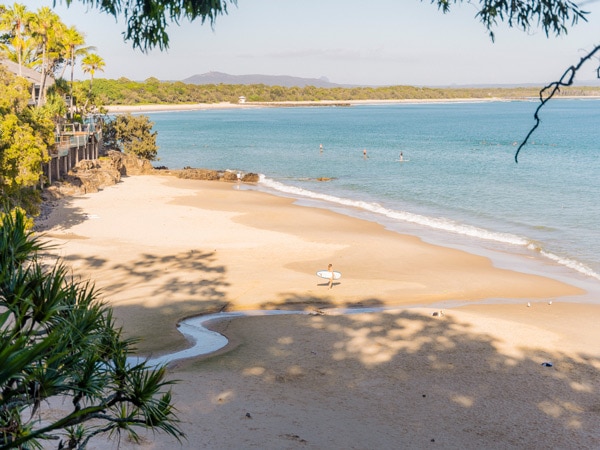
Getting there and where to park
Did you know you can walk to Noosa National Park from Hastings Street’s incredible stretch of shops and eateries? The main entrance is just 30 minutes from the action, right along the seaside boardwalk.
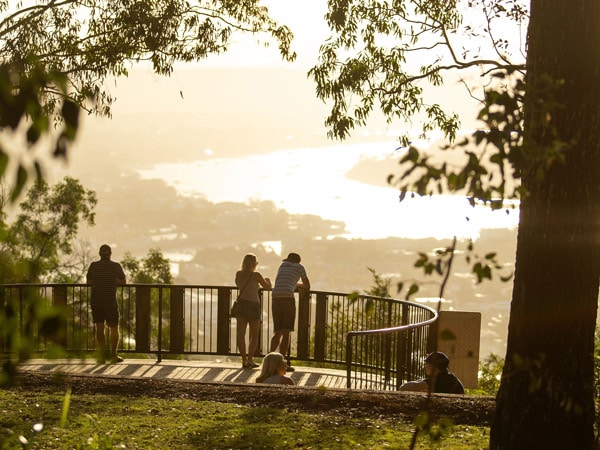
If you’ve got a set of wheels, you can also drive to many of the park’s highlights including Laguna Lookout in Noosa Heads, at the end of Viewland Drive where there’s a car park.
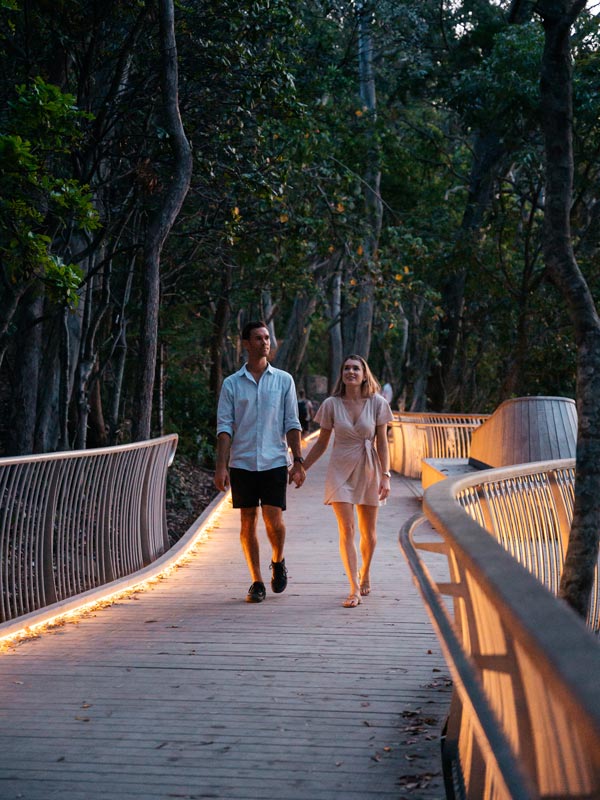
The Headland section of Noosa National Park offers sensational ocean views, and you can access it from the end of Park Road where there’s the Noosa Headland day-use area, another car park. This car park is endlessly busy, so factor extra spot-searching time into your itinerary. If you get stuck, there’s another entrance to the Headland section, offering limited parking, at Parkedge Road in Sunshine Beach, so try your luck there.
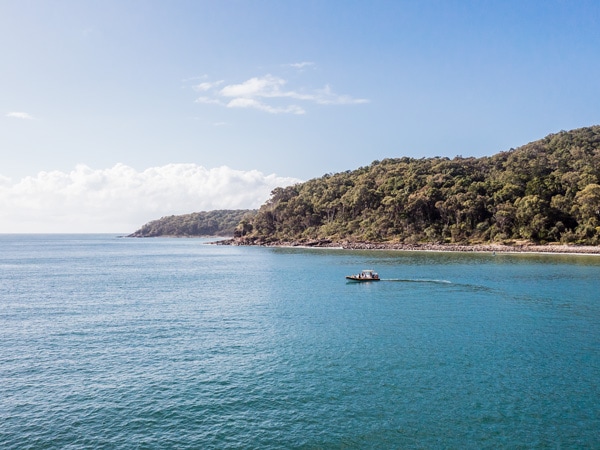
If you’re planning to hike, drive to the council car parks located on Belmore Terrace or Seaview Drive to access some of the park’s most popular trails. You can start the Noosa Coastal Track from Sunshine Beach where it’s easier to find parking. You can also use the free bus service which runs to and from Main Beach during school holidays.
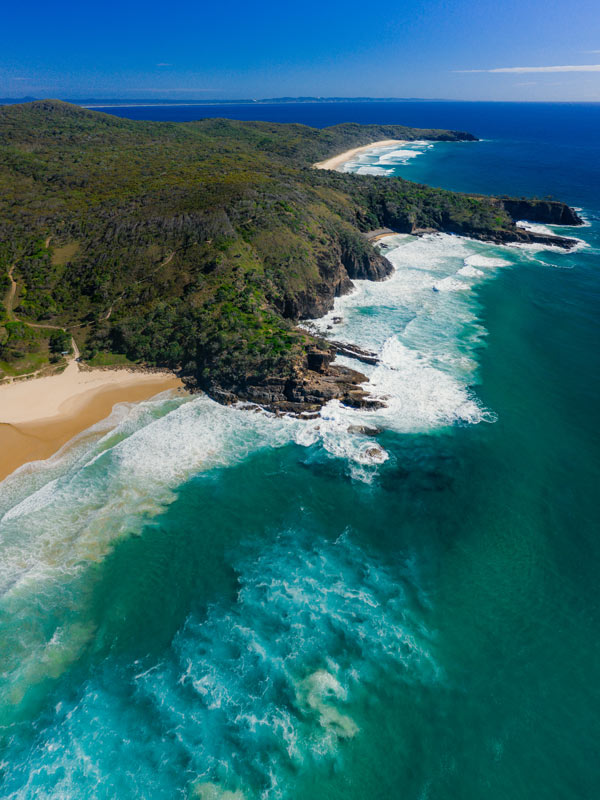
Hiking in Noosa National Park
Noosa Coastal Walk
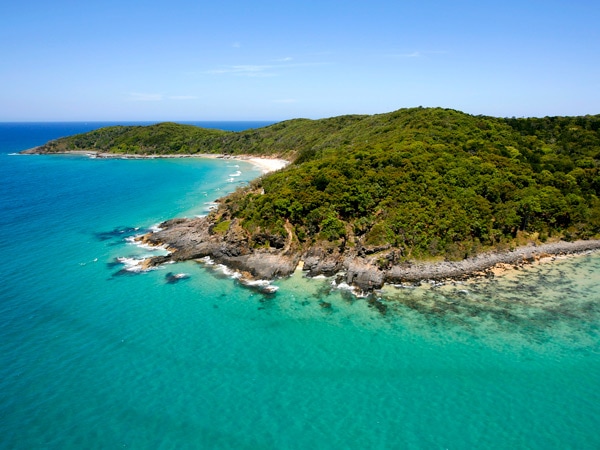
Wrap yourself in nature along the Noosa Coastal Walk, a 10.8-kilometre return stretch that offers spectacular views of Noosa North Shore and rocky outlooks where, from June to October, you might be lucky enough to see whales.
The beautiful blue-green waterways are also home to turtles and dolphins, and there are even koalas curled up in the canopy above.
To get there, start at the Noosa Headland day-use area at the end of Park Road in Noosa Heads where you’ll need to walk for 30 minutes along that seaside boardwalk to commence the trail.
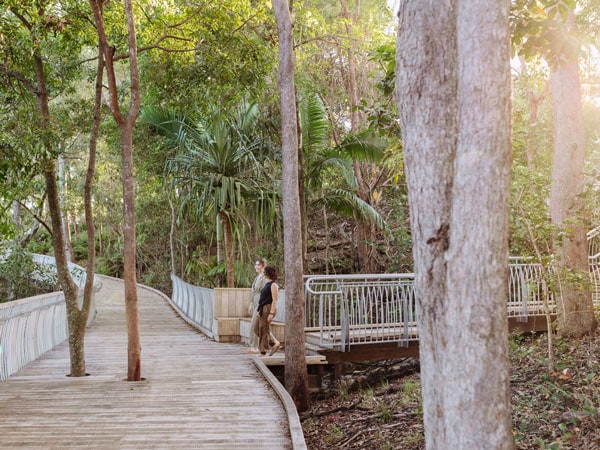
Highlights include Boiling Pot, a lookout where waves dramatically crash onto the rocks, Tea Tree Bay, a picture-perfect beach, and Hell’s Gates, offering views over Alexandria Bay. Allow about four hours to get the entire hike done, or you can wind things up at Sunshine Beach and just catch a bus back to Hastings Street.
Noosa Hill Walk
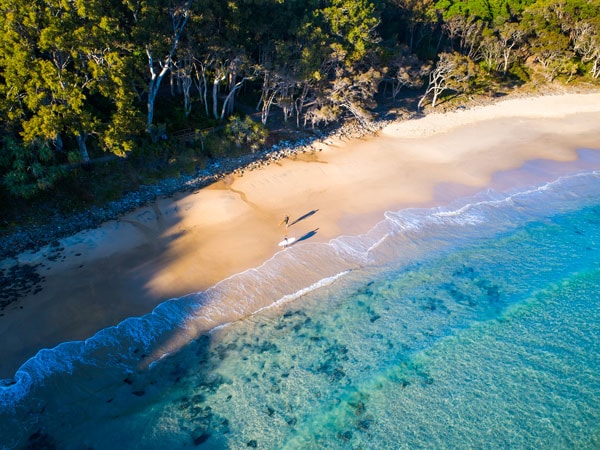
Drive to the day-use area car park at the end of Park Road to start the Noosa Hill Walk. The peaceful trail – a safe option for all fitness levels – pretzels around the northern face of Noosa Hill and around open groves of blue gums and black wattles.
You can start and finish at the same point on the 2.8-kilometre stretch or extend your travels and include the Tanglewood Track to Alexandria Bay and Sunshine Beach. Factor in about one to one-and-a-half hours if you’re sticking to the return trail.
Need tips, more detail or itinerary ideas tailored to you? Ask AT.
AI Prompt
Hell’s Gates Walk
Kicking off from Noosa Main Beach, the one-hour Hell’s Gates Walk through Noosa National Park is an easy trek that follows the boardwalk past several beaches that beg to be swum in, including Little Cove and Tea Tree Bay.
The bonus of reaching Hell’s Gates is that you may just see wildlife such as ospreys, koalas, dolphins and whales (in season) below.
Emu Mountain Summit Walk
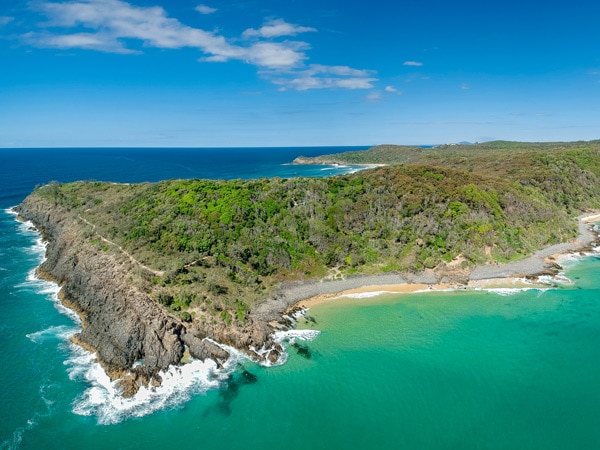
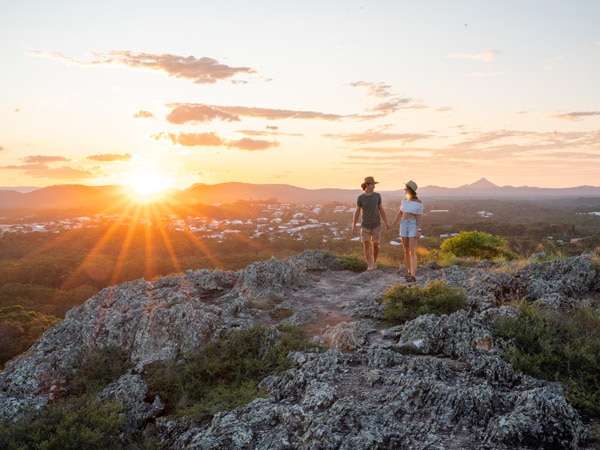
Venture beyond Noosa National Park’s Headland section for some equally memorable hikes including the Emu Mountain Summit Walk, a 1.1-kilometre return trek offering unforgettable views across the coast.
As the name suggests, you’re headed for the top of Emu Mountain, also known as Mount Peregian, a fragment from a giant volcanic mass. Your history lesson is guaranteed to be overshadowed once you reach those panoramic vistas spanning Noosa all the way to Maroochydore. Allow 45 minutes to one hour to get there and back.
Ocean Beach Walk
Get your sweat on while reserving most of your day for unwinding by opting for the short 30-minute return Ocean Beach Walk in Noosa National Park. Just one kilometre in length, the trail extends along a boardwalk from Peregian swamplands and forest, and towards Peregian beach. To access the entrance, drive three kilometres north of Coolum Beach along David Long Way.
Surfing in Noosa National Park
Noosa World Surfing Reserve
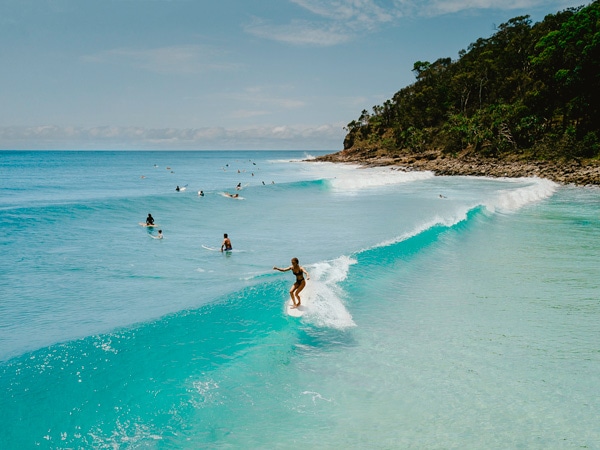
Tune into the rhythm of the sea at the Noosa World Surfing Reserve, which has a smattering of world-class breaks that hug the headland in Noosa National Park. The reserve stretches for five kilometres off the coast and is justifiably famous for its five incredible point breaks and three beach breaks where the waves are consistently good.
Learn to Surf
Beginners can bob around off Noosa Main Beach with Merrick’s Noosa Learn to Surf and Go Ride A Wave where they will be taught to spring to their feet, even on their first lesson. And there’s plenty of pro inspiration in this neck of the woods. If there’s enough swell and conditions allow, you might find World Surf League professional surfer and Noosa local Julian Wilson at First Point, which he professes is his favourite wave.
Granite Bay
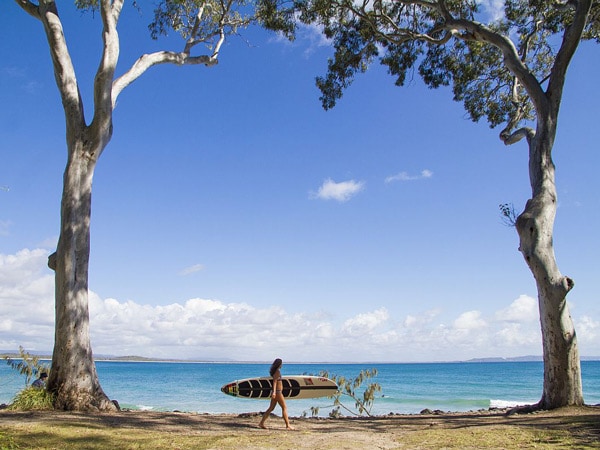
You have to be committed to get to Granite Bay as the right-hand break is another 20-minute walk along the Noosa Coastal Walk from Tea Tree. But it’ll be worth it: when Granite Bay is firing, this is where you’ll find the biggest, gnarliest waves in Noosa.
Nationals and Tea Tree
Navigate the sea froth like a champion? The break known as Nationals at the start of Noosa National Park is for experienced surfers only.
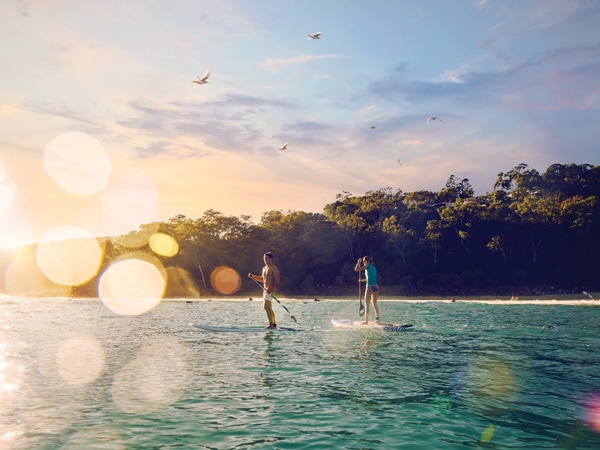
Tea Tree is also a popular surf spot, though it’s a 15-minute trek on foot through the national park.
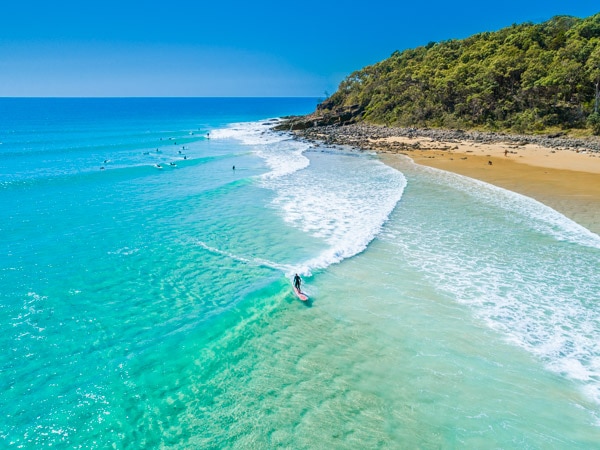
The break is the first bay as you walk around the Noosa Coastal Walk. Again, only experienced surfers need to apply when there’s swell hitting the coastline.
Weekly travel news, experiences
insider tips, offers, and more.
Swimming in Noosa National Park
While there are plenty of waterways to explore, there are no patrolled beaches within Noosa National Park so swimming is not generally recommended.
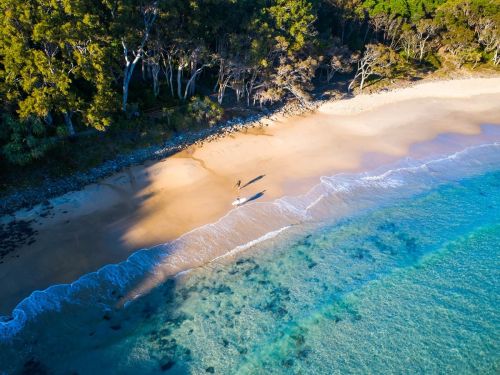
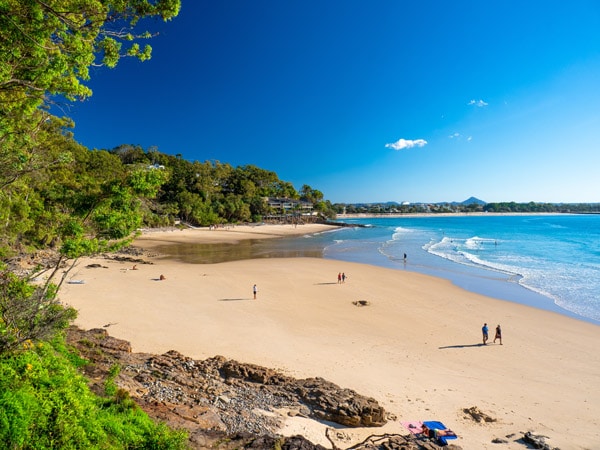
However, confident swimmers can’t miss Little Cove, located on the outskirts of Noosa National Park and just around the corner from Noosa Main Beach, because it’s one of the prettiest beaches in the region and overlooks Laguna Bay.
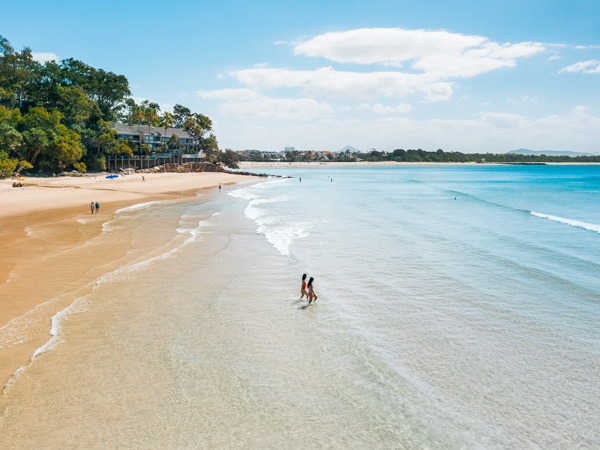
Picnic in paradise at the serene spot which is just 100 metres long and popular with families who trolley in with their snorkels, boogie boards, kayaks, and beach toys. Enjoy a dip and then wander down Noosa’s main street to find a stellar feed at one of the town’s top spots to nosh.
Natural wonders near Noosa National Park
Noosa River
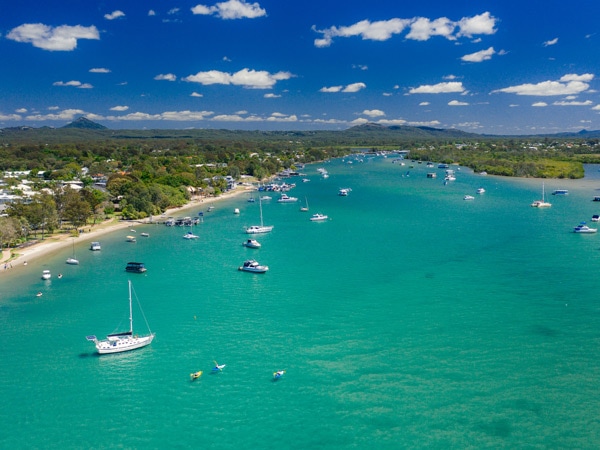
You can swim, surf, SUP, kayak, kitesurf, fish, and jet ski along the Noosa River, which is about a 15-minute drive from Noosa National Park. Families enjoy swimming in the waterway, which flows south from the Great Sandy National Park into Laguna Bay. The river foreshore is also perfect for picnics and has free BBQs dotted along its banks. The river winds its way to Noosaville, which is another laidback Sunshine Coast holiday spot.
Noosa Everglades
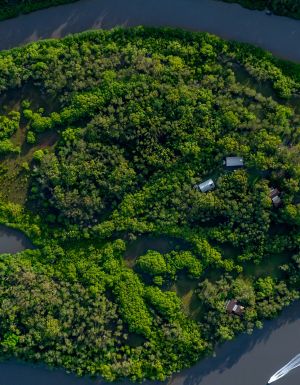
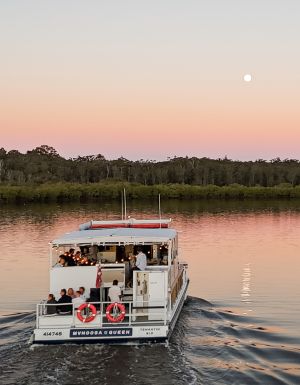
Known as the ‘River of Mirrors’ due to the still, glassy surface that reflects its electric-green surrounds, the Noosa Everglades – one of only two such systems on Earth – is in the upper reaches of the Noosa River.
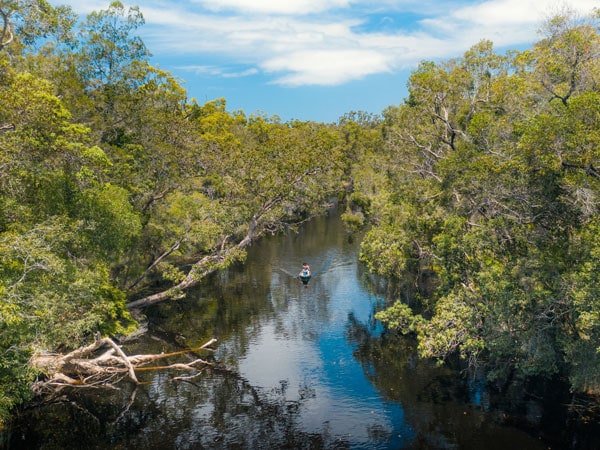
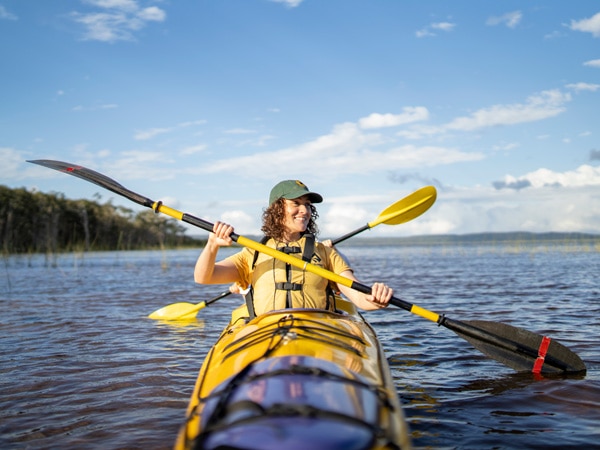
Hire a canoe and navigate your way into ‘the Narrows’, embark on a guided kayak tour, enjoy a birdwatching expedition or enjoy a swim in the Everglades.
Harry’s Hut
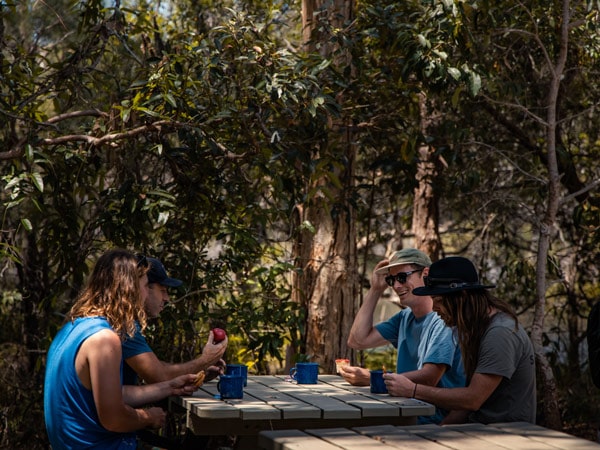
Located at the Cooloola Recreation Area in Great Sandy National Park, Harry’s Hut is a much-adored local attraction only accessible by high-clearance 4WDs. The track pinballs through pine plantations, scribbly gum woodlands and cool rainforest in the upper reaches of the Noosa River. The 10-kilometre road ends at a camping ground near the old timber getters hut that dates to the mid-1900s. Enjoy a swim in this next-level location.
Where to stay to access Noosa National Park
Camping within the park itself is banned, but there is one accommodation option. Eh Frame is a Mid Century-inspired A Frame Canadian-style log cabin named after the short phrase Canadians are stereotyped for ending their sentences with. The two-bedroom holiday rental is a tight fit, but it still comes complete with a washing machine, a fully equipped kitchen, and a closet for extra storage so families will feel right at home.
Otherwise, there are great sites around Noosa National Park if you’re dreaming of sleeping under the stars. Cooloola Recreation Area in Great Sandy National Park, about two hours north of Noosa National Park, offers extensive facilities while Burrum National Park, another hour north, is another camp-friendly winner.
But the most convenient areas to set up digs and explore Noosa National Park are Noosa, Coolum and Peregian, as each is located within walking distance from the park’s highlights. Our round-up of the region’s best places to stay will offer some great insight, as will our pick of the best holiday rentals in Noosa.
Want to see more stories from Australian Traveller in your Google search results?
- Click here to set Australian Traveller as a preferred source.
- Tick the box next to "Australian Traveller". That's it.