The forces of nature have been hard at work on the Limestone Coast, South Australia: and the result is an extraordinary region packed with geological – and delicious – treasures.
If you grew up in Australia and you had a swimming pool in your backyard, chances are you were a pretty popular kid, especially come summertime. Ben Kilsby knows the feeling, although the appeal of his childhood home was a less traditional swimming pool and more cavernous sinkhole.
Ben grew up on a sheep property about 10 minutes from Mount Gambier on South Australia’s Limestone Coast. His brother Graham runs the farm, the fourth-generation Kilsby to do so; but he is the first to turn the ‘backyard pool’ into a tourist attraction.
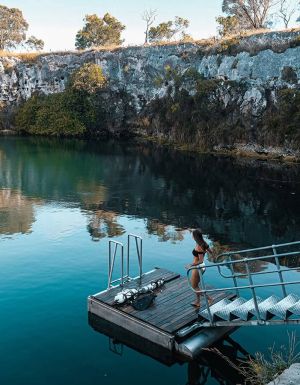
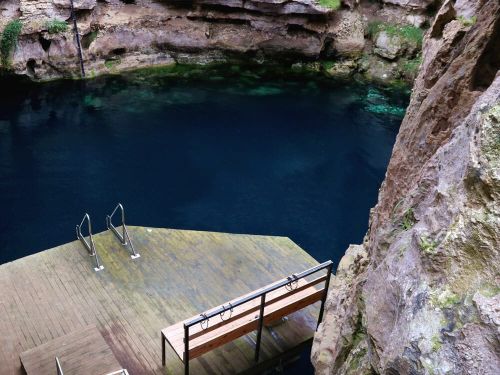
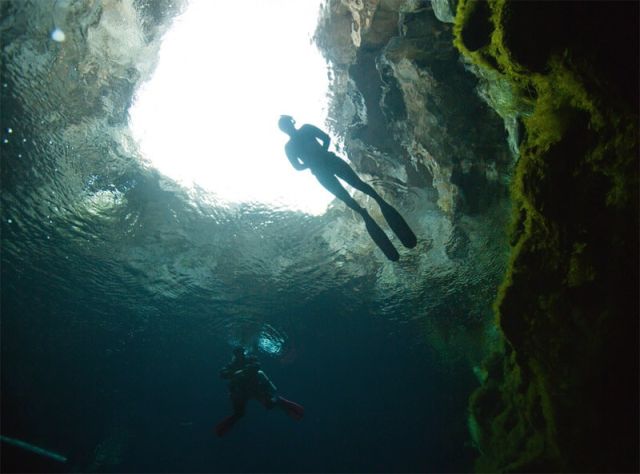
A 65-metre-deep limestone cavity, Kilsby Sinkhole is a jaw-dropping testament to nature’s mysterious and mesmerising ways. It is also a world-renowned dive site, with snorkellers, freedivers and open water-certified scuba divers invited to experience what lies beneath.
Otherworldly adventures
What they find is otherworldly. Caves lead to nooks lead to crannies and, all the while, impossibly clear water makes for breathtaking visibility. The drama only intensifies on a sunny day when beams of light pierce the water’s surface.
It is the region’s namesake that does it. A subterranean labyrinth of sinkholes, tunnels and caves has been created over millennia by the slow drip of rainwater filtering through porous limestone.
Although he spent plenty of time around the sinkhole as a kid, Ben admits he took the site for granted growing up, being wowed by the reactions of outsiders rather than the anomaly itself. But when divers started describing the limestone-filtered water as “clear as gin", the cogs started turning.
Crisp and clear, Sinkhole Gin epitomises the region. It was launched 2019 following a successful crowd-funding campaign and has since found fans and stockists across the country. As well as the water, the gin’s hero ingredient is the muntrie berry, which grows wild on small creepers along the South Australian coastline. Lemon myrtle, finger lime, strawberry gum and local honey are also in the mix.
“It needed to speak of this region and to be able to celebrate what makes it unique and different," says Ben, who created Sinkhole Gin together with Graham and two mates.
“This pristine environment that we take for granted is coming through, in terms of the quality of the products."
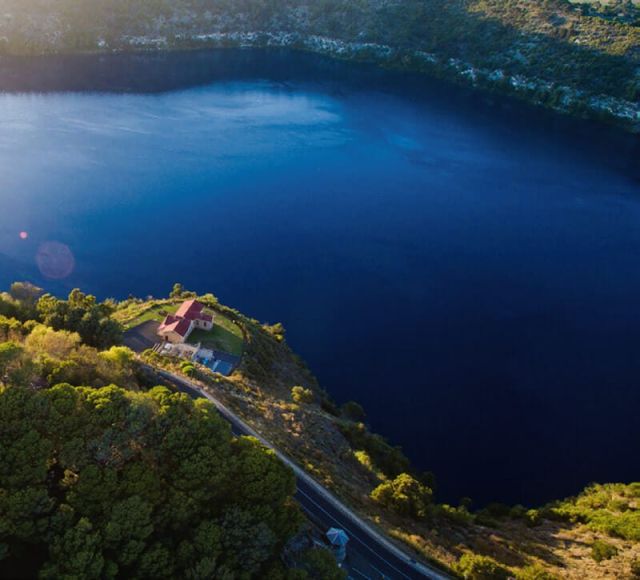
Locals may take it for granted, but visitors are increasingly drawn to the Limestone Coast’s pristine environment. Sunken treasures aside, the region is home to incredible coastline, sparkling lakes, and the bold terra rossa soils that give rise to the Coonawarra’s famous cabernet sauvignons.
I have just a few days to explore, so I’m particularly grateful to be hosted by Coonawarra Experiences’ Simon Mears. He is a wealth of local knowledge, although not originally a local at all. Simon and his wife, Kerry, moved from Melbourne to Penola in 2017 and started their business later the same year. The quiet life appealed but foregoing the gastronomic delights to which they had become accustomed did not.
Need tips, more detail or itinerary ideas tailored to you? Ask AT.
AI Prompt
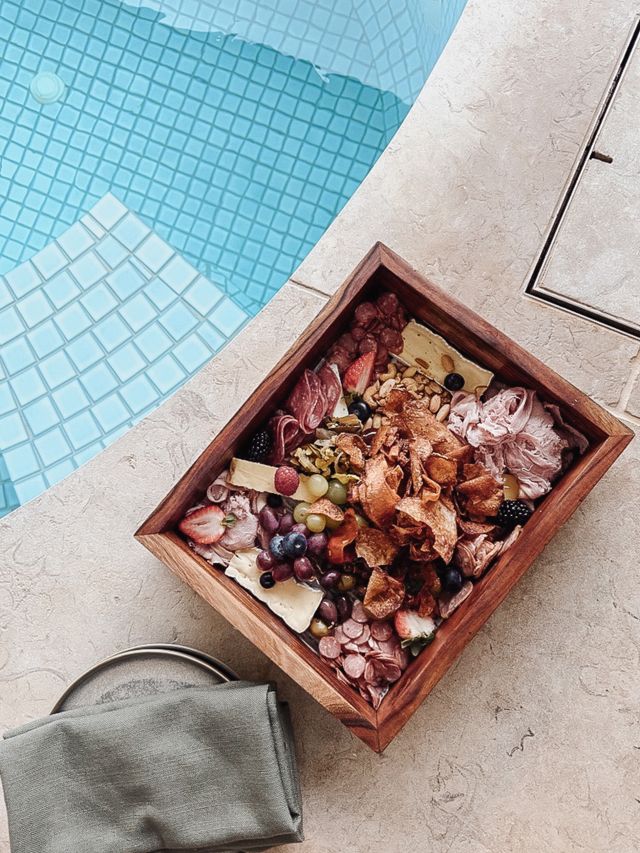
Culinary Delights
An appreciation for a simple yet flavourful life becomes a reoccurring theme during my Limestone Coast adventures. Paul Stone, head chef at Coonawarra’s Fodder restaurant, runs one of the most popular kitchens in town, yet he shuts up shop after lunch service so he can reap the rewards of the school run. Unheard of in a capital city; not given a second thought here. Stone also happens to grow the best tomatoes in the region, as per last summer’s Coonawarra and District Tomato Competition.
British-born chef Ian Perry, meanwhile, landed on the Limestone Coast in 2003 via Michelin-starred restaurants, as well as the Park Hyatt Melbourne and even Buckingham Palace. “Clear night skies and fresh air", along with exceptional produce – the region is famed for its lobster and Wagyu, and that’s just the beginning – has helped keep his feet firmly planted in Penola ever since.
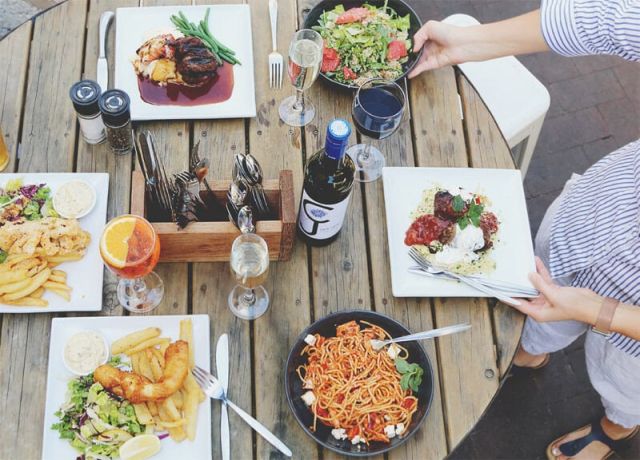
I am lucky enough to savour Perry’s royal talents at Table of Twelve, an indulgent six-course dinner held in the rustic surrounds of Bellwether Wines’ shearing shed turned cellar door. Director and winemaker Sue Bell joins us for the evening and the conversation is as rich as Perry’s melt-in-your-mouth lamb, covering all the taboo subjects – religion, money, politics – with a little help, no doubt, from the matching wines.
Coonawarra is synonymous with cabernet sauvignon. The region’s terroir and free-draining limestone work in harmony with a long, cool ripening season to deliver rich, firmly structured reds. Often overlooked, Coonawarra’s whites, particularly riesling and chardonnay, also relish the cool climate and are worthy of praise.
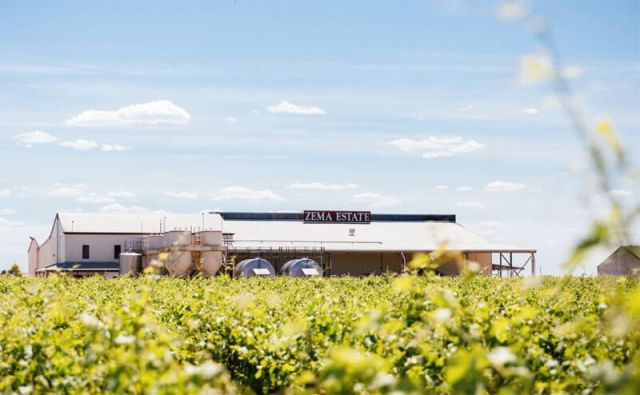
Measuring about 20 kilometres by two kilometres, the Coonawarra wine region is small, but nevertheless home to more than 20 cellar doors including recognisable names such as Wynns Coonawarra Estate, St Hugo, DiGiorgio Family Wines, Katnook Estate and Zema Estate.
At the other end of the scale, The Blok Coonawarra is one of the region’s smallest wineries, which is just the way Luke Trotter likes it. When opportunity knocked in 2005, he purchased the winery with his wife, Bec, and parents, Gary and Ann.
“We spent a lot of time in cellar doors and thought, in the long run, [a winery] would be a great place to work." An aeronautical engineer by trade, Luke took a little time to warm to the Limestone Coast when he moved to Mount Gambier as a teenager, but he soon found his tribe; his tribe, in turn, helped him discover the myriad natural wonders of his new hometown. A genuine appreciation for man-made wonders – or at least one in particular – came a few years later while at university in Sydney.
“That’s where the love of Coonawarra kept evolving," Luke explains. “Each holiday I would come home [and] instead of bringing suitcases back … I’d come home with a backpack and take one or two cases of wine back to college each term.
“Yeah, [it made me] popular, but I was proud of the region. Coonawarra wines have long punched well above their weight," he says.
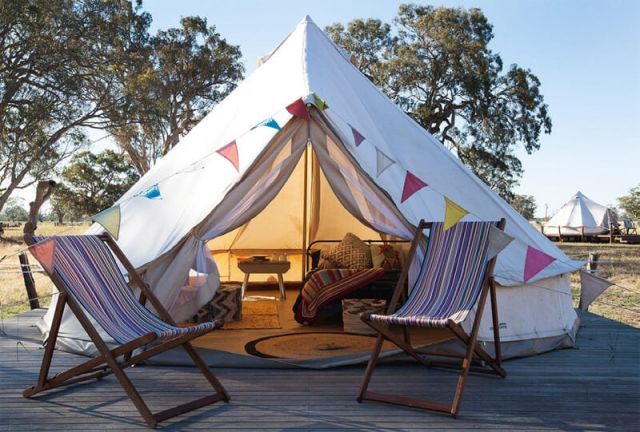
When we pull up to The Blok’s quaint cellar door, the ivy-covered roof bursting with autumnal colour, Luke is elbow-deep in the crushed grapes of a project wine, while his young daughter dances among the vines. It is a different experience entirely to that at Rymill Coonawarra, where regimented plane trees and a duelling-steeds statue – as per the logo – make for a regal entrance.
The warehouse of stainless-steel tanks reveals a state-of-the-art operation, although it’s not all high tech these days.
General manager and winemaker Shannon Sutherland is just as proud to showcase The Alternates, a five-wine series he worked on during his first vintage at Rymill in 2018. As well as highlighting some left-of-field grapes, including petit verdot and sagrantino, Shannon experimented with innovative and sustainable techniques.
Less is More, for example, is a shiraz made without electrical equipment (hand-picked, foot-crushed, gravity-racked … and all that jazz) while another shiraz – Waste Not, Want Not – is fermented with roasted grape stalks, hence its moniker. All five are fun and easy drinking, and apparently easy buying. I am quick to arrange 12 bottles to be delivered to my front door.
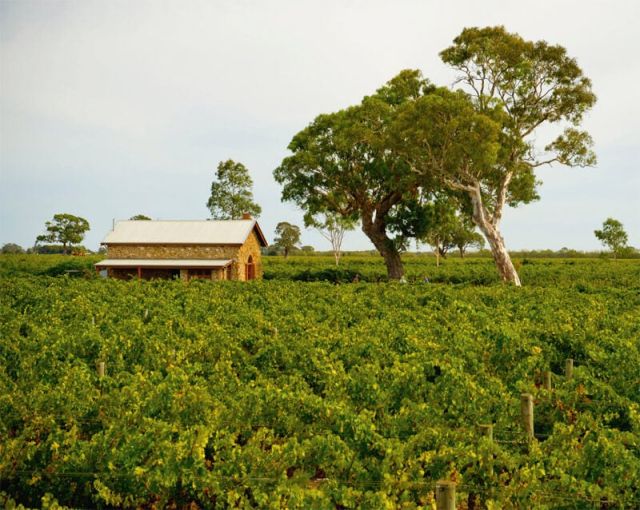
The hypnotic sight of rolling vineyards sees us out of town and, in just over an hour, we are on the coast, getting acquainted with the picturesque seaside town of Robe. It’s quiet, and with a population of barely more than 1000, that’s no surprise. In summer, Robe’s seams are challenged as sun-seeking, ocean-loving holidaymakers stride in.
No sun today, though. Instead, strong winds whip up an angry sea under a grey and ominous sky, and the drama is befitting of this rocky coastline. Watching Mother Nature’s powers at work, in a place she has already worked so tirelessly, seems an entirely apt use of time.
Weekly travel news, experiences
insider tips, offers, and more.
For more information on the Limestone Coast, visit our South Australia hub for travel inspo.
Want to see more stories from Australian Traveller in your Google search results?
- Click here to set Australian Traveller as a preferred source.
- Tick the box next to "Australian Traveller". That's it.