Unique places to go in NSW you’ve never heard of

hero media
If you’re in search of a holiday without the crowds, consider these lesser-known gems of NSW.

With so many beautiful beaches, world-renowned wine regions, charming country towns, boundless snowfields and the state’s magnificent outback hogging the spotlight in NSW you could be forgiven for thinking there is nowhere left to discover. But if you break away from the caravan convoy you’ll find a range of fascinating places that even the most seasoned traveller hasn’t heard of. Here are our picks.

Jugiong

Why should you visit?

It’s primed to become the state’s newest foodie hotspot.


Sydneysiders who can sniff out a trend are driving 300 kilometres away to the country town of Jugiong on the banks of the Murrumbidgee River, just to eat lunch at the swanky Sir George Pub.
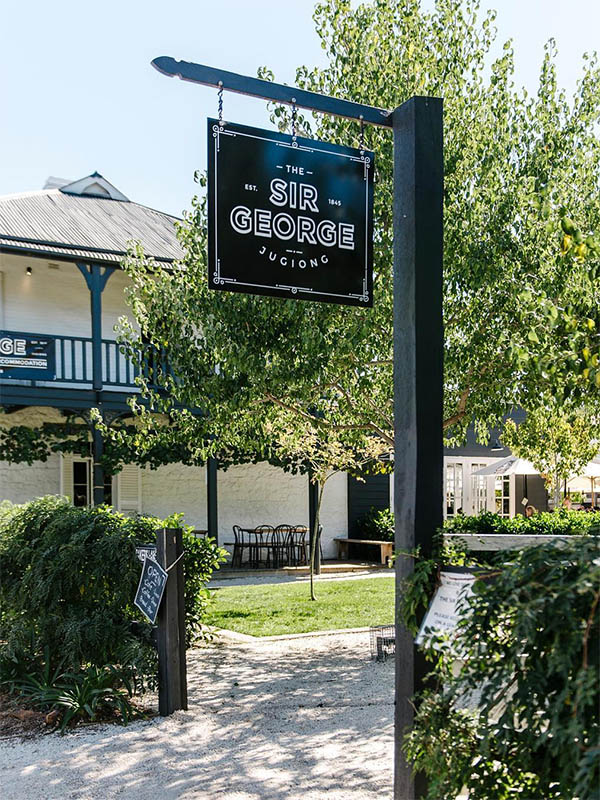
Grounds at the Sir George Jugiong
Grounds at the Sir George Jugiong.

After two years’ worth of renovations, the pub (which was built in 1852 and had been in the same family for 165 years before the handover) reopened, and the reimagined venue now houses a restaurant, sourdough bakery and beer garden. Heritage-listed accommodation (even older than the pub — dating back to 1845) is attached for those eager to rest their head among history.


Add to this The Long Track Pantry, the award-winning store, cafe and cooking school next door; and the Curators Collective, a fashion, homewares and furniture store located just above the pub; and we’re sensing a hint of Merivale vibes in the Hilltops Region of NSW, especially with its convenient position just off the Hume Highway.
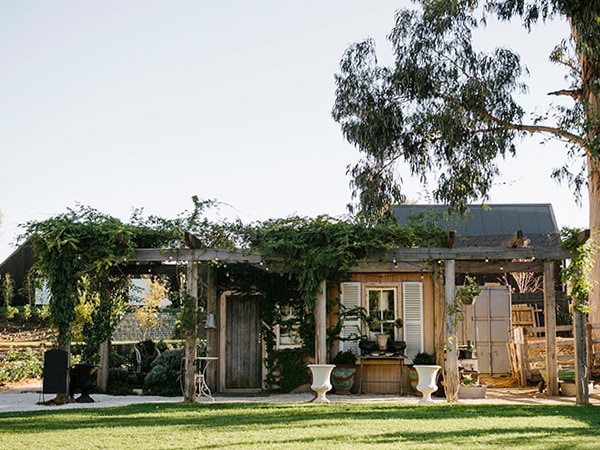
 Potting Shed Jugiong
Housed on the property, the beautifully picturesque Potting Shed sells gifts for the gardener.

Mungo National Park

Why should you visit?

For the otherworldly beauty of the landscape and fascinating ancient history.


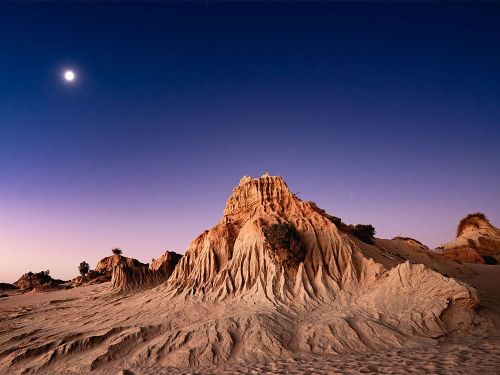
Mungo National Park, located within the Willandra Lakes Region (a World Heritage area in far Outback NSW), provides a tantalising glimpse into the earliest years of white settlement in Australia – and, importantly, even further back to the beginning of the Paakantji, Ngiyampaa and Mutthi Mutthi peoples heritage. The park’s cultural legacy paints a vivid picture of Australian Ice Age environments, and the people who lived and died during those ancient times.


It’s an eerie place, but a fabulous one in which to dream of the first civilisations to occupy this country. In fact, the park is home to Mungo Lady and Mungo Man, who both date back 42,000 years and are considered to be the oldest human remains found outside of Africa.


If you make the trip with lake-clad fantasies in mind, you’ll certainly be left a little confused. Having long since dried up, the once 135-square-kilometre stretch of water is believed to have evaporated some 10,000 – 15,000 years ago. Instead, guided walks with NSW National Parks and Wildlife Indigenous rangers can be arranged at the Mungo Visitor Centre  (July through October).
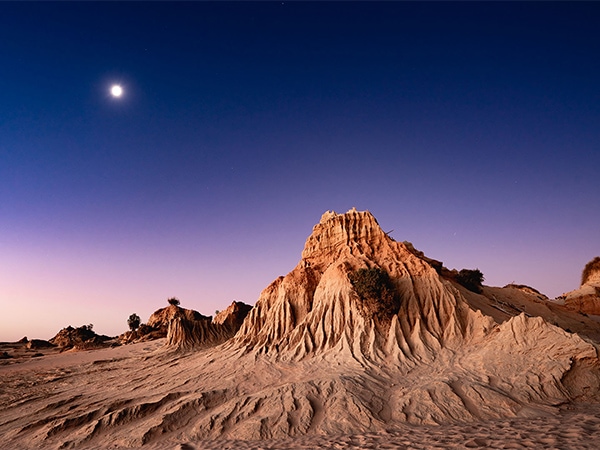
Mungo National Park at sunset
Lake Mungo mesmerises visitors with its otherworldly beauty. (Image: Mildura Regional Development)

Bungonia National Park

Why should you visit?

To immerse yourself in nature, get your adrenalin pumping and feel refreshed.


You don’t need to drive far from civilisation to find a pristine national park in NSW. Just a 2.5-hour drive southwest of Sydney or 1.5 hours from Canberra lies Bungonia National Park, also known as the adventure capital of the NSW Southern Tablelands and the Country of the Njunawal people.


This mini-Eden can be explored in myriad intrepid ways. On-foot is an obvious one; find over 10 hiking, walking and lookout trails on offer for visitors. A popular walk is the 6.7-kilometre Green Track  (allow 2.5 to 3.5 hours to complete the loop). Multi-day guided adventure treks  are also available.


Thrilling opportunists can also abseil, rock climb, go canyoning or caving in Bungonia. Many of the caves are steep and precipitous and should only be explored by well-equipped and experienced cavers.


Before you head out, read up on safety during adventure sports  in NSW national parks.
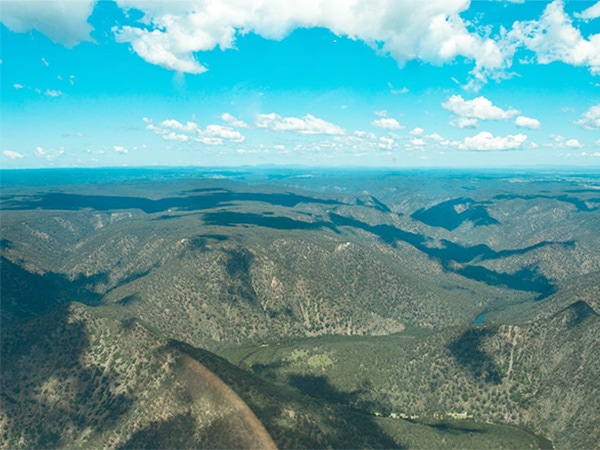
Bungonia National Park
Bungonia National Park is an outdoor adventure playground.

White Cliffs

Why should you visit?

To dig for opals and experience a night sleeping underground.


Often mentioned in the same breath as her more famous South Australian cousin in Coober Pedy, White Cliffs also lays claim to a slice of Australia’s underground. Located in the Central Darling Shire, the town is around 255 kilometres northeast of Broken Hill and 93 kilometres north of Wilcannia.
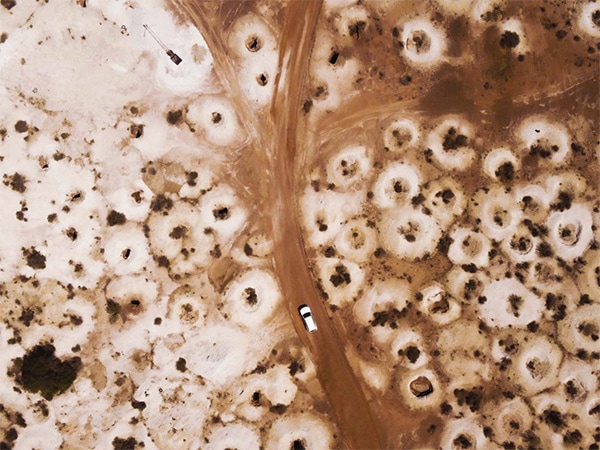
White Cliffs from above
Drive through the beauty of White Cliffs

Ever since kangaroo shooters stumbled across the precious white opal here, a tight community of quirky dreamers have called this deserted town home. We’re not sure how often they see each other, however, with an estimated two-thirds of the 100 or so residents living underground to escape the lunar-level extremes.


While you’re in town, go underground into a working mine with the Red Earth Opal Mine Tour  and try your hand at uncovering a glittering gem. And you can’t go past a stay at the Underground Motel, with its rabbit warren of ever-expanding dugouts that will have little ones running amok for hours.
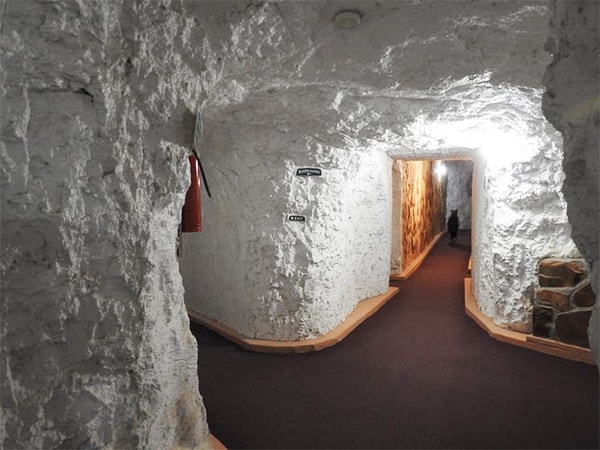
White Cliffs Underground Motel
White Cliffs Underground Motel is a huge complex with 40 underground rooms.

Brewarrina

Why should you visit?

To learn about one of the oldest human-made structures on Earth.


Brewarrina Fish Traps, on the banks of the Barwon River in northwest NSW, are among the oldest human-made structures on Earth – and we bet you’ve never even heard of them.


Forty-thousand years is a long time to be sitting in the same riverbed, but the engineering prowess of early indigenous Australians is evident from the Brewarrina Fish Traps, a system of stone weirs and pools that are still intact all these years later.


The fish traps are about half a kilometre long and were devised to catch fish as they swam upstream. They once served as a major meeting place for the region’s First Peoples and were added to the Australian heritage list back in 2005.


They’re a remarkable example of ancient innovation, and exploiting the natural landscape to one’s advantage – in an entirely environmentally-friendly way. Head up to the museum to learn more.
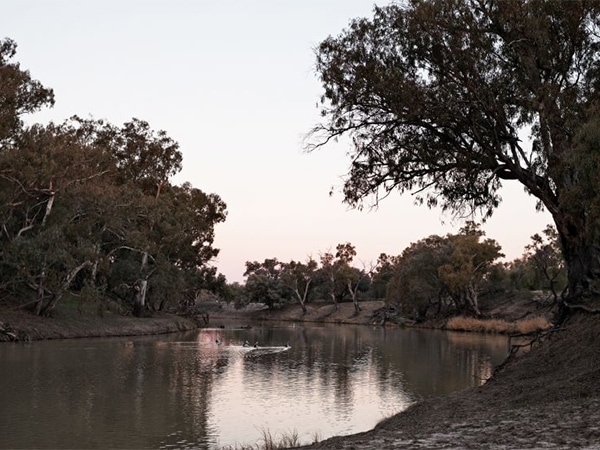
Brewarrina’s beauty.

Cameron Corner

Why should you visit?

To see how big the world’s biggest fence really is.


Eager to catch a glimpse of the biggest fence in the world? That may just seem like just another “biggest" claim, but to give you a feel for just how big we’re talking, consider this: drive from Melbourne to Sydney and back. You’re not even close. Now drive to Perth. You’ve almost driven as long as this fence stretches. (You’ve driven 5133 kilometres. Only 187 kilometres to go.)


Playing an important role in Australia’s agricultural development, and well-known by its cinematic adage, the ‘Rabbit Proof Fence’ has kept sheep safe from dingoes since its erection in 1901. The fence explains why you don’t really see many dingoes across Australia’s southeast – except the pure breeds on K’gari, of course.


The best place to see and feel the scope of it is out at Cameron Corner, at the intersection of SA, Qld and NSW. Here the fence is “one chain" (22 yards, or exactly one cricket pitch) from the post that marks the meeting point of the three states.
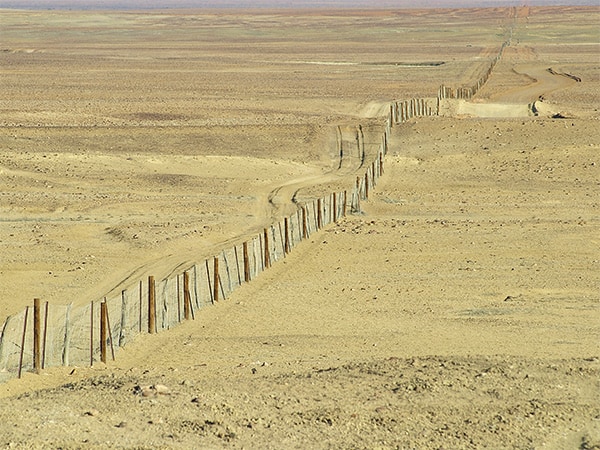
The 1.8m high fence traces a crooked line from Jimbour in Queensland’s south-east to the Great Australian Bight.
Want to discover more of NSW? Read to our ultimate holiday guide to NSW here.
hero media

7 great day trips from your Coffs Coast homebase

Make this dazzling stretch of beaches and natural wonders your home base for a grand adventure

Whether you’re setting out solo, bringing a mate, or packing in the whole family, no road trip along Australia’s East Coast is complete without at least a few days spent exploring the Coffs Coast. A stunning stretch of NSW coastline nestled between ancient high-elevation rainforests and magnificent, undiscovered beaches, Coffs offers amazing biodiversity, stunning natural beauty, and heaps of local charm, without the crowds. Pull up in Coffs Harbour , your perfect home base for these unforgettable day-trips.

1. Southern Beaches

The Coffs region boasts 30 of Australia’s most beautiful, unspoiled beaches, directly abutting a dramatic tableau of mountains and rainforests. Drive South of Coffs Harbour to find up-and-coming surf destinations where it’s still possible to catch an empty wave. First up is the picturesque Sawtell village . Wander the famous fig-tree-lined main street packed with laid-back places to eat and drink. Enjoy panoramic views and seasonal whale sightings at Bonville Headland on the Southern end of the beach.

Nearby Bongil Bongil National Park boasts seven kilometres of empty beach, along with hiking and cycling trails through beachfront rainforests – keep an eye out for koalas living in the trees. Boambee Beach and Boambee Creek Reserve are great for families, with shallow waters perfect for kayaking and SUPing, plus an off-leash dog beach.

family eating lunch in sawtell
Experience small-town charm in Sawtell.

2. Orara Valley Tourist Trail

The Orara Valley Tourist Trail has it all: hinterland bushwalks, birdwatching, horse riding, pristine swimming holes and rolling green pastures dotted with dairy farms and historic villages. And it’s only 15 minutes west of Coffs Harbour.

Sample produce at a roadside stall, stop into Coramba Hotel for a quintessential country pub lunch, or try the Idle in Cafe in Nana Glen for coffee and scones. Then spend the afternoon kayaking the Orara River or mountain biking on Mt Coramba. If you’re feeling adventurous, follow the 4WD touring route along the Orara Escarpment in Bindarri National Park , a rugged landscape with dazzling views that winds through untouched eucalypt rainforests and waterfalls.

A family sitting by the Orara Valley Tourist Trail.
Explore the green heart of Coffs.

3. Dorrigo National Park

Enjoy a classic day trip from Coffs to forest bathe in some of the oldest subtropical rainforests in the world at Dorrigo National Park, part of the World Heritage-listed Gondwana Rainforests. These million-year-old ecosystems promise rare bird sightings, towering strangler figs, and epic walking tracks and picnic spots. Try the 6.6 km Wonga Walk to experience dreamy Crystal Shower Falls (where you can walk behind the falls) and the Skywalk Lookout, which offers spectacular views of the valley and coast. Then stop in Dorrigo town for a homey lunch. It’s worth noting that a section of the road between Ulong and Dorrigo – which dates to the 1880s – is unsealed, adding to the area’s end-of-the-earth allure but making travel difficult in adverse weather conditions. Alternatively, head to Dorrigo via the delightful township of Bellingen .

Three people standing at the SkyWalk lookout.
Wander the Skywalk.

4. Northern Beaches

For another tranquil expanse of sun, sand and surf breaks, head north to Woolgoolga (Tourism Australia’s Best Mainland Beach for 2025. Taste the coffee and local-produce breakfast at one of several cafes, then spot whales during their migration season along the Woolgoolga Whale Trail to the headland. Emerald Beach offers clear blue waters and another headland walk, perfect for taking in views of South Solitary Island, a dramatically rocky-cliffed island with a historic lighthouse. Red Rock, some 40km north of Coffs and named for its striking coastal rock formations, boasts a gorgeous estuary reserve that’s perfect for languorous days spent picnicking, swimming, fishing, and connecting with the relaxed local pace.

Freshly caught seafood by the beach, with sparkling ocean views.
Enjoy fresh seafood overlooking Woolgoolga Beach.

5. Jetty precinct

You could easily spend a whole day exploring the Jetty precinct – from its foreshores to the marina to Muttonbird Island. Start with fresh fish and chips from local institution Coffs Harbour Fisherman’s Co-op , before browsing the popular Harbourside Markets held every Sunday on the foreshores.

Take a scenic walk along the breakwall to Muttonbird Island , a cultural and ecological treasure with panoramic views and rich Gumbaynggirr heritage. The Giidany Miirlarl Education Space shares the island’s ancient stories, or join a guided moonlight tour to see the seasonal return of the muttonbirds.

Back at the Jetty Strip, find a buzzing mix of cafes, bars and restaurants with cuisines from around the world, open from morning until late. Don’t miss The Jetty Pavilion , a favourite for its unique menu blending modern Australian cuisine with vibrant world flavours.

walk to muttonbird island from coffs harbour
Walk the path where land meets sea and sky.

6. Grafton

Head inland from mid-October to early November to catch Grafton’s jacaranda season, when the town’s streets and parks are covered in purple. Even better, time your trip between 24 October and 2 November to attend the famous Jacaranda Festival, with special food items, performances and more. At any time of year, follow the self-guided Grafton Heritage Trail to discover the town’s historic buildings, landmarks and stories. Or get the blood pumping with a trip along the longest mapped white-water trail in Australia – the Clarence Canoe and Kayak Trail. Book a tour with Exodus Adventures .

woman walking through jacaranda trees in grafton
Time your Grafton trip to see the jacarandas in full bloom. (Image: @myclarencevalley)

7. Nambucca

Just south of Coffs Harbour sits Nambucca, the ideal town for a relaxed, coastal day trip. Hire a canoe, kayak or boat to explore over 80 kilometres of waterways stretching from the hinterland to the ocean. For those who prefer to stay on dry land (or double up their adventure for the day), stretch your legs along the V-Wall – a scenic coastal walk along the Nambucca River – dotted with boulders painted by the community, sharing messages, art and local stories. Stop along the way to buy Sydney rock oysters direct from local farmers, or try your own hand at fishing. Before heading back to Coffs, refuel on fresh seafood and wood-fired pizzas at Matilda’s in Nambucca .

a boat zooming through Nambucca Heads
Explore Nambucca’s waterways. (Image: Seen Australia)

Visit coffscoast.com and download the Coffs Coast Explorer App for more daytrips and trails.