8 of the best restaurants on Phillip Island

hero media
Sate appetites piqued by the briny sea air at these eight restaurants, cafes and breweries on Phillip Island.

The food scene on Phillip Island has come a long way in the last decade. Once better known as a seaside playground for Melburnian families, the isle is beginning to court more foodie-orientated travellers, with options now available for all kinds of tastes. Whether you’re after a relaxed Italian meal with friends, a quick fish and chip dinner made with the freshest of seafood, or a wholesome vegan brekkie served in the sunshine, these eight eateries should cover most bases.

Here are eight of the best restaurants and places to eat on Phillip Island.

The shortlist

Best for seafood: San Remo Fisherman’s Co-op (SRFCO)
Best date spot: Anerie
Best views: Phillip Island Winery
Best for vegan/vegetarian: Island Whole Foods
Best for large groups: Pino’s Trattoria

1. Pino’s Trattoria
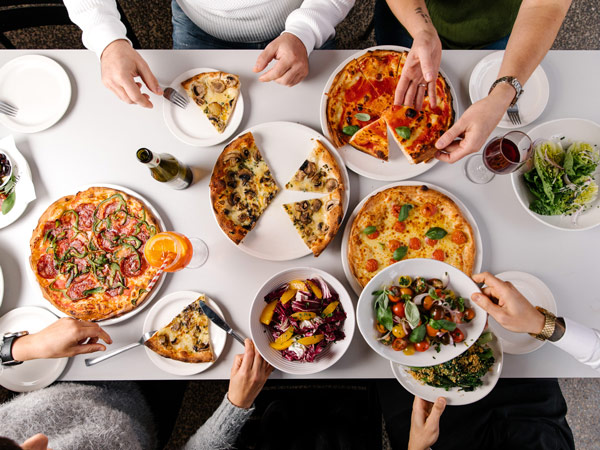
pizzas and pastas on the table at Pino's Trattoria, Phillip Island
Dig into cheesy pizzas and hearty pasta at Pino’s Trattoria. (Image: Supplied)

This Phillip Island stalwart has been pleasing islander’s palettes since 1991 with its line-up of hearty classic Italian dishes. Start off slow with a few antipasti – maybe some focaccia, some house-marinated olives and a slice of bruschetta – before moving onto the secondi (we’re talking locally sourced steaks, pizzas, and classic Roman dish saltimbocca). And don’t forget to leave space for a wodge of tiramisu, or a scoop of gelato from the cart.

There’s a relaxed atmosphere at Pino’s that’s perfect for groups, or families with kids – perhaps it’s because the restaurant’s original owners, the Scarlato family, are still very much involved with the running of the business. While away a summer’s evening in the restaurant’s alfresco ‘piazza’ with an Aperol spritz in hand, or cosy up with a glass of chianti in the restaurant’s cavernous interior come winter.

Cuisine: Italian

Average Price: $$$

Atmosphere: Convivial

Review: 4/5

Location: 29-31 Thompson Avenue, Cowes

2. San Remo Fisherman’s Co-op (SRFCO)
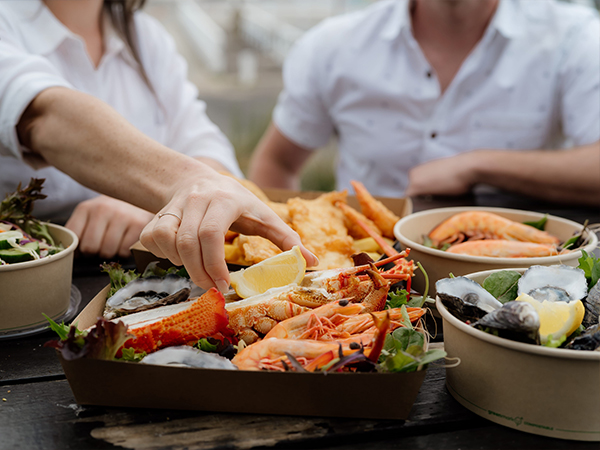
Seafood at San Remo Fisherman's Co-op on Phillip Island
Tuck into fresh seafood. (Image: Visit Victoria)

It’s a hotly contested subject on Phillip Island, but most locals will just about agree that San Remo Fisherman’s Co-op is the place to go for your Friday night fish and chips. It’s not strictly on the island (San Remo is a tiny town just over the other side of the bridge) but it’s only a short drive away and it fries and grills some of the freshest fish that you’ll find without donning waders yourself.

Going strong since 1948, the SRFCO has its own fleet of fishing and lobster vessels. Devour thick, juicy battered flake (the co-op’s fish of choice), made to order with some chunky chips, and perhaps dabble in a few extras too (think crumbed calamari, potato cakes, dim sim, and battered scallops to boot). The building is located right next to the San Remo Jetty, so you can enjoy a side serve of beautiful views too, whether you’re dining inside, or eating outside on the lawn.

Cuisine: Fish and chips

Average Price: $

Atmosphere: Convivial

Review: 4/5

Location: 170 Marine Parade, San Remo

3. G’Day Tiger
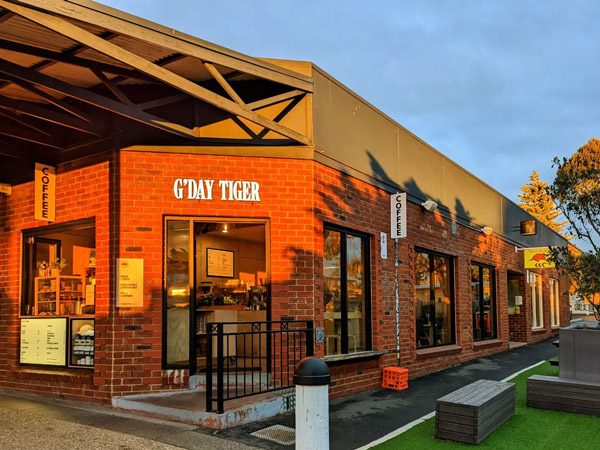
the exterior of G’Day Tiger on Phillip Island
G’Day Tiger is known for its sensational sandwiches. (Image: G’Day Tiger)

Indulgent toasted sandwiches? Tick. Third-wave coffee from a La Marzocco Linea PB machine, made with speciality roaster Seven Seeds’ beans? Tick. Slick Melbourne-esque interiors, all exposed brick, plywood panelling and concrete benchtops? Tick. G’Day Tiger is a one-stop shop for all your caffeine and brunch needs. Made with thick-cut bread, housing a plentiful supply of cheese, and anointed with buttery goodness, the sangas here win rave reviews – might we suggest the Reuben, or the veggie-friendly Caponata, filled with eggplant, capsicum, tomato and chilli.

See also: the lovely little emporium that is The Store, in Ventnor.

Cuisine: Sandwiches

Average Price: $

Atmosphere: Casual

Review: 4.5/5

Location: 3/34 Thompson Avenue, Cowes

Need tips, more detail or itinerary ideas tailored to you? Ask AT.

AI Prompt

4. Ocean Reach Brewing
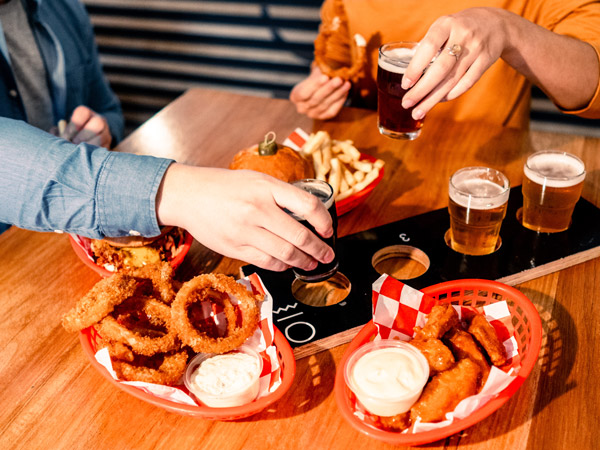
fried snacks and beer at Ocean Reach Brewing, Phillip Island
Enjoy hearty burgers along with your favourite brew. (Image: Visit Victoria)

Part taphouse, part burger bar, this independent outfit on Cowes’ main strip hits all the right spots. Pull up a pew (outside or in) and order a tasting paddle to find your favourite brew. There are four house beers to choose from – pale ale, IPA, porter, and lager – as well as a few rotating seasonal numbers, all made from locally sourced ingredients. The Ocean Reach food van is known for its burgers (hello southern fried chicken, and spicy cheeseburger topped with onion rings) but fried snacky bits buffalo wings and kids meals are also on offer.

Since its inception in 2016, the profile of this small craft brewery has mushroomed: its beers are now available through big retailers such as Dan Murphy’s, and its popularity has increased so much that production has now expanded to a second location, also in Cowes. But through it all, the brewery has stayed true to its sustainable roots. All of Ocean Reach’s spent grain is shared with local farmers for livestock, and the brewery is solar-powered too.

Cuisine: Burgers

Average Price: $-$$

Atmosphere: Relaxed

Review: 4/5

Location: 3/34 Thompson Avenue, Cowes

5. Island Whole Foods
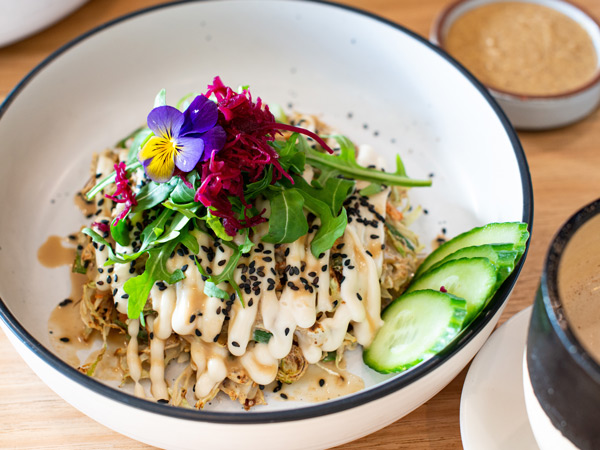
a plant-based breakfast at Island Whole Foods, Phillip Island
Island Whole Foods is a unique and innovative plant-based cafe. (Image: Visit Victoria)

Vegans, veggies and the health-conscious should make a beeline for Island Whole Foods: a plant-based cafe that’s also 100 per cent plastic-free. While its gluten-free buckwheat pancakes – topped with pure maple syrup, coconut ice cream and either bananas or berries – are a bit of a house signature, there’s plenty more on the breakfast and lunch menus to tempt even those who scoff at the thought of eating vegan food. There’s also a plethora of superfood smoothies and smoothie bowls on offer, plus house-made raw treats like peanut butter slices.

Cuisine: Plant-based cafe food

Average Price: $

Atmosphere: Chilled

Review: 4/5

Location: Unit 4/75 Chapel St, Cowes

6. Anerie

Perhaps the smartest option on the isle, Anerie brings a little Gallic chic to this otherwise low-key summer playground. You’ll find almost every classic French dish on the menu here: duck liver pate, cheese souffle, escargots, onion soup, moules frites, steak frites, duck confit, creme brulee, each thoughtfully presented.

Yet despite the chefs’ fine workmanship, you’ll find a cosy, inviting and lived-in feel at this little bistro; think decoupaged tables, velvet chairs, vintage napery and an eclectic mix of artworks lining the walls.

Note that Anerie is an adults-only restaurant.

Cuisine: French

Average Price: $$$$

Atmosphere: Cosy, inviting

Review: 4.5/5

Location: 12 Thompson Ave, Cowes

Weekly travel news, experiences
insider tips, offers, and more.

7. Kelp San Remo
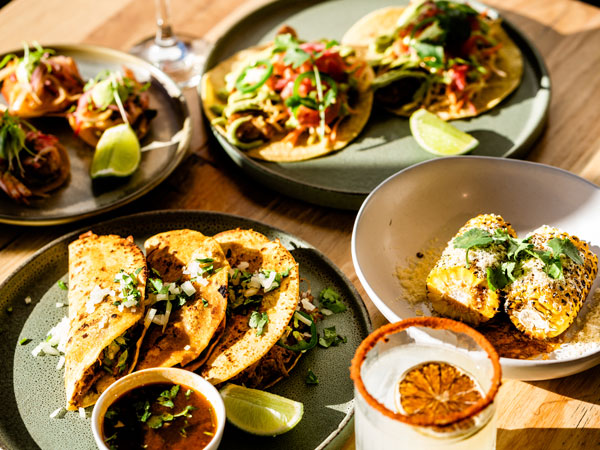
a close-up shot of Mexican food and drinks at Kelp San Remo
Pair your Mexican favourites with refreshing cocktails. (Image: Visit Victoria)

A cocktail bar first and foremost, Kelp has an array of inventive drinks to its name, perhaps chief among them the Kelp Collins (a refreshing blend of gin, lemon, and seaweed-infused soda water), and the Shaka Forever (a sharp and fragrant mix of elderflower, Chambord, lemon juice and sparkling grapefruit).

The menu runs the gamut from North America to South, featuring everything from your classic cheeseburger through to a kingfish ceviche with coconut and chilli oil, and pan-fried confit squid tostadas, as well as fusion dishes such as cauliflower tacos with buffalo sauce.

Expect a blend of influences in the design, where the laid-back charm of a beach shack and tiki bar meets sleek, modern lines and a polished finish.

Cuisine: Mexican/Burgers

Average Price: $$$

Atmosphere: Smart-casual

Review: 4/5

Location: 141 Marine Parade, San Remo

8. Phillip Island Winery
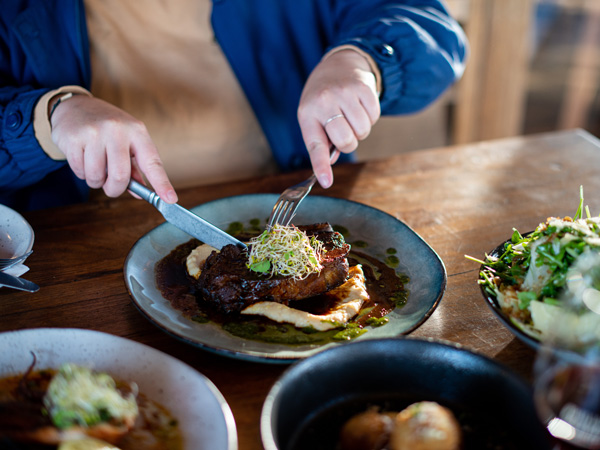
dining at Phillip Island Winery
You’ll be spoilt for choice with the seasonal menu at Phillip Island Winery. (Image: Visit Victoria)

This local winery promises the elusive holy trinity of dining out: great food, great views and great service. Located in the island’s south-west, just a three-minute drive from beautiful Berrys Beach, Phillip Island Winery is set on a rural plot of 14 acres. Gorge on the local greenery from the restaurant’s floor-to-ceiling windows, or pull up a pew on the expansive lawns, a glass of Fumé Blanc in hand as you drink in the sunset views.

The winery’s menu centres around pizzas with elaborate toppings (think mortadella with rosemary cream, pistachio and burrata), but there are plenty of other tempting mod Oz options bookending the menu, from tuna crudo with pickled chilli to a braised heirloom beetroot salad with a balsamic fig emulsion.

Kids and four-legged friends haven’t been neglected here, with menu options for both on offer. And the wines are no joke either; in the words of esteemed critic James Halliday, “the quality of the wines across the board make it clear that this is definitely not a tourist-trap cellar door".

Cuisine: Pizzas/mod Oz

Average Price: $$$

Atmosphere: Welcoming, relaxed

Review: 4.5/5

Location: 414 Berrys Beach Road, Ventnor

Discover the best things to do on Phillip Island.

Want to see more stories from Australian Traveller in your Google search results?

  1. Click here to set Australian Traveller as a preferred source.
  2. Tick the box next to "Australian Traveller". That's it.
Chloe Cann
Chloe Cann is an award-winning freelance travel and food writer, born in England, based in Melbourne and Roman by adoption. Since honing her skills at City St George's, University of London with a master's degree in journalism, she's been writing almost exclusively about travel for more than a decade, and has worked in-house at newspapers and travel magazines in London, Phnom Penh, Sydney and Melbourne. Through a mixture of work and pleasure, she's been fortunate enough to visit 80 countries to date, though there are many more that she is itching to reach. While the strength of a region's food scene tends to dictate the location of her next trip, she can be equally swayed by the promise of interesting landscapes and offbeat experiences. And with a small person now in tow, travel looks a little different these days, but it remains at the front of her mind.
View profile and articles
hero media

Inside Geelong’s glow-up from factory town to creative capital

    Chloe Cann Chloe Cann
    Abandoned mills and forgotten paper plants are finding second lives – and helping redefine a city long underestimated. 

    Just 15 years ago, Federal Mills was a very different place. Once among the most significant industrial sites in Victoria, the historic woollen mill was one of a dozen that operated in Geelong at the industry’s peak in the mid-20th century, helping the city earn its title as ‘wool centre of the world’. But by the 1960s global competition and the rise of synthetic fabrics led to the slow decline of the industry, and Federal Mills finally shuttered its doors in 2001. Within a few years, the abandoned North Geelong grounds had become makeshift pastoral land, with cows and goats grazing among the overgrown grass between the empty red-brick warehouses. It was a forgotten pocket of the city, all but two klicks from the bustle of the CBD.  

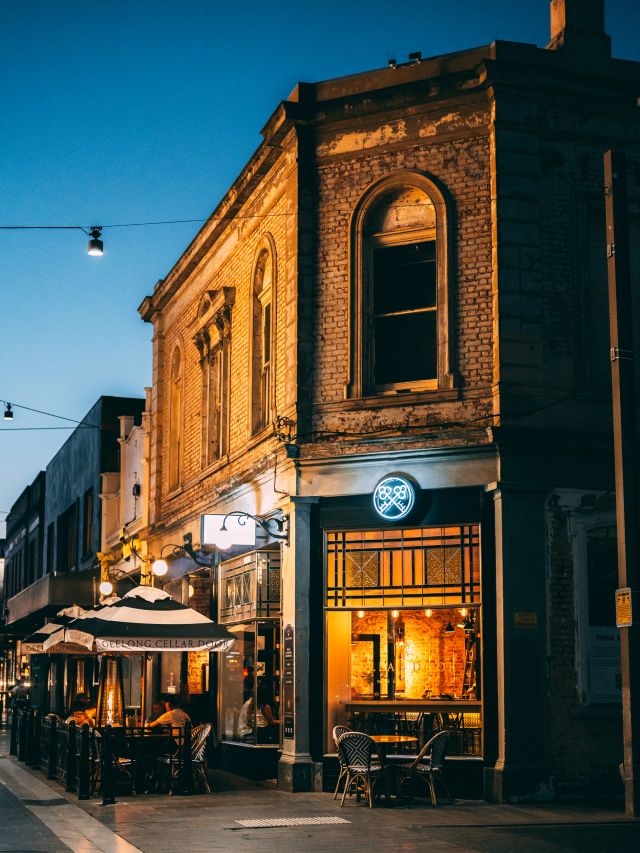
    Geelong cellar door wine bar
    Geelong has shed its industrial identity to become an innovative urban hub with reimagined heritage spaces. (Image: Ash Hughes)

    Federal Mills: from forgotten factory to creative precinct 

    Today, the century-old complex stands reborn. The distinctive sawtooth-roof buildings have been sensitively restored. An old silo is splashed with a bright floral mural, landscapers have transformed the grounds, and the precinct is once again alive with activity. More than 1000 people work across 50-plus businesses here. It’s so busy, in fact, that on a sunny Thursday morning in the thick of winter, it’s hard to find a car park. The high ceilings, open-plan design, and large multi-paned windows – revolutionary features for factories of their time – have again become a drawcard.  

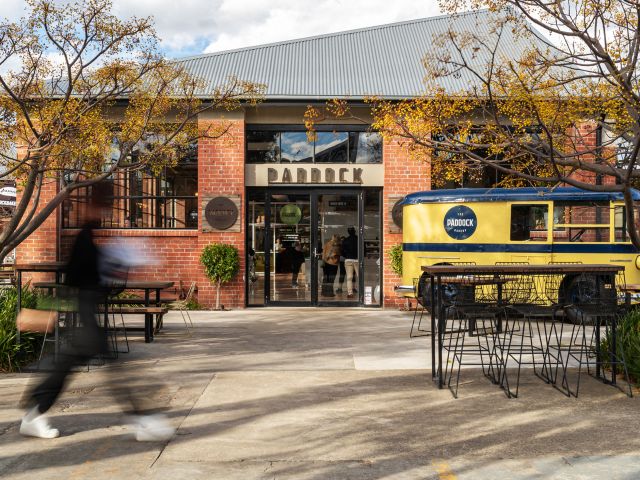
    Paddock Bakery andPatisserie
    Paddock Bakery and Patisserie is housed within the historic wool factory. (Image: Gallant Lee)

    At Paddock, one of the precinct’s newer tenants, weaving looms and dye vats have been replaced by a wood-fired brick oven and heavy-duty mixers. Open since April 2024, the bakery looks right at home here; the building’s industrial shell is softened by ivy climbing its steel frames, and sunlight streams through the tall windows. Outside, among the white cedar trees, families at picnic benches linger over dippy eggs and bagels, while white-collar workers pass in and out, single-origin coffee and crème brûlée doughnuts in hand. 

    Geelong: Australia’s only UNESCO City of Design 

    Paddock Bakery
    Paddock Bakery can be found at Federal Mills. (Image: Gallant Lee)

    “A lot of people are now seeing the merit of investing in Geelong,” says Paul Traynor, the head of Hamilton Hospitality Group, which redeveloped Federal Mills. A city once shunned as Sleepy Hollow, and spurned for its industrial, working-class roots and ‘rust belt’ image, Geelong has long since reclaimed its ‘Pivot City’ title, having reinvented itself as an affordable, lifestyle-driven satellite city, and a post-COVID migration hotspot.  

    And the numbers stand testament to the change. In March 2025, and for the first time in its history, Greater Geelong became Australia’s most popular regional town for internal migration, overtaking Queensland’s Sunshine Coast. Current forecasts suggest Geelong will continue to outpace many other Australian cities and towns, with jobs growing at double the rate of the population.

    Tourism is booming, too. The 2023-24 financial year was Geelong and The Bellarine region’s busiest on record, with 6.4 million visitors making it one of the fastest-growing destinations in the country. It’s not hard to see why: beyond the city’s prime positioning at the doorstep of the Great Ocean Road, Geelong’s tenacity and cultural ambition stands out.  

    As Australia’s only UNESCO City of Design, Geelong is swiftly shaking off its industrial past to become a model for urban renewal, innovation, sustainability and creative communities. The signs are everywhere, from the revitalisation of the city’s waterfront, and the landmark design of the Geelong Library and Heritage Centre and Geelong Arts Centre, to the growing network of local designers, architects and artists, and the burgeoning roster of festivals and events. That’s not even mentioning the adaptive reuse of storied old industrial buildings – from Federal Mills, to Little Creatures’ brewery ‘village’ housed within a 1920s textile mill – or the city’s flourishing food and wine scene.  

    The rise of a food and wine destination  

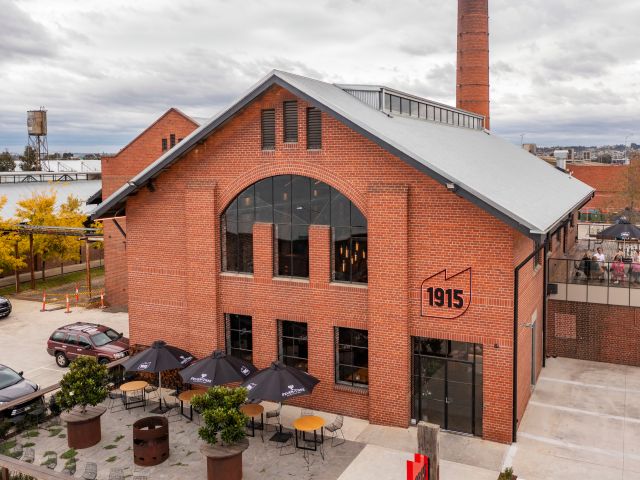
    boiler house
    Restaurant 1915 is housed within a restored former boiler house. (Image: Harry Pope/Two Palms)

    Traynor credits now-closed local restaurant Igni, which opened in 2016, as the turning point for Geelong’s hospo industry. “[Aaron Turner, Igni’s chef-patron] was probably the first guy, with all due respect, to raise the bar food-wise for Geelong,” he says. “People now treat it really seriously, and there’s clearly a market for it.” While Igni is gone, Turner now helms a string of other notable Geelong venues, including The Hot Chicken Project and Tacos y Liquor, all within the buzzy, street art-speckled laneways of the CBD’s Little Malop Street Precinct. Many others have also popped up in Igni’s wake, including Federal Mills’ own restaurant, 1915Housed within the cavernous boiler house, 1915’s interior is dramatic: soaring, vaulted ceilings with timber beams, exposed brick, a huge arched window. The share plates echo the space’s bold character, playing with contrast and texture, with dishes such as a compressed watermelon tataki, the sweet, juicy squares tempered by salty strands of fried leeks, and charred, smoky snow peas dusted with saganaki on a nutty bed of romesco. 

    Woolstore
    The Woolstore is a new restaurant and bar housed within a century-old warehouse. (Image: Amy Carlon)

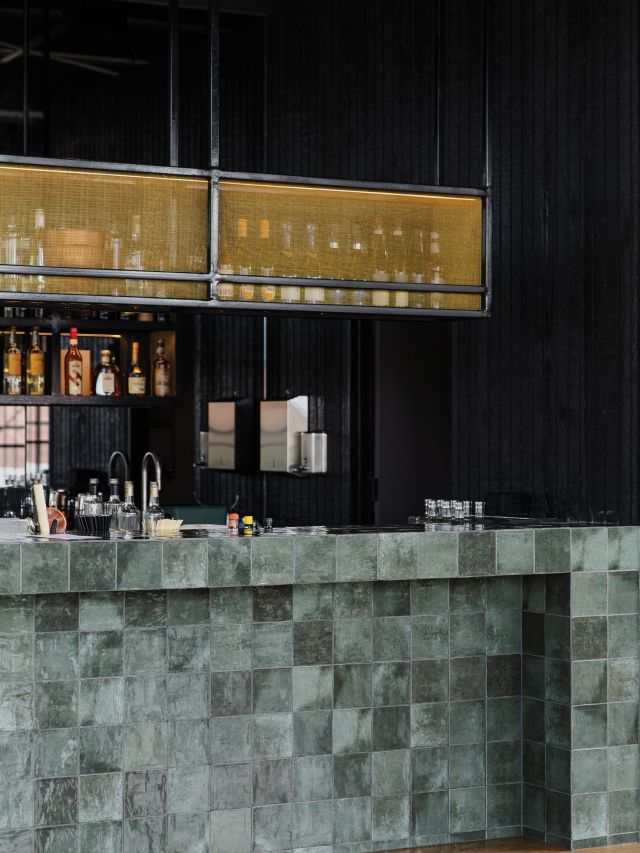
     The Woolstore, one of The Hamilton Group’s most recent hospo projects, opened in February. It occupies a century-old riverside warehouse and exudes a more sultry, fine dining ambience. Much like Federal Mills, the blueprint was to preserve the original brickwork, tallowwood flooring and nods to the building’s former life. That same careful consideration extends to the well-versed, affable waitstaff as well as the kitchen. Head chef Eli Grubb is turning out an eclectic mix of ambitious and indulgent mod Oz dishes that deliver: strikingly tender skewers of chicken tsukune, infused with hints of smoke from the parrilla grill, and glazed with a moreish, sweet gochujang ‘jam’; nduja arancini fragrant with hints of aniseed and the earthy lick of sunny saffron aioli; and golden squares of potato pavé, adorned with tiny turrets of crème fraîche, crisp-fried saltbush leaves, and Avruga caviar, to name but a few stand-out dishes.  

    Woolstore menu
    Woolstore’s menu is designed for sharing.

    Breathing new life into historic spaces  

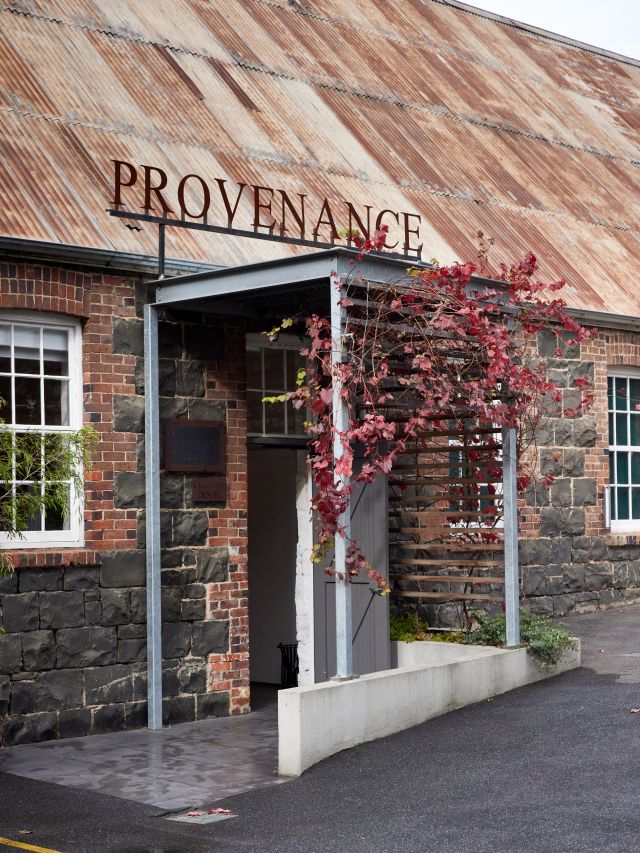
    On the city’s fringe, hidden down a winding side road with little fanfare, lies a long-dormant site that’s being gently revived. Built from locally quarried bluestone and brick, and dating back to the 1870s, the complex of original tin-roofed mill buildings is lush with greenery and backs onto the Barwon River and Buckley Falls; the audible rush of water provides a soothing soundtrack. Fyansford Paper Mill is one of few complexes of its time to survive intact. It feels steeped in history and spellbindingly rustic.  

    “We were looking for an old industrial place that had some charm and romance to it,” explains Sam Vogel, the owner, director and winemaker at Provenance Wines which moved here in 2018. When he first viewed the building with his former co-owner, it was in such a state of disrepair that the tradie tenant occupying the space had built a shed within it to escape the leaking roof and freezing winter temperatures. “To say it was run down would be an understatement,” he notes. “There was ivy growing through the place; the windows were all smashed. It was a classic Grand Designs project.” 

    Provenance Wines
    Provenance Wines moved to Fyansford Paper Mill in 2018. (Image: Cameron Murray Photography)

    The team has since invested more than a million dollars into their new home. Where paper processing machinery once sat, wine barrels are now stacked. Vaulted cathedral ceilings are strung with festoon lights, and hidden in plain sight lies a shadowy mural by local street artist de rigueur Rone – one of only three permanent works by the artist.

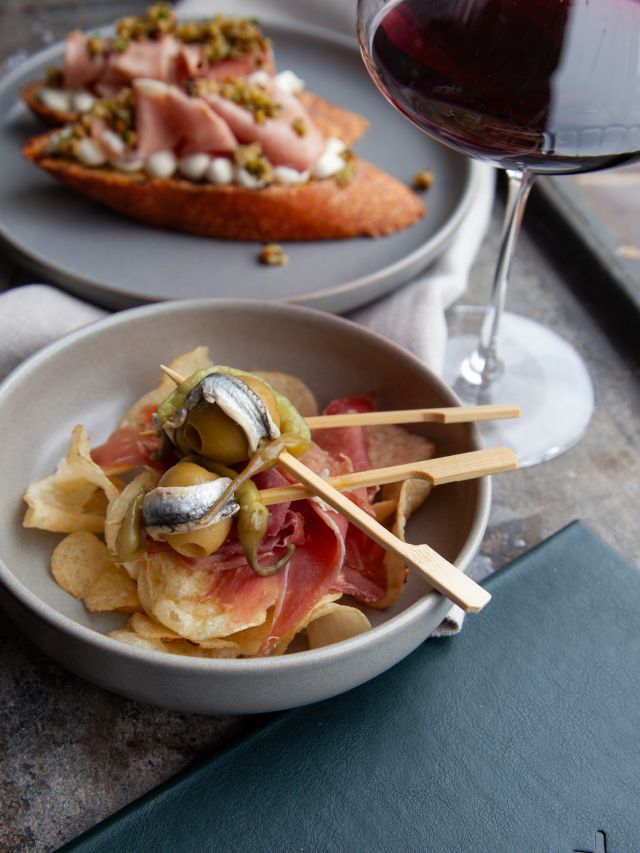
    While the award-winning, cool-climate pinot noir, riesling and chardonnay naturally remain a key draw at Provenance, the winery’s restaurant is a destination in itself. Impressed already by whipsmart service, I devour one of the most cleverly curated and faultlessly executed degustations I’ve had in some time. It’s all prepared in a kitchen that is proudly zero-waste, and committed to providing seasonal, ethical and locally sourced meat and produce under head chef Nate McIver. Think free-range venison served rare with a syrupy red wine jus and a half-moon of neon-orange kosho, shokupan with a deeply savoury duck fat jus (a modern Japanese take on bread and drippings), and a golden potato cake adorned with a colourful confetti of dehydrated nasturtiums and tomato powder, and planted atop a sea urchin emulsion.  

    handcrafted pieces
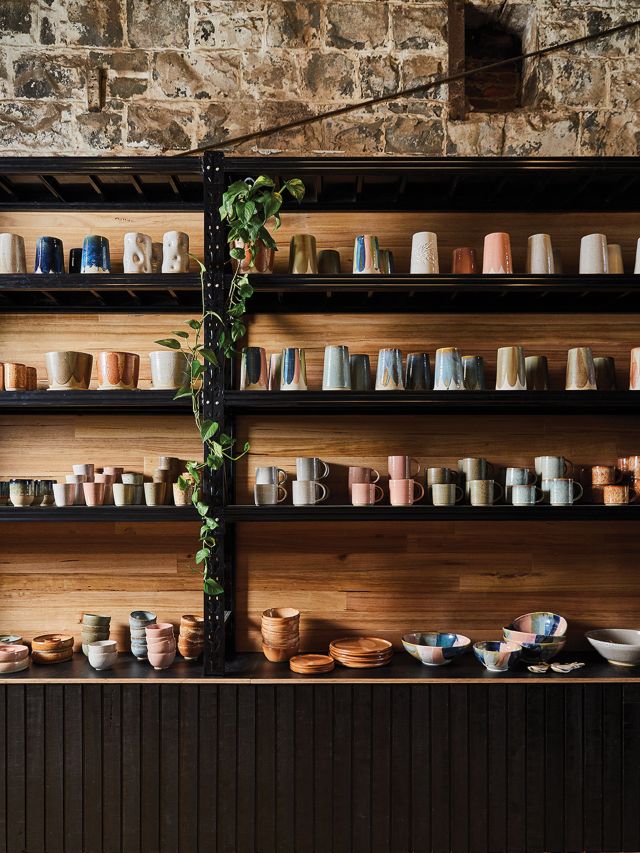
    Bell’s handcrafted functional pieces on display.

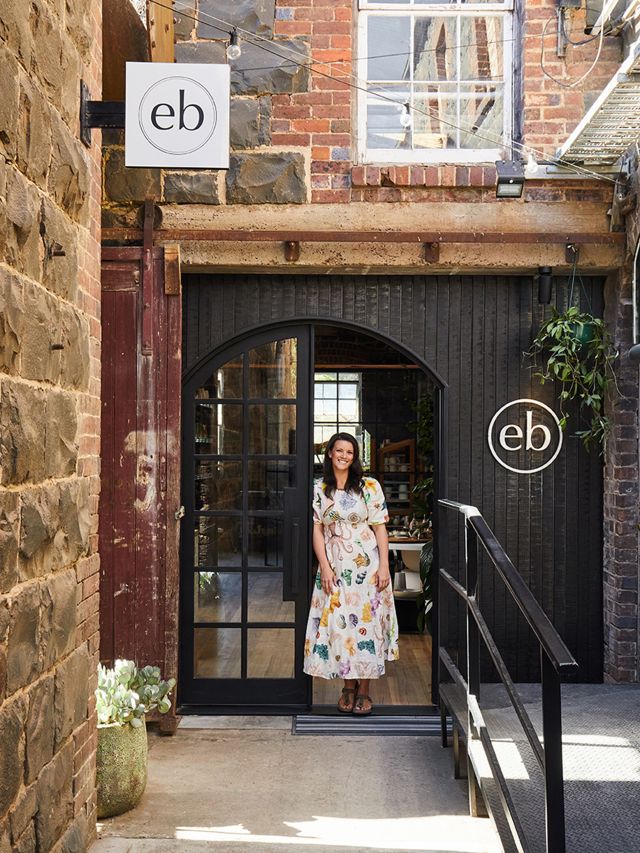
    The complex is home to a coterie of independent businesses, including a gallery, a jeweller, and its latest tenant, ceramicist Elizabeth Bell, drawn here by the building’s “soul”. “There’s so much potential for these buildings to have new life breathed into them,” says Bell, whose studio is housed within the old pump room. “Even people in Geelong don’t know we’re here,” she says. “It’s definitely a destination, but I like that. It has a really calming atmosphere.”  

    A Melbourne transplant, Bell now feels at home in Geelong, which offers something Melbourne didn’t. “If this business was in Melbourne I don’t think it would’ve been as successful,” she notes. “It’s very collaborative in Geelong, and I don’t think you get that as much in Melbourne; you’re a bit more in it for yourself. Here it’s about community over competition.”  

    Elizabeth Bell
    Ceramicist Elizabeth Bell has a store in Fyansford Paper Mill.