The best camping sites along the Great Ocean Road

hero media
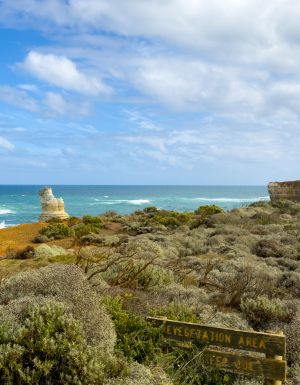
Considered to be one of the world’s most scenic coastal drives, Victoria’s Great Ocean Road gives you the opportunity to see the iconic 12 Apostles, get up close to native wildlife and take in iconic surf breaks, pristine rainforest and misty waterfalls.

The 243-kilometre stretch of road that runs between Torquay and Allansford is actually the world’s largest war memorial – it was built by return First World War servicemen and 2019 marked the centenary of the commencement of construction.

Along the road, you’ll discover beautiful little seaside towns with a rich maritime history and deserted beaches. Popular nature activities include bushwalking, surfing, mountain biking, canoeing and koala-spotting. There’s also excellent food and wine and shopping.

The natural beauty of this area draws visitors from far and wide. To truly drink in the stunning scenery, camping is a great way to go.

Simon Williams at Great Ocean Road Adventure Tours has made a career out of introducing visitors to the best spots along this beautiful stretch of coastline. Here he shares some of his secret favourite Great Ocean Road camp spots.

Cumberland River Holiday Park

Just a short drive beyond the popular resort town of Lorne is this truly excellent camping spot. There is great bushwalking around the beautifully grassed campsite.

Walks from here are some of the best in the area and extend up into the Great Otway National Park. The beach opposite is spectacular and the river that runs through the campground has some great areas to relax in and cool down on hot summer days.

If pitching a tent doesn’t appeal there are some well-appointed cabins onsite.
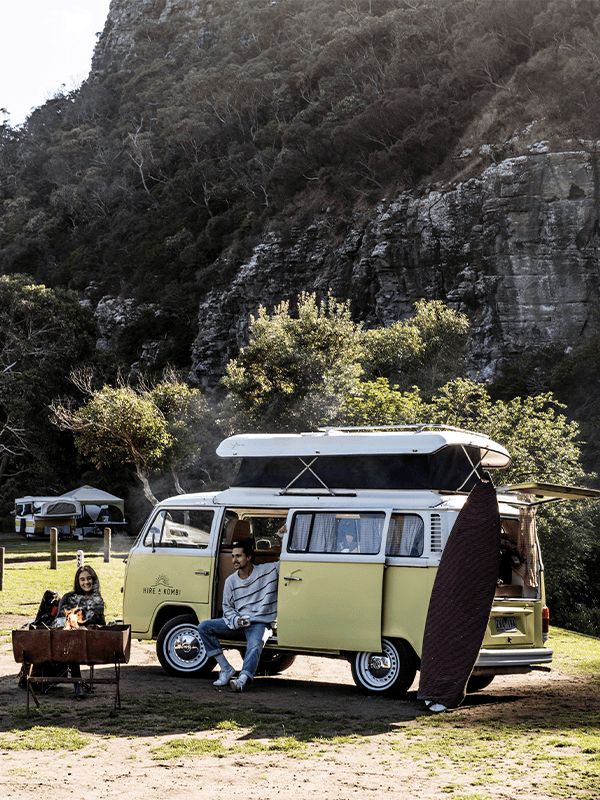
Cumberland River Holiday Park
Lush landscapes meet serene river views. (Image: Visit Victoria)

Jamieson Creek Campground

Located within the Great Otway National Park, Jamieson Creek Campground has 24 campsites by the ocean. There are a range of campsites, each accommodating up to six people, for tents and small carvans and trailers. Note that it is very basic (i.e. no toilets, running water or barbecues), so you’ll need to come well prepared, but the picturesque location certainly makes up for it.

Eumeralla Scout Camp

This popular scout camp set in more than 300 hectares of beautiful natural bush is 35 kilometres from Geelong and two kilometres from the popular beach in Anglesea.

It’s an excellent spot if you’re into mountain biking.

The camp is set high on the cliffs and offers spectacular views of the ocean and the township of Anglesea.

As well as cabins and bunk dorms there are a couple of good bush camping sites where you can sleep under the stars.
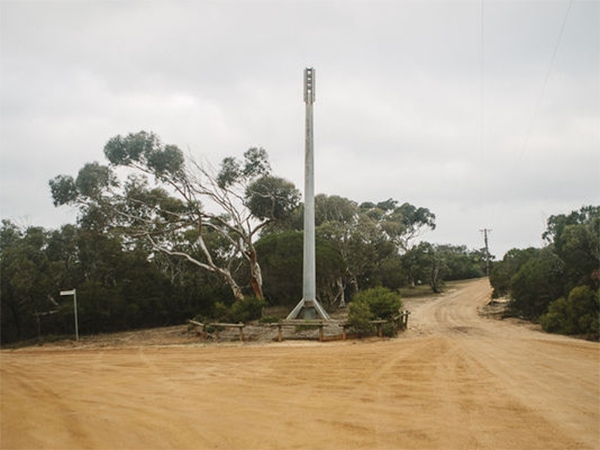
Eumeralla is a popular scout camp by day

Need tips, more detail or itinerary ideas tailored to you? Ask AT.

AI Prompt

Marengo Holiday Park

This is a well-maintained park with good access to the beach and lovely views back towards nearby Apollo Bay. Visitors can choose from both powered and unpowered camping sites, as well as cabins for those wanting to be extra comfortable.

It’s also dog-friendly and has good facilities including a camp kitchen, BBQ area, laundry facilities, a playground, and free wi-fi. The shops of Apollo Bay are reasonably close which is handy if you’re not a well-organised camper and you need to be close to supplies.
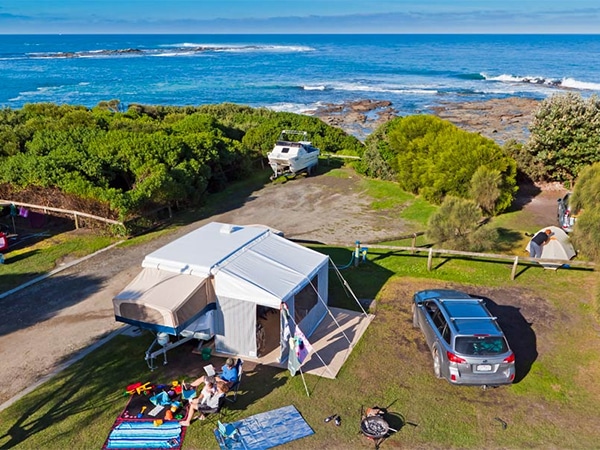
Marengo Holiday Park
Marengo Holiday Park offers as many bells and whistles as camping can

Kennett River Holiday Park

This part of the world is known as koala country, and you have a good chance here (and at nearby Grey River) to spot a few of our furry friends. Located between the towns of Lorne and Apollo Bay, the beach at Kennett River has reasonable surf (particularly good for beginners) and the campground is set right across from the beach. Amenities include bathrooms, a camp kitchen, barbecue areas, a playground for children, and a general store nearby for essentials and food.

Great Ocean Walk spots

If you want to get off the beaten track, Simon recommends the Great Ocean Walk, which runs between Apollo Bay and the 12 Apostles. Along the way, you’ll discover some remote and rarely visited camping spots. Many of these are hike-in campsites and are fuel-stove only, you’ll also need to remember to bring your own drinking water and good hiking shoes.

You’ll need to get a camping permit at least two weeks before you start your hike here. Some of Simon’s favourite spots along this route are:

Blanket Bay campsite

This is basic, beautiful bush camping right on the beach. It’s remote and peaceful and there’s plenty of shade. It’s a popular spot for diving.

Aire River campsites

The beach near Aire River campsites is spectacular and is a great place for canoeing, fishing and just sitting on the bridge as the sun goes down. There’s lots of birdlife and at one end you’re able to light fires (not on days of Total Fire Ban).

Weekly travel news, experiences
insider tips, offers, and more.

Johanna beach campsites

This location is super popular with surfers as it’s one of the country’s best breaks. As such, it’s considered to be one of the best beach camping spots along the Great Ocean Road. The 25-pitch campsite is tucked away behind sand dunes and has non-flushing toilets only.

Last but not least …

If you want to whale watch in Warrnambool: Logan’s Beach in Warrnambool is a hotspot for whale watching. Surfside Holiday Park is not far from Logan’s Beach and has powered and unpowered campsites available. There’s also a good camp kitchen and laundries (as well as cabins if you’re not up for pitching your tent).
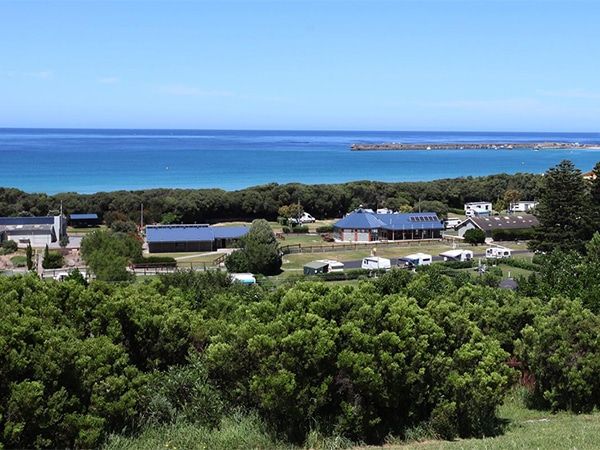
Surfside Holiday Park is not far from Logan’s Beach

If you want to check out the world-famous Bells Beach surf break: The Jan Juc Caravan Park is about as close as you’re going to get. There are barbecues, powered and unpowered campsites and cabins available. Book early, as this spot is popular.

Powered camping from $60 (for 2 people)

Unpowered camping from $50 (for 2 people)

If you want to spend time at the 12 Apostles: Your best bet is to head to Port Campbell which is about 10 minutes away from this incredible natural wonder (and is also a good spot to stock up on supplies). The Port Campbell Recreation Reserve has some good amenities, hot showers, nice views of the Campbell Creek estuary and a decent camp kitchen. $32-$52 per night.
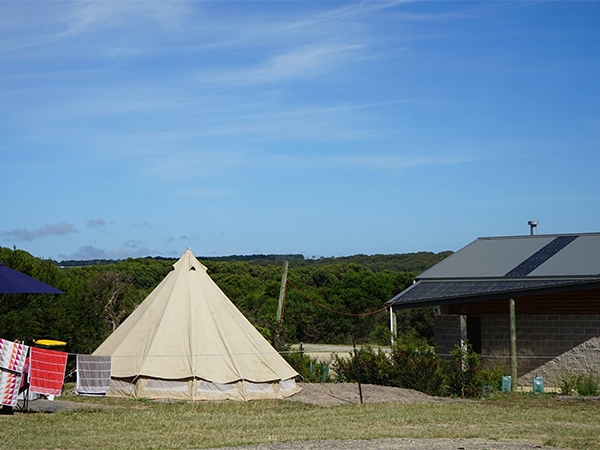
Expect your basic camping facilities at Port Campbell Recreation Reserve

Discover the best things to do on the Great Ocean Road

hero media

Explore historic wine towns and sculpture trails on a 3-day self-guided Murray River cruise

    Ricky French Ricky French
    Slow down and find your rhythm on a Murray River journey through time and place. 

    Trust is a funny thing. It seems not that long ago that my mother was insisting on pouring the milk into my cereal bowl, because she didn’t trust me not to slosh it over the table, and yet here I am on the Murray River at Mildura in far north-west Victoria, being handed the keys to a very new and very expensive luxury houseboat. 

    After a crash course in how not to crash, I’m at the wheel of the good ship Elevate – pride of the All Seasons fleet – guiding her upstream past red-ochre cliffs as pelicans glide above the rippled river and kookaburras call from reedy banks. There’s a brief moment of breath-holding while I negotiate a hairpin turn around a jagged reef of skeletal, submerged gum trees, before a cheer rings out and calm descends as the timeless river unfurls in front of us.    

    Murray River
    The Murray River winding through Yarrawonga. (Image: Rob Blackburn)

    Setting sail from Mildura 

    Murray River birds
    Home to a large number of bird species, including pelicans. (Image: The Precint Studios)

    A journey along the Murray River is never less than magical, and launching from Mildura makes perfect sense. Up here the river is wide and largely empty, giving novice skippers like myself the confidence to nudge the 60-tonne houseboat up to the riverbank where we tie up for the night, without fear of shattering the glass elevator (the boat is fully wheelchair accessible) or spilling our Champagne.  

    My friends and I spend three days on the water, swimming and fishing, sitting around campfires onshore at night, and basking in air so warm you’d swear you were in the tropics. The simplicity of river life reveals an interesting dichotomy: we feel disconnected from the world but at the same time connected to Country, privileged to be part of something so ancient and special.  

    Stop one: Echuca  

    19th-century paddlesteamers
    A historic 19th-century paddlesteamer cruises along the Murray River. (Image: Visit Victoria)

    The six-hour drive from Melbourne to Mildura (or four hours and 20 minutes from Adelaide) is more than worth it, but you don’t have to travel that far to find fun on the river. Once Australia’s largest inland port, Echuca is the closest point on the Murray to Melbourne (two hours 45 minutes), and you’ll still find a plethora of paddlesteamers tethered to the historic timber wharf, a throwback to the thriving river trade days of the 19th century. The PS Adelaide, built in 1866 and the oldest wooden-hulled paddlesteamer operating in the world, departs daily for one-hour cruises, while a brand-new paddlesteamer, the PS Australian Star, is launching luxury seven-night voyages in December through APT Touring.  

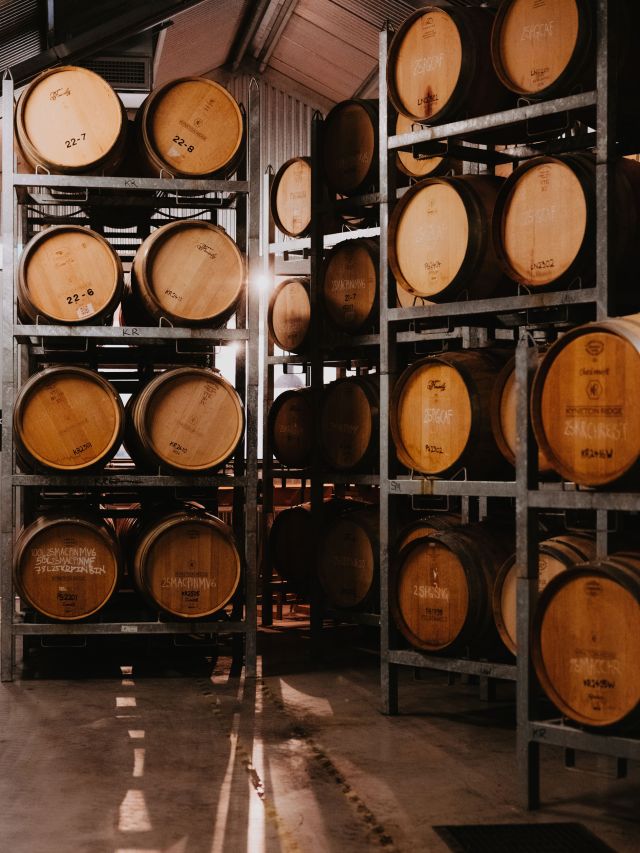
    The town is also a hot food and wine destination. St Anne’s Winery at the historic Port of Echuca precinct has an incredibly photogenic cellar door, set inside an old carriage builders’ workshop on the wharf and filled with huge, 3000-litre port barrels. The Mill, meanwhile, is a cosy winter spot to sample regional produce as an open fire warms the red-brick walls of this former flour mill.  

    Stop two: Barmah National Park 

    Barmah National Park
    Camping riverside in Barmah National Park, listed as a Ramsar site for its significant wetland values. (Image: Visit Victoria/Emily Godfrey)

    Just half-an-hour upstream, Barmah National Park is flourishing, its river red gum landscape (the largest in the world) rebounding magnificently after the recent removal of more than 700 feral horses. The internationally significant Ramsar-listed wetland sits in the heart of Yorta Yorta Country, with Traditional Owners managing the environment in close partnership with Parks Victoria. Walkways weave through the forest, crossing creeks lined with rare or threatened plants, passing remnants of Yorta Yorta oven mounds and numerous scar trees, where the bark was removed to build canoes, containers or shields.  

    The Dharnya Centre (open weekdays until 3pm) is the cultural hub for the Yorta Yorta. Visitors can learn about the ecological significance of the Barmah Lakes on a 90-minute river cruise, led by a First Nations guide, or take a one-hour, guided cultural walking tour along the Yamyabuc Trail.  

    Stop three: Cobram 

    Yarrawonga MulwalaGolf Club Resort
    Yarrawonga Mulwala Golf Club Resort. (Image: Visit Victoria)

    Continue east to Cobram to find the southern hemisphere’s largest inland beach. Swarming with sun-seekers in summer, the white sand of Thompson’s Beach is shaded by majestic river red gums and dotted with hundreds of beach umbrellas, as beachgoers launch all manner of water craft and set up stumps for beach cricket. But the beach is at its most captivating at sunset, when the crowds thin out, the glassy river mirrors the purple sky, and the canopies of the gum trees glow fiery orange. 

    The region is also home to some fine resorts and indulgent retreats. Yarrawonga Mulwala Golf Club Resort has two riverside championship golf courses, luxury apartments and self-contained villas. While not strictly on the Murray, the historic wine town of Rutherglen is rife with boutique (and unique) accommodation, including an exquisitely renovated red-brick tower in a French provincial-style castle at Mount Ophir Estate. Fans of fortified wines can unravel the mystery of Rutherglen’s ‘Muscat Mile’, meeting the vignerons and master-blenders whose artistry has put the town on the global map for this rich and complex wine style.  

    Stop four: Albury-Wodonga 

    First Nations YindyamarraSculpture Walk
    First Nations Yindyamarra Sculpture Walk is part of the Wagirra Trail. (Image: Carmen Zammit)

    Follow the river far enough upstream and you’ll arrive at the twin border cities of Albury-Wodonga. The Hume Highway thunders through, but serenity can be found along the five-kilometre Yindyamarra Sculpture Walk – part of the Wagirra Trail that meanders through river wetlands just west of Albury in Wiradjuri country. Fifteen sculptures by local First Nations artists line the trail, conveying stories of reconciliation, enduring connection to culture, local Milawa lore and traditional practices. It feels a long way from Mildura, and it is, but the pelicans and kookaburras remind us that it’s the same river, the great conduit that connects our country. 

    A traveller’s checklist  

    Staying there

    New Mildura motel Kar-rama
    New Mildura motel Kar-rama. (Image: Iain Bond Photo)

    Kar-Rama is a brand-new boutique, retro-styled motel in Mildura, with a butterfly-shaped pool and a tropical, Palm Springs vibe. Echuca Holiday Homes has a range of high-end accommodation options, both on the riverfront and in town. 

    Playing there

    BruceMunro’s Trail of Lights in Mildura
    Bruce Munro’s Trail of Lights in Mildura. (Image: Imogen Eveson)

    Artist Bruce Munro’s Trail of Lights installation, comprising more than 12,000 illuminated ‘fireflies’, is currently lighting up Mildura’s Lock Island in the middle of the Murray. Murray Art Museum Albury (MAMA) is a hub for contemporary art, with a rotating roster of exhibitions, and is a major outlet for young and First Nations artists. 

    Eating there

    Mildura’s diverse demographic means it’s a fantastic place to eat. Andy’s Kitchen is a local favourite, serving up delicious pan-Asian dishes and creative cocktails in a Balinese-style garden setting. Call in to Spoons Riverside in Swan Hill to enjoy locally sourced, seasonal produce in a tranquil setting overlooking the river.