The top 6 snorkelling spots to interact with marine life in WA

hero media
WA is home to some of the most incredible marine life in the country and there’s no better way to experience it than by joining them underwater.

With over 12,000 kilometres of coastline, Western Australia is bursting with marine activity and snorkelling spots that are begging to be explored. It’s also believed to be home to more than 1600 shipwrecks.

Shipwreck Hunters Australia , the new six-part docuseries on Disney +, follows experienced divers and underwater filmmakers as they make world-first discoveries at long-lost shipwreck sites around Tryal Rocks, Ningaloo Reef, Houtman Abrolhos Islands and more.

The team behind Shipwreck Hunters, Ryan Chatfield and Nush Freedman have revealed their top six spots to snorkel and interact with marine life in Western Australia.

These snorkelling spots suit beginners and families all the way up to the more advanced and range from easily accessible to a little more remote and isolated. Here they are.

1. Fish Hook Bay, Rottnest Island

Best time to visit: December – May

Experience level: Intermediate to expert

Fish Hook Bay is one of the most protected bays on Rottnest Island. Nestled into the southern side of the West End, boats must carefully navigate between two huge chunks of the reef to reach the calm and tranquil waters of the bay.
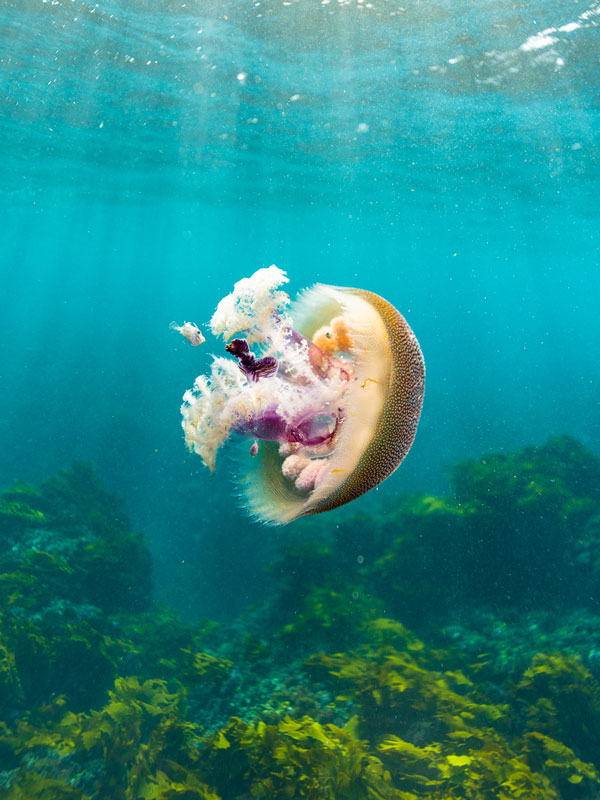
Jellyfish floating in the water at Rottnest Island, Western Australia
See the marine life at Fish Hook Bay. (Image: Ryan Chatfield, Terra Australis)

With an average depth of around two to five metres, the bay is home to an abundance of sea creatures and an ever-changing sea floor.

It’s a great location to do some exploration snorkelling, with a beautiful cave on the eastern side that greets you with stunning shafts of light that dance and shimmer on the sand floor.
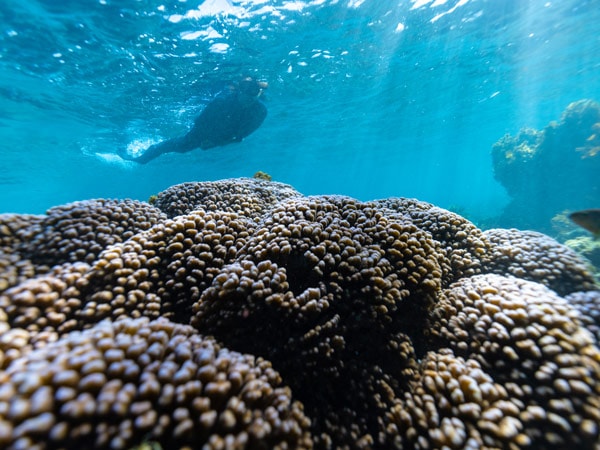
Coral and snorkeller at Rottnest Island, WA
Fish Hook Bay is a great location to do some exploration snorkelling. (Image: Ryan Chatfield, Terra Australis)

It’s common to spot large smooth, black, fiddler and eagle rays, buffalo bream, western blue devils, king wrasse, nudibranch, sea cucumbers and sea stars.

Chatfield rates this spot because it’s rough and rugged at the West End, and you never know what you are going to encounter down there. You can’t always access it due to the weather but when you score it, it’s as good as it gets!
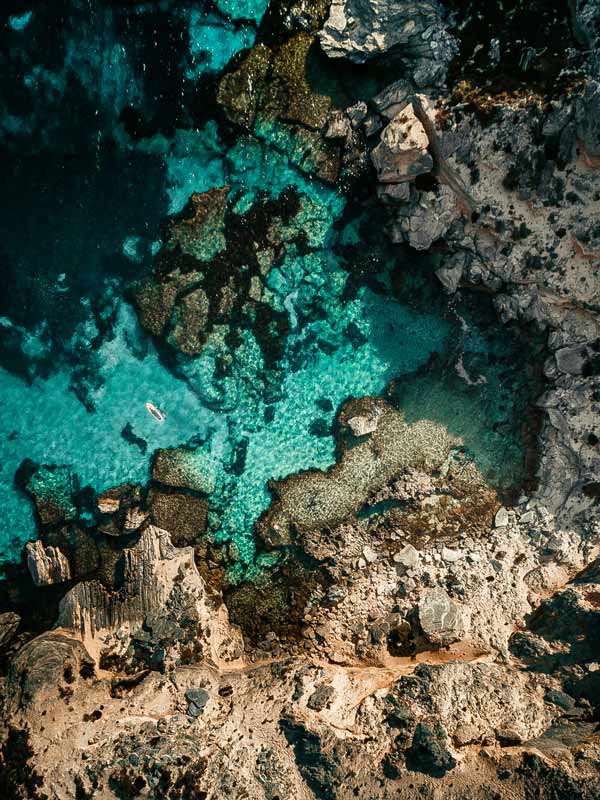
Aerial shot of Fish Hook Bay on Rottnest Island in WA
The average depth is around two to five metres. (Image: Ryan Chatfield, Terra Australis)

2. Coral Bay

Best time to visit: June – October

Experience level: Beginner to expert

Coral Bay on Australia’s Coral Coast needs no introduction. Snorkelling from Bills Bay is a beautiful place for beginners to intermediates to be treated to an underwater experience they will never forget.
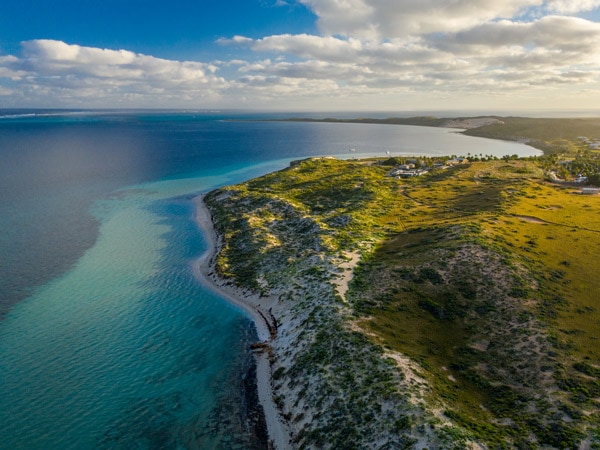
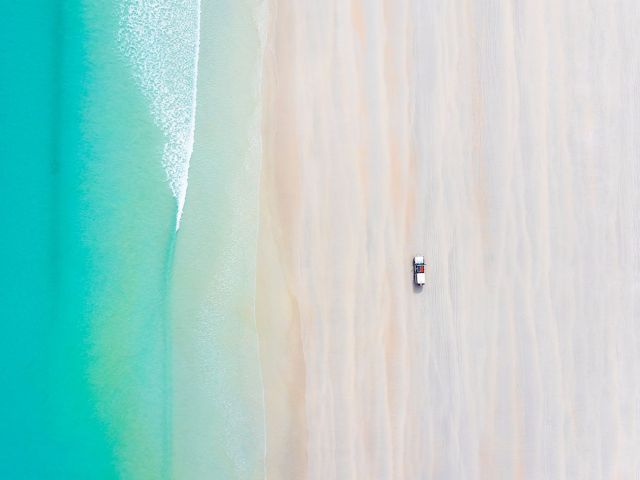
Drone shot of Coral Bay on the Coral Coast of Western Australia.
Coral Bay is iconic. (Image: Ryan Chatfield, Terra Australis)

Other great accessible locations are Five Fingers Reef and Oyster Bridge. As soon as you enter the warm waters of Coral Bay you can sense the pristine marine environment all around you. And when you leave the surface, you are immersed in another world.

Crystal clear waters teem with brightly coloured fish, too many to name and so many to see. They dart and dance between stunning hard and soft coral outcrops. Sea turtles cruise lazily through the waters, stopping every now and again to munch and crunch.
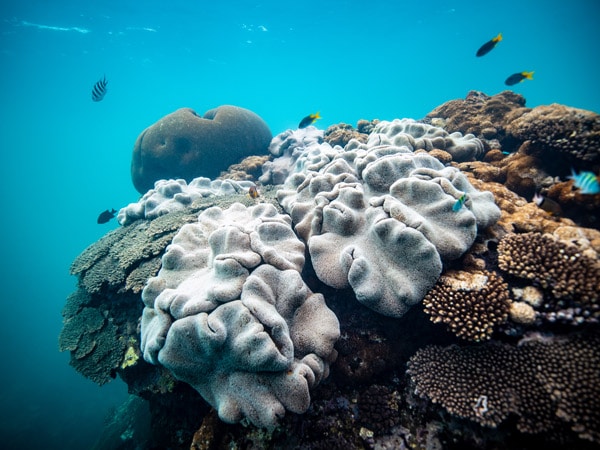
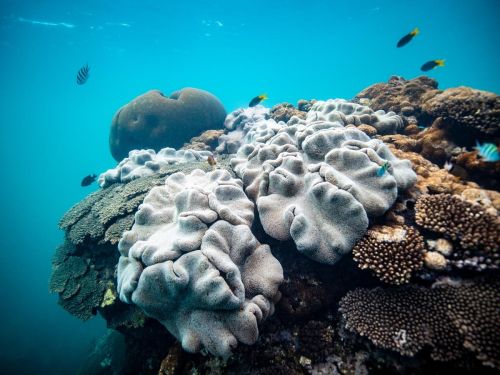
Fish and coral underwater at Coral Bay, a snorkelling spot in WA.
The crystal clear waters of Coral Bay make it a one-of-a-kind snorkelling experience. (Image: Ryan Chatfield, Terra Australis)

Chatfield has had beautiful encounters with manta rays, lemon sharks, leopard sharks, eagle rays, whale sharks, and you can even spot humpbacks.

“I always like to stop and stay still in Coral Bay when I’m in the water, just find a nice sandy patch and go to the bottom," he said.

“That’s when you really see the reef and all its creatures.

“Coral Bay is really an incredible location, but it is also very fragile. We encourage people to be conscious of body positioning when they’re snorkelling, to avoid damage to the coral and destruction of marine habitats."
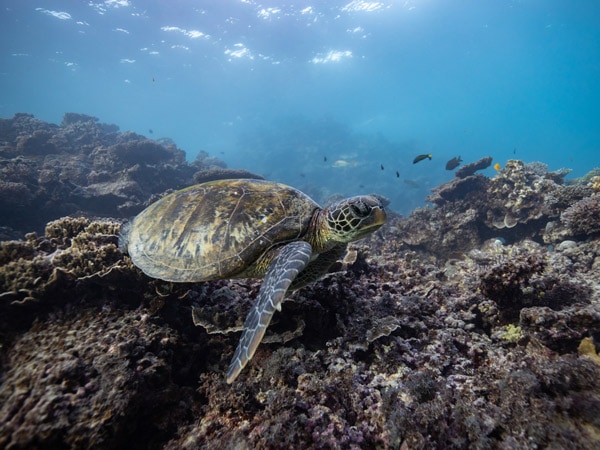
Turtle swimming above coral at Coral Bay in WA
You might spot a turtle at Coral Bay. (Image: Ryan Chatfield, Terra Australis)

3. Gnaraloo

Best time to visit: June – October

Experience level: Beginner to expert

Gnaraloo is a little more off the beaten track. It’s off-grid with no reception, so take everything you need for your time away.
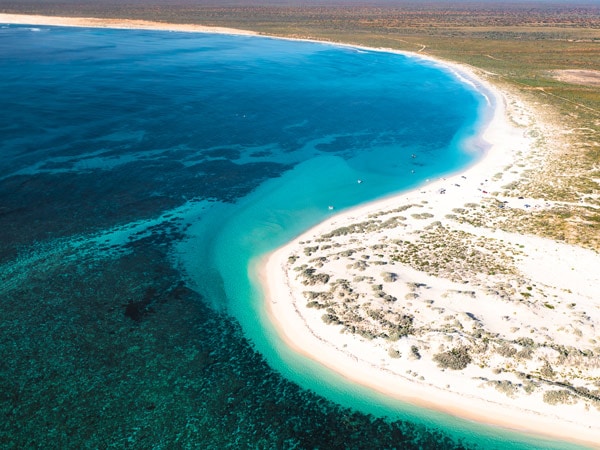
Drone shot of Gnaraloo, snorkelling spot in WA
Gnaraloo is off the beaten track. (Image: Ryan Chatfield, Terra Australis)

With the isolation comes the pristine marine ecosystems of the Coral Coast, though. Gnaraloo Bay is a beautiful shallow lagoon that lends itself to an easy-going drift dive.

If you walk 500 metres up the beach, put all your gear on and then swim 50 – 75 metres offshore you’ll find yourself gently pushed along on one of WA’s best snorkel spots.

Using your fins and hands as rudders you can steer yourself as you go, much like a self-guided tour of the coral gardens, you can zoom in for closer views of the huge stag horn coral outcrops.
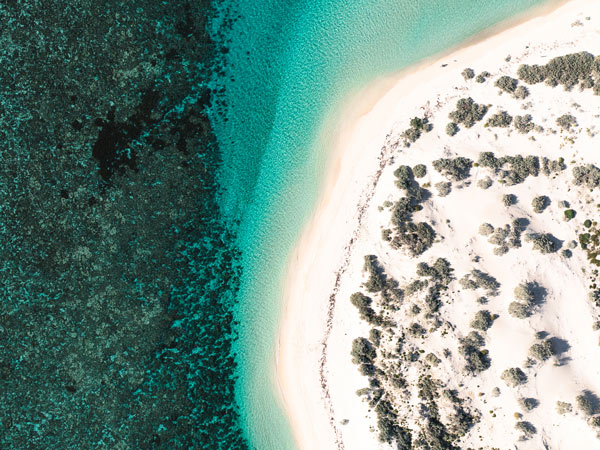
Aerial shot of Gnaraloo, snorkelling spot in WA
Gnaraloo Bay is a beautiful shallow lagoon. (Image: Ryan Chatfield, Terra Australis)

4. Lakeside, Exmouth

Best time to visit: March – October

Experience level: Beginner

Lakeside is located inside the Cape Range National Park in Exmouth on the Ningaloo Reef.

There are three sets of coral bommies surrounded by tropical fish over glistening white sand here and the depth ranges from two to five metres.

This spot is a little bit deeper than most of the other snorkelling sights in the Cape Range National Park so it’s perfect for those wanting to improve their snorkelling skills and get out into a bit deeper water.

Because of the extra depth, it’s a great place to find reef sharks and stingrays under the coral ledges or cruising on the sand between the coral bommies. And it’s also a popular spot to see turtles.
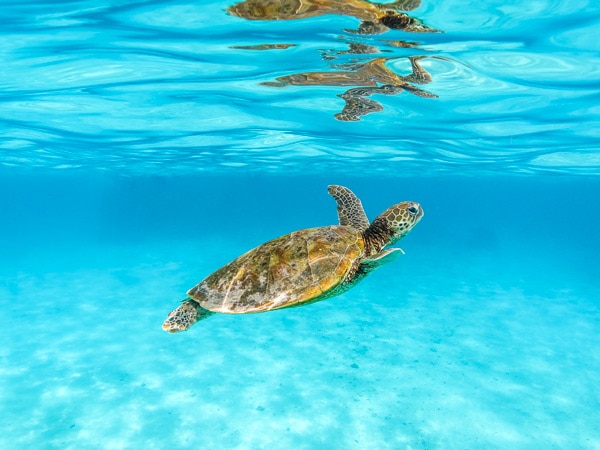
Turtle in crystal clear blue water at Lakeside in Exmouth WA
Have you ever swum with a turtle? (Image: Nush Freedman, Terra Australis)

5. Mettams Pool, North Beach

Best time to visit: November – May

Experience level: Beginner to advanced

This beautiful snorkelling site is perfect for both beginner and advanced snorkellers. You can expect to see cool water corals, sponges and lots of fish life as well as the occasional visits from port Jackson sharks, eagle rays, octopus, seals and stingrays.

If you are a beginner snorkeller you can stay inside the reef and snorkel in the shallows where it’s beautiful, calm and perfect for families with small kids.

If you are feeling more adventurous you can head out to the back of the reef and get lost in all the swim-throughs full of fish and little caves. There are incredible sea grasses moving in the swell and once you are out the back of the reef the water gets a bit deeper so it’s great for finding larger fish species such as buff bream which usually school in hundreds which is remarkable to swim through!

Mettams Pool has a special place in Freedman’s heart because it was a big part of her childhood growing up in the northern suburbs of Perth.

“I would recommend choosing a day with minimal swell as these conditions are better when venturing out to the back of the reef and usually the water is a lot clearer," she said.
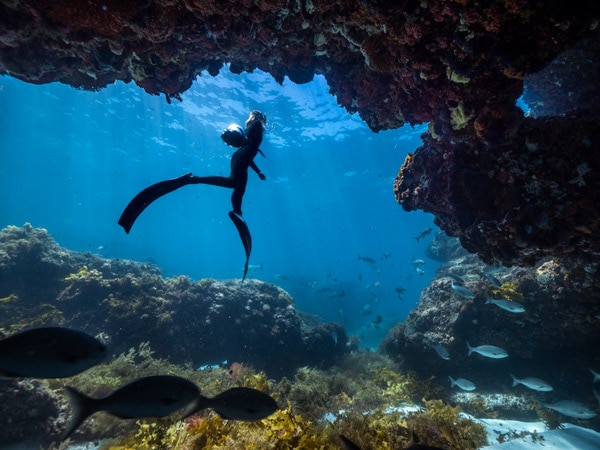
Scuba diver a Mettams Pool
Mettams Pool has options for all experience levels. (Image: Nush Freedman, Terra Australis)

6. Osprey Bay, Exmouth

Best time to visit: March – October

Experience level: Intermediate

Osprey Bay has got to be one of the most beautiful snorkelling sights on Ningaloo Reef.

This spot is also located inside the Cape Range National Park and is an underwater paradise.

Accessible from the shore, you will need a kayak or paddle board to get out to the snorkelling site as it is about 700 metres from the shore, so it’s only suitable for confident snorkellers.

The paddle over is beautiful as you travel over the Ningaloo Lagoon where you can often see dolphins cruising by or turtles popping their heads up for a breath.

Osprey Bay ranges between two to eight metres in depth and is home to some spectacular corals and tropical fish. If you’re lucky you might also see reef sharks, stingrays, and turtles cruising by.
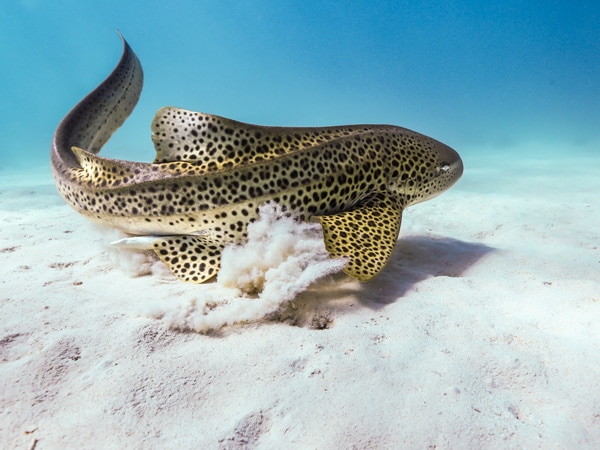
Leopard Shark in the sand on the ocean floor at Osprey Bay, Exmouth, WA.
Leopard sharks frequent Osprey Bay. (Image: Nush Freedman, Terra Australis)
Emily Murphy
Emily Murphy is Australian Traveller's Email & Social Editor, and in her time at the company she has been instrumental in shaping its social media and email presence, and crafting compelling narratives that inspire others to explore Australia's vast landscapes. Her previous role was a journalist at Prime Creative Media and before that she was freelancing in publishing, content creation and digital marketing. When she's not creating scroll-stopping travel content, Em is a devoted 'bun mum' and enjoys spending her spare time by the sea, reading, binge-watching a good TV show and exploring Sydney's vibrant dining scene. Next on her Aussie travel wish list? Tasmania and The Kimberley.
See all articles
hero media

The best walks and hikes for an active day in Perth

From coastal boardwalks to wildflower-rich bush trails, Perth offers hikes to suit both casual walkers and experienced adventurers.

Whether you’re craving a gentle stroll to spot wildflowers or a lung-pumping climb for panoramic views, there’s a walk or hike for every mood and fitness level. Lace up your hiking boots, pack water and get walking. We’ve rounded up 12 of the best hikes and walks in Perth.

In short

If you only do one serious hike, make it the Eagle View Trail in John Forrest National Park for waterfalls, wildflowers and city skyline and even ocean views. If you’ve only got time for something shorter, hit the Zamia Trail in City Beach for short steep climbs offering sweeping views.

1. Sullivan Rock to Mount Cooke (Darling Range)

Sullivan Rock to Mount Cooke (Darling Range)
Walk to the highest point in the Darling Range, Mt Cooke. (Image: DBCA)

Distance: 18.4 kilometres return (8 hours)

Getting there: 1 hour from Perth

Accessibility: Grade 4; hiking experience recommended due to steep final climb.

Facilities: Campground, public toilets, shaded rest areas, water access at Mount Cooke.

This hike begins through creeklined forests of sheoak, banksia, and jarrah, steadily working its way up to the summit ridge of Mount Cooke. The payoff is a sweeping panorama over the Darling Range, especially dramatic at sunrise, and a chance to camp overnight if you want the peace of dusk and dawn.

2. Eagle View Trail, John Forrest National Park

a bicycle trail in John Forrest National Park, Perth
Traverse scenic vistas on two wheels. (Image: Kevin Smith)

Distance: 15-kilometre loop (56 hours)

Getting there: 40 minutes from Perth.

Accessibility: Grade 34; decent fitness required for climbs and undulating terrain.

Facilities: Picnic spots, public toilets, shaded areas; kiosk closer to Ranger’s Office.

Winding through valleys and woodlands, this trail delivers a little bit of everything  – from creekbeds and pretty waterfalls to sweeping views to Perth CBD and the Indian Ocean in the distance. The Jane Brook section also blossoms in wildflowers come spring.

3. Whistlepipe Gully Trail, Mundy Regional Park

Distance: 3.5-kilometre loop (1.5 hours)

Getting there: 30 mins from Perth CBD

Accessibility: Grade 3 – uneven surfaces, some hills

Facilities: Limited street parking, no toilets on site

Tracing the course of a gully, this short but picturesque walk takes you past granite boulders and the remnants of an old stone house. It’s particularly beautiful from July to November when the river flows and wildflowers bloom.

3. Bibbulmun Track: Kalamunda to Mundaring Weir

the Bibbulmun Track Northern Terminus, Kalamunda
The legendary Bibbulmun Track winds through Kalamunda in the Perth Hills to Albany on the south coast. (Image: Tourism Western Australia)

Distance: 1734 kilometres one-way (or return sections)

Getting there: 40 minutes from Perth.

Accessibility: Grade 4; steep sections and loose gravel in parts.

Facilities: Toilets, picnic areas, water access along the track.

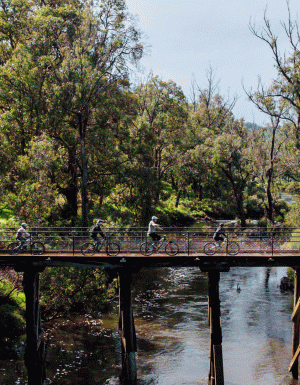
A taste of the legendary Bibbulmun in just a few hours – this stretch leads you through dripping forest, across babbling streams, over wooden bridges and rocky features. It’s not the full multiweek trail, but you’ll feel the essence: remoteness, changing terrain and a satisfying sense of distance. Perfect if you want to push your legs without committing to days.

4. Zamia Trail, Bold Park

Distance: 5.1-kilometre loop (1.5 hours)

Getting there: 15 minutes from Perth CBD

Accessibility: Grade 3 – compacted limestone, moderate inclines

Facilities: Carpark, scenic lookouts, rest benches

This well-marked trail loops through native bushland in Bold Park, offering sweeping views across the Indian Ocean and Perth city skyline. There are several lookout points to pause and take it in, and it’s a peaceful walk year-round.

5. Kitty’s Gorge, Serpentine National Park

swimming in the natural pool at Serpentine Falls, Perth
Swim in the natural pool at Serpentine Falls. (Image: Tourism Western Australia)

Distance: 16.5 kilometres return (or 14-kilometre loop depending on route) (46 hours)

Getting there: 1 hour from Perth.

Accessibility: Grade 3; some steep steps and loose gravel terrains; slippery when wet.

Facilities: Toilets, picnic areas, shaded spots.

This trail gives rewarding variety – cascading creeks, waterfalls, granite outcrops, dense bushland. There are scenic diversions like Stacey’s Loop, and quieter moments if you start from Jarrahdale. Keep an eye on the time, because returning along steeper ascents can test your legs.

6. Jorgensen Park Trail, Kalamunda

Distance: 2.7-kilometre loop (1 hour)

Getting there: 30 mins from Perth CBD

Accessibility: Grade 2  – former golf course, easy terrain

Facilities: Carpark, nearby toilets

An easy-going loop that follows old Kalamunda Gold Club fairways and weaves through bushland, occasionally intersecting with the Bibbulmun Track. The trail takes you through dense bushland that opens up onto stunning valley views.

7. Baldwin’s Bluff Trail, Serpentine National Park

Serpentine Falls from above
Soak up sweeping views of Serpentine Falls and the valley below. (Image: Tourism Western Australia)

Distance: 6-kilometre loop (2 hours)

Getting there: 1 hour from Perth.

Accessibility: Grade 4; steep in parts, rocky surfaces; best for hikers with good footwear.

Facilities: Picnic areas and public toilets; same park amenities as Kitty’s Gorge.

Less travelled than its neighbour Kitty’s Gorge, Baldwin’s Bluff offers solitude. The climb to the summit yields sweeping views of Serpentine Falls and the valley below, framed by jarrah and marri woodland. It’s a compact hike but doesn’t skimp on impact.

8. Trigg Bushland Reserve Trail

Distance: 3.4-kilometre loop (40 minutes)

Getting there: 20 mins from Perth

Accessibility: Grade 2 – compacted paths, some undulations

Facilities: Informal parking, trail signage

Tucked between suburb and sea, this coastal bushland trail is a springtime favourite with wildflower enthusiasts. You’ll be treated to sea glimpses from elevated spots, and the loop’s short length makes it ideal for a brisk walk or an easy nature escape.

9. Palm Terrace Walk, Forrestfield

Lesmurdie Falls, Palm Terrace Walk, Forrestfield
Walk to the spectacular Lesmurdie Falls in the Mundy Regional Park. (Image: Tourism Western Australia)

Distance: 5.5-kilometre loop (13 hours)

Getting there: 30 minutes from Perth.

Accessibility: Grade 3; sections of steep climb; some loose gravel.

Facilities: Public toilets, picnic spots, water access, scenic lookout points.

An underrated gem in the Perth Hills, this loop delivers views you’ll remember – especially if you take the detour to Lesmurdie Falls. The trail edges past ridges and valleys, through native bush, offering quiet moments away from the crowds. Best when the wildflowers bloom.

10. Numbat Trail, Paruna Wildlife Sanctuary

th Avon Valley as seen from Numbat Trail, Paruna Wildlife Sanctuary
Take in spectacular views of the surrounding Avon Valley. (Image: Tiff Watson)

Distance: 12-kilometre loop (35 hours)

Getting there: 1 hour from Perth.

Accessibility: Grade 3; some steep switchbacks and rough terrain.

Facilities: Toilets, picnic areas; booking may be required in certain seasons.

This trail is a rich mix of wildlife, water and elevation. You’ll begin by the lake, climb through White Gum Forest up to a lookout, then wind through woodlands and ridges. In the green season it’s lush, alive with birds and blooms – a real immersive nature escape.

11. Sixty Foot Falls, Ellis Brook Valley Reserve

Distance: 2-kilometre loop (1 hour)

Getting there: 1 hour from Perth.

Accessibility: Grade 4; steep sections especially on ascent/descent; watch for slippery parts after rain.

Facilities: Car park, picnic areas, public toilets and lookouts with views.

Don’t underestimate this short trail – the climb is steep, but the reward is big: views over Ellis Brook Valley, striking falls (especially after rain), and varied terrain that keeps each step interesting. A perfect quick but satisfying hike.