Australia?

hero media
Susan Gough Henly thinks she might have seen the best Indigenous art in the land.  Welcome to Arnhem Land’s Mount Borradaile.

I have crossed the Northern Territory’s East Alligator River and gone deep into Arnhem Land.
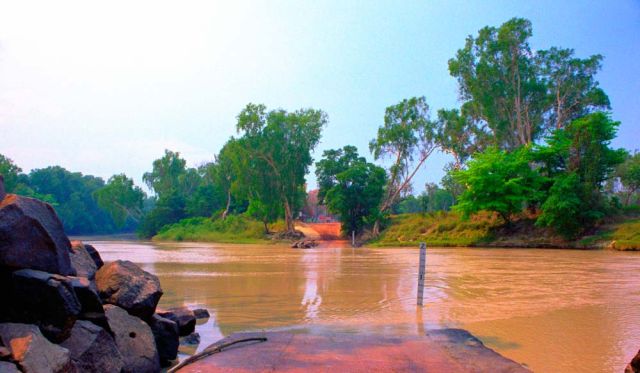
Cahills Crossing In Kakadu National Park
Cahill Crossing along Alligator River. Aptly named because of its crocodile population. Located in the Arnhem Land region of NT.

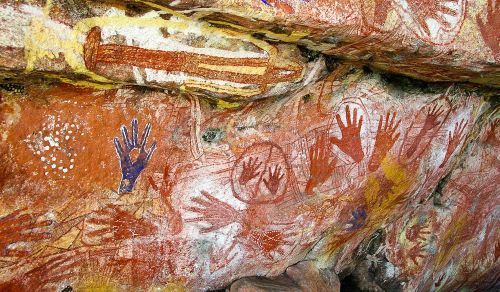
Now, sitting on a sandstone ledge at Mount Borradaile, I gaze at a mulberry red Tasmanian devil with jagged teeth underneath a large yellow sting ray. Nearby are two punishment spearings and a rainbow serpent creation ancestor. I can scarcely believe I am one of the few people to have seen this art since its rediscovery.


Davidson’s Arnhem Land Safari’s senior guide Clare Wallwork and her partner Roger Johnsson discovered these art-filled shelters just last year.


Today, their excitement is still palpable as we walk along the escarpment pocked with the dogged roots of fig trees and spiky pandanas palms. A lime green wetland stretches to the horizon.
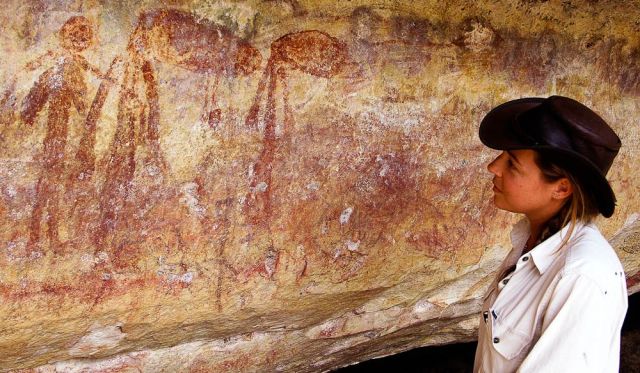
Davidson’s Arnhem Land Safari’s senior guide Clare Wallwork surveys figures in headdresses.

In 1986 Charlie Mungulda, senior Indigenous owner of the Ulba Bunij clan, asked former buffalo hunter Max Davidson to open a safari camp to show a select few white folk his country.
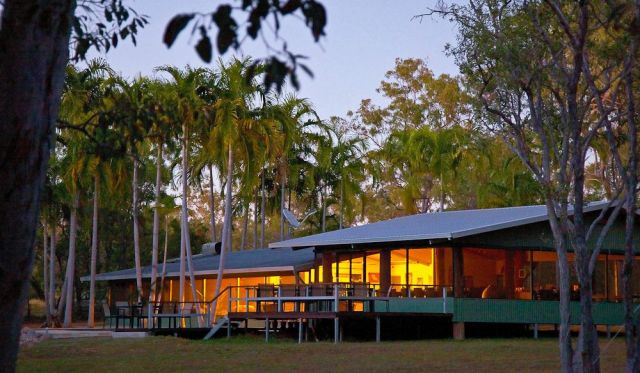
Davidson's Arnhem Land Safaris, NT
The camp at Davidson’s Arnhem Land Safaris, NT

Davidson and his guides have found more than a dozen rock art galleries that archaeologist Josephine Flood describes as “unrivalled in terms of artistic quality, quantity, colourfulness and excellent state of preservation."


Mount Borradaile is magical. The art in the rock shelters tells stories that plumb tens of thousands of years in a landscape that still brims with crocodiles, barramundi, and courting brolgas. It feels like you have pierced the curtain of the 21st century and returned to prehistoric times.
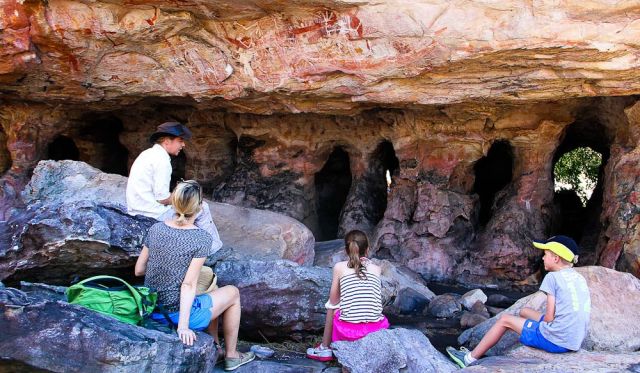
Discovering rock art at Mt Borradaile's catacombs.
Discovering rock art at Mt Borradaile’s catacombs.

“It’s so pristine yet Indigenous Australians lived here for thousands of years," says Wallwork. “Aboriginal groups worked within the environment yet we Europeans seem to work against it. Everywhere you walk it feels like they left only yesterday."


“Rock art offers a window into the past," says Professor Paul Tacon, Chair in Rock Art Research at Queensland’s Griffith University.


“It is all about the history of human experience and the imaginative telling of stories. It shows everything from what extinct animals looked like to how climate change impacted social life."
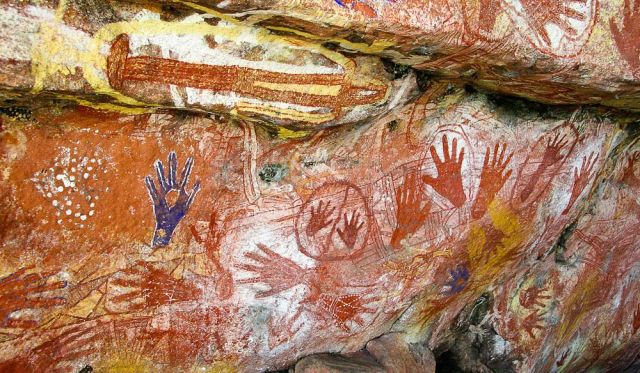
Arnhem Land's Mount Borradaile houses some of the best Indigenous rock art around.
Arnhem Land’s Mount Borradaile houses some of the best Indigenous rock art around.

For traditional owners, the art tells the story of their country and their culture. More important than the paintings themselves, which are often superimposed on each other, the act of painting connected Aboriginal artists with their creation ancestors.


“Australian rock art is so remarkable firstly because there is so much of it," says Professor Jo McDonald, director of the Centre for Rock Art Research and Management at the University of Western Australia. “Australia is unique because its entire occupation was by hunter gatherers and this history is beautifully recorded in the rock art."


She adds, “The French promote their relatively few sites, such as Lascaux (whose art dates back 20,000 years), as part of their cultural identity. Australia has 100,000 known sites with incredible diversity and complexity yet few Australians know much about them."


Indeed, the enormity of the legacy of Aboriginal culture – its complexity and spiritual depth – is barely understood by most of us. From finger scratching deep in the Nullarbor caves and coded petroglyphs on the Burrup Peninsula to the vast swath of rock paintings across the continent, every type of artistic endeavour practiced by ancient cultures has been produced here.


“The detail, freshness, range of colour and age of Australian rock art make it unequalled worldwide," says Cambridge PhD, Jamie Hampson, who recently moved to the UWA Centre for Rock Art Research + Management because, “as an archaeologist with an anthropological approach to rock art, Australia is a wonderful place to work because there are still Indigenous descendants who can provide so much cultural understanding."


In spite of extensive studies, it is still extremely difficult to pinpoint the age of rock art because most organic pigments cannot be carbon dated. A rare charcoal drawing on the Central Arnhem Land Plateau has been radiocarbon-dated to 28,000 years, making it the oldest painting in Australia and among the oldest in the world with reliable date evidence – but the engravings are probably much older.

Need tips, more detail or itinerary ideas tailored to you? Ask AT.

AI Prompt

See Arnhem Land for yourself

Davidson’s Arnhem Land Safaris at Mount Borradaile, which can be visited both in the wet and dry seasons, offers a remarkable body of rock art including an enormous rainbow serpent, expansive contact galleries, early naturalistic animals, dynamic figures and X-ray art.
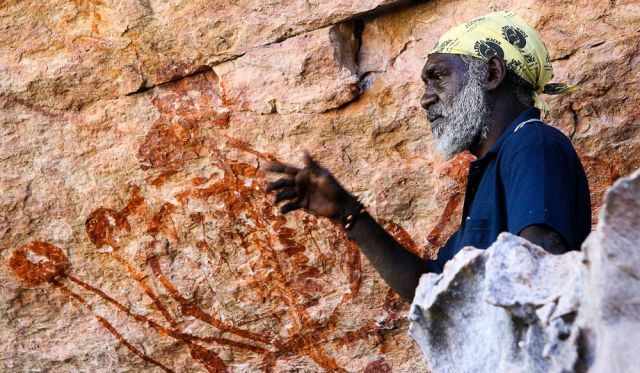
An Indigenous guide at Injalak Hill explaining the rock art.
An Indigenous guide at Injalak Hill, also in west Arnhem Land explaining the rock art.

For a complete indigenous experience in Arnhem Land, visit the site of Injalak near the community of Oenpelli where Aboriginal guides describe the stories behind the great variety of paintings at Injaluk Hill.


You can also buy stunning weavings and bark paintings at the art centre. Entry permit required (injalak.com).

For more information on Arnhem Land & things to do in the NT, visit the official Northern Territory website at northernterritory.com

Want to see more stories from Australian Traveller in your Google search results?

  1. Click here to set Australian Traveller as a preferred source.
  2. Tick the box next to "Australian Traveller". That's it.
Sue Gough Henly
Sue Gough Henly divides her time between a treehouse on Sydney's Northern Beaches and a farmhouse in Bordeaux, with lengthy sojourns in the United States. Wherever she's travelling, she's always looking to meet the locals and to discover the most authentic experiences that offer a real sense of place. Then she does her best to bring readers along for the ride.
View profile and articles
hero media

Untouched wilderness & unexpected pub crawls: 8 experiences you’ll only find in the NT

(Credit: Tourism & Events NT/ Sean Scott)

    Kassia Byrnes Kassia Byrnes
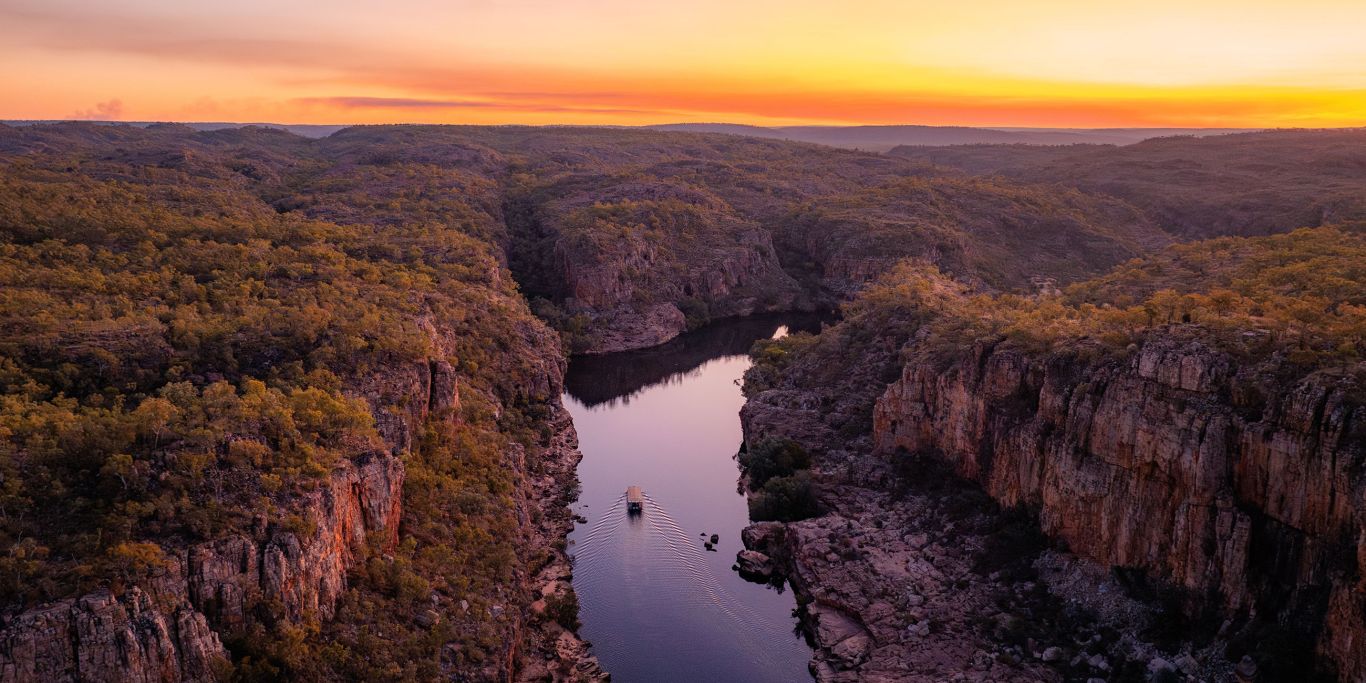
    The Northern Territory isn’t just different – it’s a whole new world. From the friendly locals and varied landscapes to its cultural layers, there’s nowhere else in Australia quite like it.

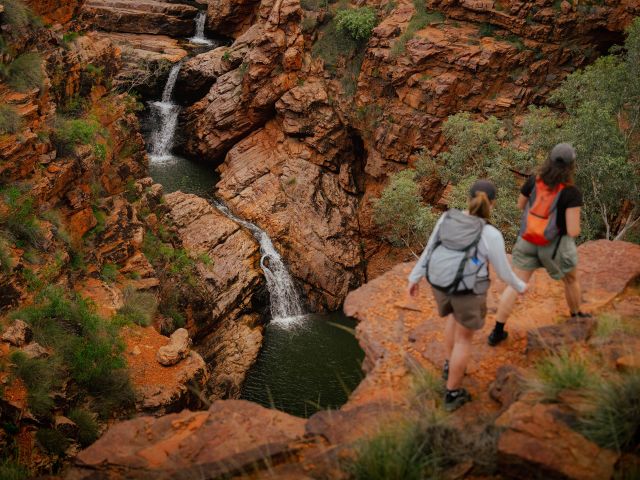
    The Northern Territory has to be experienced to be believed. The majesty of Uluṟu doesn’t quite hit until you’re standing before it. The untouched beauty of Arnhem Land strikes the heart in a way you can’t imagine. The quirky and friendly locals and the festivals they throw impart stories that won’t be forgotten. And that’s just the beginning. From natural hot springs and local larrikins to deep cultural ties and ancient stories, these are the experiences to be discovered only in the NT.

    1. Swim in pristine natural hot springs

    woman swimming in Katherine Hot Springs only in the nt
    Dive into Katherine’s crystal clear thermal springs. (Credit: Tourism & Events NT/ Backyard Bandits)

    The NT’s natural hot springs are truly picturesque. Katherine’s crystal clear thermal springs sit on the banks of the Katherine River, framed by nature. Picnic grounds and scenic walking tracks make it easy to linger.

    In Elsey National Park, the teal waters of Bitter Springs have long been popular with locals. It’s not uncommon to spot turtles as you drift with the gentle current, palm trees waving on the banks. The park also contains Mataranka Thermal Pool, a sandy-bottomed swimming hole sitting at a cosy 34°C year-round.

    2. Explore the Red Centre Light Trail

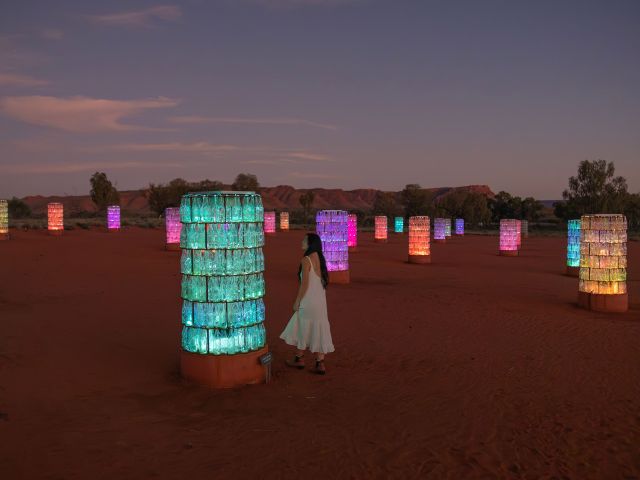
    Light Towers Kings Canyon
    Head to Kings Canyon to see the Light Towers. (Credit: Tourism & Events NT)

    Uluṟu-Kata Tjuṯa National Park is more than just a place; it’s earned its name as Australia’s cultural heart. Here, a wealth of stories is held by its Traditional Owners, the Aṉangu. And while there are many ways to connect, in more recent years, the Red Centre Light Trail has offered visitors one more way to interpret all this landscape holds.

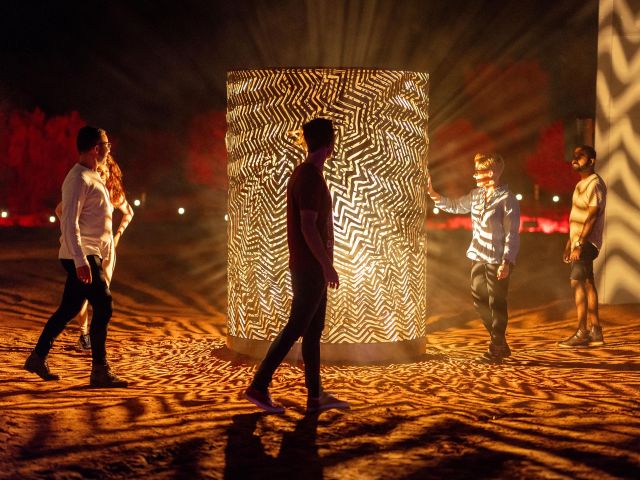
    Wander the Light Towers at Kings Canyon and watch the Field of Light transform the land before Uluṟu as day turns to night. Also, be sure to take in Wintjiri Wiṟu by light artist Bruce Ramus, sharing the Aṉangu’s Mala story.

    Arrive in April to experience Parrtjima, a free annual 10-night festival of light, featuring installations, workshops and more.

    3. See unrivalled views from a helicopter

    helicopter ride over kakadu only in the nt
    See Kakadu from the air. (Credit: Tourism & Events NT/ Sean Scott)

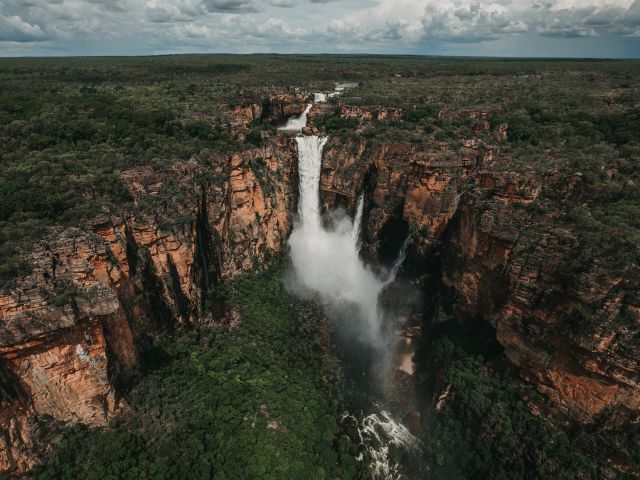
    There’s no better place in the world to hit the skies in a helicopter. Soar over thundering waterfalls, world-famous wetlands and the floodplains of Kakadu National Park. A bird’s-eye view brings a special type of magic to this one-of-a-kind landscape.

    You can also meet local characters on the pub crawl of a lifetime as you fly between some of the NT’s best and most remote pubs.

    4. Discover the start of Western Arrarnta art

    Hermannsburg Potters only in the nt
    Book ahead to visit Hermannsburg Potters. (Credit: Tourism & Events NT/ Felix Baker)

    Hermannsburg is one of the most unique towns in Australia. This historic mission town holds several claims to fame, including being the birthplace of Western Arrarnta art – a renowned style of Indigenous art using vibrant, naturalistic watercolours to depict Central Australian desert landscapes. Book ahead from April to September to visit Hermannsburg Potters, a collective of dedicated Western Arrarnta artists.

    Other options to see this art style near Alice Springs include the Araluen Arts Centre, Iltja Ntjarra (Many Hands) Art Centre and Standley Chasm (Angkerle Atwatye).

    5. Spot crocs on a cruise

    Crocodile being fed on a cruise on the Adelaide River nt
    Spot wild crocs up close. (Credit: Tourism Australia)

    The NT is the only territory that feeds wild crocs, putting the ‘wild’ in wildlife spotting experience. Join a cruise along the Adelaide River, just an hour from Darwin, to see these not-so-gentle prehistoric giants in their natural habitat.

    Be sure to stop into Humpty Doo or Noonamah for lunch on your way back to Darwin. Here, you’ll experience a real NT roadhouse.

    6. Experience local Indigenous cultures

    young participant at the Garma Festival Nhulunbuy arnhem land
    Time a trip to Nhulunbuy for the Garma Festival. (Credit: Tourism & Events NT)

    The NT offers some of the best opportunities to experience the world’s most ancient living culture. Head to Nhulunbuy in East Arnhem mid-year for the Garma Festival, Australia’s largest Indigenous gathering, with four days of song, dance and art sharing Yolngu culture. Stop into Buku-Larrnggay Mulka Centre in nearby Yirrkala while you’re there, current home of the Yirrkala Church Panels. Painted in 1963, they form one of the first ‘title deeds’ to Country.

    Join a celebration of Indigenous music, art, culture and sport at the Barunga Festival, 80 kilometres from Katherine, every June. And year-round, book an Indigenous-led tour through Ubirr, one of the oldest rock art sites in Australia.

    7. Meet the larrikins of Alice Springs

    competitors in Henley on Todd Regatta
    Henley on Todd Regatta might be one of the NT’s whackiest events. (Credit: Tourism & Events NT/

    Head to Alice Springs at any time of year and you’ll be guaranteed to meet some colourful locals. But to really get to the heart of the eccentricities, mark a few dates on your calendar.

    March brings one of the best Pride events in the world, fabAlice. Inspired by the iconic Aussie movie The Adventures of Priscilla, Queen of the Desert, which was filmed in Alice Springs over 25 years ago, the festival has a strong focus on the art of drag and celebrates LGBTQI+ communities, as well as self-expression in general.

    Come August, Todd River’s typically dry, sandy bed comes alive with the world’s only dry river boating event, the Henley on Todd Regatta.

    8. Swim in a waterfall with no one else around

    Upper Cascades in Litchfield National Park
    Swim in the Upper Cascades with no one else around.

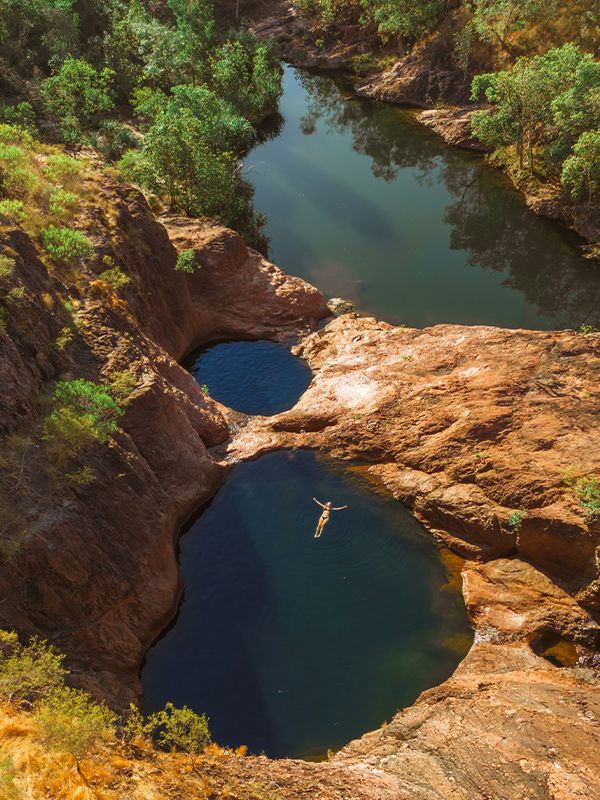
    So few of Australia’s most beautiful places remain untouched, but that’s not true in the NT. Take a short hike through monsoon forest in Litchfield National Park (just over an hour’s drive outside of Darwin) to reach the secluded Cascades swimming area. Here, take a dip in the lower or upper cascade pools, both surrounded by rugged bushland. And you’ll probably have it all to yourself.

    Plan your Northern Territory trip of a lifetime at northernterritory.com.