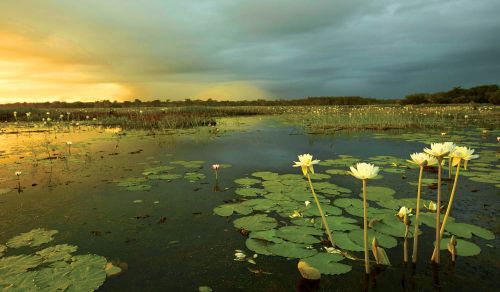
The Aussie Christmas you never thought of

hero media
Embrace the steamy weather for a Northern Territory Christmas you’ll never forget.

If dazzling light shows, an abundance of chilli mud crab and thundering waterfalls sound alluring, then prepare yourself to be swept away by the charm of the Northern Territory this Christmas. Escape the crowds of the east coast and embrace a truly unique festive experience by heading to Australia’s often overlooked but fun – and accessible – holiday destination. This is what you can expect.

Let’s talk weather

Yes, it’s hot but the great thing about the NT is that hotel and tour operators are prepared for the heat, and you can be too. Wake early for that hike in the MacDonnell Ranges and embrace afternoon siestas for a well-rested holiday season. Take comfort in the fact it’s the wet season. Yes, take comfort. Because anyone who’s travelled to Thailand or Bali in the wet will know how welcoming an afternoon downpour is. It’s so refreshing you’ll find yourself with renewed enthusiasm to set off exploring again.
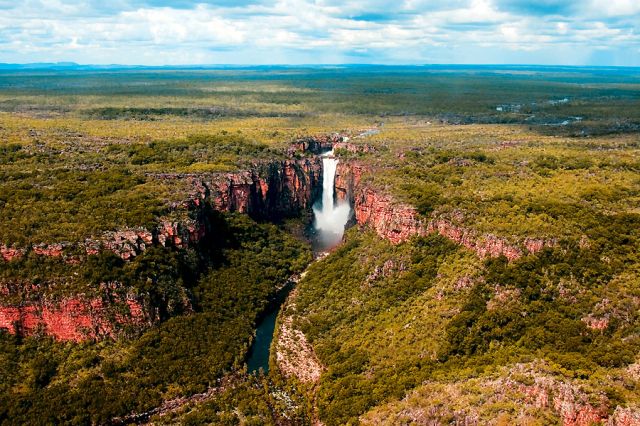
Jim Jim Falls, Kakadu
Jim Jim Falls Kakadu just after the wet (Photo: Tourism NT)

“I love the unpredictability of the big storms and how you can get drenched and not feel cold, but rather exhilarated and alive," says Kakadu National Park threatened species officer Shiona Macdonald. “Being muddy and wet up here doesn’t matter."

Fancy yourself a storm chaser?

If you love a Christmas drama, watch the skies light up with magnificent electrical storms. One of the best places to enjoy the wild weather is from one of the eateries at Darwin’s historic Stokes Hill Wharf. Our pick is Crustaceans on the Wharf, where you can dine on wild-caught barramundi and chilli Singaporean-style mud crab while soaking up the ocean views.
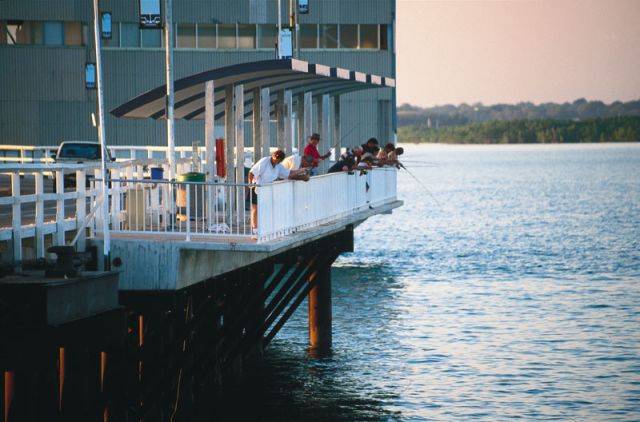
Stokes Hill Wharf. Image by Tourism NT

“When Christmas rolls around in the Top End, Mother Nature reminds us," says Tourism NT deputy CEO Andrew Hopper. She puts on a show of ruby-red Darwin sunsets and the summer rains add a lushness to the tropical greenery in our parks and reserves.


“And to help get Territorians into the festive mood – not that we need encouraging – our sultry nights and summer lightning storms add a touch of festive bling to the season."

Yes, you can swim

Swimming at Christmas is as quintessentially Australian as cooking a feast on the barbie, and there are plenty of safe and beautiful areas to take a dip in the NT. Swap the surf crowds of Byron for the fun vibes of Darwin Waterfront, where there’s a gentle beach and family-friendly wave pool.
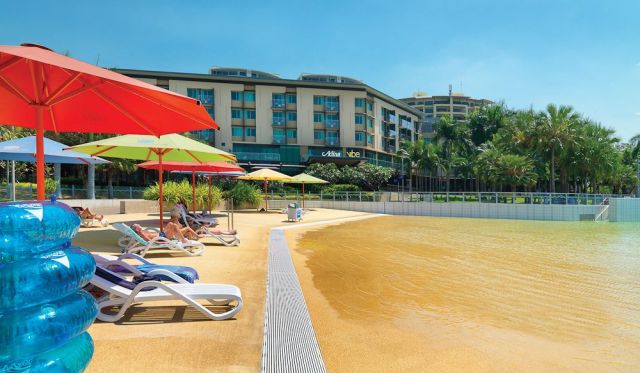
Lagoon side, Darwin Waterfront.
Cool off at the Darwin Waterfront wave pool and lagoon.

You won’t be able to swim in the waterholes of Kakadu and other parks (wet season = more crocs) but the City of Darwin understands the need to cool down and has provided plenty of water parks (and check out our reasons why you should still visit Kakadu in the wet season). Families will love Leanyer Recreation Park, where there is a splash zone, slides and a large pool. It’s closed on Christmas Day but open Christmas Eve and Boxing Day. And did I mention it’s free?

Need tips, more detail or itinerary ideas tailored to you? Ask AT.

AI Prompt

The waterfalls are working
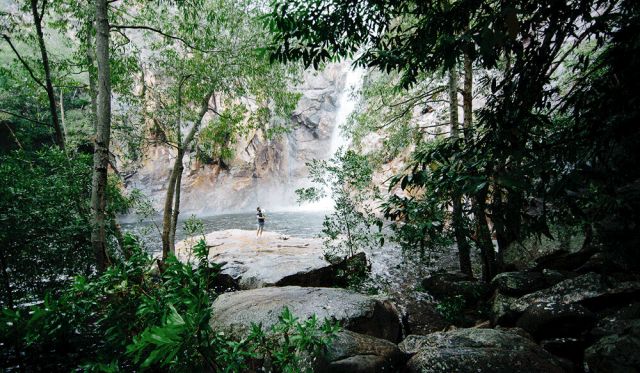
Kakadu wet season national park northern territory
Peering at Motor Car Falls atop a giant boulder (photo: Jennifer Pinkerton).

Sure, the wet season means fewer natural waterholes to swim in thanks to saltwater crocodiles moving in, but the trade-off is that the waterfalls are in full flow. It’s one of the main reasons travellers love Christmastime in the NT. Let Santa gift you a scenic flight over the magnificent Jim Jim Falls and you’ll instantly be transported out of World Heritage-listed Kakadu and into Jurassic Park; check out Kakadu Air (and read all about our favourite Kakadu tours).


Litchfield National Park’s waterfalls are also a sight to behold in December, with Wangi Falls a highlight. Some roads and walking tracks close over summer, but most of the park is open year-round and there are viewing platforms from which you can watch the falls.
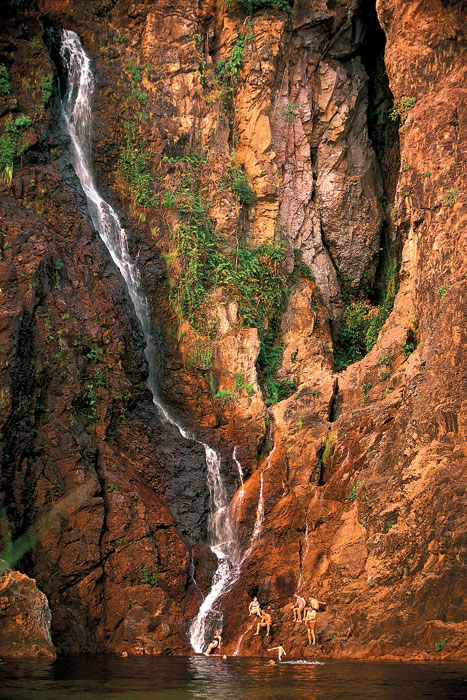
The cooling Oasis of Wangi Falls deep inside Litchfield Park.

There are fish in the sea

It’s no secret the NT lures fishermen from around Australia thanks to the mighty barramundi, and one of the best ways to catch fishing fever is by signing up to the Million Dollar Fish competition. Held over summer (October to March), it’s the Territory’s largest fishing competition thanks to its whopping jackpot (check out our guide to NT fishing in the wet season).
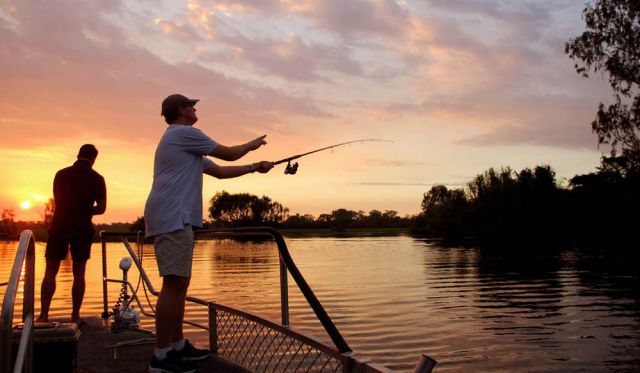
Fishing Kakadu Nothern Territory holdays attractions culture outback
Fishing at Yellow Water River with a spectacular sunset glowing in the distance.

Gardens are green

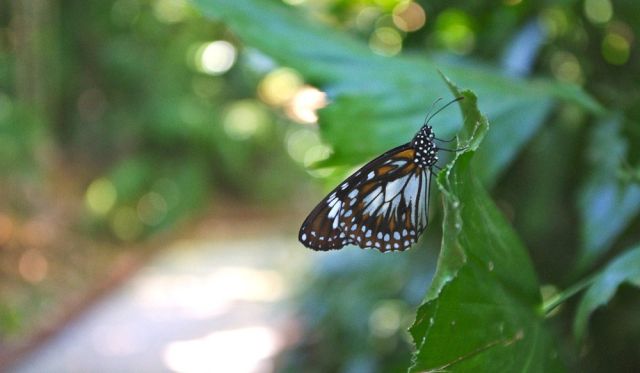
A butterfly in Darwin’s George Brown Botanic Gardens

Tourism NT has dubbed the wet the ‘green season’ for good reason – the vegetation flourishes over Christmas and well into summer. It makes for the perfect time to take a stroll through the tropical George Brown Darwin Botanic Gardens (read more about the gardens in our Darwin guide), earmarked for a $9.9 million facelift in 2019. In the lead up to Christmas, the gardens host carols by candlelight and have a Christmas tree lights display.

The list goes on

Kicking off the festive season in the Red Centre is the Alice Springs Christmas Carnival. Held at the start of December, the heart of Alice thrives with buskers and street performers, market stalls and food vendors.


Back in Darwin, you can enjoy Christmas feasting of an untraditional kind at Rapid Creek Markets, where stalls overflow with a wonderful array of Thai herbs, vegetables and desserts. The markets are open year-round and, just 20 minutes from the city, are easy to get to.

Weekly travel news, experiences
insider tips, offers, and more.

Not all roads are closed
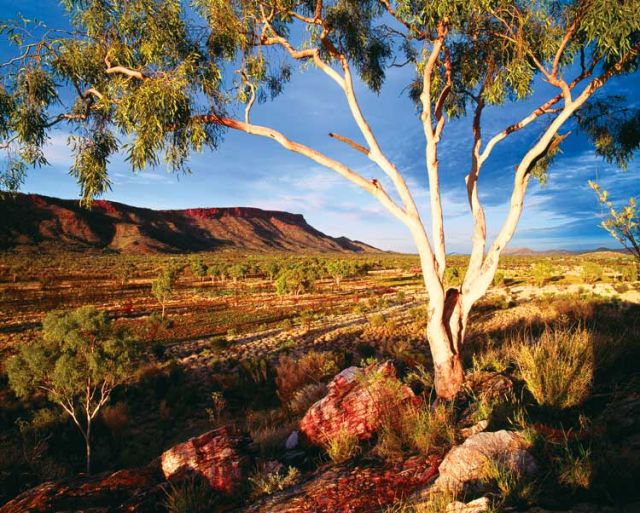
The West MacDonnell Ranges
The West MacDonnell Ranges from the road AKA The Red Centre Way

Yes, some roads around the NT will be closed as frequent downpours make them impassable to everything other than a boat, but not everywhere is off limits. The aforementioned Litchfield is open and is only 120 kilometres south-east of Darwin. Kakadu is also open, and a highlight of any trip to the NT is a journey on the park’s beautiful Yellow Water Billabong with Indigenous-owned Yellow Water Cruises (read up on the Yellow Water Cruises and our other favourite tours). Operating 12 months of the year, be wowed this Christmas by getting close to estuarine (saltwater) crocodiles. Other wildlife, such as golden tree snakes, black-necked storks and Jesus birds, are also bound to impress.
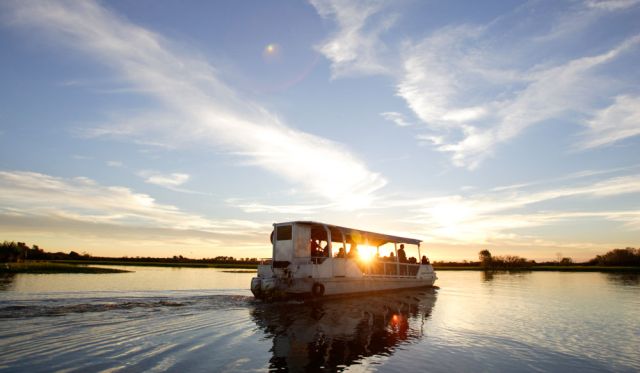
kakadu nothern territory holdays attractions culture outback
Enjoy a Yellow Water Cruise at sunset through the Kakadu wetlands (photo: David Hancock).

Check the NT’s weather-dependent roads here.

Embrace your inner Scrooge

Christmas can be expensive, so let’s not overlook one of the main drawcards for spending the holiday season in the NT – it’s cheaper. That’s bound to please even the grumpiest of Scrooges, who’ll be able to scrimp on discounted flights, accommodation and attractions. Perfectly positioned Cooinda Lodge in Kakadu, for example, has special festive-season rates; book through kakadutourism.com.
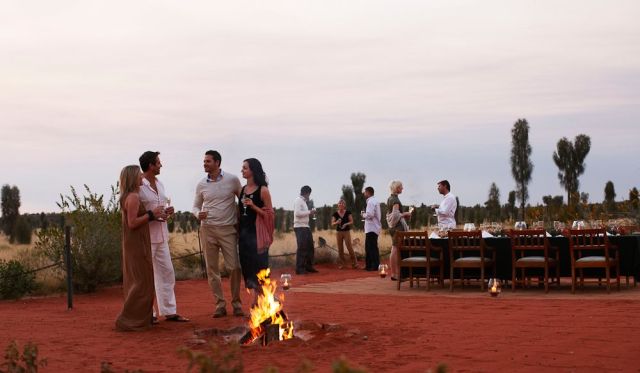
Dining at Longitude 131 Uluru.
Open air dining par excellence: Longitude 131, Uluru.

If budget isn’t of concern and you want to experience some of the NT’s seriously seductive resorts, Christmas could be the perfect time. At the exclusive Longitude 131° (read our review of Longitude 131°) you can start Christmas Day with a special pre-dawn guided tour of Kata Tjuta, and later enjoy a shared-style seafood lunch with local bush flavours. That beats Aunty Susan’s pavlova any day, right?

For more information on things to do in the NT, visit the official Northern Territory website at northernterritory.com

Jennifer Ennion
Jennifer Ennion is a freelance travel and ski journalist who loves encouraging people to spend more time outdoors. From snorkelling with belugas in sub-Arctic Canada to hiking the Himalayas, Jennifer is constantly searching for stories that inspire readers to push their boundaries.
View profile and articles
hero media

Discovering East Arnhem: Australia’s most unique and rewarding corner

    Joanne Millares Joanne Millares

    Hard to reach and harder to forget, East Arnhem offers something rare in modern travel: the chance to slow down and experience Country on its own terms.

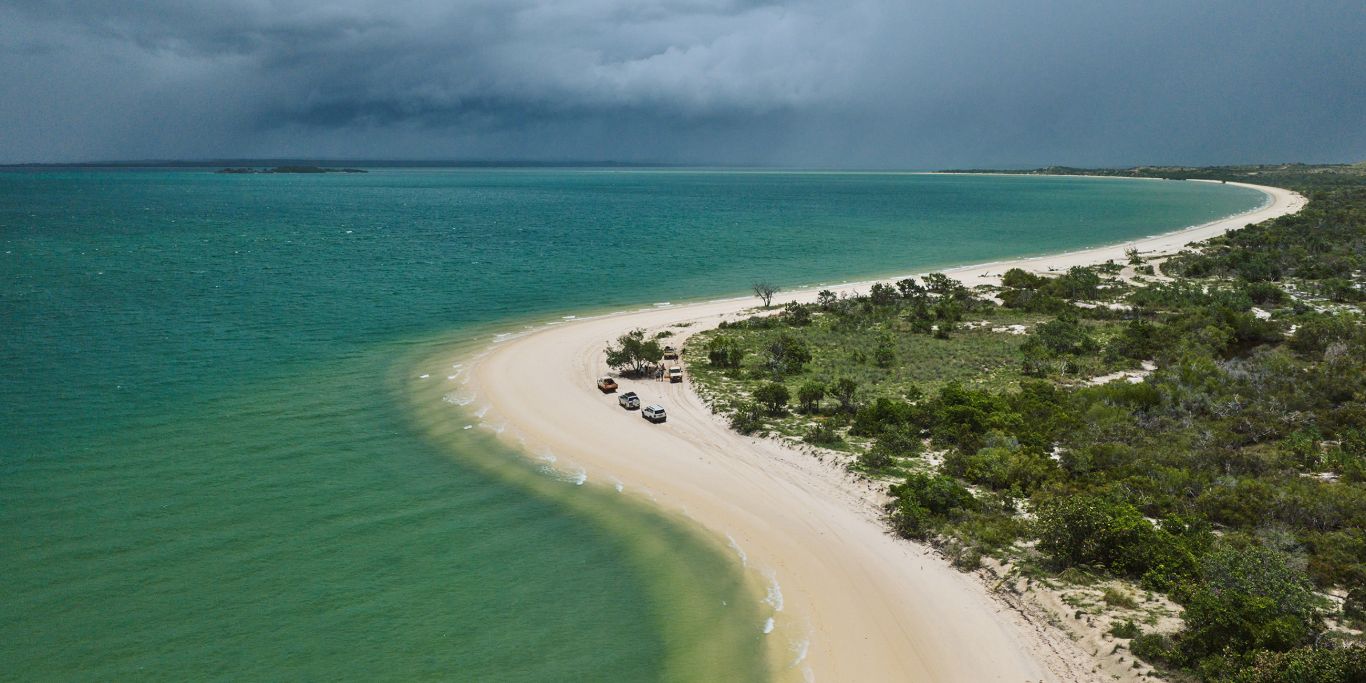
    The sky feels bigger in East Arnhem. It stretches wide and uninterrupted above rouged earth, stringybark woodland and beaches so empty they seem to belong to another era. The coastline curves for kilometres without a footprint and the horizon runs on forever.

    For comedian Lou Wall, the scale of the place was the first thing that hit them.

    “The sheer openness,” they say. “The sky feels infinite and the land stretches out endlessly. It’s pretty breathtaking visually.”

    But the physical landscape is only part of the story. The real reward isn’t only the scenery but the shift in perspective the journey brings. Visitors stop trying to tick off the destination and a real engagement takes over.

    “It made me never want to travel again,” Wall jokes. “In that I never wanted to leave East Arnhem.”

    Getting there

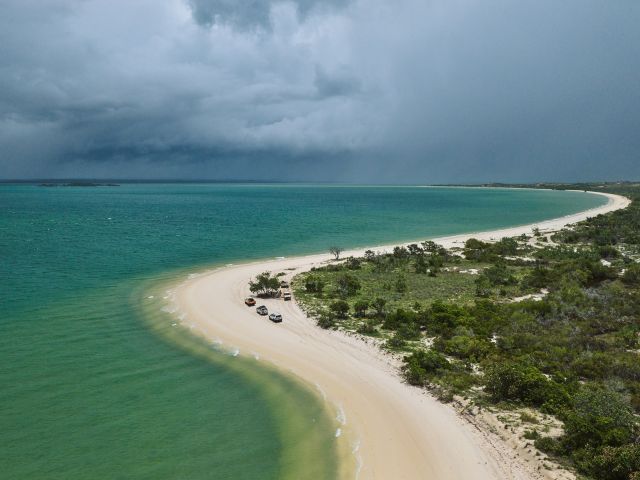
    Aerial shot of East Arnhem’s coastline as cars trace the curve of the shore.
    Sail along the remote coastline on an expedition cruise.

    Reaching East Arnhem is part of the adventure. Travellers typically fly into Gove Airport near Nhulunbuy via Darwin or Cairns, or arrive by expedition cruise along the remote coastline. Others make the journey overland along rutted dirt roads that cut through East Arnhem’s small pockets of monsoon forest.

    However you arrive, there’s a distinct feeling of crossing into somewhere different. Permits are required to visit the region, reflecting the fact that this is Yolŋu land where communities and traditional owners maintain deep cultural connections to Country.

    The extra planning becomes part of the experience. By the time visitors arrive, they understand they’re entering a place not just of respect, but also patience and curiosity.

    At one with nature

    East Arnhem’s  landscapes leave a strong imprint. For Wall, one place in particular still lingers in their memory: Ngalarrkpuy, also known as Lonely Beach, near Bawaka Homeland.

    “I genuinely felt like I was living inside an Instagram filter,” they say. “One of the most stunning feats of nature I’ve ever seen. The water was so clear I swear I could see even the fish smiling.”

    Across the region, natural experiences unfold at a slower pace. Fishing, beachcombing and island hopping reveal the rhythm of the coastline. The tides shape daily life and the vastness of the landscape makes even simple moments feel downright cinematic.

    For visitors with limited time, Wall says the Bawaka Homeland experience is unmissable.

    “I just left and I’m already planning when I can get back there.”

    The sense of remoteness is part of the appeal. In a country where many beaches are crowded and well-trodden, East Arnhem’s coastline still feels wonderfully wild.

    Immersing in local culture

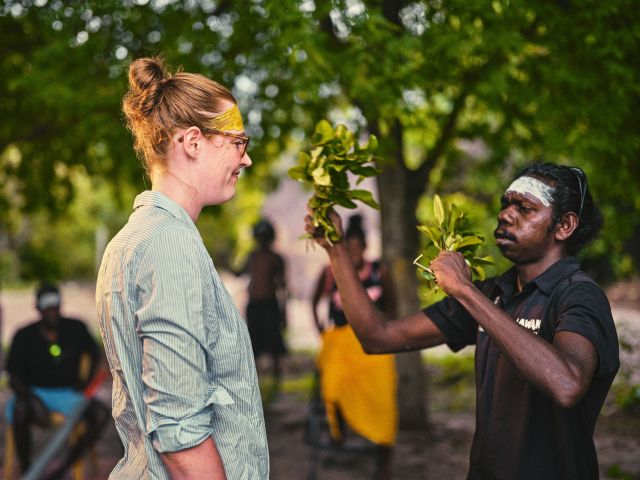
    A visitor spends a meaningful moment alongside Yolŋu guides, gaining insight into their deep cultural knowledge and connection to the land.
    Experience authentic moments with the locals.

    Culture is woven through every experience in East Arnhem. Visitors have the opportunity to spend time on Country with Yolŋu guides and knowledge holders who share stories and traditions that have been passed down for generations.

    For Wall, one of the most powerful moments came during a conversation with a Yolŋu elder.

    “I got to meet a traditional elder, Mayalil, in Nhulunbuy,” they say. “Listening to her talk about her home made the land feel alive in ways I couldn’t have imagined.”

    The region is also home to internationally recognised Aboriginal art centres where artists shape works deeply connected to land and family knowledge.

    Music carries the same cultural energy. East Arnhem has produced globally recognised artists such as King Stingray and Baker Boy, blending Yolŋu language, storytelling and contemporary sound.

    Wall experienced this musical spirit first-hand.

    “A jam session around the fire was it for me,” they say. “Letting the deep joy and history of their music wash over me…  and meeting a few of the King Stingray musicians was unreal.”

    These moments of human connection often become the most memorable part of a visit.

    Spotting local wildlife

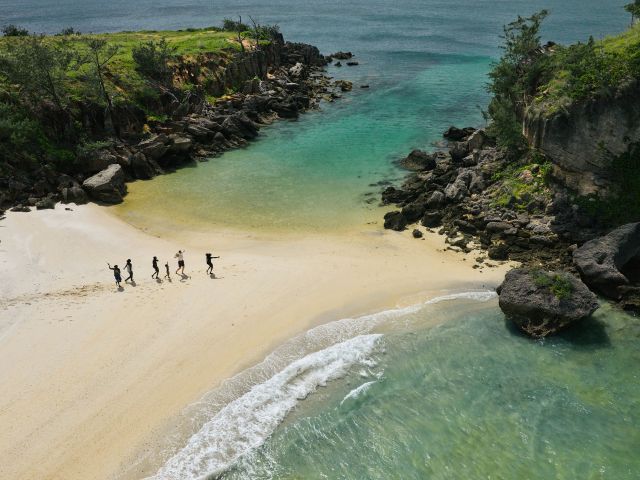
    An aerial view of the beach shows tiny figures lined up across the white sand, moving as if in a rhythmic dance.
    Step into a world where nature reigns.

    The wildlife of East Arnhem adds another layer to the experience. The region is home to an extraordinary range of animals, from waterbirds and turtles to dugongs, dolphins and the formidable saltwater crocodile.

    Wall admits they didn’t actually spot a croc during their visit.

    “Devastatingly, I didn’t see one,” they laugh. “But with all the stories from the locals I definitely gained a healthy respect for caution.”

    Some of the most memorable wildlife encounters can be surprisingly small., At Banubanu Beach Retreat on Bremer Island, Wall remembers walking along the beach one morning and watching it come alive.

    “As you walk through the sand you see hundreds of crabs scurrying into their holes as you pass by,” they say. “Such a small thing, but it was completely magical.”

    Moments like this reveal the quieter rhythms of East Arnhem, where even the smallest creatures seem to play a part in the landscape.

    Visitors who make the journey soon learn the most important travel tip of all.

    “Go in open-minded with a sense of curiosity,” Wall says. “Be prepared to ditch your plans. The land and the locals will guide you on an adventure no spreadsheets could ever compete with.”

    And most importantly, they add, don’t rush.

    “The land and people deserve your time and attention. You’ll be all the better for slowing down.”

    For more information on visiting East Arnhem, head to eastarnhem.com.au.