6 incredible wonders in South Australia to explore

hero media
Australia is full of wonders, from icons to the lesser known. Here, we’ve curated 6 wonders from our 100 list that South Australia gets to call its very own.

This article is part of our 100 Australian Wonders series. Throughout the series, we explore our nation’s wonders across culture, nature, food, islands and many more. We hope it inspires your own exploration of Australia’s many wonders.

1. Adelaide Oval, SA

Travelling with: Alexis Buxton-Collins

Whether you’re standing in the shade of the giant Moreton Bay figs looming over The Hill or sitting 50 metres above the turf on the roof of the new Riverbank Stand, being at Adelaide Oval on game day is always a thrill.
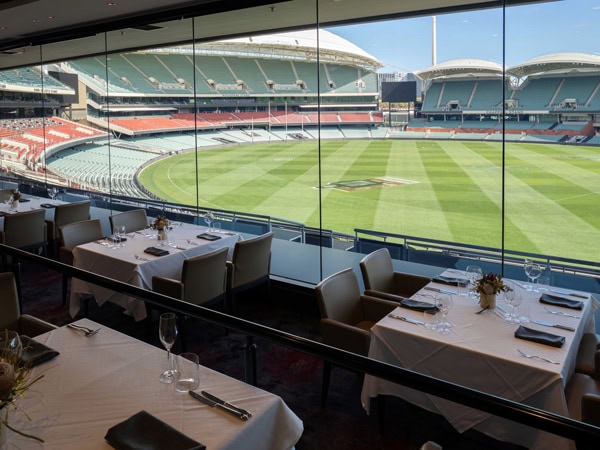
the Adelaide Oval in SA
Visit Adelaide Oval to see AFL, cricket, and more. (Image: Oval Hotel)

The rest of the time, visitors can step inside the hand-operated 1911 scoreboard or test their skills against the world’s greatest batsman at The Bradman Collection.

Want to stay the night? Australia’s first stadium stay, Oval Hotel , is just a few steps away behind soundproofed walls thick enough to withstand a Guns N’ Roses concert.
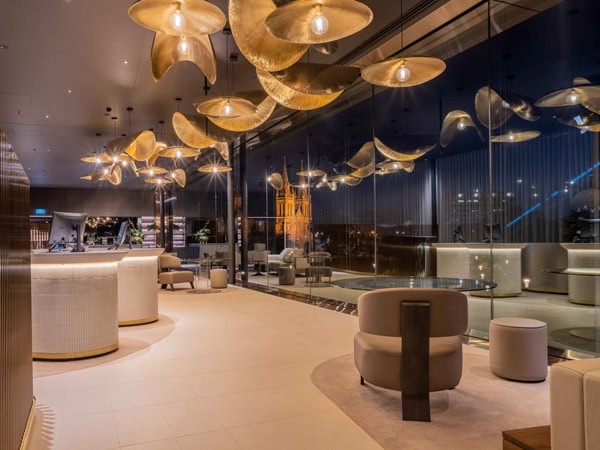
the elegant interior of Oval Hotel
The Oval Hotel is just a few steps away from Adelaide Oval. (Image: Oval Hotel)

2. Balumbul/Umpherston Sinkhole, Mt Gambier, SA

Travelling with: Kassia Byrnes

As the ocean slowly retreated, the exposed volcanic landscape of the aptly named Limestone Coast rose to the surface. Today, sinkholes, caves, ponds and lakes make this region of South Australia a paradise for serious divers, recreational swimmers and curious travellers alike.

But none leave an impression quite like the almost magical garden of Balumbul/Umpherston Sinkhole in Mt Gambier. Walk along impossibly green terraced gardens of ferns and hydrangeas and wind through hanging vines while towering palm trees make a bid for freedom as they reach towards the sky.

Stay until dusk, when the garden begins to come alive with possums coming out to feed.
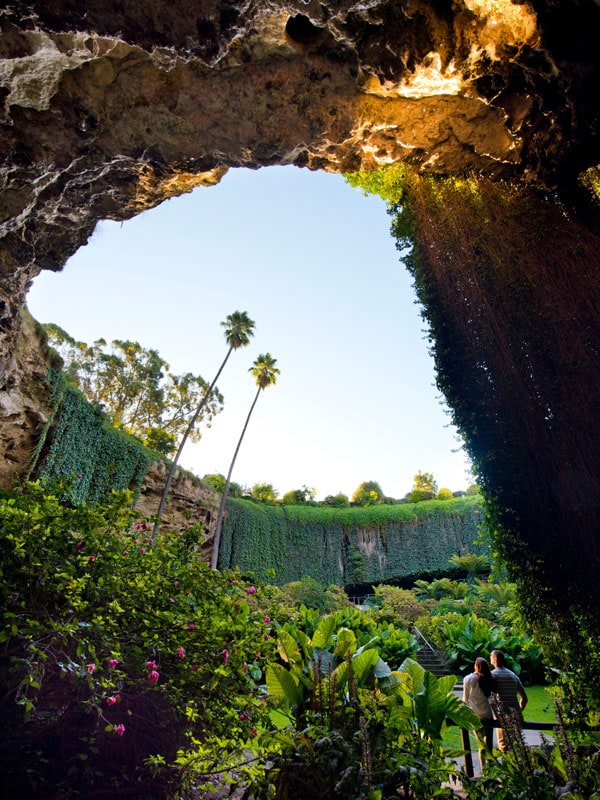
the Umpherston Sinkhole in Mt Gambier, SA
Towering palm trees reach toward the sky at Umpherston Sinkhole. (Image: South Australia Tourism Commission)

3. Seal Bay, Kangaroo Island, SA

Travelling with: Imogen Eveson

One of Australia’s most extraordinary wildlife encounters lies in wait on the wild southern coast of the country’s third largest island. A Kangaroo Island trip is incomplete without padding your way down through the sand dunes to Seal Bay, home to Australia’s third-largest colony of Australian sea lions.

Pups play in the sand and surf, bulls fight for supremacy and mothers rest with their young. Seal Bay has been a protected area since 1954 and the population of this endangered species numbers 1000 here.
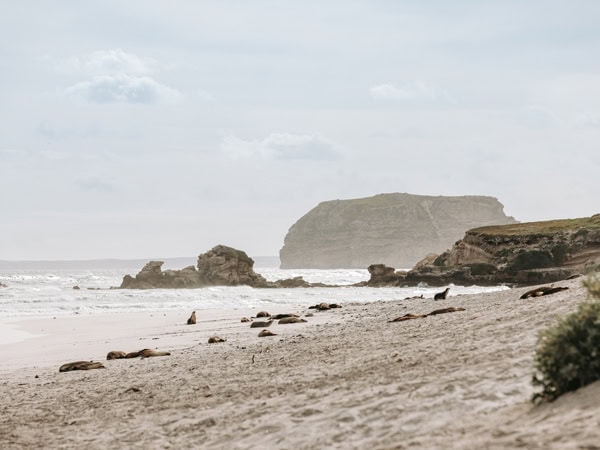
the rugged shoreline of Seal Bay, Kangaroo Island
The rugged shoreline of Seal Bay has been a protected area since 1954. (Image: Kangaroo Island Tourism Alliance)

Head to the visitor centre to follow a guide to the heart of the colony on the beach (from a safe and respectful distance) while learning about the unique breeding cycle of these magnificent wild creatures and the site’s ongoing research programs. You can also observe the action from the self-guided and wheelchair-accessible boardwalk that winds through the dunes.

A visit to Seal Bay with a guide from Southern Ocean Lodge is also a highlight of a stay at the newly relaunched luxury accommodation that puts guests in the wild heart of this wild island.
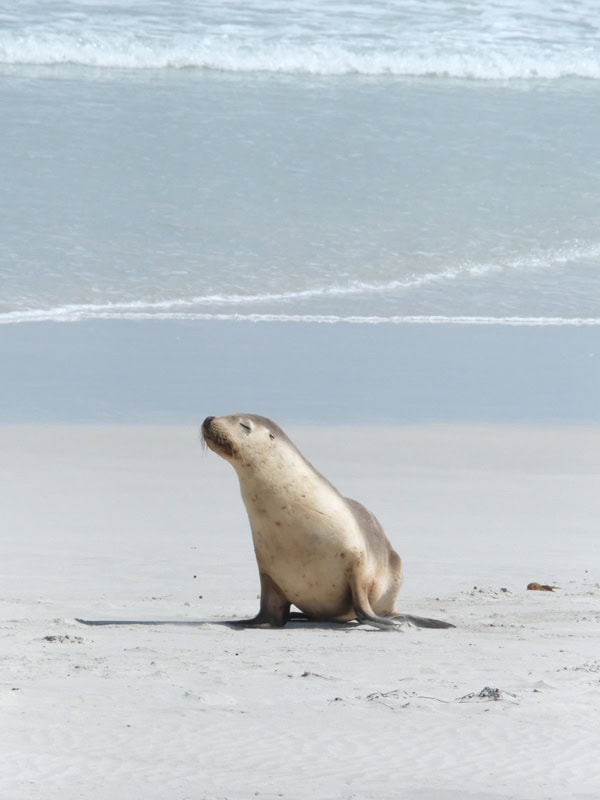
a sea lion at Seal Bay
See a resident sea lion at Seal Bay, Kangaroo Island. (Image: Imogen Eveson)

4. Kangaroo Island’s Ligurian honey bees, SA

Travelling with: Elizabeth Whitehead

It’s an ironic peculiarity that the purest strain of Ligurian bees resides on the opposite side of the world to their homeland. Twelve hives of Ligurian bees were brought from Italy to Kangaroo Island in 1881, chosen for their docile temperament and productivity.

The bees thrived – thanks to KI’s pristine landscape and climate that mirrors that of their ancestral home in northern Italy. This happenstance made Kangaroo Island the oldest bee sanctuary in the world, and as a result, a legacy of beekeeping has been instilled here.
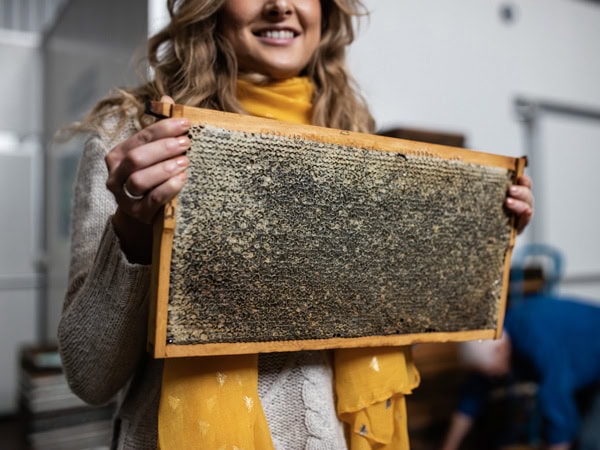
a beekeeper holds eaten honeycombs in Kangaroo Island
Kangaroo Island is the oldest bee sanctuary in the world. (Image: Tourism Australia)

This is evidenced by the passionate apiarists across KI who combine Italian bees with local botanicals to create a truly idiosyncratic honey – such as the organic Boobialla honey, with nectar harvested from native juniper and coastal beard heath.

Visit the Kangaroo Island Ligurian Bee Co. in Kingscote to learn all about this legacy.
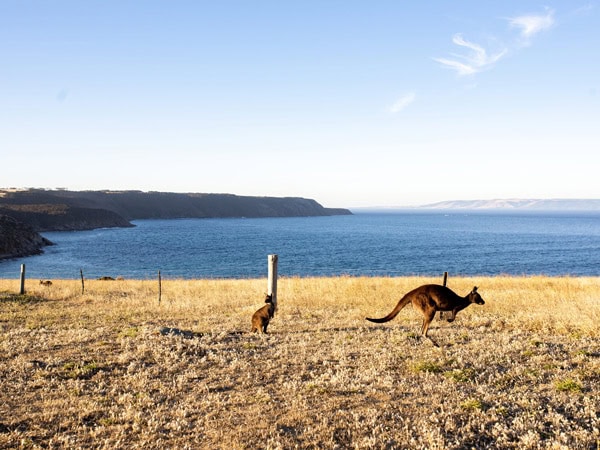
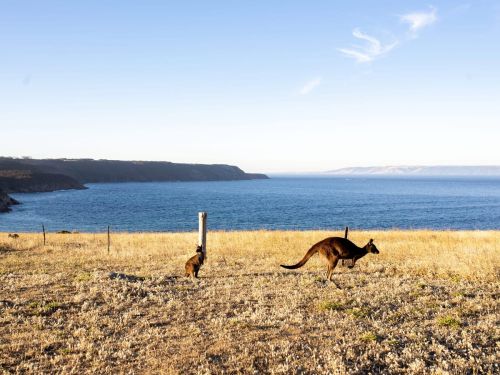
roos on Kangaroo Island
See resident roos on Kangaroo Island. (Image: Tourism Australia)

5. Flinders Ranges, SA

Travelling with: Alexis Buxton-Collins

Studded with more than 200 fossils, the nine-metre Alice’s Restaurant Bed records the very dawn of complex life on Earth. But the most astonishing thing about this 600 million-year-old slab of rock in the newly opened Nilpena Ediacara National Park is that visitors are allowed – even encouraged – to touch silverfish-like Spriggina, raisin-shaped Attenborites and Parvancorina that look like buttons stamped with an anchor.

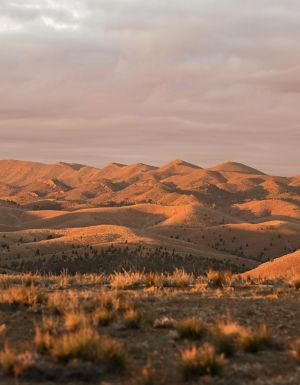
Visit nearby Wilpena Pound in Ikara-Flinders Ranges National Park, which looks like the aftermath of some cataclysmic eruption, and gaze up at the unblemished night skies over Arkaroola Wilderness Sanctuary, and it’s easy to see why this region has been nominated for UNESCO World Heritage status.
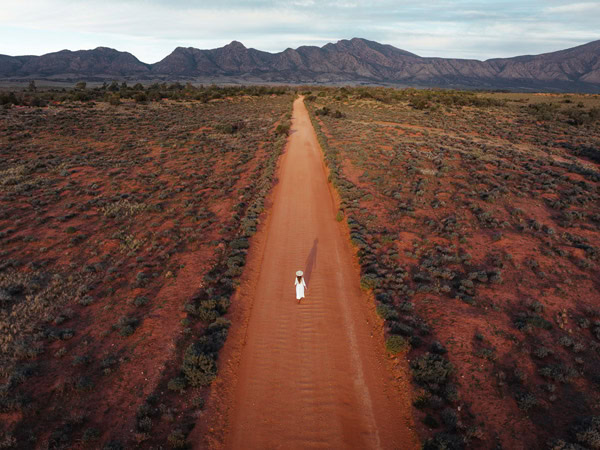
a woman standing in the middle of the desert plains in Flinders Ranges
Explore the ancient rocky landscapes of Ikara-Flinders Ranges National Park. (Image: Emilie Ristevski)

6. Kati Thanda-Lake Eyre, SA

Travelling with: Megan Arkinstall

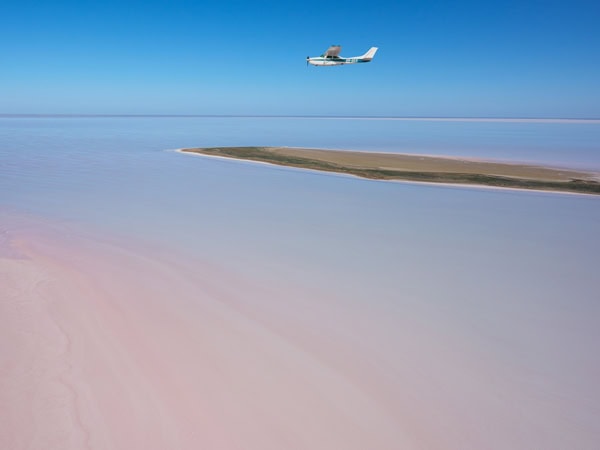
This glistening salt pan, which stretches for hundreds of kilometres across South Australia’s barren desert, is expected to transform into a pink and orange oasis of floodplains, channels and streams that attract a plethora of birdlife after heavy downfalls in the north earlier this year.

This natural phenomenon only happens once every few years, so 2024 is the time to witness it from above and from the ground with Outback Spirit’s exclusive and specialised Lake Eyre & Wilpena Pound Adventure or a scenic flight with Wrightsair .

a helicopter above Kati Thanda-Lake Eyre, SA
See Lake Eyre as it transforms into a pink and orange oasis from above. (Image: South Australian Tourism Commission)
Keep reading our 100 Australian Wonders series; from road trips, outback and cultural wonders to foodie wonders and many more.
hero media

8 Red Centre locations to explore after seeing the new movie, Kangaroo

    Lucy CousinsBy Lucy Cousins
    Spend a few days visiting the real-life Central Australian locations that inspired the new film everyone is talking about, and discover why Alice Springs is such an important part of Australian culture.

    In the credits of the new Australian film Kangaroo , the first name under ‘cast’ should read ‘The Northern Territory ’. Not only is Alice Springs (and the surrounding landscape) integral to the movie itself, but the spiritual heart of Australia and its local Indigenous owners also inform the look and feel of every frame, explains Producer Trisha Morton-Thomas of Brindle Films, who also plays Charlie’s grandmother Gwennie.

    “By setting Kangaroo in Alice Springs (Mparntwe), the film embraces how visible Aboriginal people are here, and the living Aboriginal culture that is woven through this community,” she explains.

    still from kangarro film
    See Kangaroo, then visit the real-life filming locations.

    And while shooting in such a sacred part of the Northern Territory required extra planning, it was something the cast and crew were highly invested in.

    “There are incredibly significant sacred sites and places of deep cultural stories in the area, that at times are very gender-specific, which we’ve kept out of the production,” she explains. “Even if overhead drone footage captures a sacred site that isn’t meant to be seen by other people outside of that clan, we’ve made sure to omit it from the film.”

    If Kangaroo piqued your interest in a Central Australian holiday, we don’t blame you. Read on to discover eight places featured in the movie that you can visit in real life – and get planning. Don’t forget to pack sunscreen and a hat.

    1. Alice Springs/ Mparntwe

    artist at Many Hands Art Centre
    Visit the galleries of Alice Springs, like Many Hands Art Centre. (Image: Tourism NT/ Helen Orr/ Many Hands Art Centre)

    The red and dusty streets of the film’s fictional town of Silvergum were filmed on the outskirts of Alice Springs. And, while the art gallery featured in the film is fictional, Alice Springs is a hub of creativity. See the work of local artists at the Araluen Art Centre , Yubu Napa Art Gallery , Iltja Ntjarra (Many Hands) Art Centre and the famous Tjanpi Desert Weavers .

    2. The Kangaroo Sanctuary & Kangaroo Rescue Centre

    The Kangaroo Sanctuary Alice Springs, the inspiration for the Kangaroo move
    Visit the movie’s inspiration at Kangaroo Sanctuary. (Image: Tourism NT/ Kangaroo Sanctuary)

    Kangaroo was inspired by the journey of Chris ‘Brolga’ Barns, who founded the now world-renowned Kangaroo Sanctuary based in Alice Springs. For lead actor, Aussie Ryan Corr, the animals were central to the movie, alongside the landscapes.

    “The animals in this story were a real calling point for me,” he explains. “What this story tries to tell us about the connection between humans and animals is beautiful.”

    To gain a real insight into the fauna and flora of the Red Centre, you can visit the Kangaroo Sanctuary on a sunset tour, where you might even get the chance to hold a baby kangaroo.

    3. Ormiston Gorge

    woman walking along the edge of Ormiston Gorge near alice springs
    Take a dip in Ormiston Gorge. (Image: Tourism NT/ @domandjesso)

    The film captures the raw beauty of the West MacDonnell Ranges, known in the Arrernte language as Tjoritja. This national park is rich in Indigenous culture and stark geological wonders.

    Only a 15-minute drive from Alice Springs, Tjoritja offers visitors the chance to camp, hike and swim among ancient landscapes (most attractions are less than a three-hour drive away).

    Ormiston Gorge , a cooling oasis in among the red desert sands, is one of the most popular destinations, no doubt because of the permanent swimming hole and towering red cliffs. From here, visitors can also embark on the beautiful Ormiston Pound Walk and the shorter – more accessible – Ghost Gum Walk. Bring your bathers – it’s safe for swimming.

    4. Standley Chasm

    woman walking through Standley Chasm near alice springs
    Wander through Standley Chasm. (Image: Tourism NT)

    The 1.2-kilometre walk to nearby Standley Chasm will be a highlight for any visitor as the imposing 40 metre-high chasm walls project strength and ancient wisdom.

    Visit at midday to experience the path illumined by the midday sun. Not only will you fill your camera roll with vibrant red images of the gorge and its intoxicating shadows, but you can also camp nearby in a powered or unpowered site so you can watch the brilliance of the desert stars fill the night sky after dusk.

    5. Simpsons Gap

    three people walking on path through simpsons gap near alice springs
    Walk the trails of Simpson’s Gap. (Image: Tourism NT/ Helen Orr)

    Closer to Alice Springs, the photogenic Simpsons Gap is the perfect place to spot the endangered Black-footed Rock wallaby near the permanent watering hole. While swimming isn’t permitted, soaking up the sun and views certainly is.

    Explore the area’s numerous walking trails, appreciate the soaring cliffs on either side of the ‘gap’ and pick out the shooting locations of Kangaroo in the area.

    6. Ellery Creek Big Hole

    aerial of Ellery Creek Big Hole near alice springs
    Dive into Ellery Creek Big Hole. (Image: Tourism NT/ Tourism Australia)

    When it comes to classic Northern Territory landscapes, you can’t go past Ellery Creek Big Hole/ Udepata : tall gum trees sidling up to a refreshing watering hole (fed by the West MacDonnell Ranges and surrounded by rugged red cliffs.

    Swim in the cooling waters, hike the cliff tops, watch for birds and even stargaze as you camp here overnight. It’s locations like this that attracted the film’s director Kate Woods to the project.

    “It humbles you to be in this environment: it’s so beautiful, so old and so vast,” she explains. “I was thrilled to get a chance to … shoot such a beautiful story in the incredible landscape of the Northern Territory.”

    7. Larapinta Drive

    aerial of Larapinta Drive into alice springs
    Drive along Larapinta Drive. (Image: Tourism NT)

    There is no better way to get a feel for how the characters arrived at the fictional Central Australian town of Silvergum than to travel along the iconic state road, Larapinta Drive.

    Connecting Alice Springs to the mighty King’s Canyon in the west, via the historic community of Hermannsburg, this road takes in the West MacDonnell National Park, Alice Springs Desert Park and artist Albert Namatjira’s house, among other attractions. Take your time, bring a camera and prepare for numerous stops along the way.

    8. Todd River

    competitors in Henley on Todd Regatta, alice springs
    Join in the fun of the quirky Henley on Todd Regatta. (Image: Tourism NT/ TImparja Creative)

    Meandering through Alice Springs like a lazy Western Brown snake, the Todd River is a central part of Alice Springs culture. Known as an ‘intermittent river’, the Todd can go from a dry dusty riverbed to a flowing waterscape in less than 15 minutes after heavy rainfall.

    When it’s dry, the famous Henley on Todd Regatta fills the sandy riverbed with handmade ‘boats’ carried by sailors. This is the world’s only dry river boating event, and it’s referenced in the ‘Silvergum Boat Race’ in the movie. Inspired by the real-life event, the characters built quirky “Flintstones-style boats” and competed in teams.

    See Kangaroo in cinemas now, and start planning your NT getaway at northernterritory.com.