Winter in the outback will leave you awestruck, so what are you waiting for?
From underground dugouts in the desert to quirky museums, old-school watering holes, and the dusty roads in between, we share why Outback NSW should be at the top of your travel bucket list this winter.
1. To wander underground dugouts in the desert
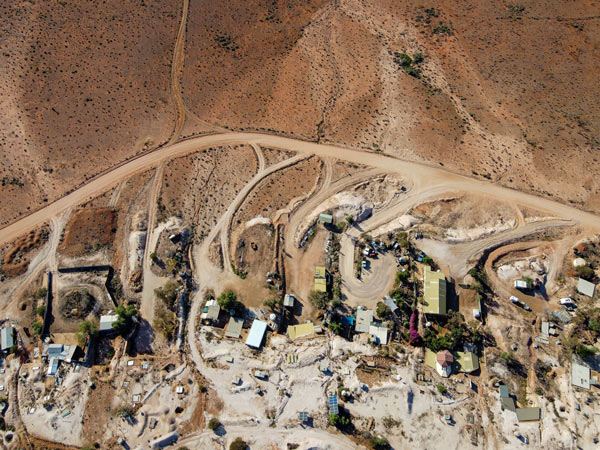
Since the 1880s, miners, hobbyists and other fortune-seekers have descended on White Cliffs to pursue opals.
And although the township seemingly appears abandoned with mounds of earth, holes in the ground and old ‘blower trucks’ in every direction, its residents actually live in underground dugouts to avoid the extreme summer conditions and keep temperatures between a pleasant 16-26°C.
Should you desire, it’s possible to visit an underground dugout or join a mine tour to experience the fossicking process and learn about the town’s history.
In addition, around dawn or dusk, we recommend going on a self-guided walking loop to Sullivan Hill and strolling to Turleys Hill for a spectacular vantage point.
2. To explore a lunar landscape at dusk
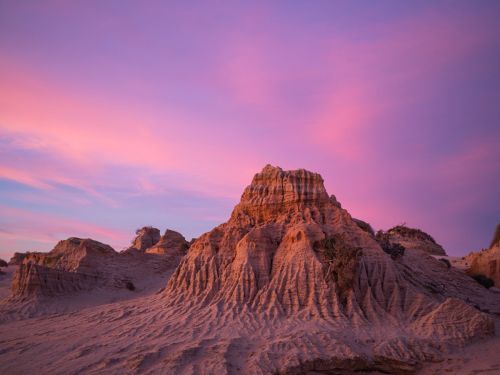
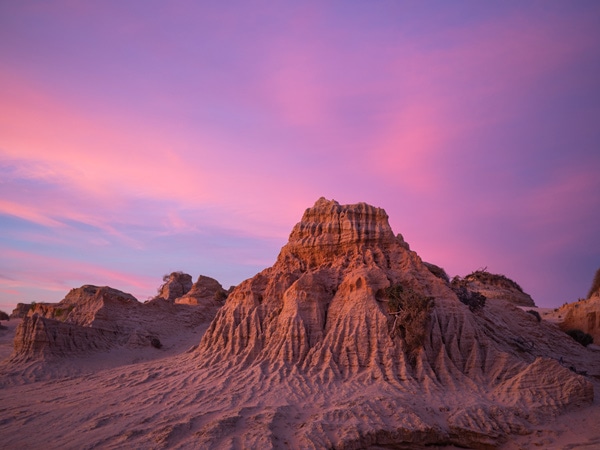
Traversing the corrugated path to Mungo National Park is a bumpy but memorable journey where clay and sand pinnacles stand in the desert, and the Walls of China highlight one’s visitor experience.
It’s here that Mungo Man and Lady Mungo were discovered – the oldest human remains found in Australia laid to rest over 40,000 years ago.
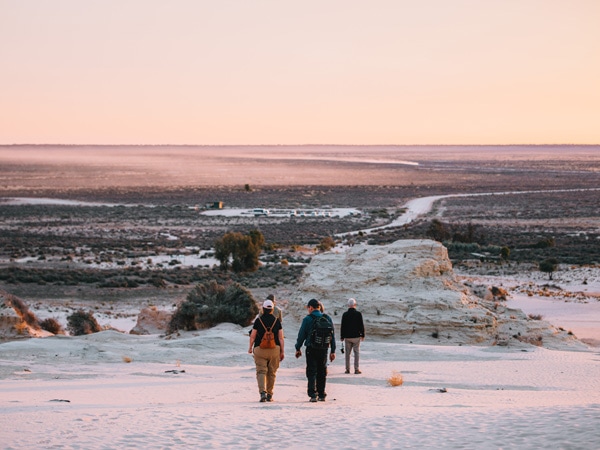
You’ll encounter ancient burial sites including the world’s oldest-recorded cremation site, stone tools, and old fish bones remaining fixed in the sand. Today, the land is maintained by the NSW National Parks and Wildlife Service and representatives of the local Barkindji, Ngyiampaa and Mutthi Mutthi communities.
To wander beyond the Walls of China viewing platform, you must join a sunset tour. We strongly recommend doing one with Mungo Lodge or National Park Aboriginal Discovery Tours to get up close and personal with these formations.
Accommodation options inside the park are plentiful and cater to all budgets, ranging from the no-frills Main Campground to Mungo Shearers’ Quarters and the high-end Mungo Lodge.
Need tips, more detail or itinerary ideas tailored to you? Ask AT.
AI Prompt
3. To discover silo and water tower art in Bourke
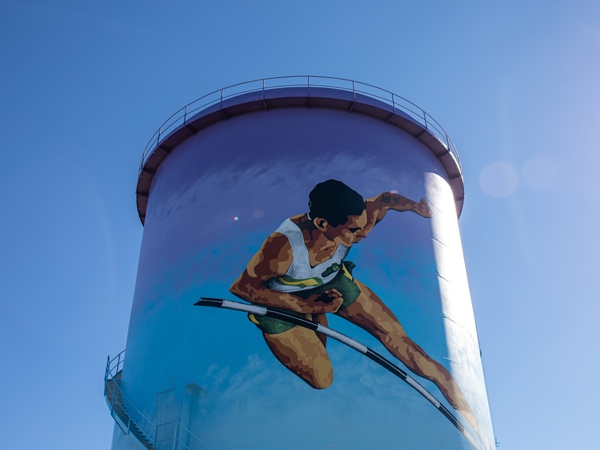
Not only are the outback murals enormous in stature, but they also offer insight into our rich country town history and the stories about the people who came from them.
Bourke’s hometown hero, Percy Hobson, is portrayed high jumping an impressive 2.11 metres to claim gold at the 1962 Perth Commonwealth Games – the first Indigenous Australian to do so.
By transforming silos and water towers into visual art pieces, these repurposed structures are often significant drawcards for communities, bringing tourism opportunities to the region and breathing new life into the local economy.
4. To encounter quirky museums and Aussie galleries
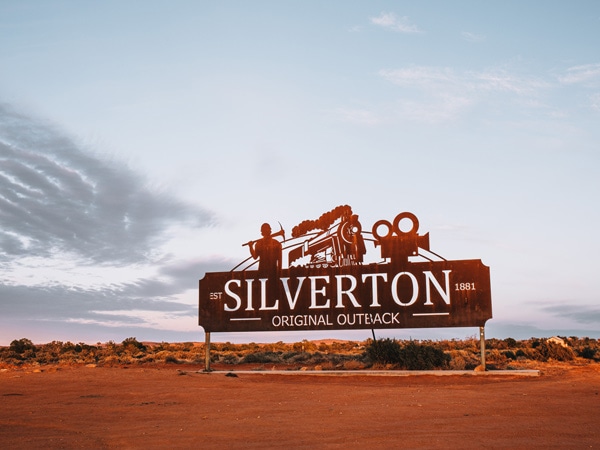
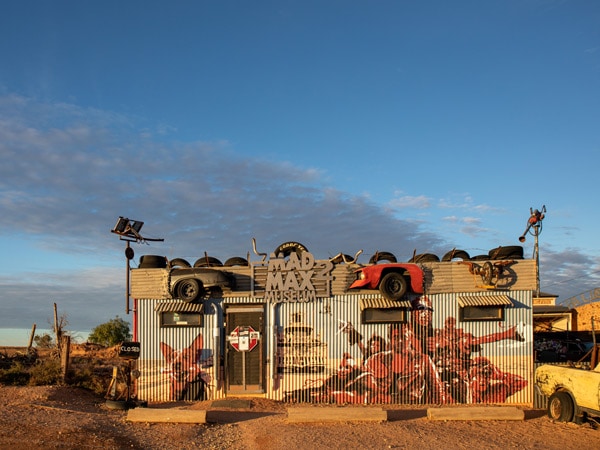
Chances are your film fanaticism is far from the level of Adrian and Linda Bennett, who moved their family from Northern England to the remote town of Silverton to set up the Mad Max Museum.
The carefully curated space features an extensive collection of original/replica vehicles, costumes and memorabilia that must be seen to be believed.
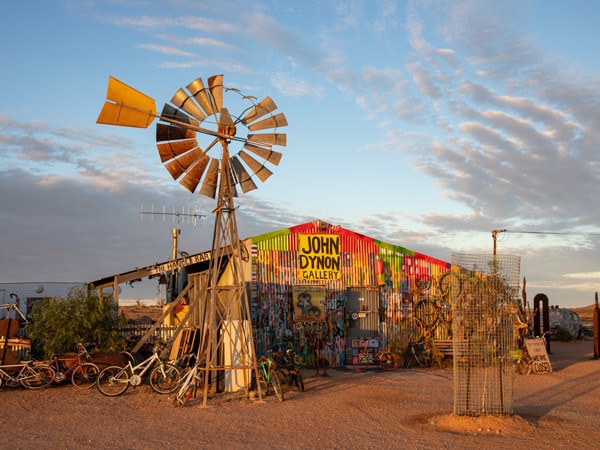
While you’re in Silverton, stop by John Dynon’s Gallery and studio. The facade is enough to turn heads with paint-splatted cars, bicycles and sculptures canvassing the entry point. Dynon’s artwork beautifully captures the feel of the outback with his renditions of emus, shacks and local rivers. And if you’re curious about his work, you can chat with him in person.
When you’re done exploring Silverton’s offerings, continue the drive to the Mundi Mundi Lookout for a view of the Barrier Ranges and relive the film set of an iconic Australian classic.
Weekly travel news, experiences
insider tips, offers, and more.
5. To visit old-school watering holes
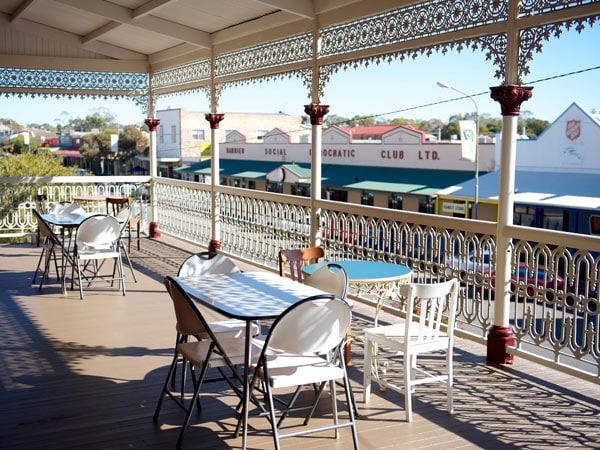
Our country town pubs are full of charm and larrikins and are often a great source of information about a region’s hidden gems and recommendations.
Couple that with the hearty feeds, the refreshing cold beverages, beer gardens and heritage architecture, and that’s a recipe for success. Our favourite watering holes include the Palace Hotel in Broken Hill, The Great Western Hotel in Cobar and the Tilpa Hotel in Tilpa.
6. To admire sculptures in the desert
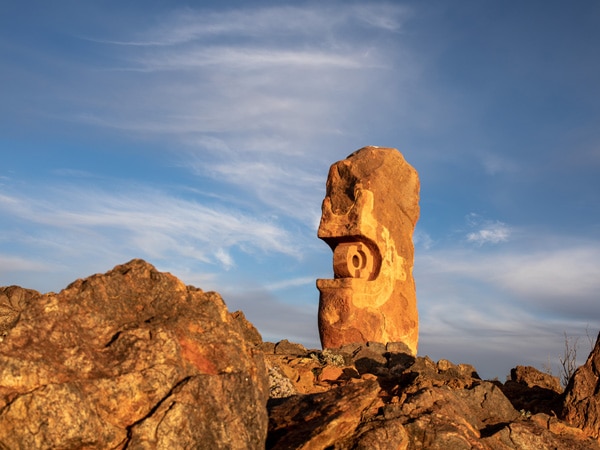
About a 15-minute drive from Broken Hill’s centre, 12 impressive sandstone sculptures stand triumphantly inside the Living Desert State Park.
The interplay of light, especially at sunset, gives these structures new life and purpose, so we recommend visiting in the late afternoon. Amidst this dramatic landscape, visitors can access numerous walking trails and fascinating flora and fauna sanctuaries.
7. To marvel at a forest of drowned trees
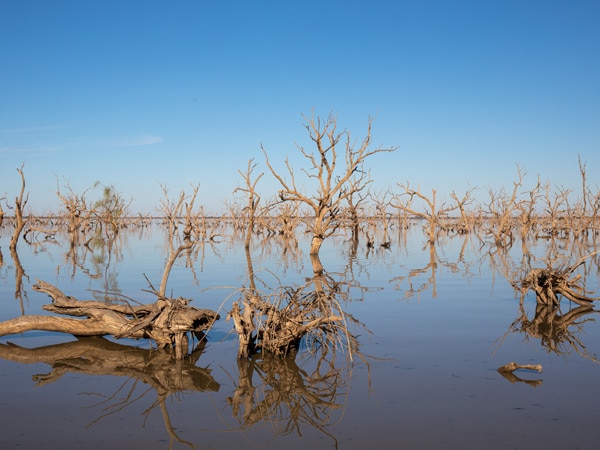
Black box trees rise from the ephemeral lakes along the Darling River, offering an eerie yet captivating view stretching kilometres.
The major highlight of any trip to Menindee Lakes is a camping experience on the shores of Lake Pamamaroo as the sun goes down. Caravans, 4WDs, tents and swimmers line the banks, and it won’t cost you an arm and a leg to stay here – it’s actually free.
Although our Outback can be very desolate and unforgiving, regional NSW’s hidden gems prove that some of the best travel destinations in the world are right under our noses. We urge you to adventure there this winter!
Want to see more stories from Australian Traveller in your Google search results?
- Click here to set Australian Traveller as a preferred source.
- Tick the box next to "Australian Traveller". That's it.