hero media

Australia’s top town for 2026 is a wine region with no beach

Credit: Tourism and Events Queensland / Jewels Lynch

The Granite Belt locale is also home to Queensland’s coldest winters.

Stanthorpe has been named Australia’s Top Tourism Town for 2026, taking gold at a ceremony at Parliament House in Canberra on 15 September.

It’s a win for a town that doesn’t usually collect national titles. It doesn’t have the reef, or the rainforest, or a celebrity chef strip. What Stanthorpe has is granite country, cellar doors pouring cool-climate shiraz and pinot, apple and stone-fruit orchards, and the coldest winters in Queensland, and that turned out to be enough to beat everything else in the country.

Announcing the win, Australian Tourism Industry Council CEO Erin McLeod said Stanthorpe brought together “outstanding visitor experiences with a strong sense of local character and a community that understands what it takes to create an exceptional visitor experience".

“Our regional towns are central to the way visitors experience Australia. They encourage people to travel beyond our major cities, discover new destinations and experience the landscapes, people, produce and stories that make different parts of our country unique," McLeod said.
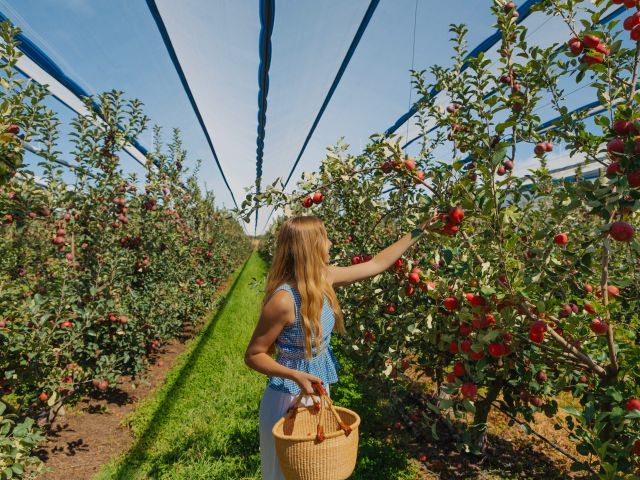
Lady picking apples at Nicoletti Orchards in Stanthorpe, Queensland
Go apple picking in Stanthorpe. (Credit: Demi Gavin)

The result has been building. Stanthorpe took silver in the Queensland awards in 2025, went one better in June when it was crowned Queensland’s Top Tourism Town, and has now converted that into national gold. It also placed 78th on Australian Traveller’s 100 Best Aussie Towns for 2026 list.

Worth remembering how far the town has come to get here. Stanthorpe began trucking in drinking water in January 2020 after Storm King Dam dropped to critically low levels, and the ABC reported 14 truckloads a day were going in to meet a requirement of 1.3 million litres.

“The tourism industry died when the drought really started to bite," Stanthorpe and Granite Belt Chamber of Commerce president Graham Parker told the ABC in 2021, as the dam refilled and he urged travellers to come back.

Five years on, they have, and then some.

Winter is the drawcard on the Granite Belt. Frost, fireplaces and cold-climate reds are the whole point, and the harvest calendar gives the warmer months their own reason to go. It’s about three hours from Brisbane by car, which makes it a weekend rather than something you need annual leave for.

“We are fortunate in Australia to have extraordinary stories and experiences in every corner of the country, especially in regional communities where nature, culture, heritage, local knowledge and people that create lasting memories for visitors," Federal Minister for Trade and Tourism, Don Farrell, said.

“The towns nominated today showcase the breadth and diversity of our tourism offering and reward the visitors who choose to venture further and discover the regions that help make Australia so unique."

Need tips, more detail or itinerary ideas tailored to you? Ask AT.

AI Prompt

All 2026 winners

Top Tourism Town
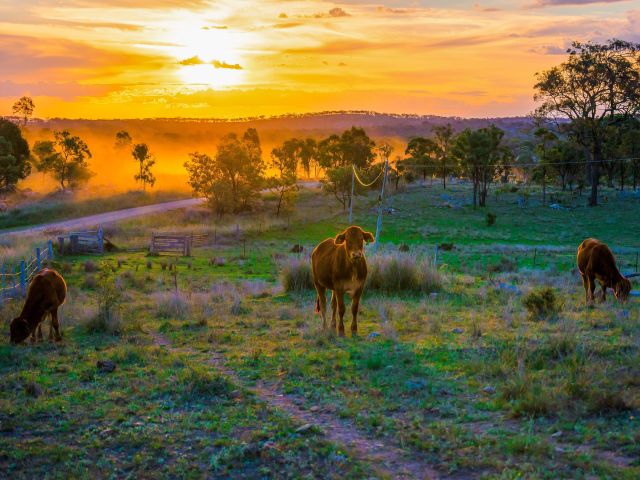
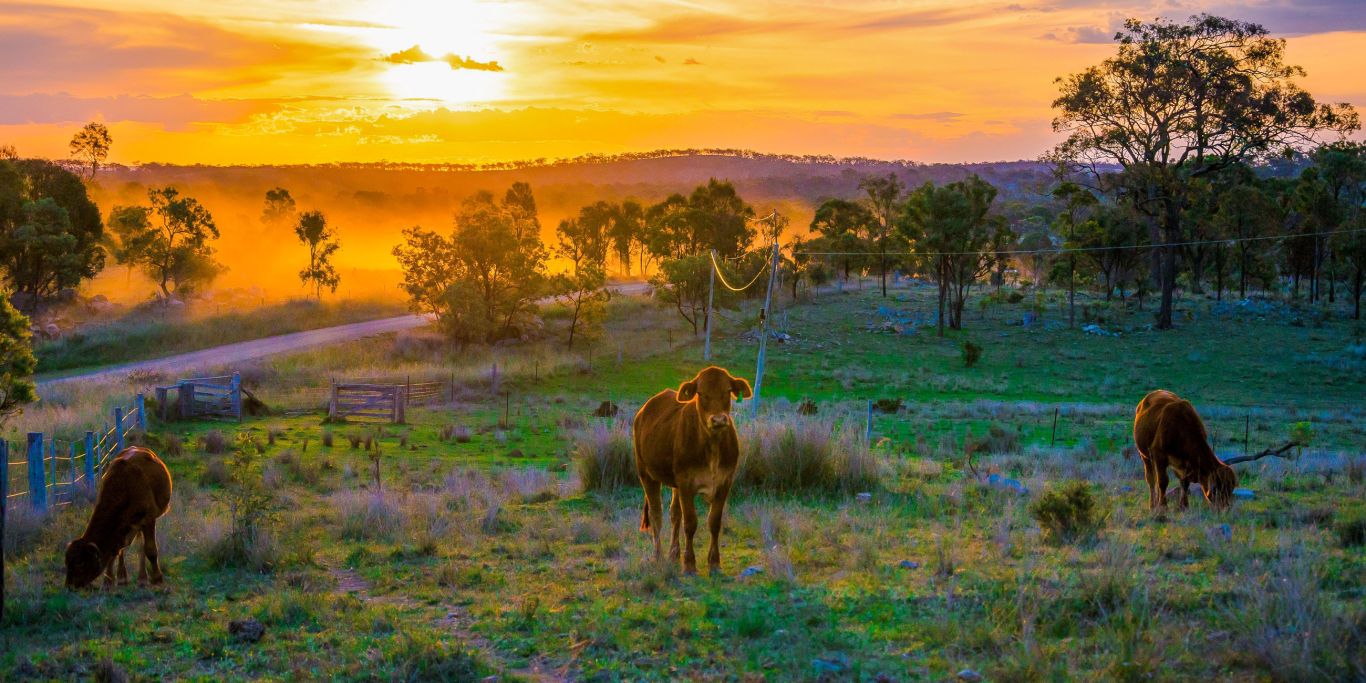
Autumn morning with cows in Stanthorpe, Queensland
A crisp autumn morning in Stanthorpe. (Credit: Tourism and Events Queensland / Jewels Lynch)

Gold – Stanthorpe, Qld

Silver – Kiama, NSW

Bronze – Echuca, Vic

Small Tourism Town
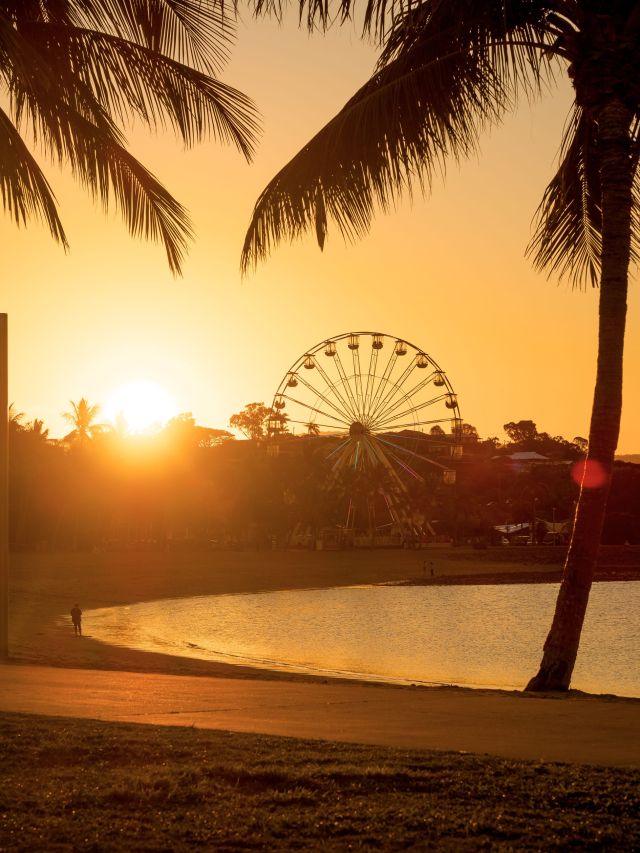
Airlie Beach Main Beach
Airlie Beach is Australia’s best small town. (Credit: Tourism and Events Queensland / The Greener Two)

Gold – Airlie Beach, Qld

Silver – Gulgong, NSW

Bronze – Portarlington, Vic

Weekly travel news, experiences
insider tips, offers, and more.

Tiny Tourism Town
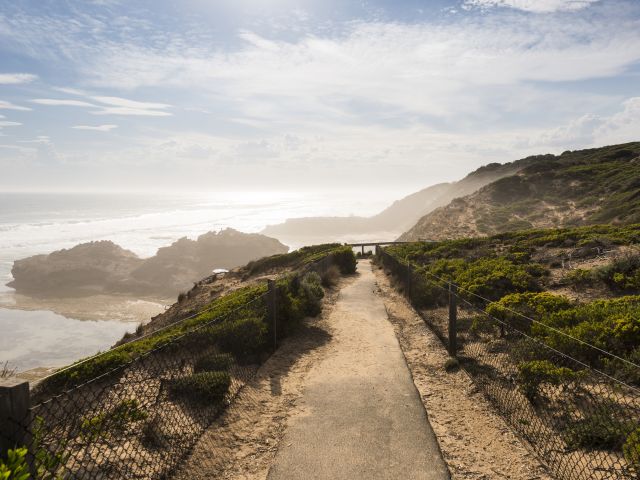
Portsea on the Mornington Peninsula in Victoria
The country’s top tiny town is Portsea on the Mornington Peninsula. (Credit: Rob Blackburn)

Gold – Portsea, Vic

Silver – Toogoolawah, Qld

Bronze – Port Arthur, Tas

Top Tour Guide

Gold – Laura Stone, Sydney by Kayak, NSW

Silver – Jools de Loryn, Go West Tours, Vic

Bronze – Angie Ouyang, National Museum of Australia, ACT

Want to see more stories from Australian Traveller in your Google search results?

  1. Click here to set Australian Traveller as a preferred source.
  2. Tick the box next to "Australian Traveller". That's it.
Emily Murphy
Emily Murphy is Australian Traveller's Email & Social Editor, and in her 4+ years at the company she has been instrumental in shaping its social media and email presence, and crafting compelling narratives that inspire others to explore Australia's vast landscapes. Her previous role was a journalist at Prime Creative Media and before that she was freelancing in publishing, content creation and digital marketing. When she's not creating scroll-stopping travel content, Em is a devoted 'bun mum' and enjoys spending her spare time by the sea, reading, binge-watching a good TV show and exploring Sydney's vibrant dining scene. Next on her Aussie travel wish list? South Australia and The Kimberley.
View profile and articles
hero media

7 Lake Macquarie secrets the locals don’t want you to know

Credit: Beau Pilgrim

An untapped side to this popular holiday spot is hiding in plain sight.

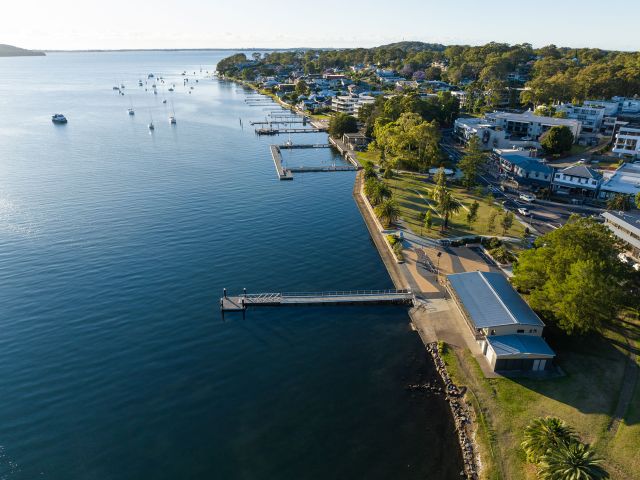
Laidback Lake Macquarie draws in holidaygoers and day trippers with its casual coastal allure and raw beauty. But even though it’s just 90 minutes from Sydney, most visitors have only scratched the surface of what this region has to offer.

Foodie hotspots, quaint towns, tranquil waterways and compelling art are all waiting to be discovered. You just need to know where to find them.

1. Most visitors don’t make it to the western side

Explore beyond the western side. (Credit: Beau Pilgrim)

While there’s no harm in walking the well-worn path in this idyllic pocket of the world, the area west of Lake Macquarie is defined by stretches of ancient rainforests and quaint towns with a more local feel. Toronto is the largest town on this side and features a golf course and sailing clubs, while peninsula-based Wangi Wangi is fantastic for bushwalking and swimming.

2. There’s a booming arts scene

Museum of Art and Culture, YAPANG
Discover the Museum of Art and Culture, YAPANG.

Lake Macquarie is a must-visit destination for creatives. Discover the Museum of Art and Culture, YAPANG; this modern gallery is set on a five-hectare sculpture park and showcases a free rotating program of exhibitions and events, with a strong focus on contemporary Aboriginal art. In Wangi Wangi, explore the Wangi Owl Trail, which includes Dobell House, the preserved home of prolific artist Sir William Dobell. And enjoy live music every Saturday evening at the recently renovated Toronto Hotel.

3. It’s a nature lover’s paradise

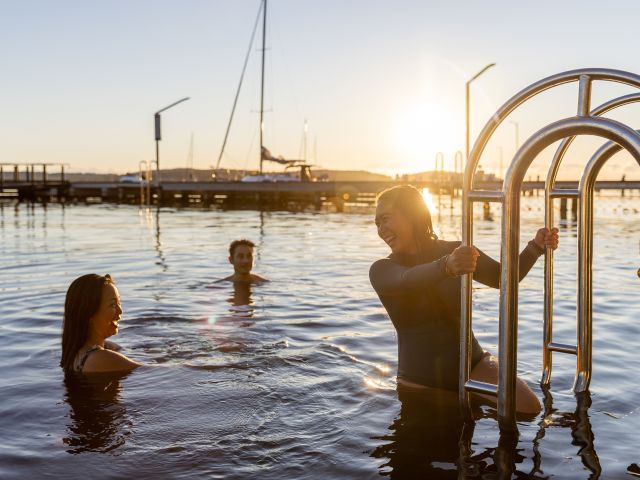
three people swimming in lake macquarie
In and out of the water, find a natural paradise. (Credit: Beau Pilgrim)

Lake Macquarie is a playground for nature lovers. It’s home to Australia’s largest saltwater lake, a 110-square-kilometre haven for swimming, fishing, boating and sunset views. Another oasis is the Lake Macquarie State Conservation Area, a 761-hectare protected reserve with wildflowers, Second World War heritage sites and spectacular views to Pulbah Island. The upgraded Toronto baths, complete with jetty decking and netting, make for a sheltered spot for a refreshing dip, while the Awaba Mountain Bike Park gives adrenaline junkies their fix.

4. The dining scene is unbeatable

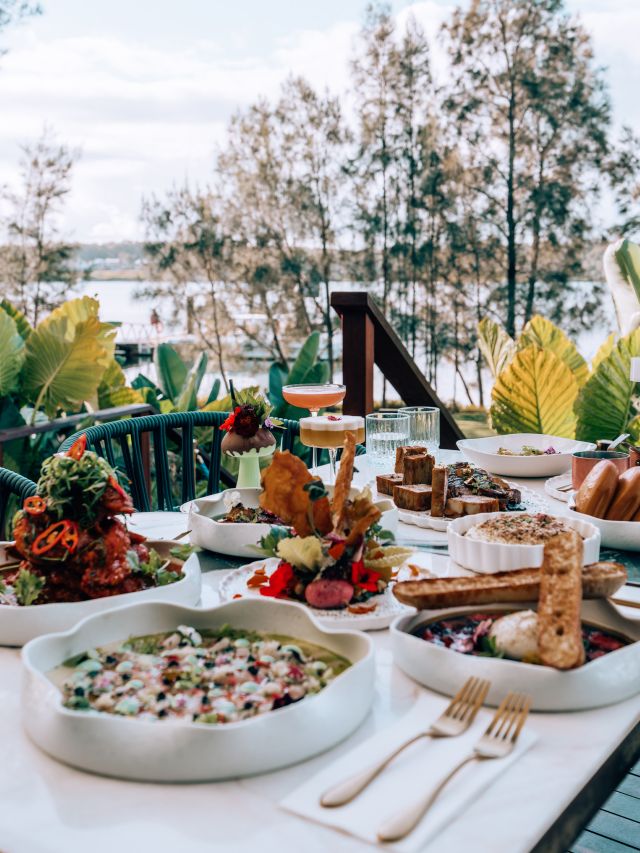
8 at Trinity lake macquarie
Treat yourself to 8 at Trinity.

Gourmands are well looked after in Lake Macquarie. At Emerson’s on the Lake in Toronto, the modern Australian fine dining menu spoils seafood lovers with the freshest ocean produce and stunning lake views. Sitting on Trinity Point’s waterfront, 8 at Trinity is another standout offering, serving Mediterranean fare in an open-air setting. For a more relaxed affair, the microbrewery trail lets craft beer enthusiasts sip on inventive brews from The Yard, Lake Mac Brewing and Bread & Brewery.

5. There are hidden coves and waterways

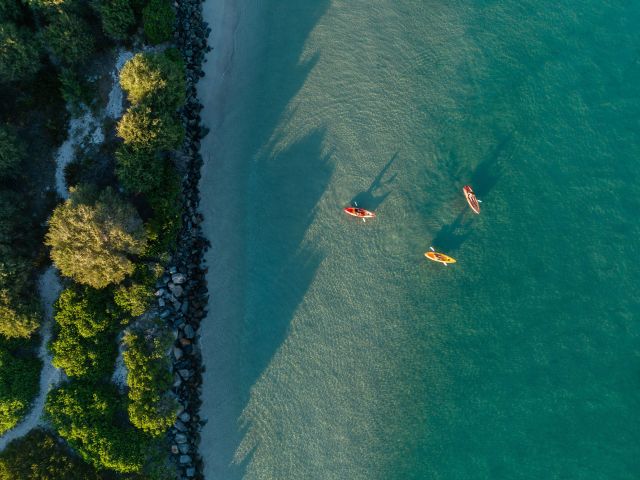
kayakers on lake macquarie local secrets
Get out onto the lake. (Credit: Beau Pilgrim)

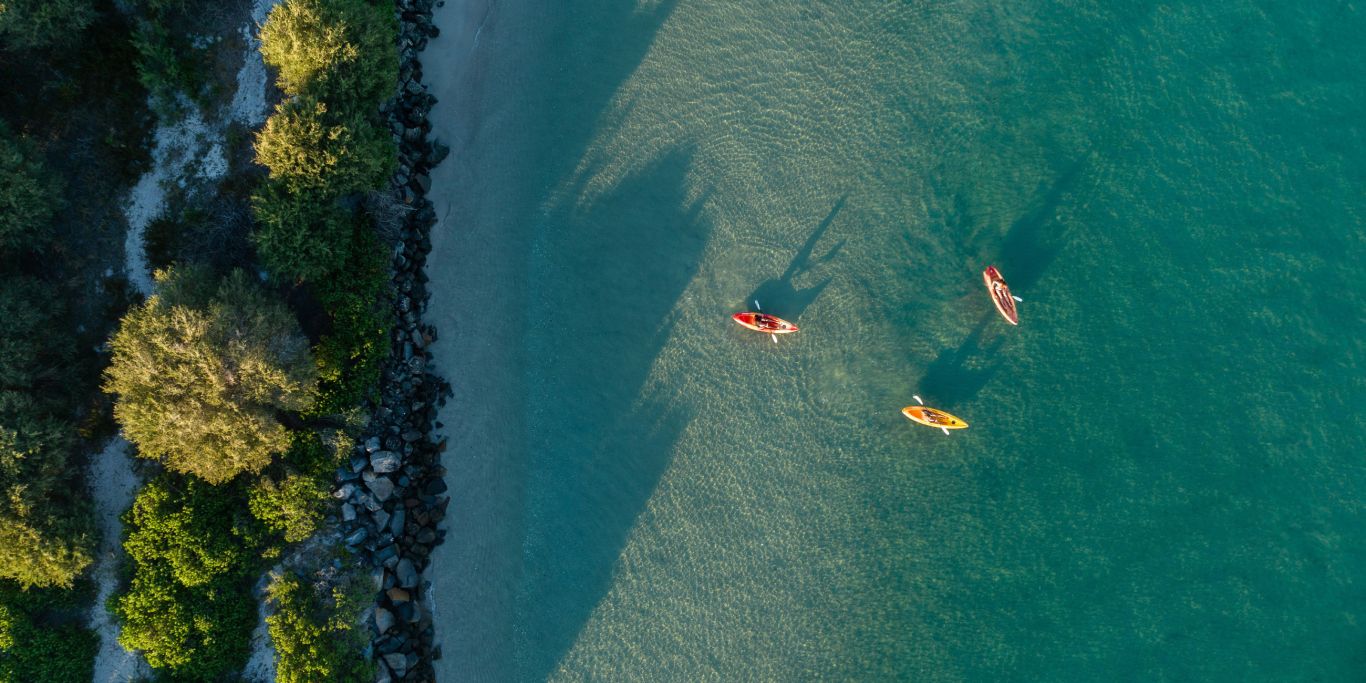
There’s no better way to experience Lake Macquarie than directly on its waters, and in doing so you’ll discover a world of hidden coves and secluded waterways. Jump in a kayak for a tour with the friendly team at School of Yak and paddle to Cockle Creek, Awaba Bay, Green Point and Fennel Bay, discovering underwater life along the way. Or go all in and stay the night on one of Lake Macquarie Houseboats’ spacious vessels or hire a BBQ pontoon boat for the day from Lake Macquarie Boat Hire to enjoy a feast in the sunshine while admiring the marine life and picturesque waterscape.

6. It’s a birdwatcher’s paradise

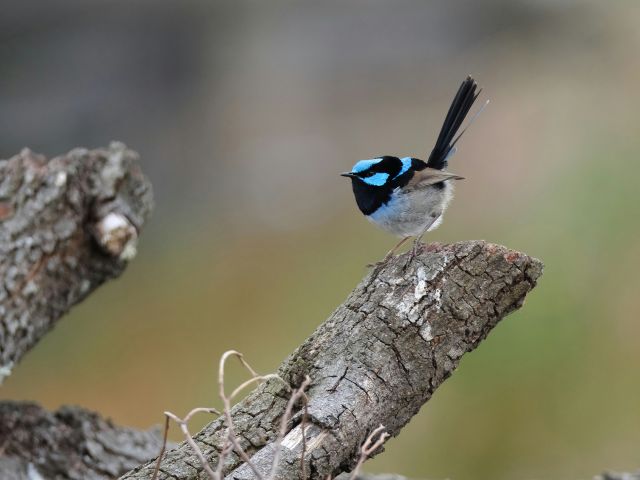
ll blue wren sitting on a tree branch
Keep an eye out for local birdlife. (Credit: Walter Coppola)

Twitchers are in for a real treat as hundreds of fascinating bird species such as Australian pelicans, black swans, white-bellied sea-eagles and superb fairy-wrens call this area home. Take a self-guided tour around top spots including Bird Cage Point and Lake Macquarie State Conservation Area (near Morisset) or be guided in a clear-bottom kayak through the waterways with Lake Macquarie Kayak Adventures, observing feathered friends as you go.

7. The lake has islands

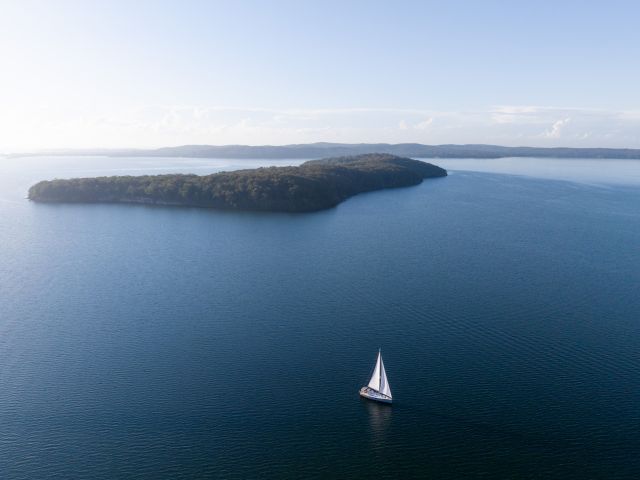
sail lake macquarie
Charter a boat to see Lake Macquarie’s islands.

Hop on a private boat, kayak or charter around the lake to discover the plethora of small islands peppered around Lake Macquarie. The largest is Pulbah Island, a 69-hectare nature reserve home to goannas and sugar gliders with secluded beaches. Sandy islands such as Spectacle Island and Pelican Island have a tropical lagoon-like look to them as they sit in the tidal path of Swansea Channel, which filters the sand and creates a pristine environment. Stop by for a dip and a picnic.

Start living like the locals at visitlakemac.com.au.